
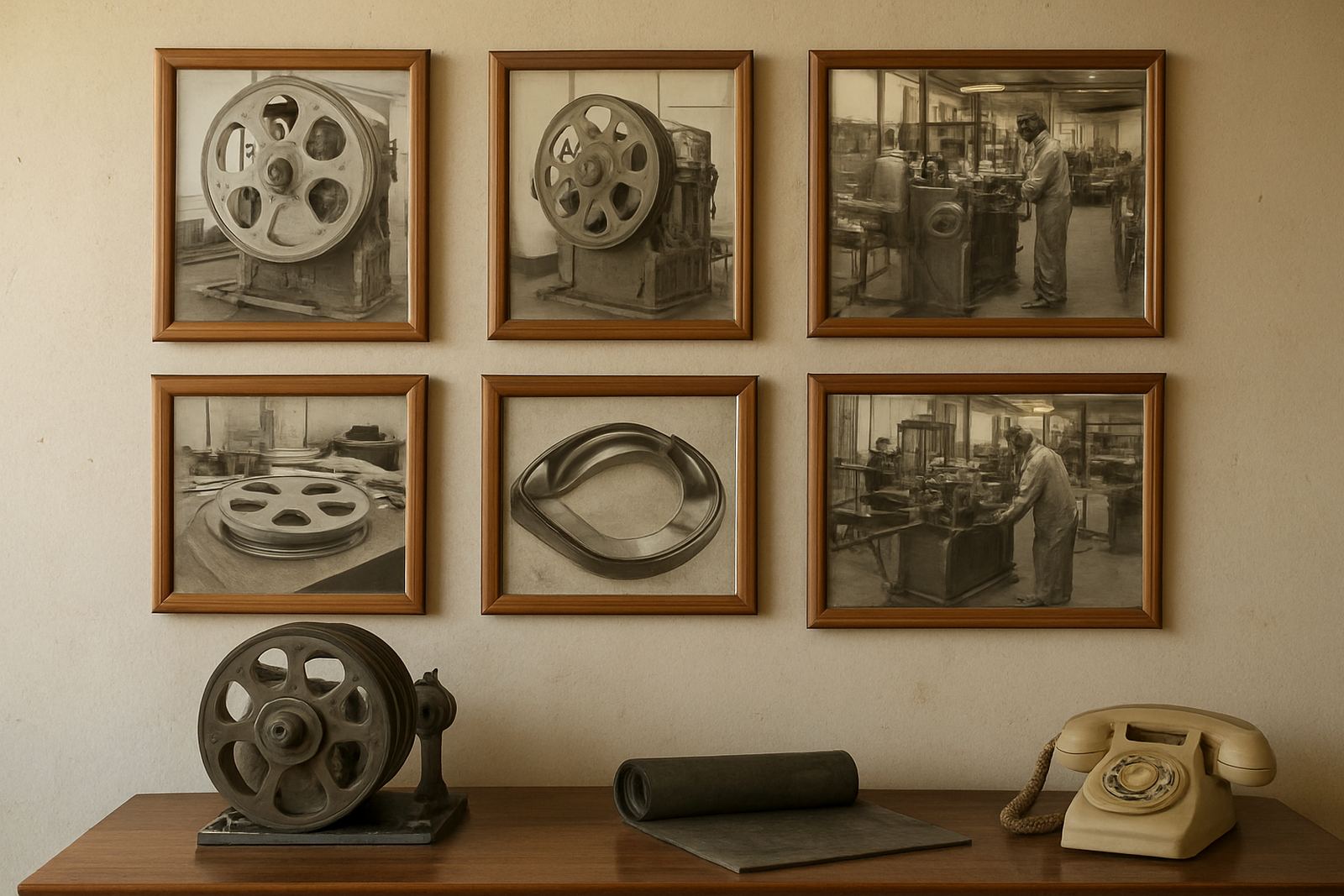
First label dies cut in Wadeville
LabelCutter Dies works from Wadeville, Germiston, supplying rotary solid dies and flexible magnetic dies for South African label printers and converters. Each job is measured for repeat matching and fitment checks by hand and machine, with the focus on getting the cut right on press.
In those early months, the team learned quickly what South African converters need: parts that suit different press setups, practical advice when artwork changes, and support that keeps production moving during load-shedding or a late urgent job. That mindset shaped the business from day one.
From local supply to repeat production work
As more printers in Germiston, Johannesburg and Pretoria began asking for repeat jobs, the business put stronger systems in place for die design, CAD proofing and stock advice. This made it easier to track repeat orders and match existing tooling without guesswork. Small changes in label runs can affect the finish, so the team focused on accuracy and clear communication.
- More repeat matching for established print lines
- Closer control of bearer setting and magnet checks
- Better packing and dispatch for same-day or next-day movement where possible
- Support for smaller converters that needed one-off remakes or trial help
By this stage, the business was already handling a mix of standard work and urgent remakes. That balance became a proper part of the service offering, not just an occasional favour.
Wider reach across South African label rooms
Over the following years, the customer base expanded beyond Gauteng as converters in Durban, Pinetown and Cape Town started ordering tooling from Wadeville. Coastal humidity, differing press conditions and varying substrate mixes meant the team had to think beyond a one-size approach. Each order needed the right specification, the right finish and enough technical checking before dispatch.
During this period, cylinder refurb and die regrind work became more important. Instead of replacing tooling too early, clients could bring worn items back into service with proper refurbishment. That saved money and helped factories keep machines moving, which matters when deadlines are tight and a municipal power cut knocks out part of the day.
Stronger machining, better technical support
Over time the business had built a more experienced technical team, with production, sales, design and machine shop roles working closer together. Marius Jacobus van der Merwe led the company as Managing Director, with Thandiwe Nkosi managing production, Ruhan de Beer handling technical sales, Nirasha Ramdass preparing CAD work, Anele Mthembu coordinating dispatch and Siyanda Letsoalo leading the machine shop. The structure reduced handovers between roles.
These years also sharpened the company’s press trial support and stock advice. If a converter needed help after a tooling change, the team could talk through the cut, the wear pattern and the likely cause. That hands-on service mattered just as much as the tooling itself, especially when presses were running against a deadline and there was no room for trial and error.
Keeping supply moving through harder operating conditions
Like many South African manufacturers, the business had to work harder through periods of unstable electricity, transport delays and uneven material supply. It responded by tightening dispatch planning, improving packing routines and keeping better stock awareness for common repeat jobs. When a customer needed urgent remakes, every hour saved in preparation counted.
Delivery coordination expanded to cover Johannesburg, Pretoria, Durban, Pinetown, Cape Town, Bellville and Gqeberha. That meant the company could support both large factories and smaller print rooms, with orders moving out through the same reliable process. In some cases, urgent orders were packed and sent the same day if the approval and scheduling lined up.
- Urgent remakes for damaged or worn dies
- Repeat matching against existing tooling samples
- Packing and dispatch with clear handling notes
- Delivery coordination for major metro areas
Today: a specialist supplier built for label converters
LabelCutter Dies supplies made-to-order tooling for South African label printers and converters. The core offer includes rotary solid dies, flexible magnetic dies and magnetic cylinders, together with die design, CAD proofing, cylinder refurb, die regrind, bearer setting and magnet checks. The focus remains accurate tooling, steady service and proper support at the point of use.
Clients now reach the team through the enquiry form on the contact page, which keeps requests organised and routes each one to the right person. From Wadeville, Germiston, the business supplies across the country with delivery coordination into Johannesburg, Pretoria, Durban, Pinetown, Cape Town, Bellville and Gqeberha. It is a local operation with national reach, and it still works to the same standard of care that got it started.