


Home / Journal

Die Room Journal

Our journal covers practical label die topics for converters, print managers and production teams. It focuses on the realities of ordering, running and caring for rotary and flexible tooling in South Africa.

Die Room Journal
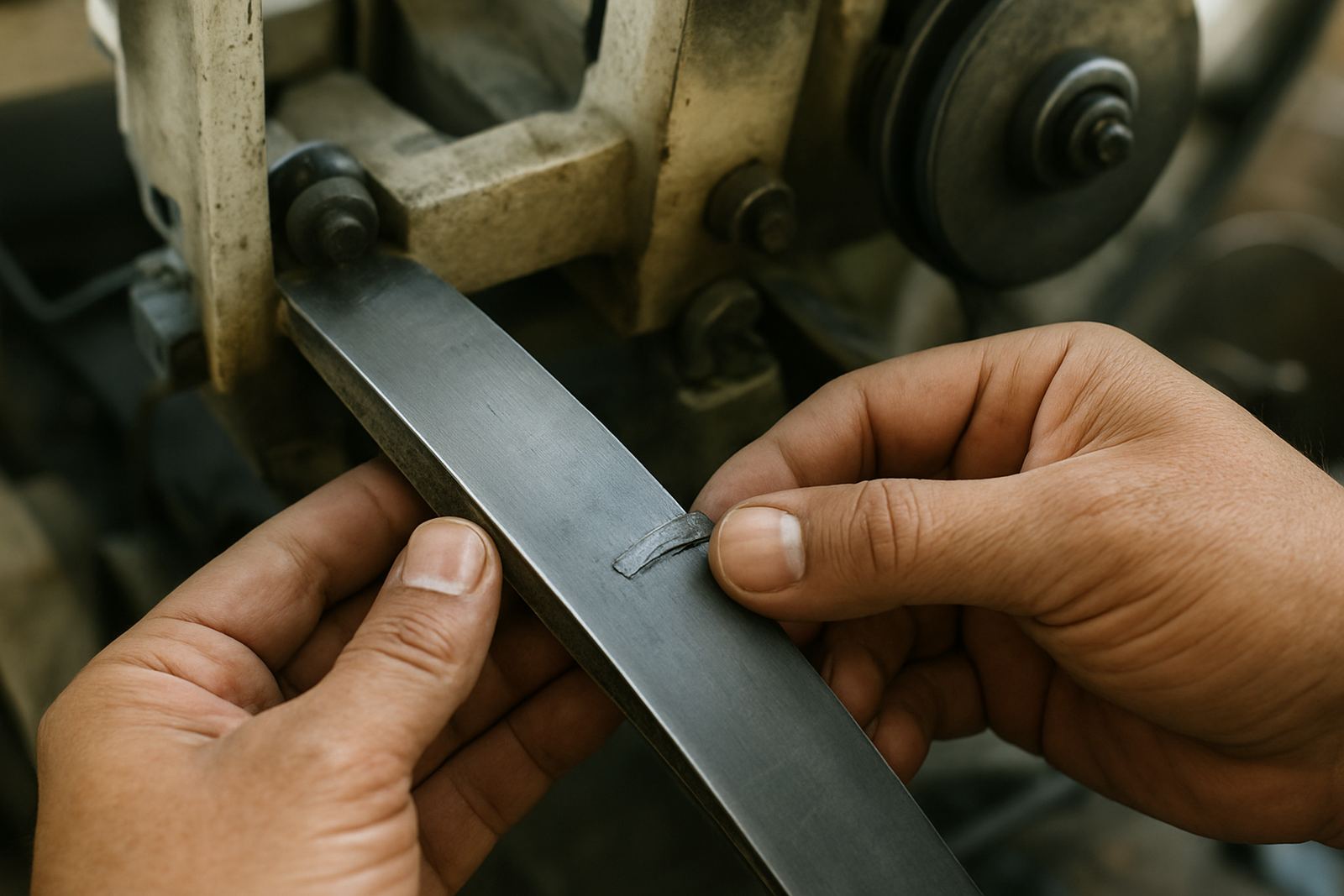
Die Tolerance Basics

Die Tolerance Basics

A plain-language look at the tolerances that affect fit, repeat and cut quality.

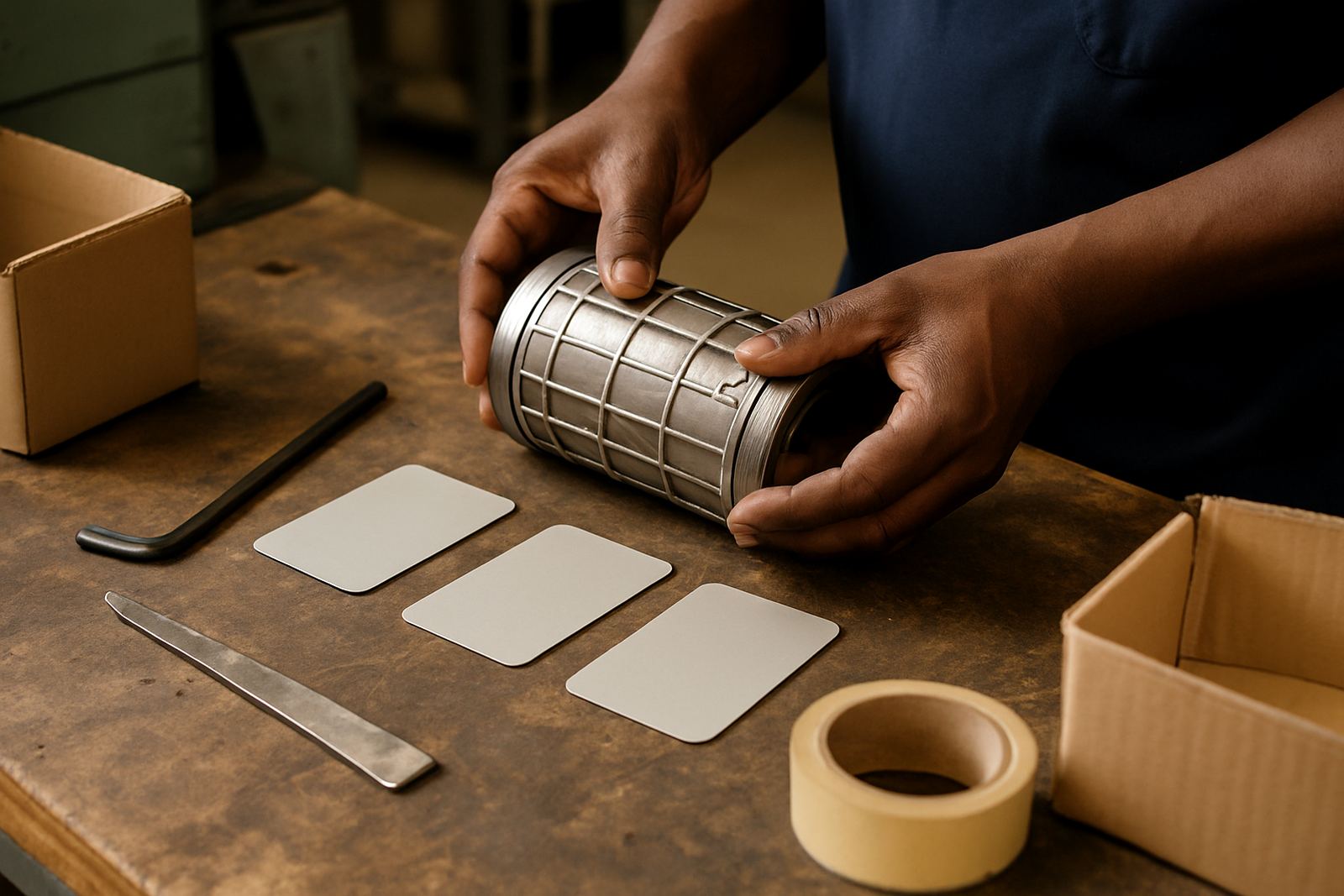
Magnetic Cylinder Care

Magnetic Cylinder Care

Simple habits that help magnetic cylinders stay clean, true and dependable in production.

Choosing Cut Depth

Choosing Cut Depth

How cut depth influences liner protection, release performance and waste stripping.

Paper Vs Film

Paper Vs Film

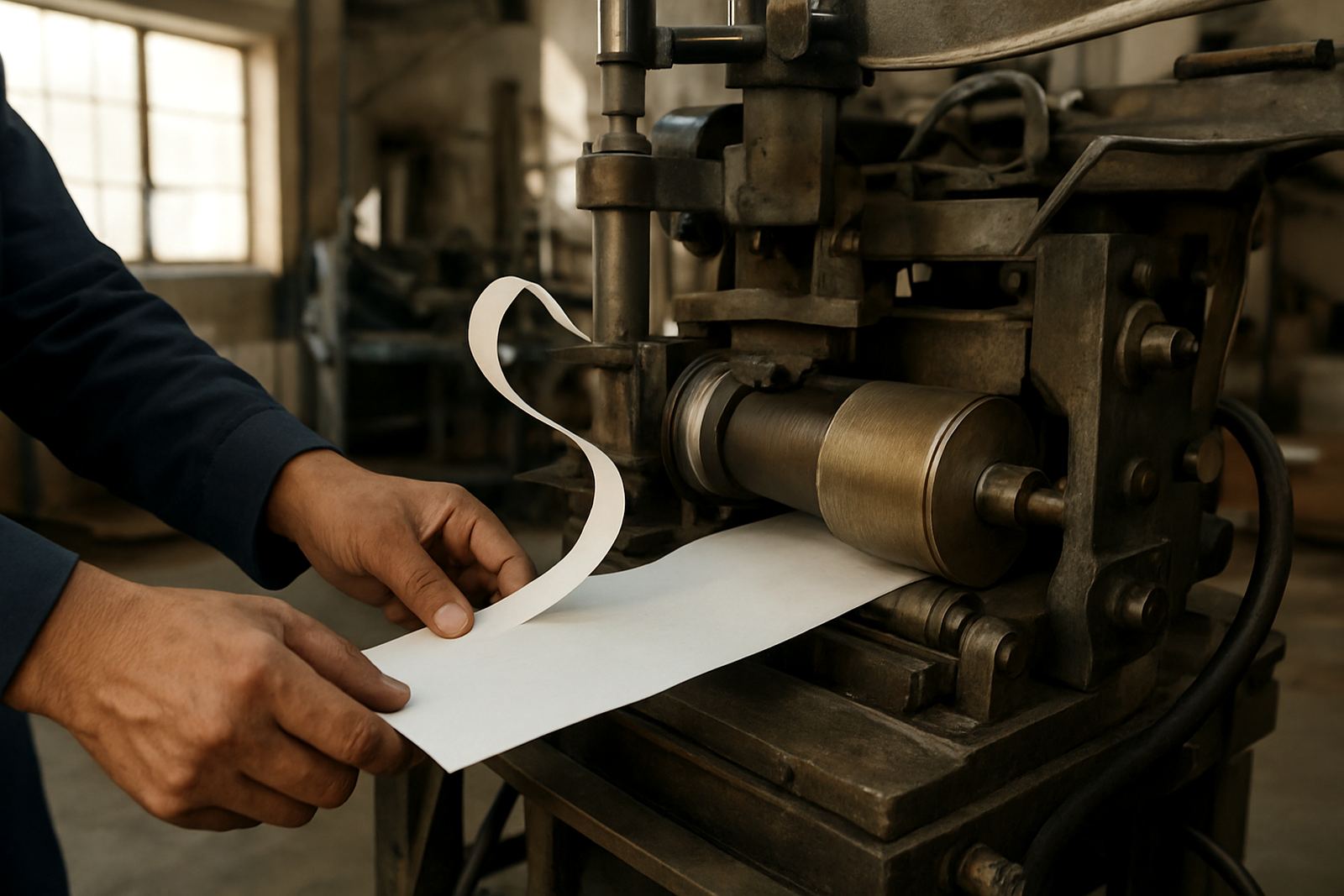
Why paper and film stocks respond differently during rotary die cutting.

Avoiding Liner Strikes

Avoiding Liner Strikes

Common causes of liner strikes and how better setup and tooling reduce them.

Repeat Length Explained

Repeat Length Explained

A guide to repeat length and why it must match print and press conditions.

Bearer Wear Signs

Bearer Wear Signs

Visible signs that bearer wear may be affecting pressure and cut consistency.

Web Tension Effects

Web Tension Effects

How web tension influences registration, matrix lift and finished label shape.

Adhesive Build Up

Adhesive Build Up

What adhesive build-up does to cutting performance and how operators spot it early.

Gap And Land

Gap And Land

Understanding gap and land dimensions in compact label layouts.

Cavity Layout Tips

Cavity Layout Tips

Planning cavity layout for yield, strength and easier matrix removal.

When Dies Chip

When Dies Chip

Likely reasons for chipped cutting edges and when a remake may be wiser.

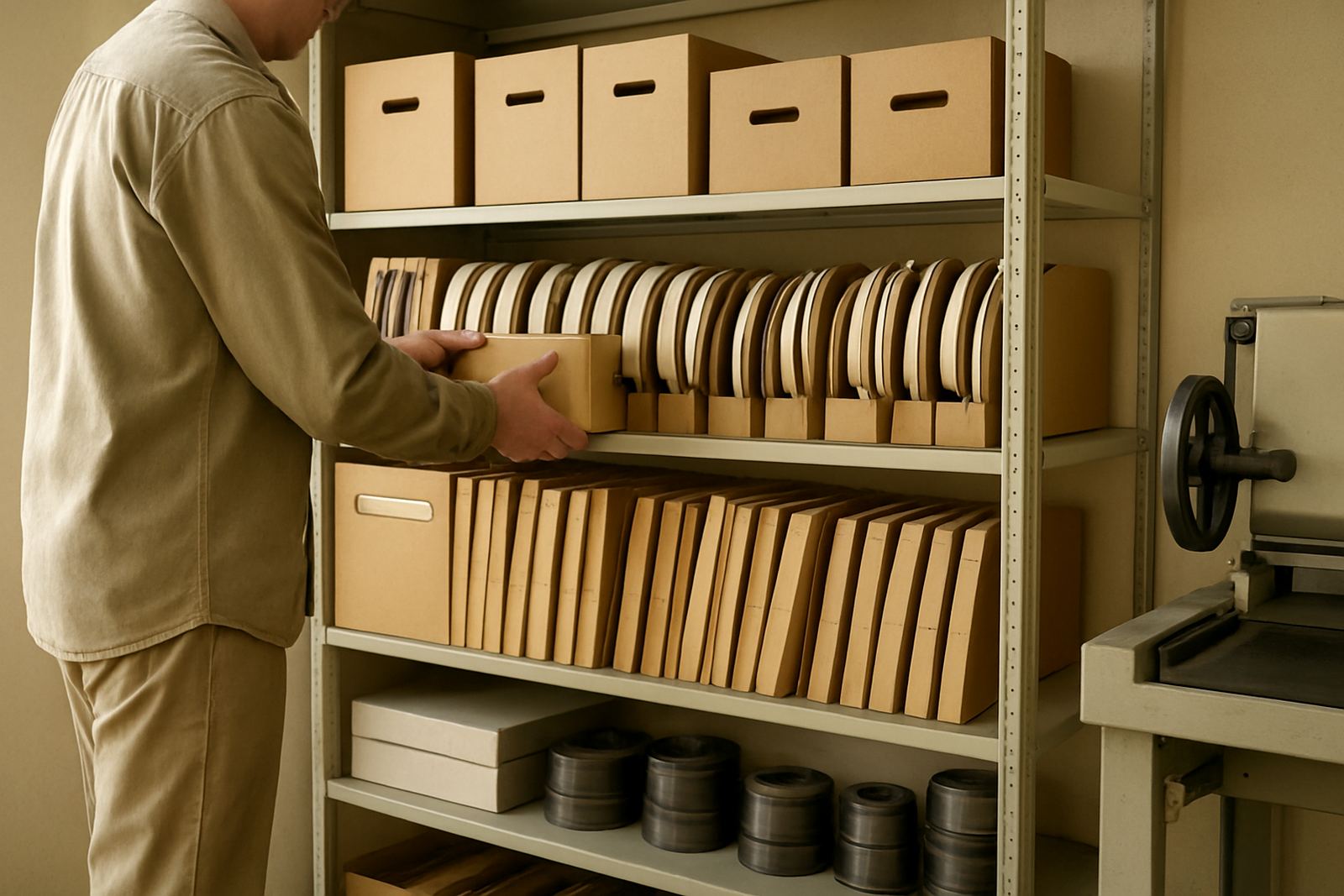
Die Storage Habits

Die Storage Habits

Storage practices that reduce knocks, corrosion and confusion between repeat jobs.

Urgent Remake Process

Urgent Remake Process

What information helps speed up an urgent die remake request.

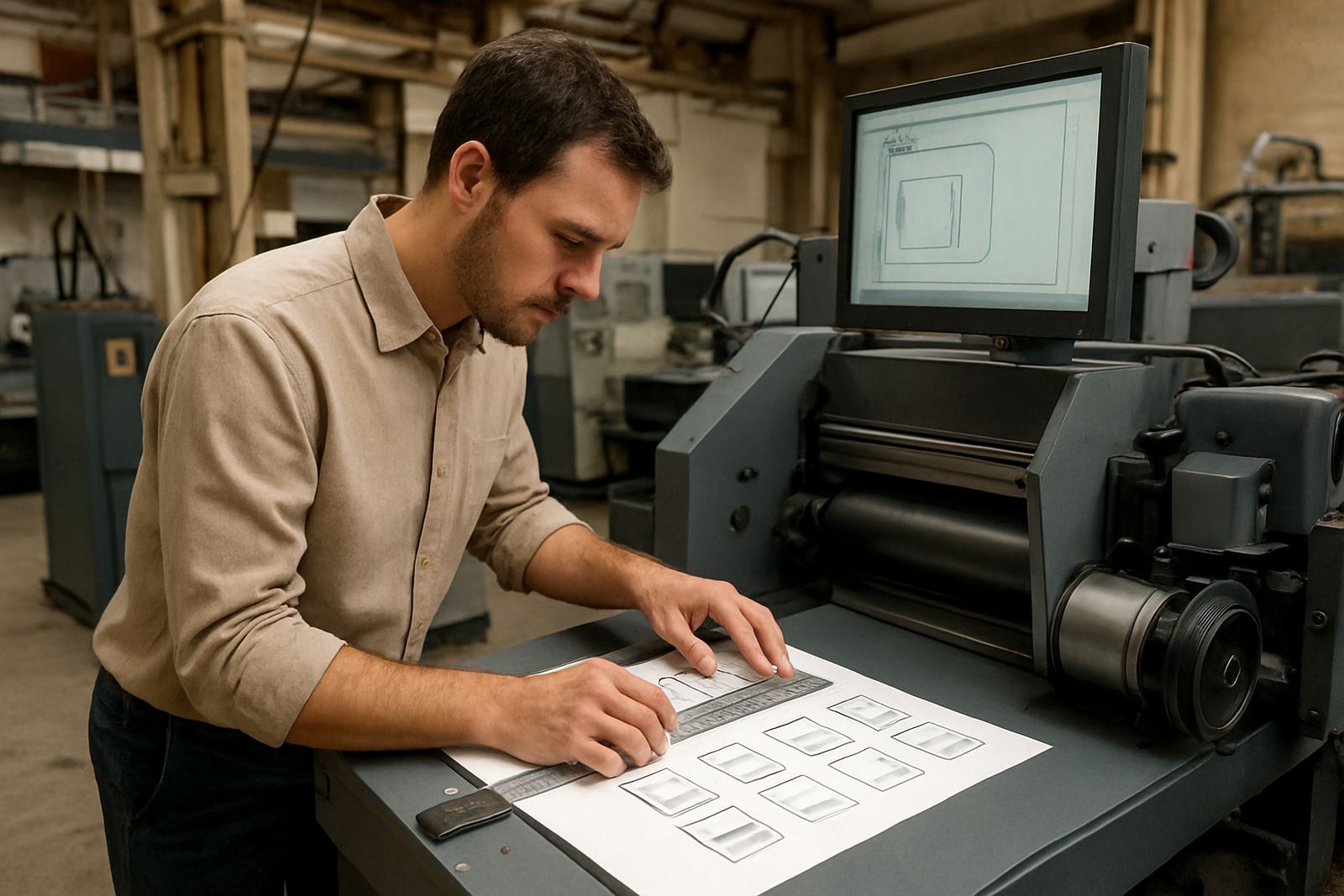
Proofing Artwork Well

Proofing Artwork Well

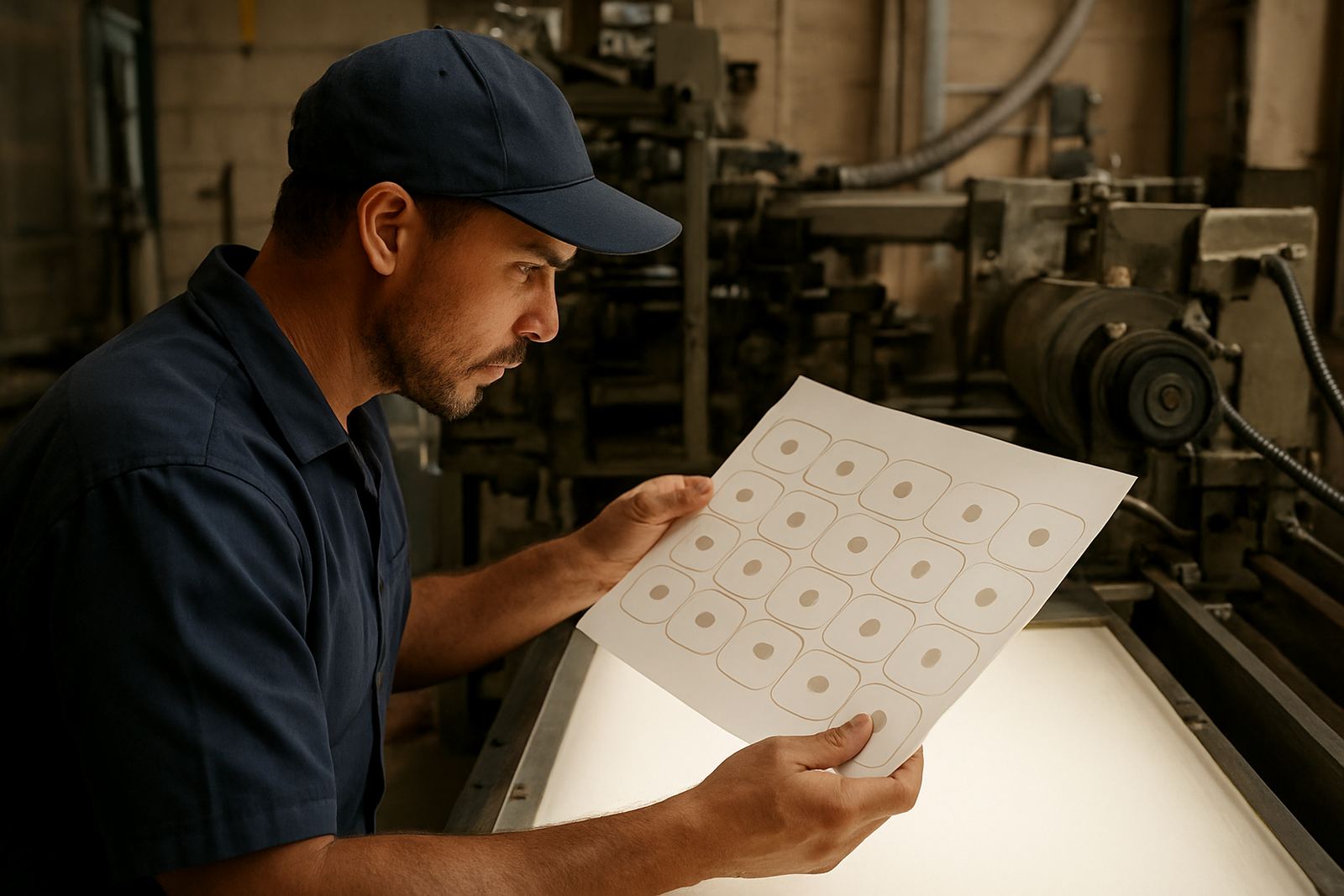
Artwork proofing steps that prevent avoidable tooling delays and geometry mistakes.

Matrix Removal Basics

Matrix Removal Basics

A simple introduction to matrix removal and the factors behind stable stripping.

Kiss Cut Consistency

Kiss Cut Consistency

How to keep kiss cutting stable across changing stock, speeds and conditions.

Steel Hardness Matters

Steel Hardness Matters

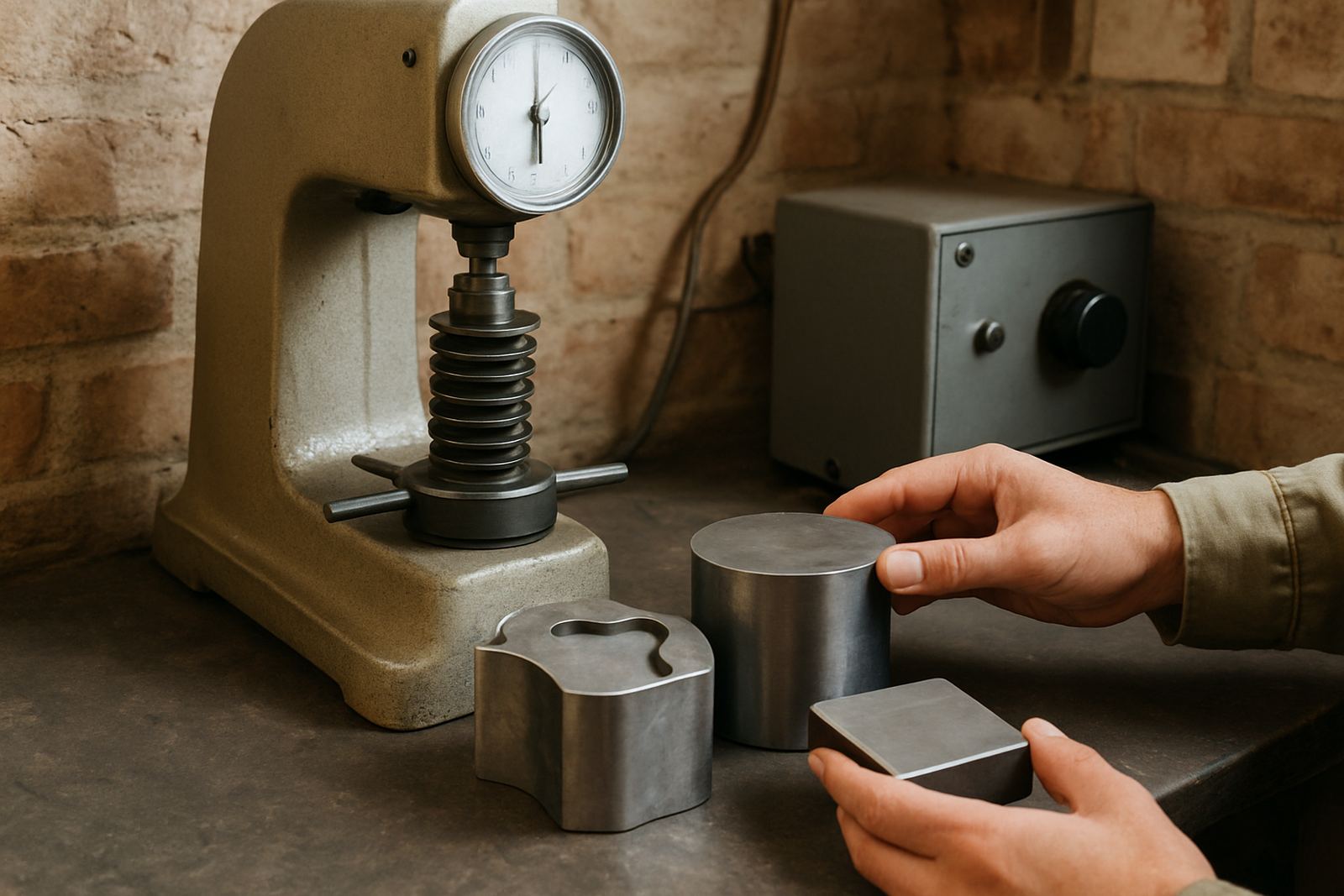
Why hardness matters in rotary tooling and what it means for service life.

Blade Angle Choice

Blade Angle Choice

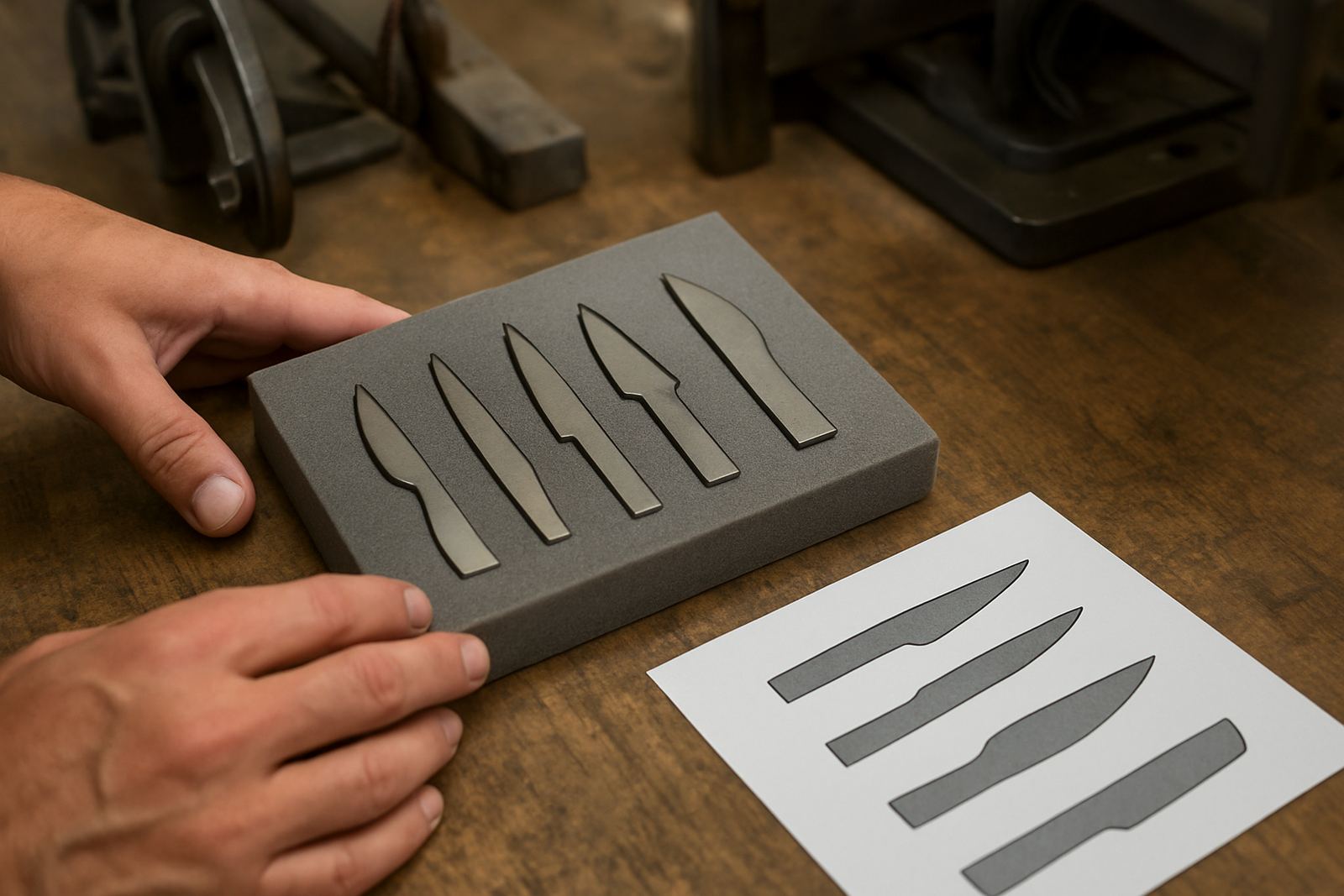
Blade angle affects cut entry, stock behaviour and edge durability.

Coating And Cutting

Coating And Cutting

How coatings and surface finishes can influence adhesive transfer and wear.

Varnish Registration

Varnish Registration

Registration between varnish and die cutting can make or break premium label appearance.

Cold Foil Windows

Cold Foil Windows

What to watch when cutting labels that include foil windows and fine detail.

Digital Finishing Dies

Digital Finishing Dies

Where conventional die tooling fits into digital label finishing workflows.

Flexo Converter Checklist

Flexo Converter Checklist

A practical checklist for converters ordering tooling for flexo production runs.

Narrow Web Planning

Narrow Web Planning

Tooling considerations that help narrow web jobs start cleaner and settle faster.

Large Run Economics

Large Run Economics

Why tooling quality and repeat control matter more as run length increases.

Short Run Math

Short Run Math

Balancing tooling choices, changeover time and reorder risk for shorter runs.

Export Label Demands

Export Label Demands

Export work often needs more traceability, safer packing and consistent reruns.

Food Contact Considerations

Food Contact Considerations

Important tooling and handling points for labels used on food packaging lines.

Cosmetic Label Finishes

Cosmetic Label Finishes

How die quality supports metallic, matte and tactile finishes on beauty labels.

Security Slit Patterns

Security Slit Patterns

Choosing slit patterns for labels designed to show tampering clearly.

Perforation Pattern Choice

Perforation Pattern Choice

How perforation tooth and tie choices affect tearing force and appearance.

Crackback Release Design

Crackback Release Design

Design tips for crackback liners that release easily without weakening the job.

Island Cut Challenges

Island Cut Challenges

Why internal islands need careful planning in both tooling and stripping layout.

Multi Up Balance

Multi Up Balance

Balancing lanes and cavity distribution helps multi-up jobs run more predictably.

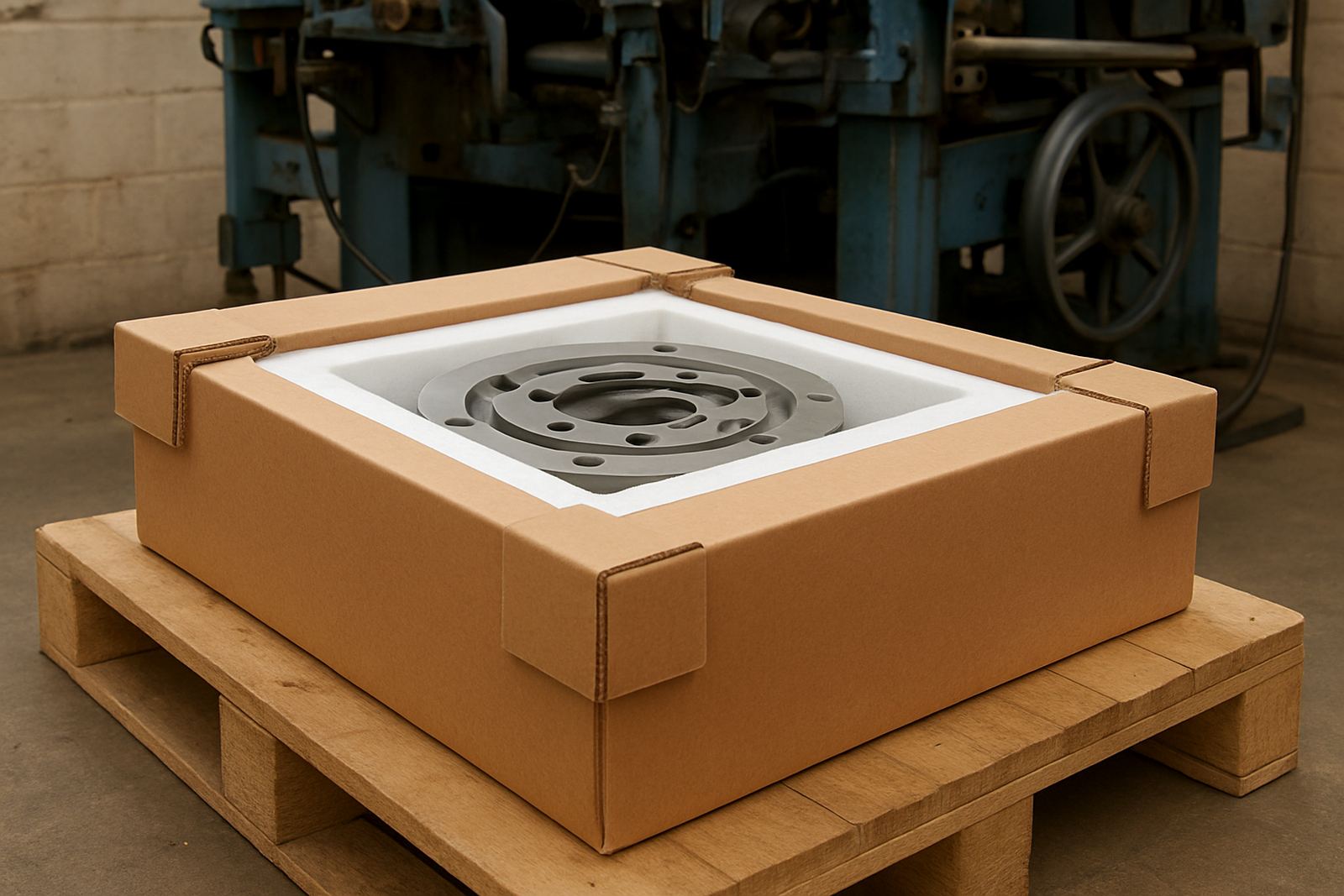
Courier Packing Dies

Courier Packing Dies

Packing methods that help delicate tooling survive frequent courier handling.

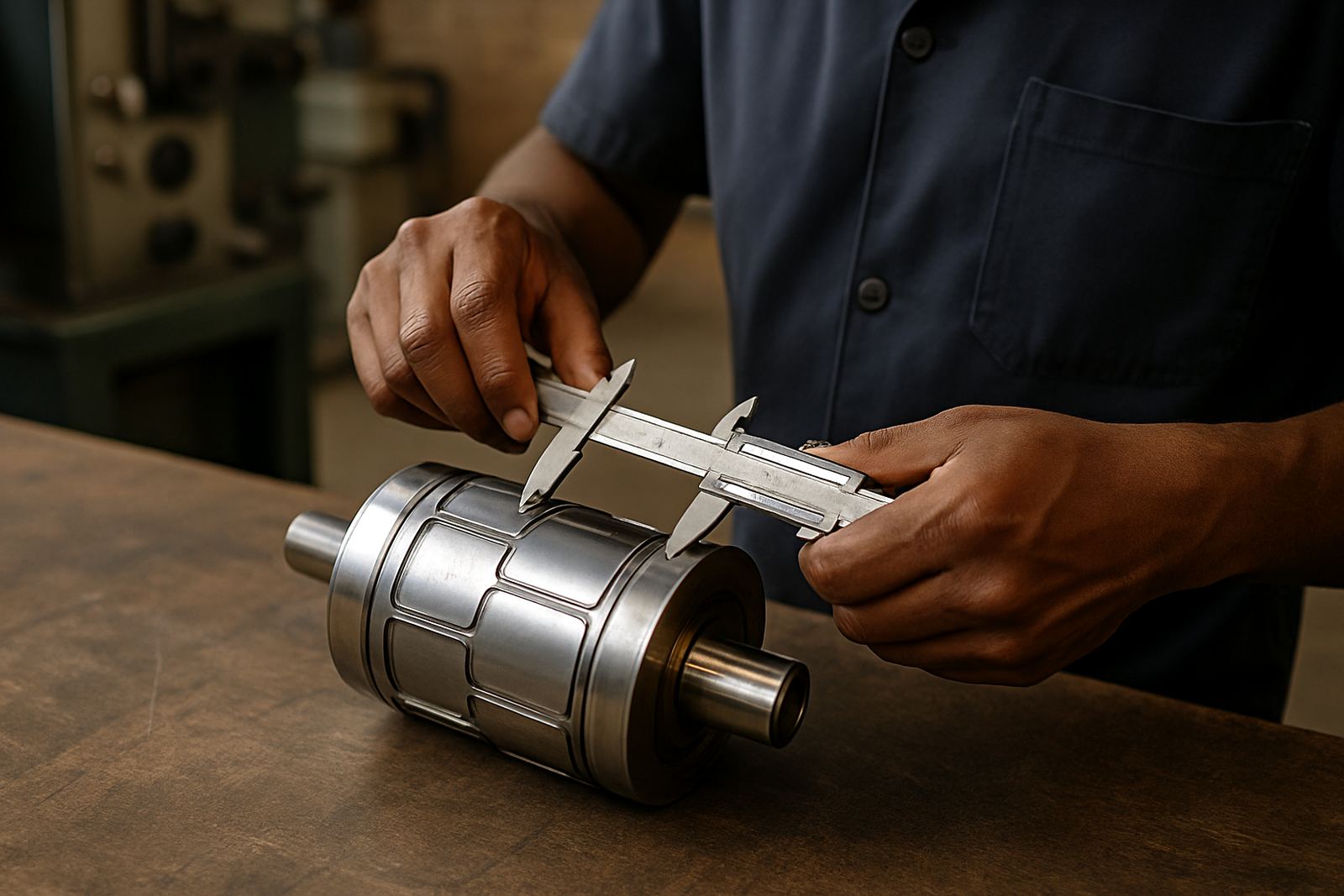
Measuring Existing Dies

Measuring Existing Dies

A practical method for measuring an older die before placing a repeat order.

Reordering With Confidence

Reordering With Confidence

The job details worth keeping so future repeat orders are faster and safer.

South African Lead Times

South African Lead Times

What affects local tooling lead times and how converters can reduce avoidable delays.

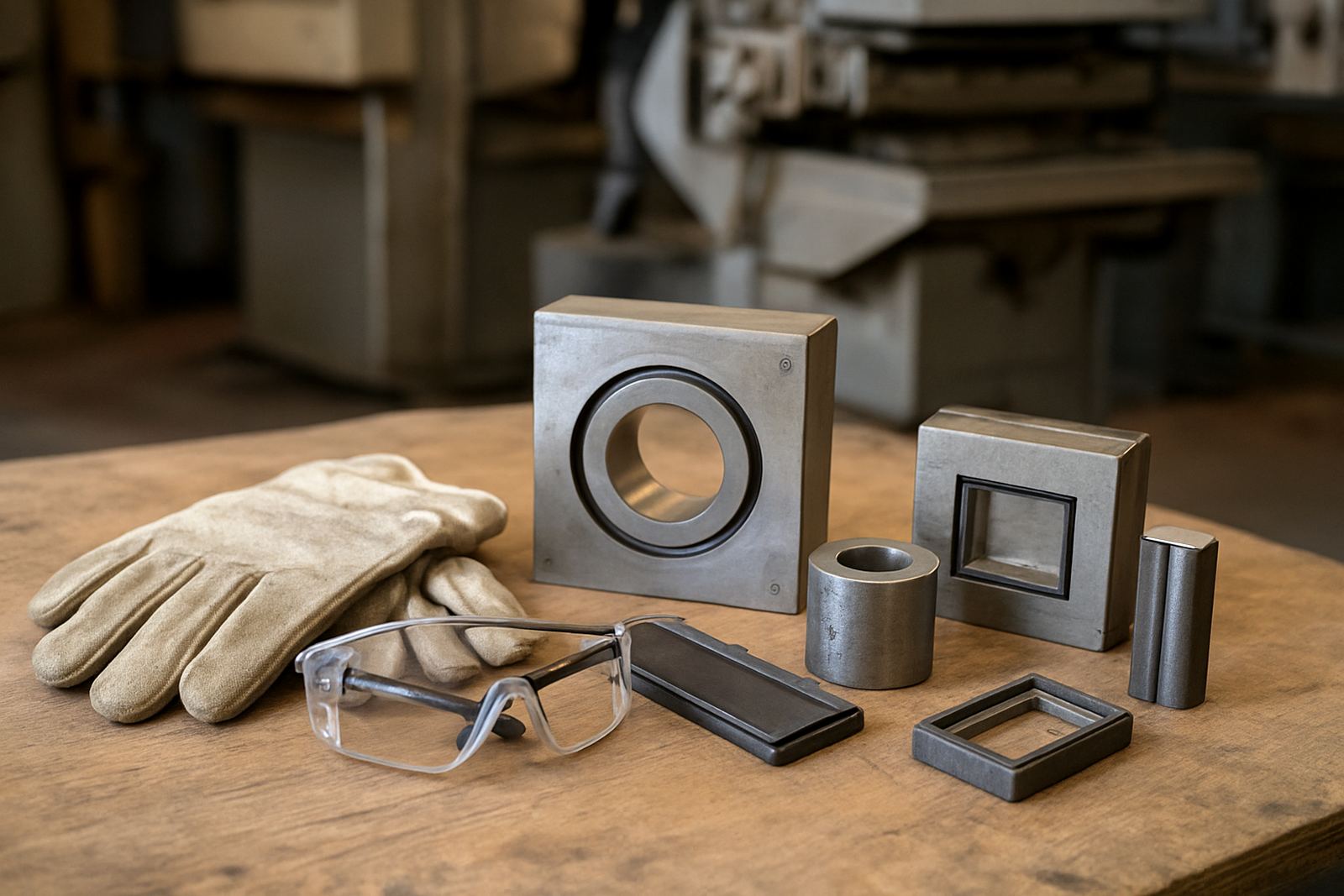
Die Room Safety

Die Room Safety

Basic safety habits for handling, storing and unpacking sharp tooling in production environments.

Why the die room matters on a busy label line

When a label line is under pressure, the die room is where small errors become wasted reels, late deliveries and extra set-up time. The right rotary solid die, flexible magnetic die or magnetic cylinder has to suit the substrate, the press, the adhesive and the repeat length, not just the artwork.

This journal looks at the practical side of die buying and die care for South African printers and converters. It covers the questions that come up in Wadeville, Johannesburg, Durban, Cape Town, Gqeberha and Pretoria: what to order, how to check a repeat, when to regrind, and when a cylinder should be refurbished instead of replaced.

How to choose the right tooling for the job

There is no one size that fits every label run. A short-run job on self-adhesive stock may suit a flexible magnetic die, while higher volume work or tighter wear demands may call for a rotary solid die or a matched magnetic cylinder. The better choice depends on print run length, press type, substrate thickness and the amount of detail in the cut.

  • Check the repeat length and the press specification before ordering.
  • Confirm whether the label is kiss-cut, perforated or fully cut through.
  • Ask how the tooling will handle coated stocks, filmic labels and heavier board.
  • Allow for local conditions like dust, heat and coastal humidity, especially on the coast.

If the application changes often, it helps to keep clear records of previous jobs. That avoids guesswork and keeps repeat matching accurate, which saves time on press and reduces waste.

What affects die life and cutting quality

Die life is affected by material choice, press setup, bearer setting, cleanliness and how well the tooling is handled between runs. Blunt edges, poor alignment and excess pressure can all shorten life, while good magnet checks and careful storage can add many more clean runs.

For South African plants, dust and heat are common issues, and load-shedding can lead to stop-start production that puts extra strain on set-up discipline. A press that is rushed back into service after an outage often needs a proper check before the next run. That is why measured support, not guesswork, matters.

  • Keep tooling clean and dry after each shift.
  • Inspect for scoring, lift marks and uneven wear.
  • Use press trial support when a new stock or adhesive is introduced.
  • Book urgent remakes early if a job is time-sensitive.

Ordering made to order without wasting a shift

Made-to-order tooling should arrive with the right tolerances, clear job references and sensible packing for transport. In practice, that means the drawing, repeat, cut depth and any special notes must be right before production starts. A small error on the order can stop a whole shift later on.

Good ordering also means planning for spares. Some converters keep an extra flexible die for a high-volume label, while others keep a refurbished cylinder ready for seasonal work. We see it often in fast-moving plants where lead times, stock levels and delivery routes all matter, especially when a job is moving between Johannesburg, Durban and Cape Town in the same week.

Care, regrind and refurbishment between runs

Tooling care is not complicated, but it must be done consistently. A clean blade, a checked magnet and proper storage can prevent a lot of avoidable trouble. When wear starts showing, die regrind or cylinder refurbishment may restore the tooling at lower cost than a full replacement.

Our journal covers the signs that a cutter is due for service, how repeat matching works after refurbishment, and why packing and dispatch must protect edges from knocks in transit. It also looks at stock advice for converters who need to plan around season peaks, municipal delivery restrictions and plant downtime.

Local delivery realities across South Africa

Supplying dies is not only about making them accurately. It is also about getting them to the press room in time and in good condition. From Germiston Supply to Johannesburg Deliveries, Pretoria Deliveries, Durban Deliveries, Pinetown Deliveries, Cape Town Deliveries, Bellville Deliveries and Gqeberha Deliveries, timing and packaging make a real difference.

We work with production teams that need practical answers, not theory. If a job needs a quick CAD proofing check, a magnet check or urgent remakes before the next shift, the process has to be clear and well coordinated. That is what this journal is for: the day to day detail that keeps label production moving, even when schedules are tight and the power is not always steady.

Questions we get asked

What topics does the Die Room Journal cover?

It covers rotary dies, flexible magnetic dies, magnetic cylinders, order checks, regrind, refurbishment, press trials and practical care for label production teams.

Who should read these articles?

They are written for label converters, print managers, production teams and anyone responsible for ordering or running die tooling on press.

How do I request a quote or follow-up support?

Use the enquiry form on our contact page and include the job details, repeat length, stock type and any timing needs so the team can respond accurately.

Send through your die brief.

Contact form