

How To Read These Die Job Examples
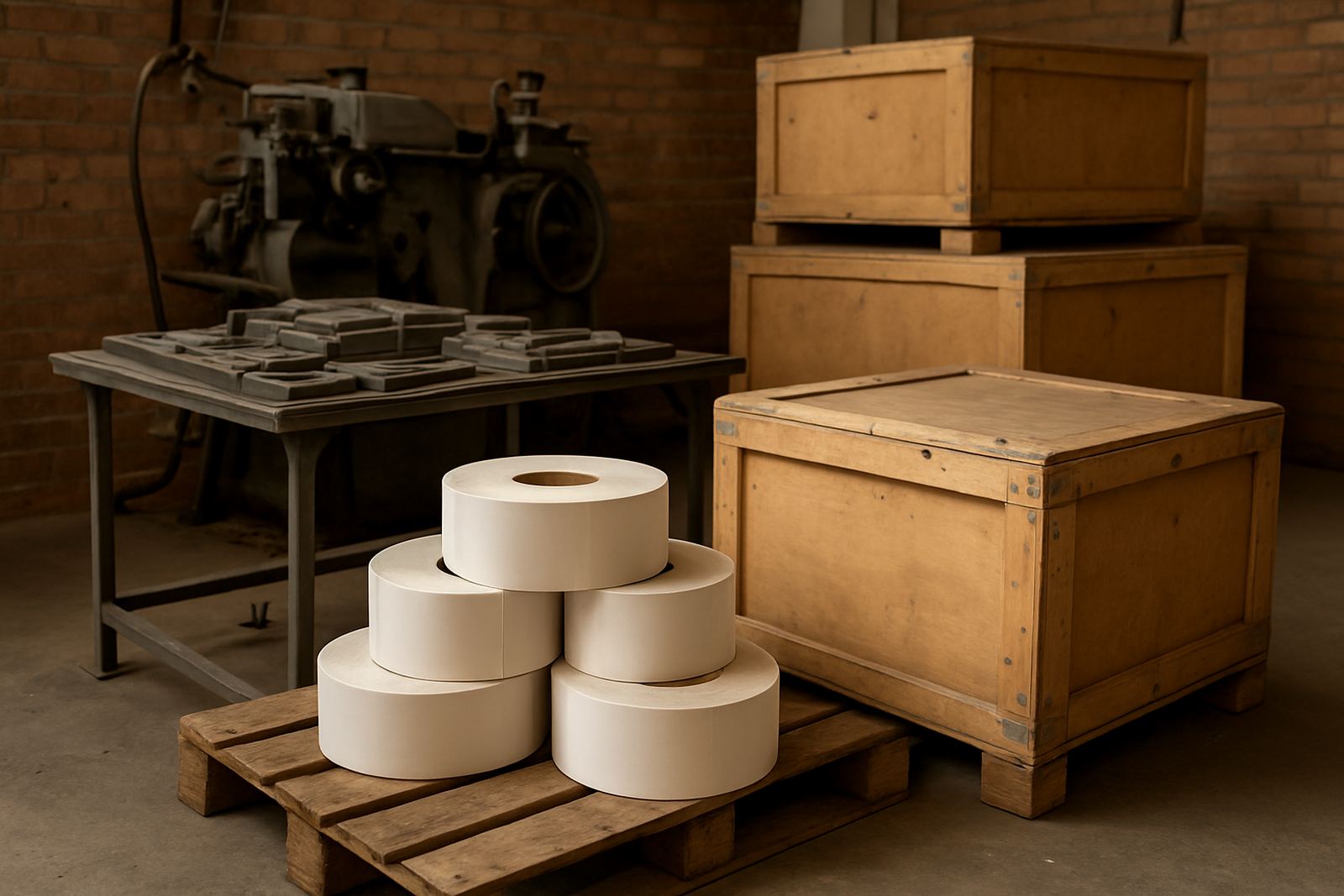
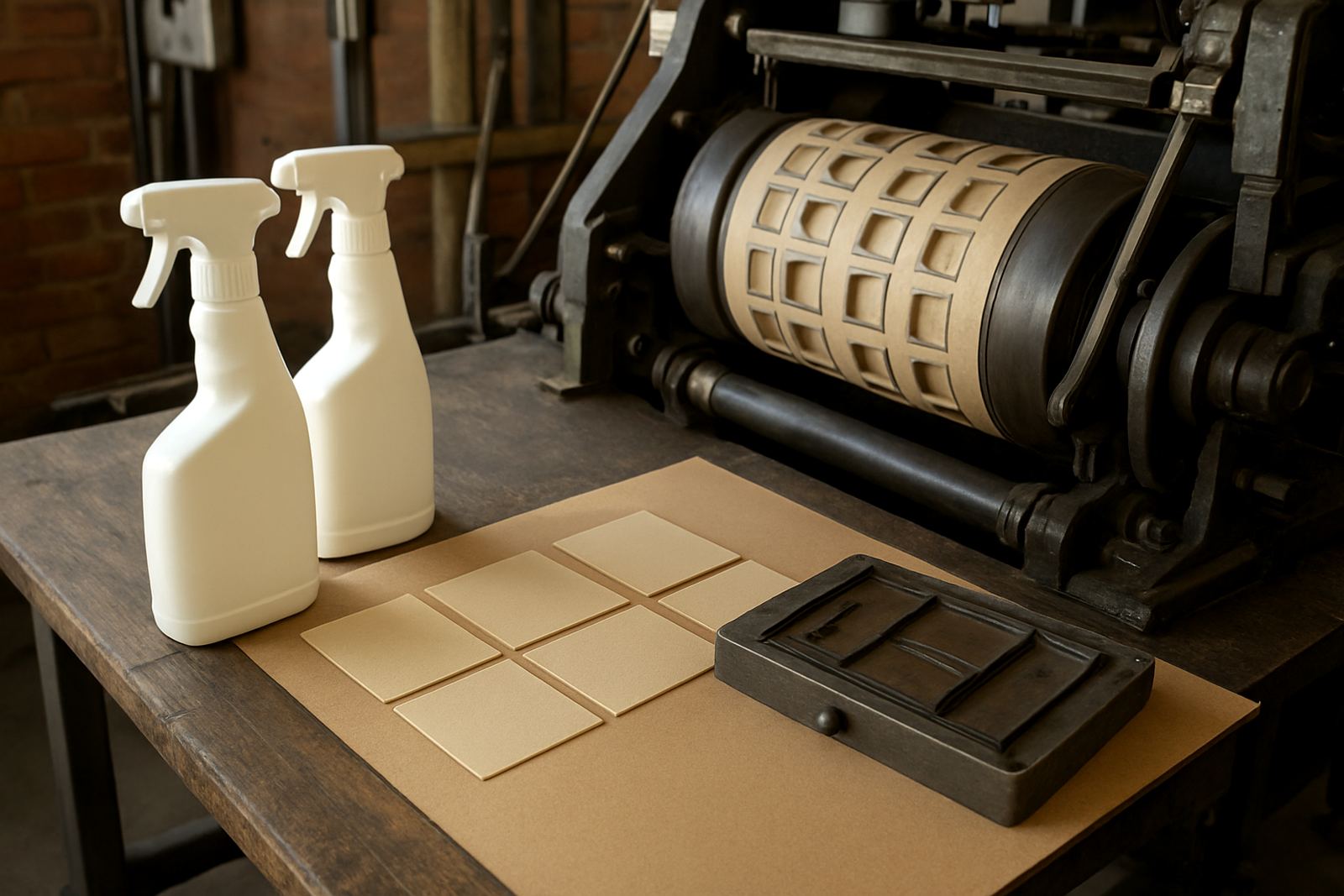
Matching a label job to the right tooling comes down to the print format, repeat and press setup. Some work calls for a rotary solid die, some needs a flexible magnetic die, and some runs need a magnetic cylinder with tight repeat control. The right choice depends on substrate, run length, press type, finishing line speed and how often the job will come back.
When the application is new or tricky, we look at the printed material, adhesive, liner and final label shape before we recommend a route. If a job is already running, we compare the old sample against the current press setup and check whether the issue is wear, repeat drift or handling damage.
What Shows Up In A Typical Label Die Job
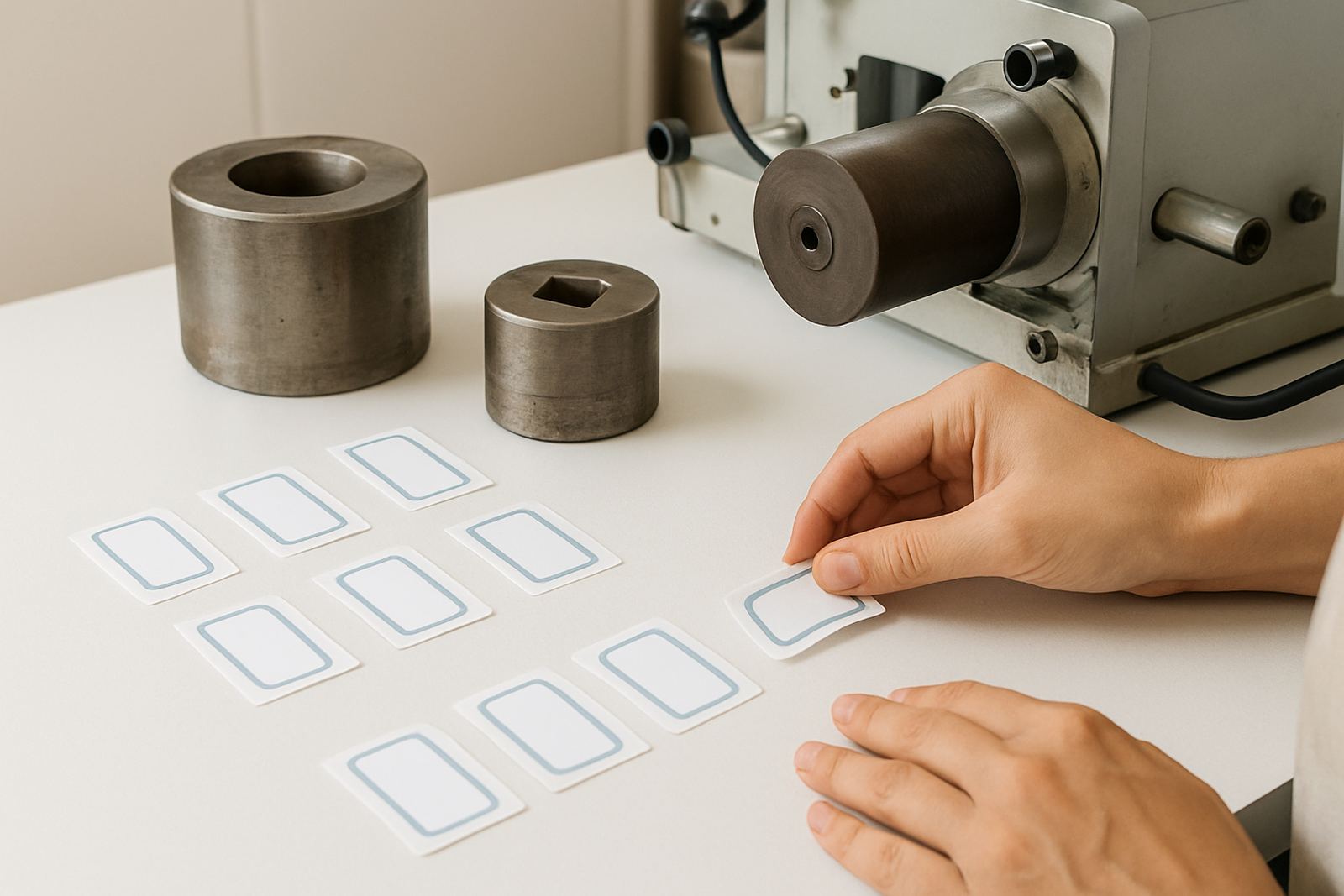
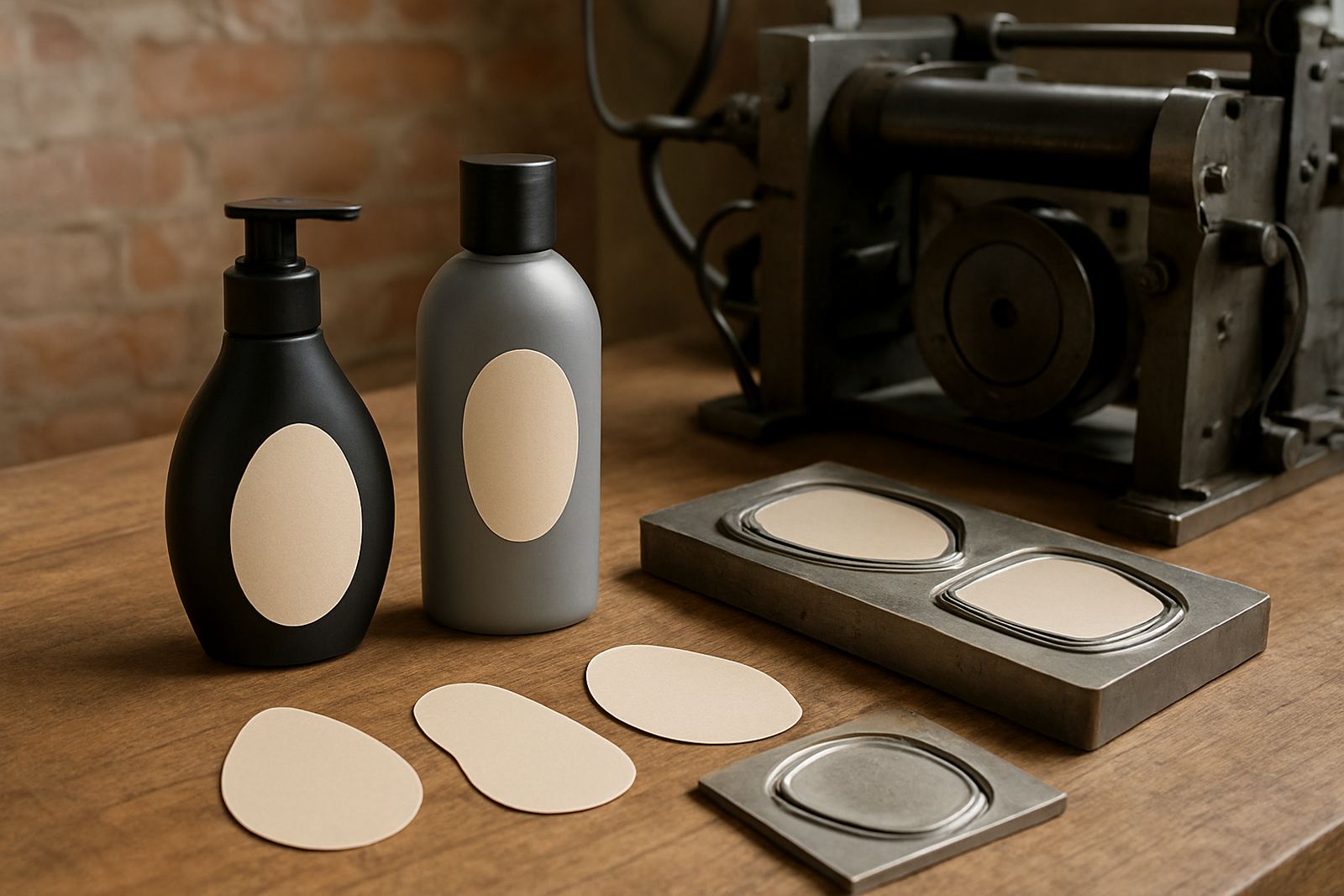
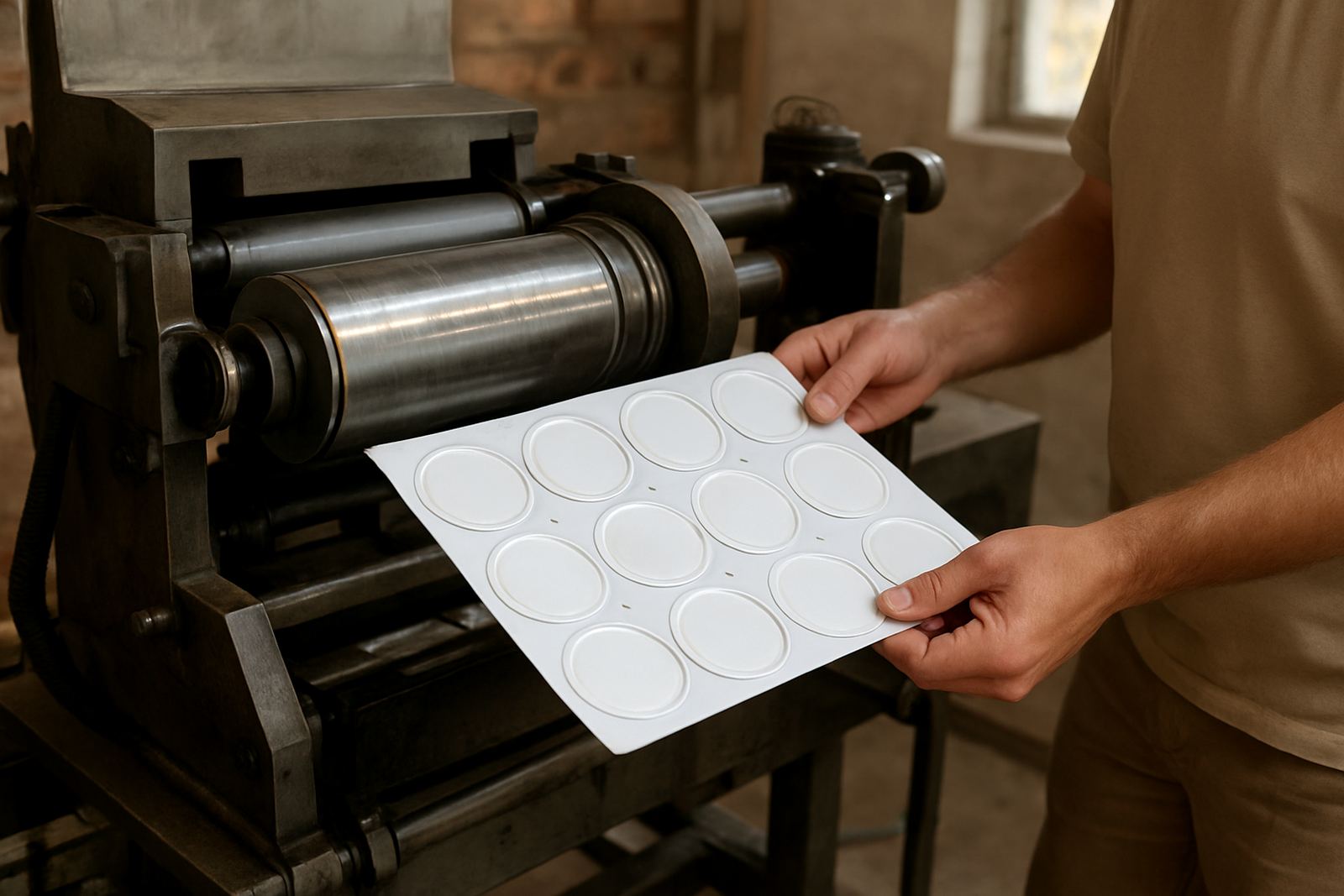
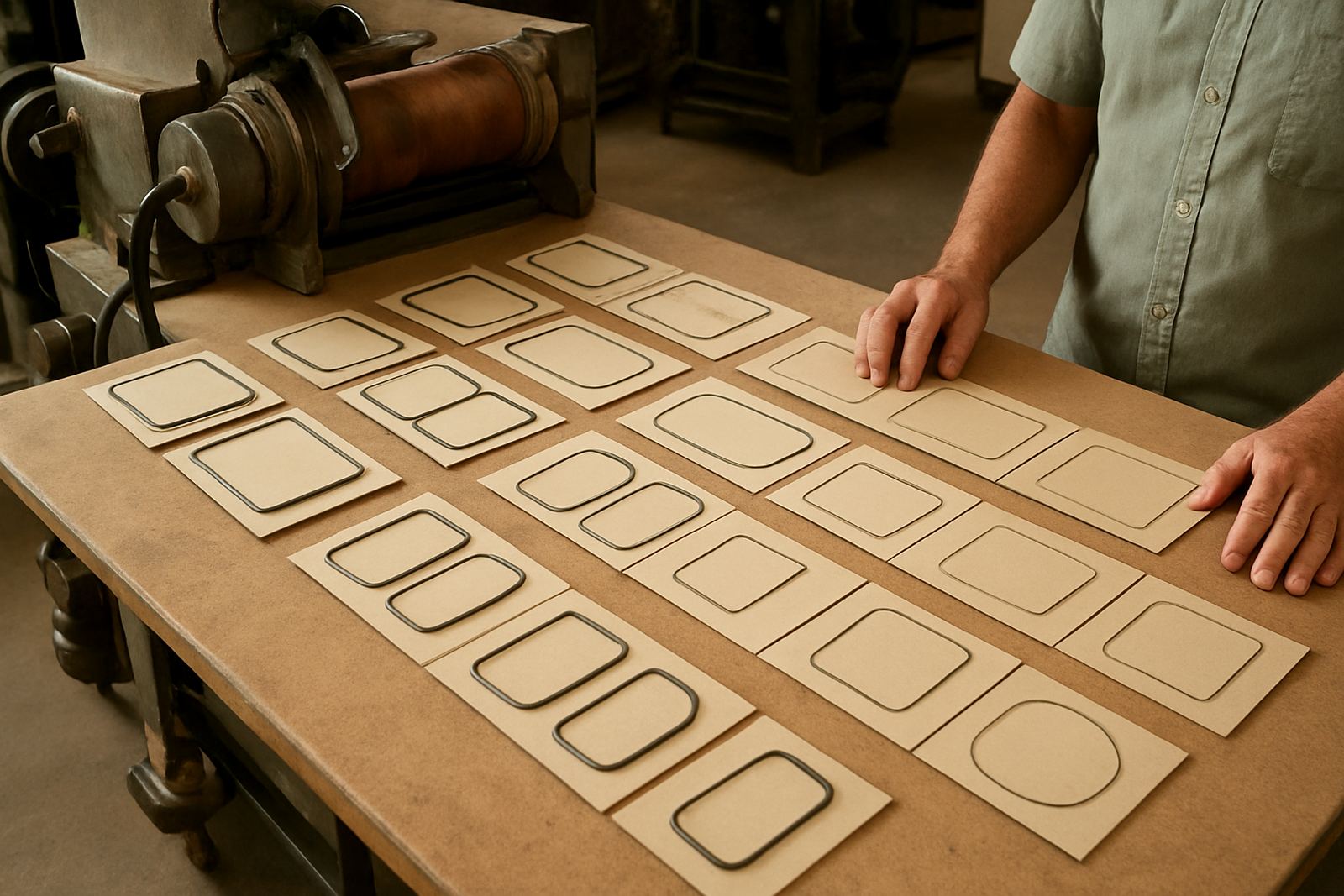
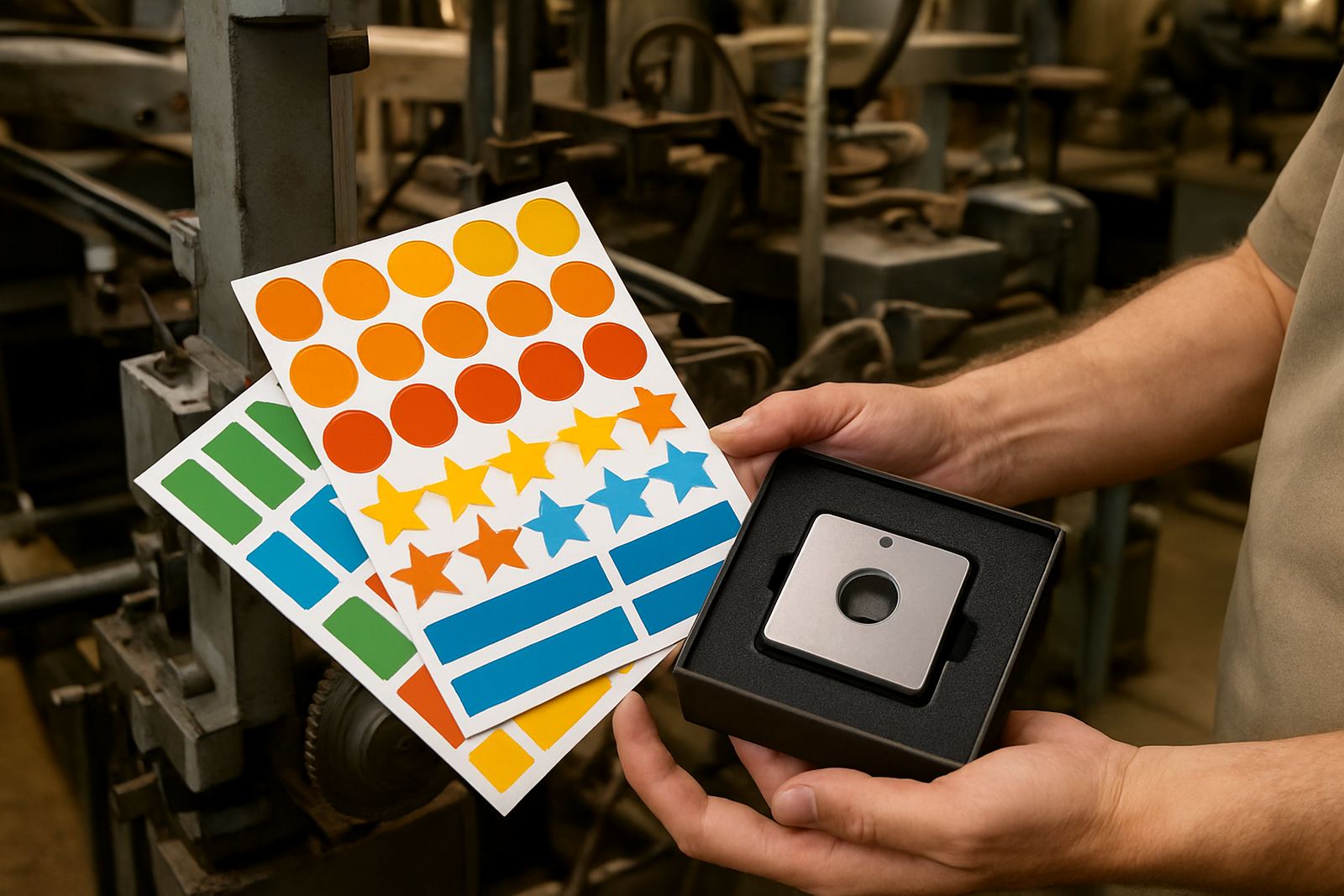
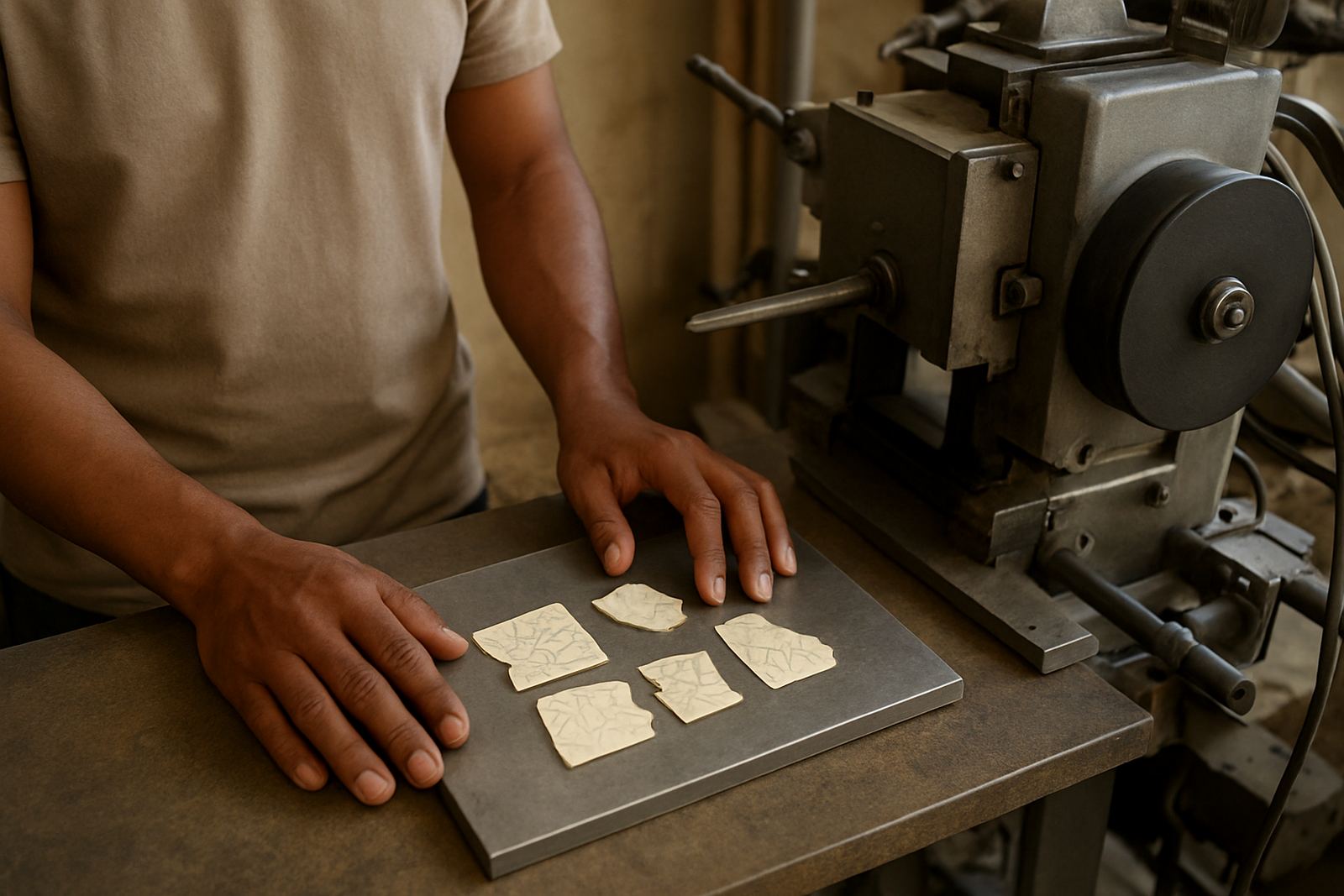
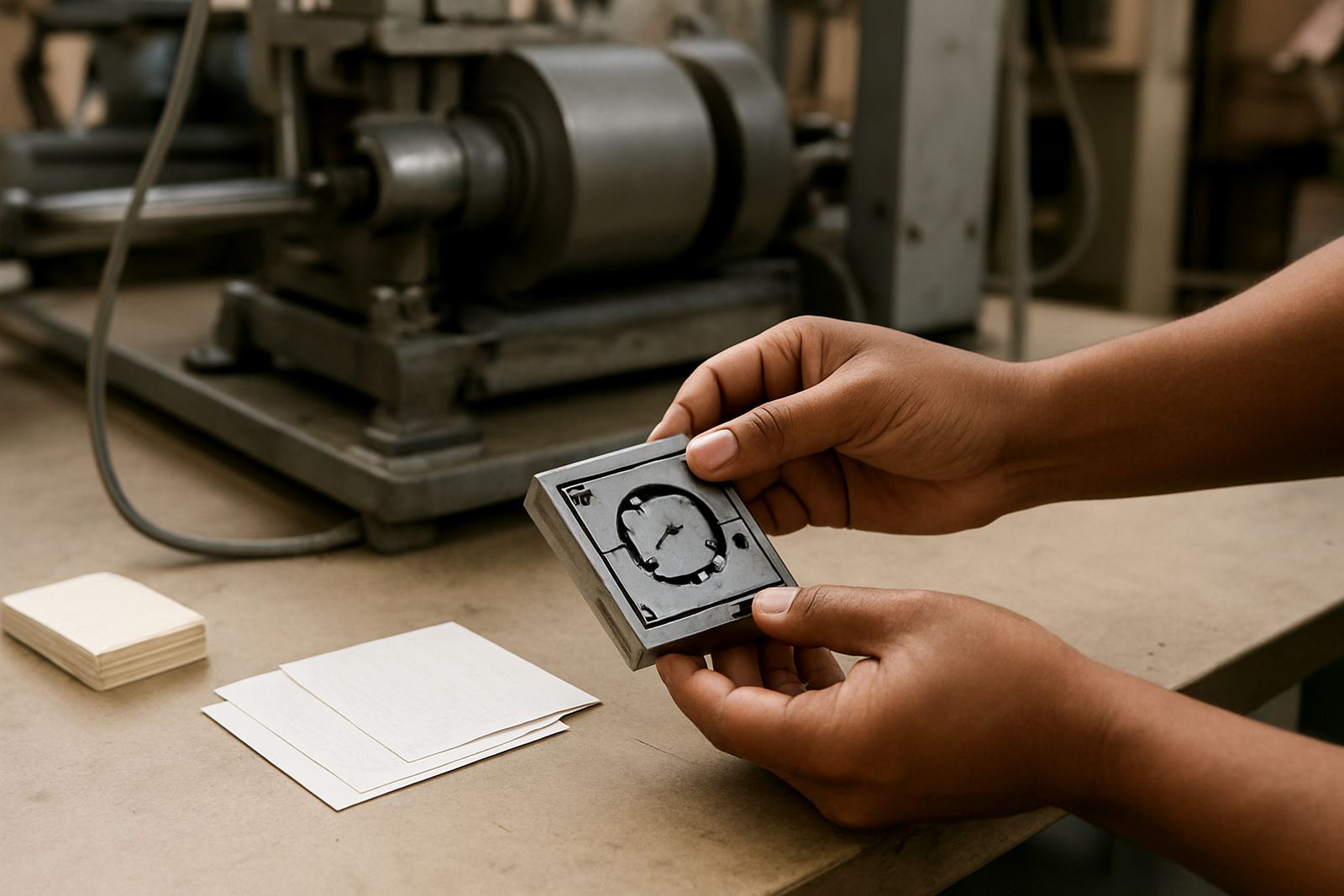
Most jobs start with a sample pack, a cutter file or a finished label sample from the printer. From there we confirm the dimensions, the corner radius, the kiss depth and any tight tolerances around registration marks or peel edges. Small changes can make a big difference, especially on high volume work where even a slight burr or uneven cut causes stoppages.
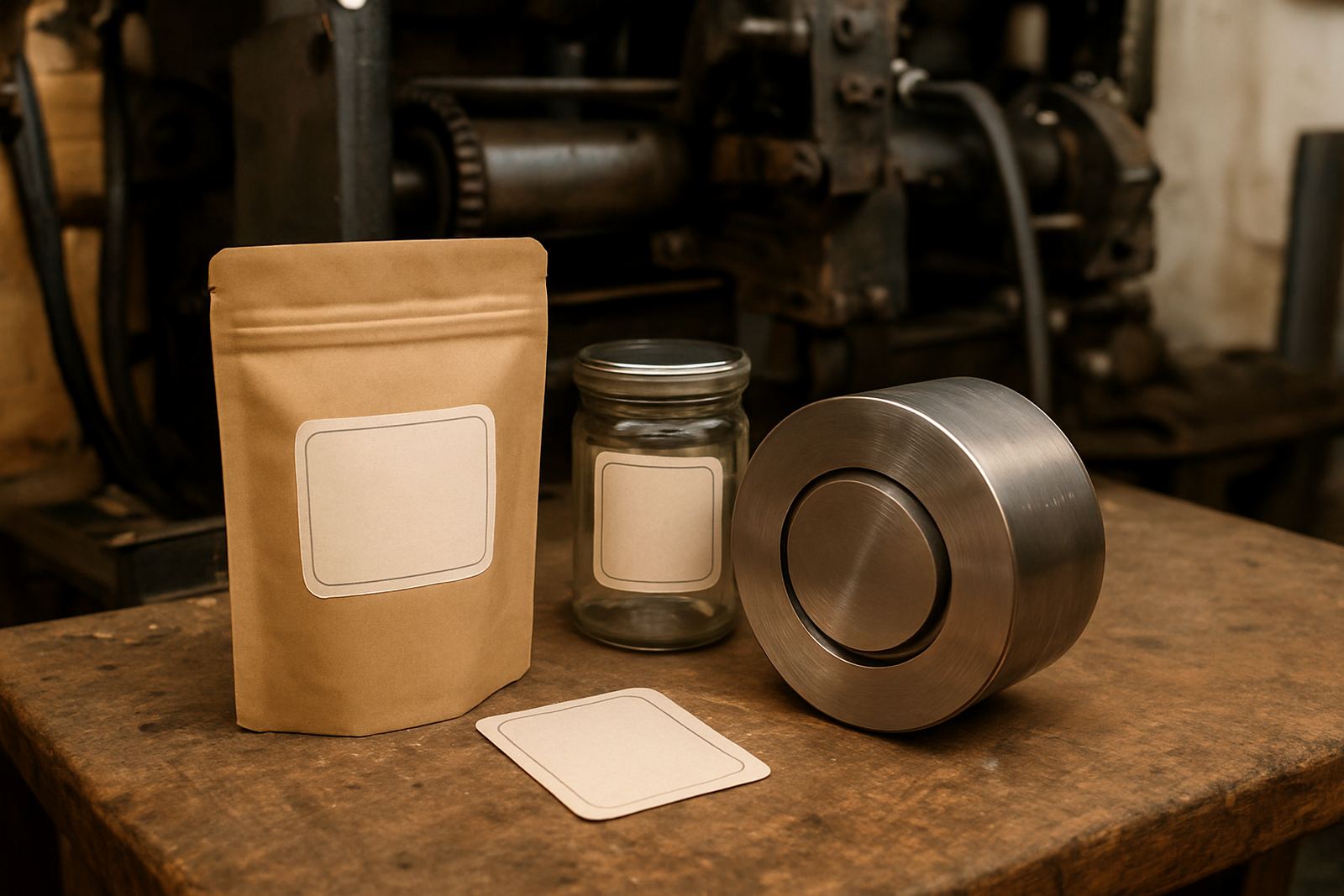
- Rotary solid dies for longer runs and heavier duty converting
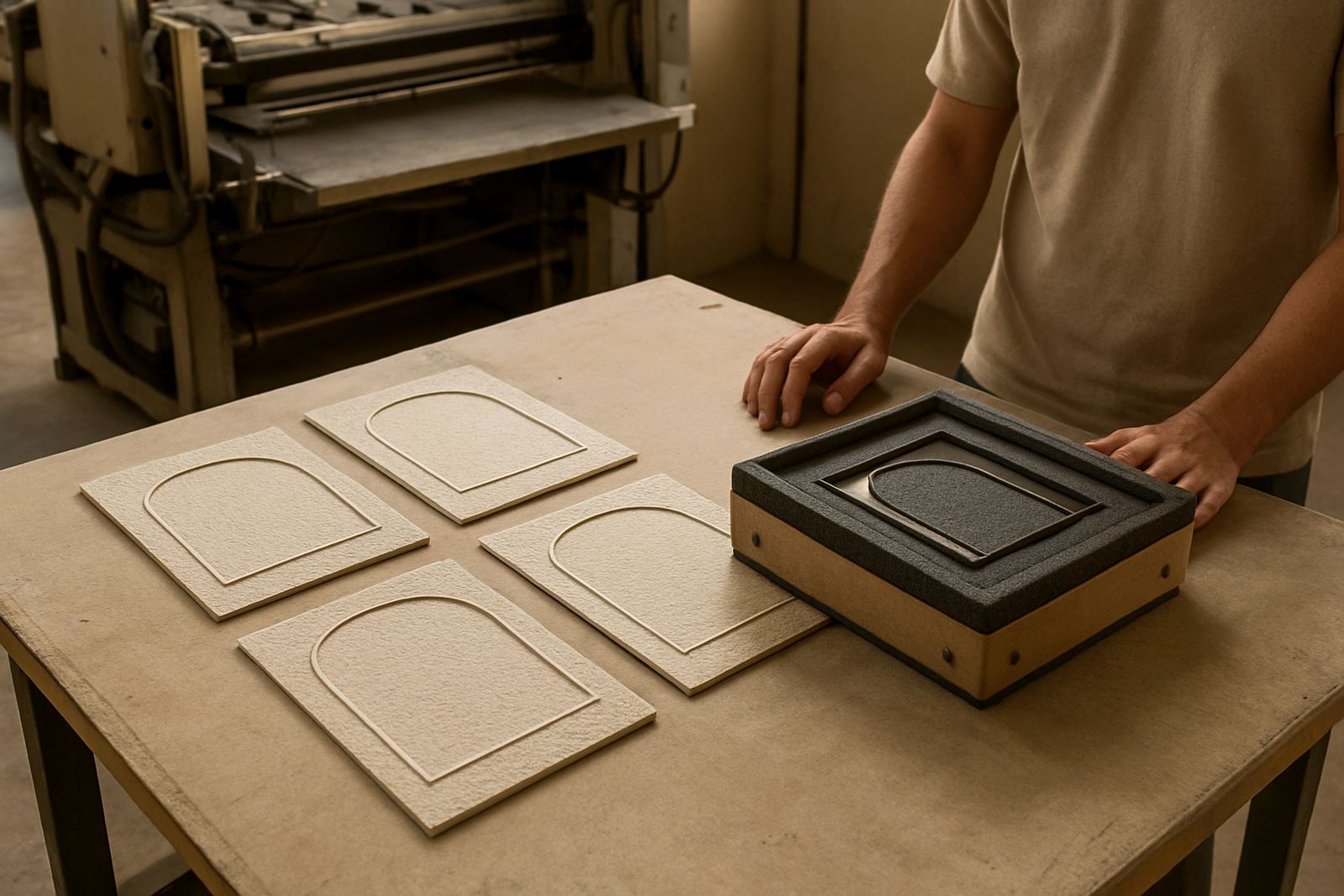
- Flexible magnetic dies for changeovers and shorter label batches
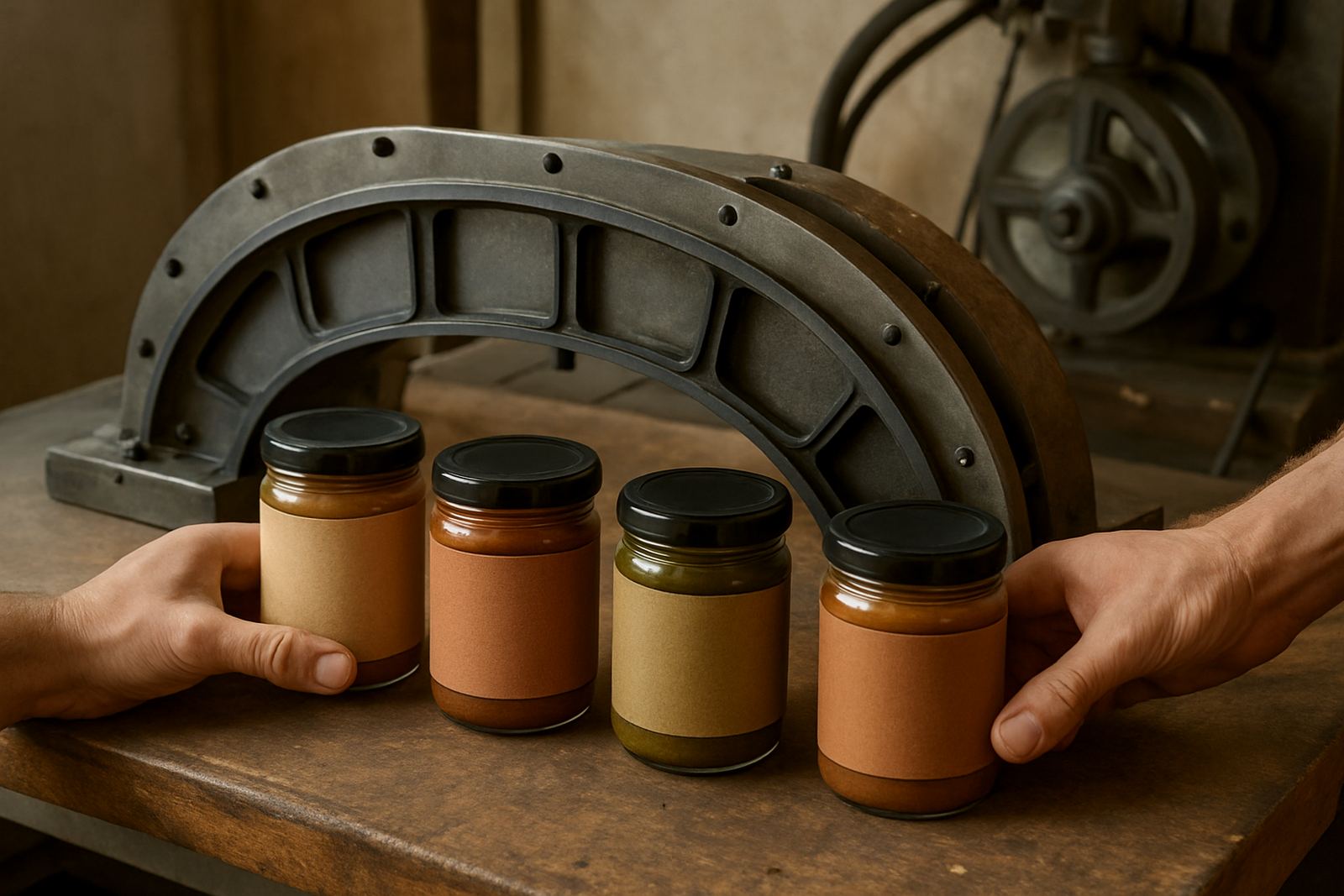
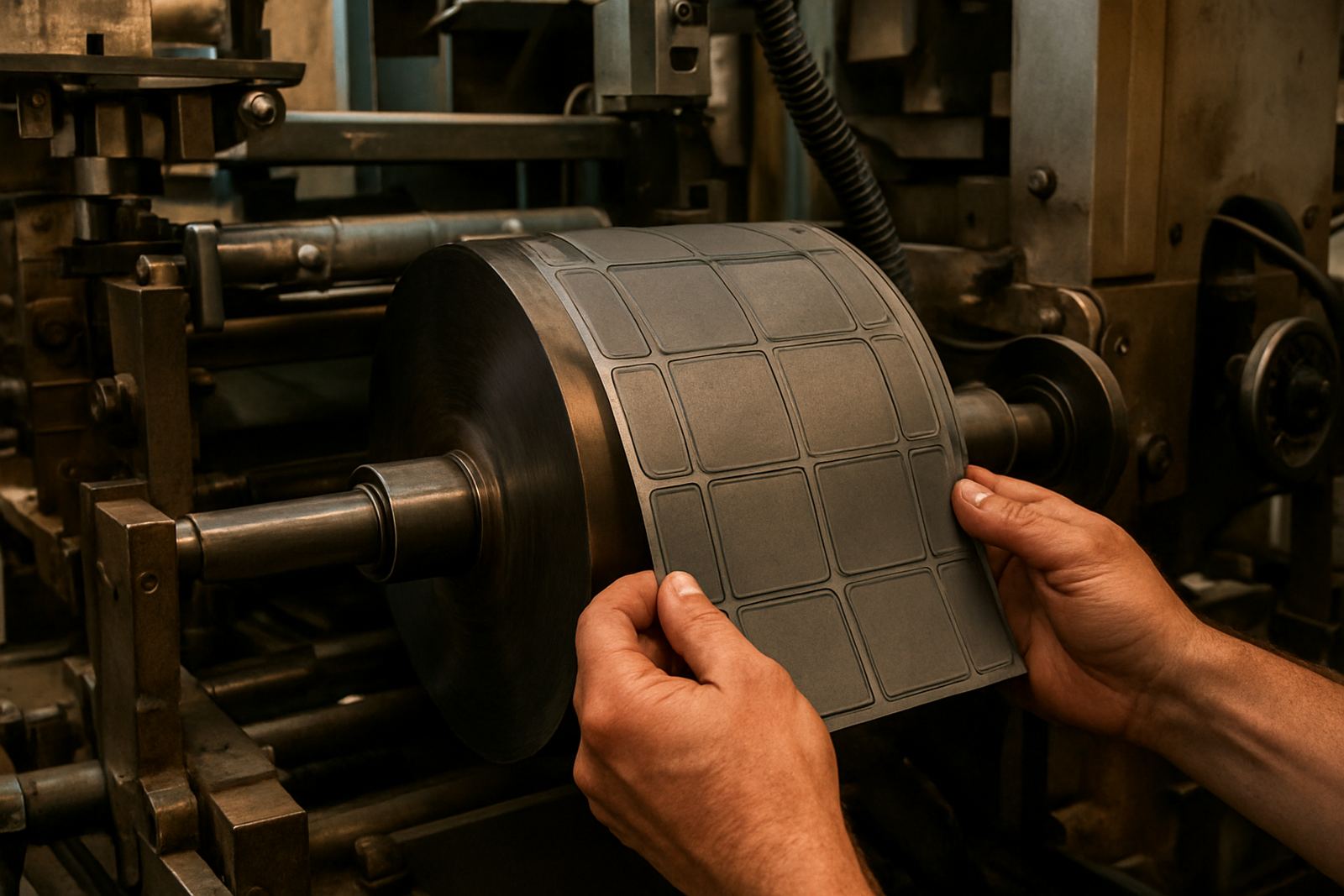
- Magnetic cylinders for repeat work and stable press performance
- Refurb and regrind work when a good tool has worn but still has value
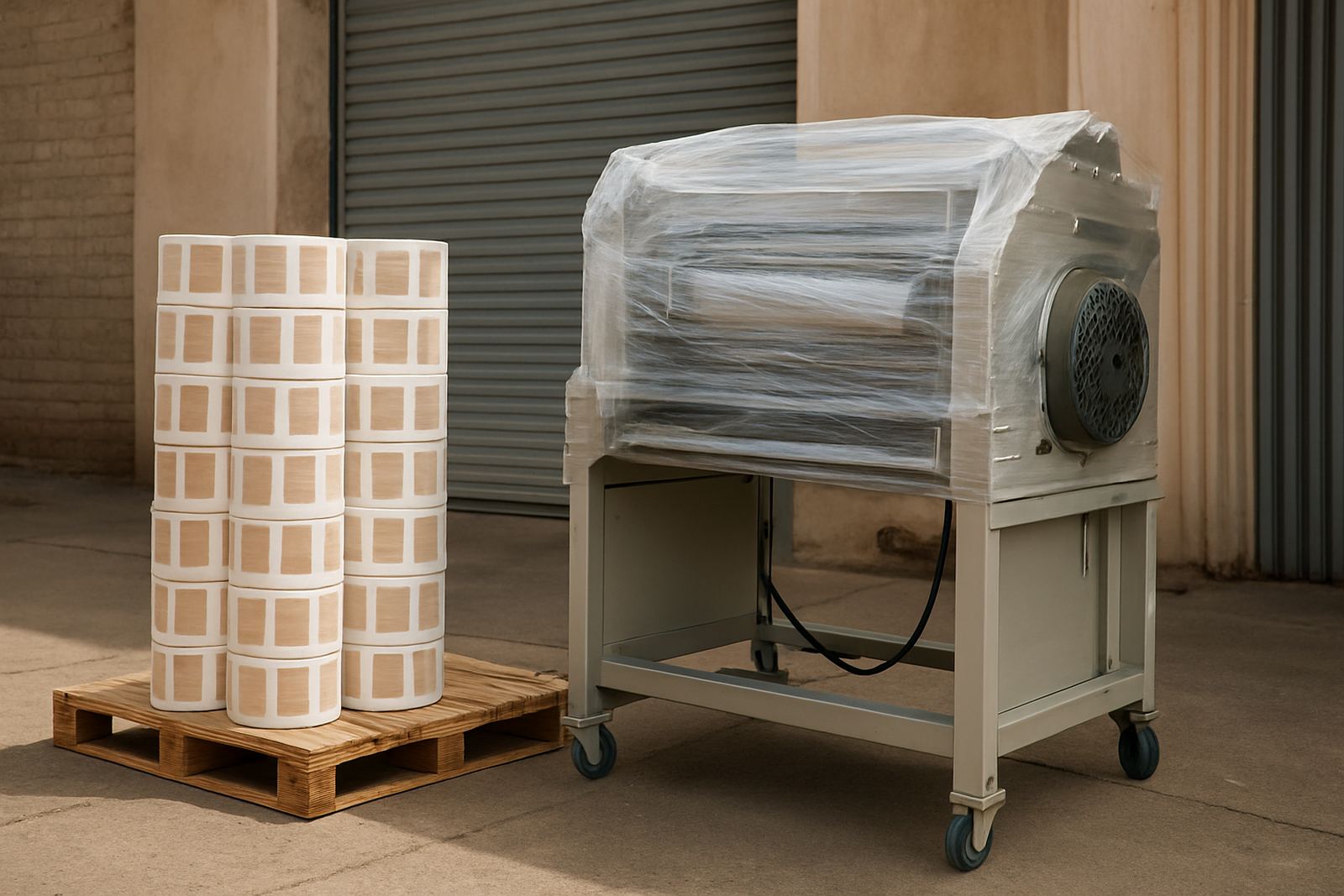
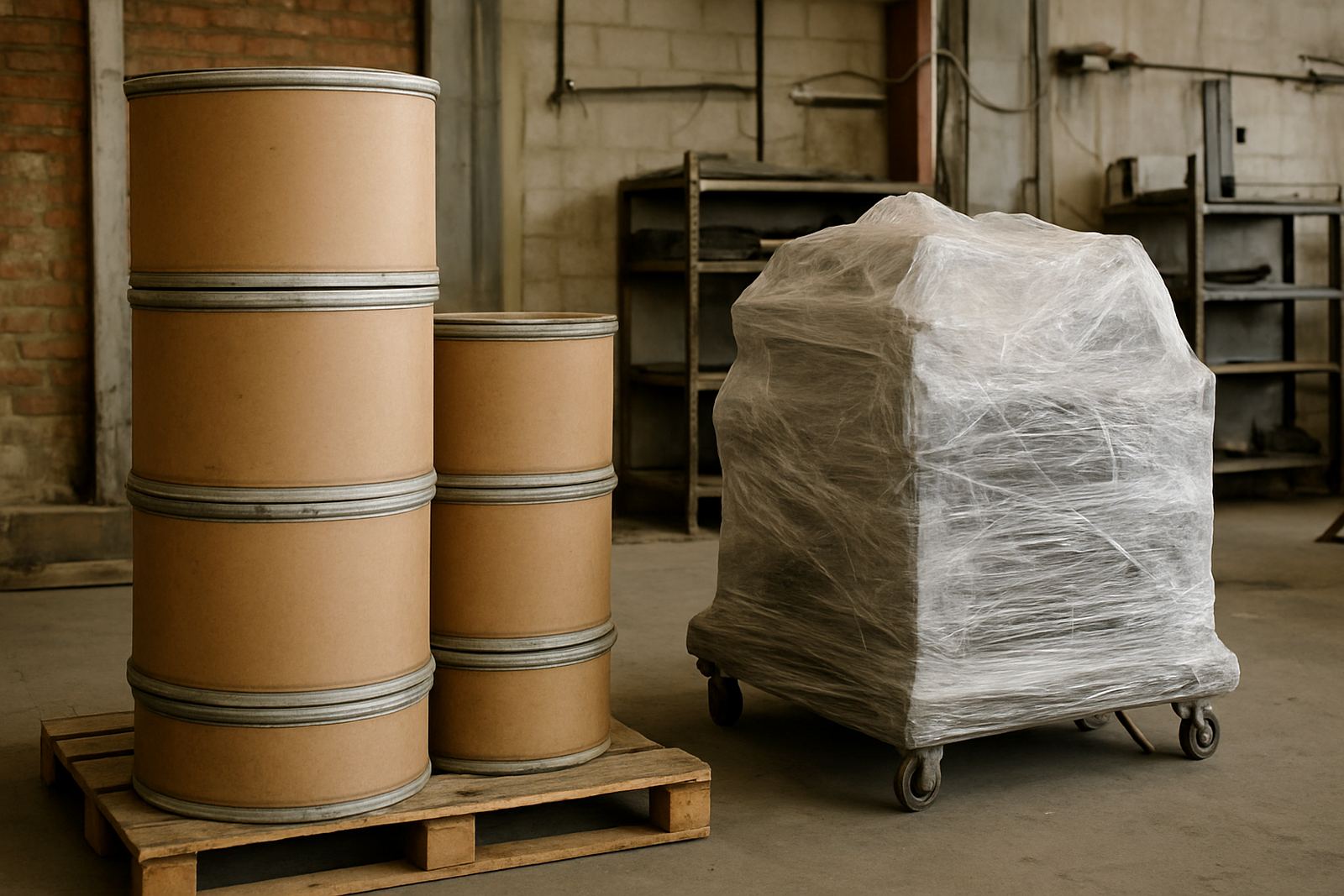
We also check for practical issues like build up on the knife face, magnet grip, and whether the finished roll will pack cleanly for dispatch. On coastal jobs, humidity can affect storage and handling a bit, so we factor that in too.
When Repeat Matching Saves Time And Rand
A lot of our repeat work comes from printers who already know the label, but need the tooling brought back into spec. That might be after a long production run, a press move, or a change in substrate that exposed a small mismatch. In these cases we compare the existing die, confirm the repeat, and assess if a regrind, cylinder refurb or full remake is the better call.
Repeat matching is often the quickest route when a brand keeps the same artwork but changes a lining stock or adhesive. It helps reduce spoilage and keeps makeready shorter, which matters when production windows are tight and load-shedding has already eaten into the shift plan.
Urgent Remakes For Presses Under Pressure
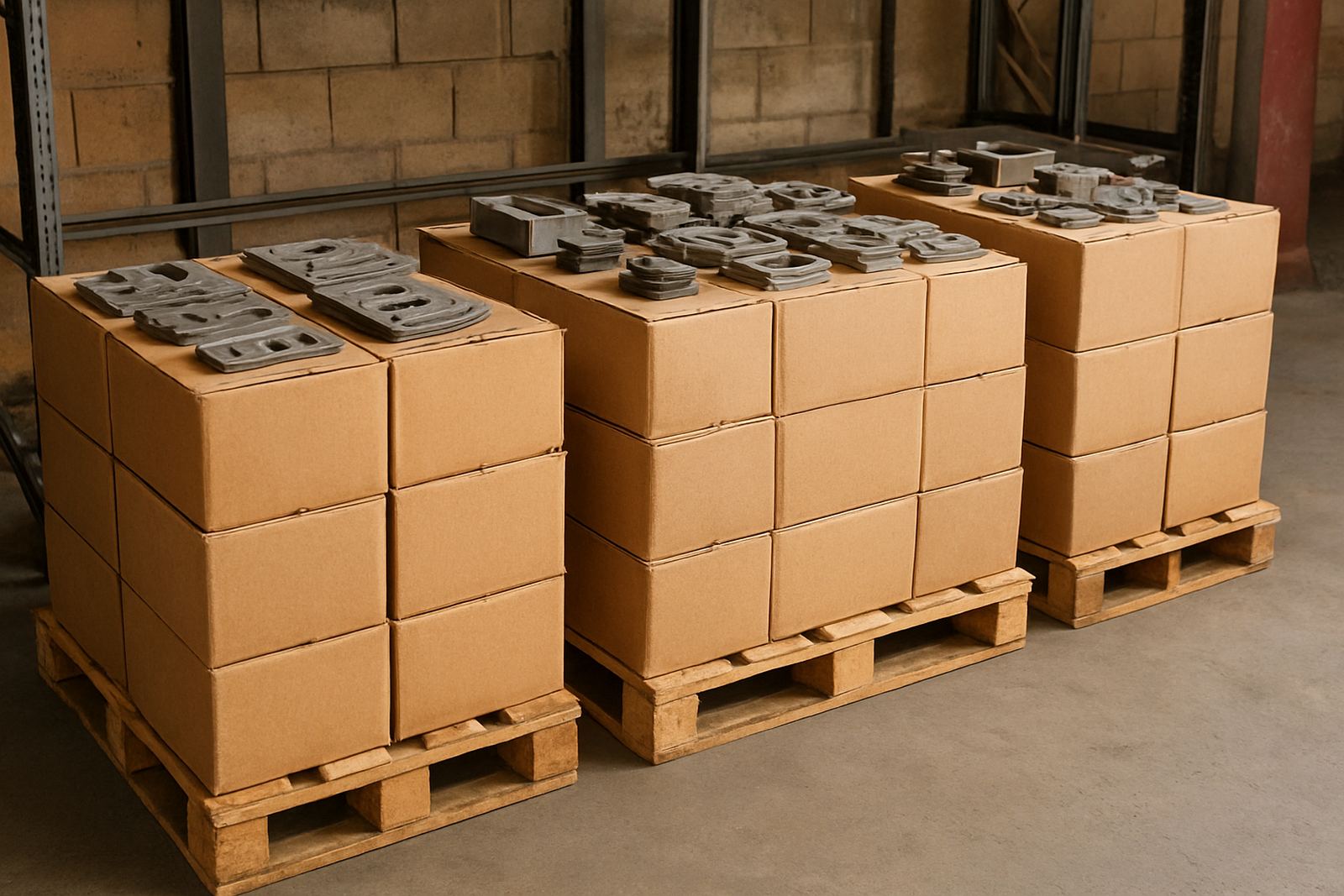
Some jobs cannot wait. A die may chip, a magnetic cylinder may show wear or a job may be due for dispatch before the weekend. For those cases we handle urgent remakes with clear job notes, CAD proofing and delivery coordination from Wadeville, Germiston to Johannesburg, Pretoria, Durban, Pinetown, Cape Town, Bellville and Gqeberha.
- Fast confirmation of measurements and artwork notes
- Production scheduling around the existing queue
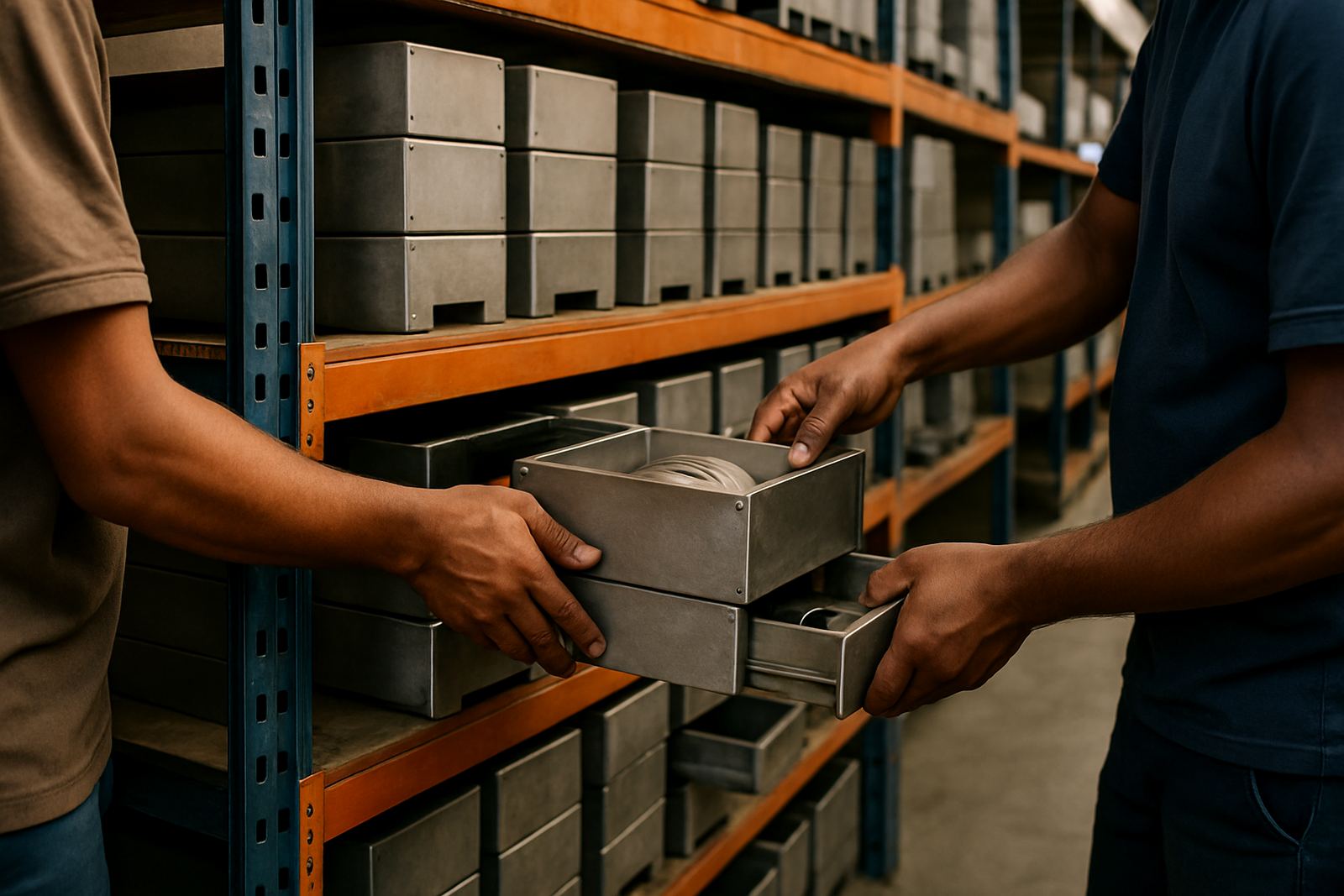
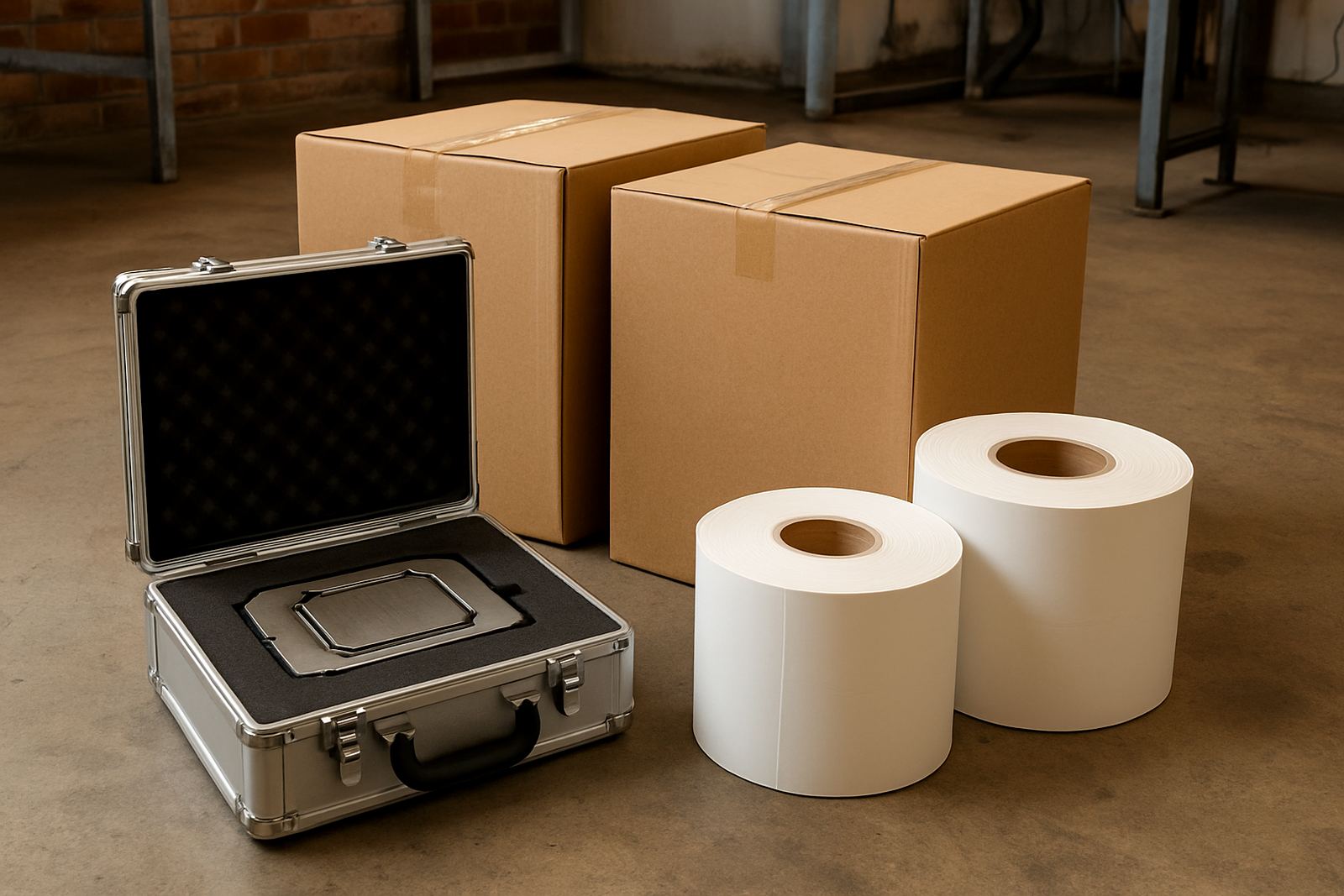
- Packing that protects cutting edges and magnet faces
- Dispatch updates so the right team knows when it is due in
Urgent work still gets checked properly. Speed matters, but a rushed tool that lands on press and fails costs more than taking a few extra minutes to verify the spec.
Cylinder Refurb And Die Regrind In Real Use
Not every worn tool needs replacing. In many cases a cylinder refurb or die regrind restores the cutting profile and gets the job back into production at a sensible cost. This is especially useful for repeat labels with stable artwork, where the base tooling is still sound and only the working edge has taken wear.
Our technical team checks bearer setting, magnet condition and the wear pattern before we recommend the next step. If the tool has been misaligned on press, that can show as uneven wear on one side, so we look at the full picture not just the damaged edge.
What To Choose For Your Next Job
If you are comparing options, start with the job size and press type. Rotary solid dies suit heavier duty, longer life applications. Flexible magnetic dies are often the practical choice for shorter runs, quick changeovers and jobs that need easier handling. Magnetic cylinders are best when repeat accuracy and press stability are top priority.
Our production team in Wadeville works with printers and converters across South Africa, and the support process stays practical from first query to dispatch. Thandiwe manages production flow, Nirasha handles CAD proofing, Ruhan assists with technical sales, Siyanda oversees the machine shop, Anele coordinates packing and delivery, and Marius signs off the business direction.
- Send the label sample or cutter file with clear dimensions
- Tell us the press type, substrate and expected run length
- Note any repeat issues, wear or past remake history
- Ask for stock advice if you need help choosing the right tool
Why These Jobs Matter To Daily Production
Good tooling keeps label lines moving, especially when orders are split across multiple plants or delivery points. A cleanly made die reduces stoppage time, helps maintain cut quality and makes packing easier for the warehouse team. That matters whether the job is headed for a Germiston supply run or a delivery to Cape Town, Durban or Pretoria.
These examples are not about show pieces. They show the kind of practical work label converters and printers deal with every week, from the first proof through to a press trial and final dispatch. If you need a made to order die or a repeat match on existing tooling, we can help you choose the right route without wasting time.