

Start with the label format, not the machine
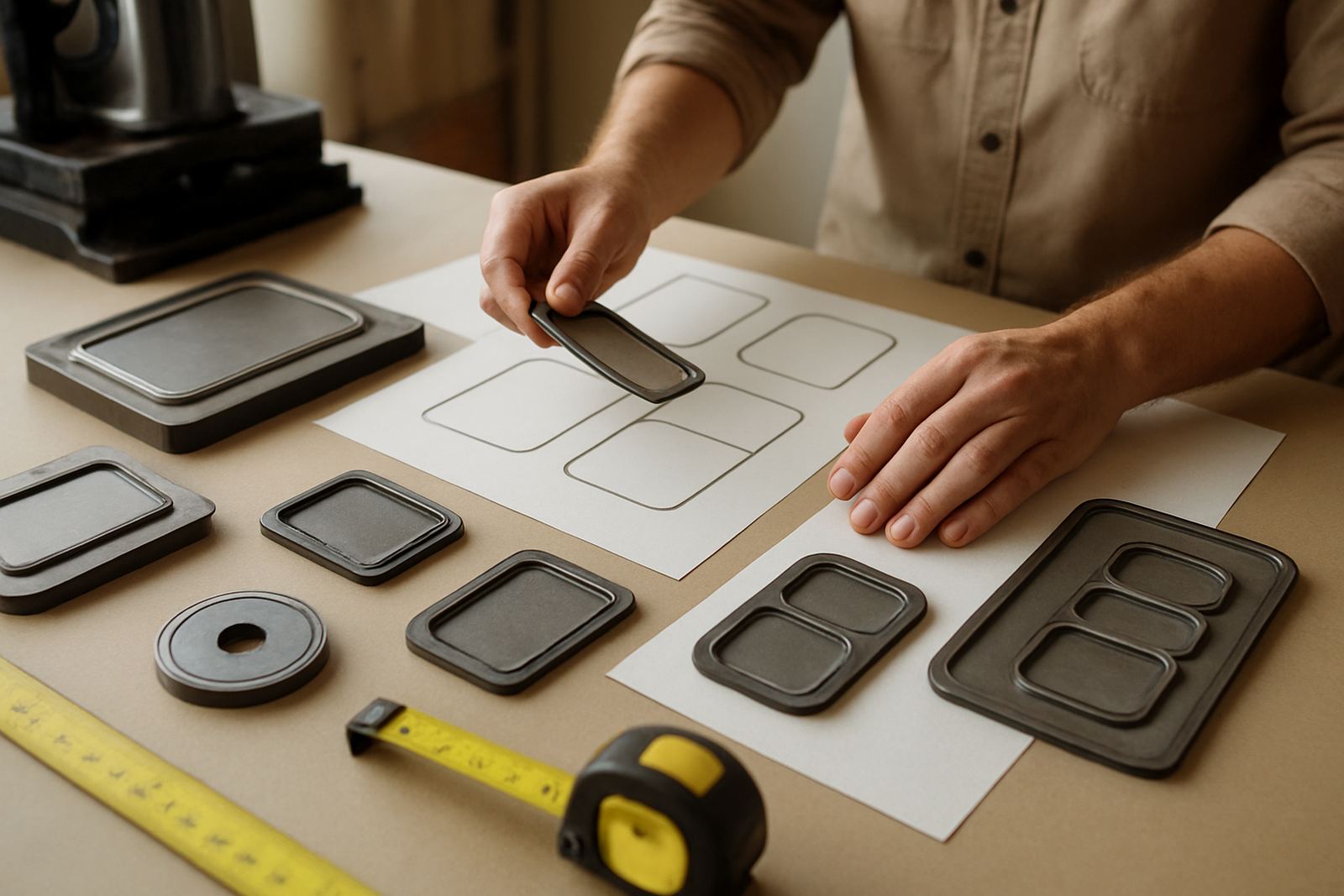
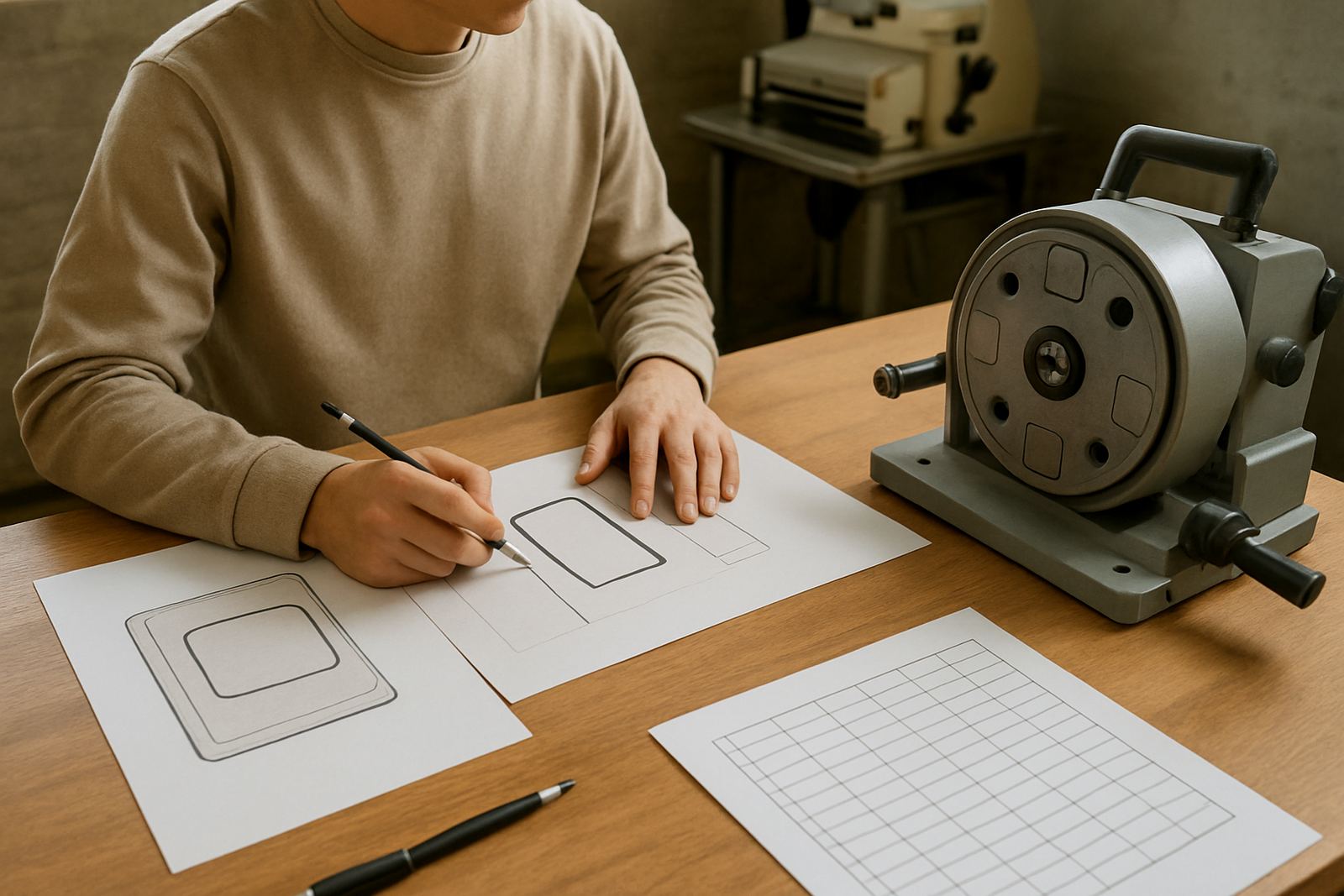
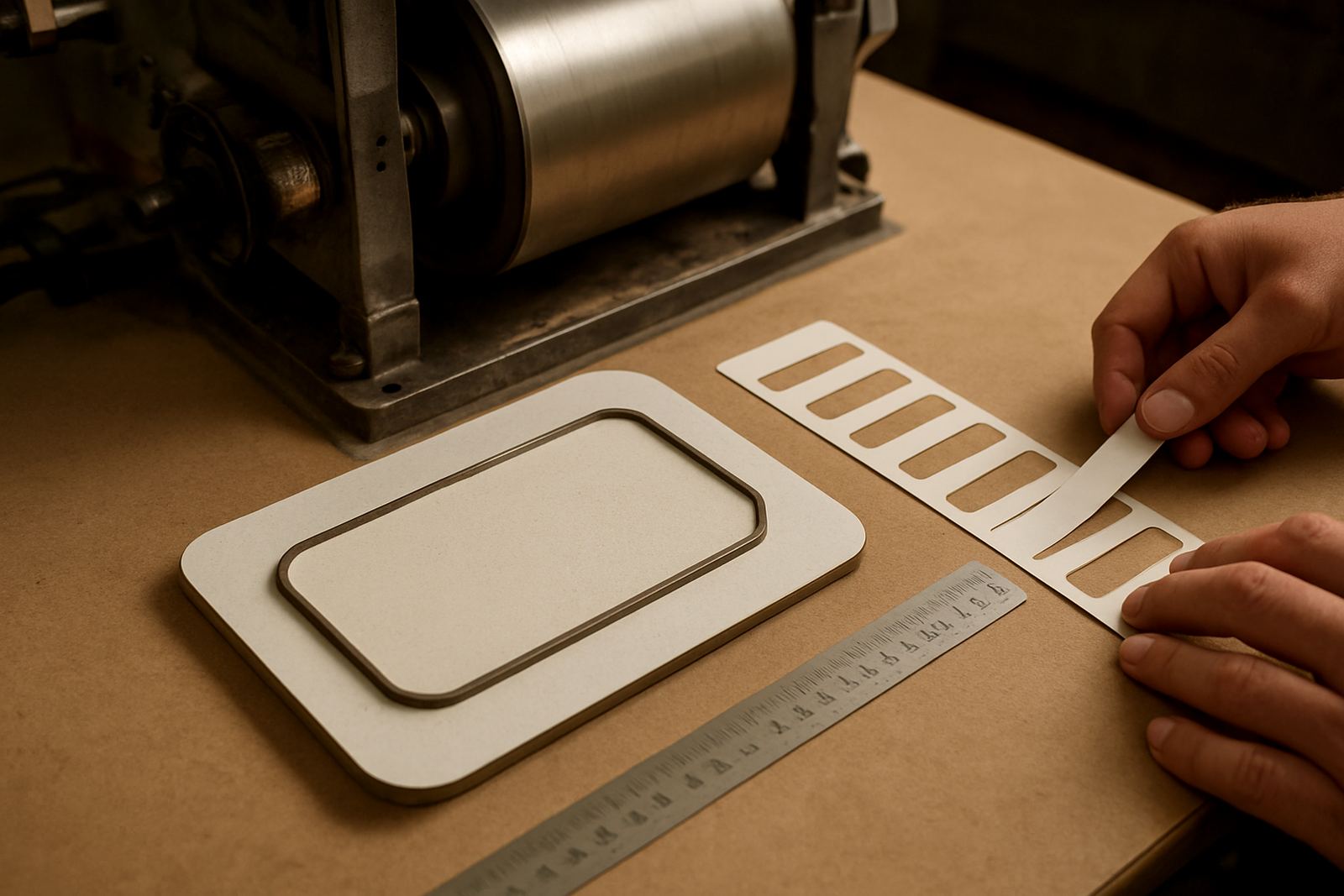
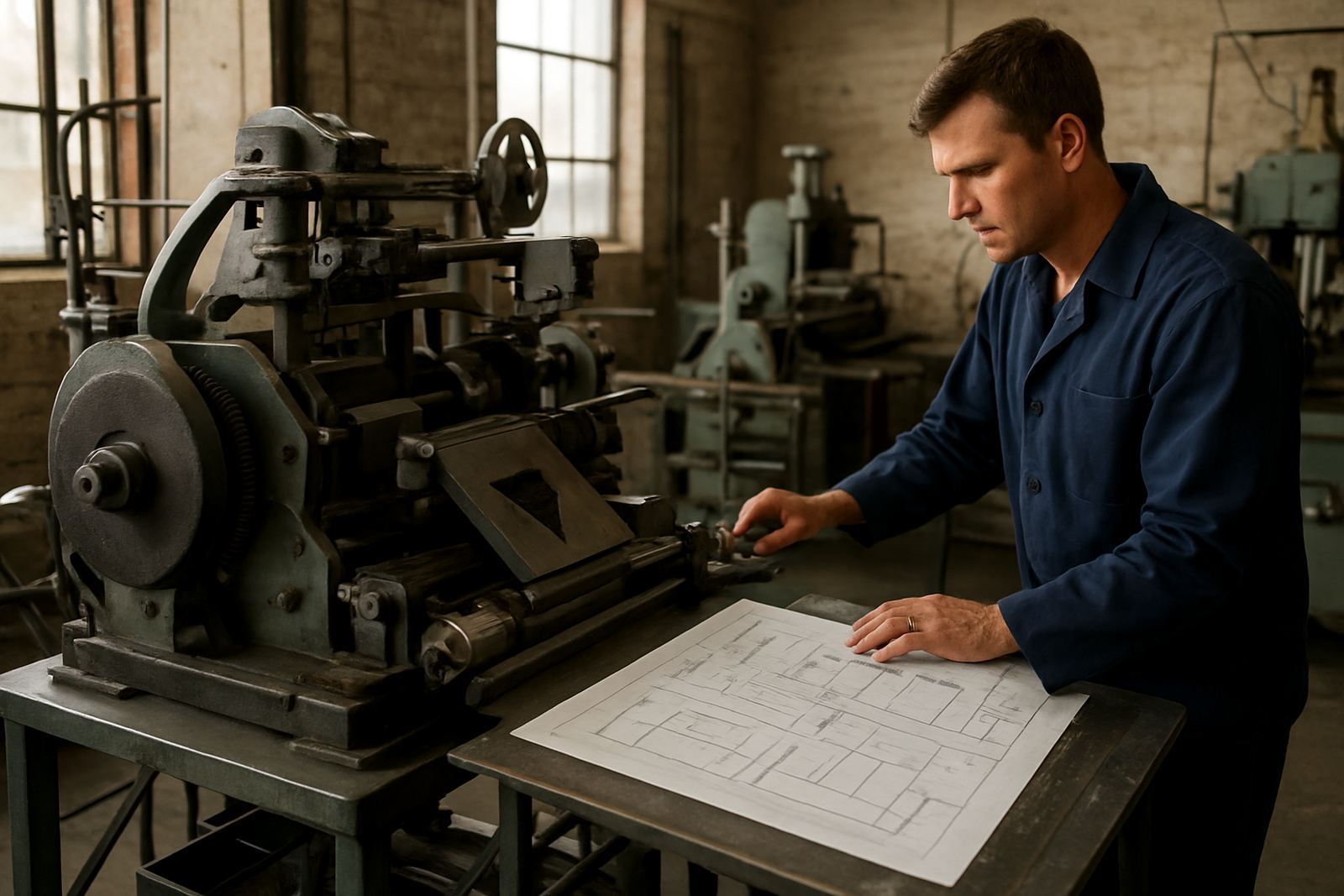
Before you ask for a die quote, pin down the label size, shape and the material you plan to run. A clean drawing with finished dimensions, corner radius, gap and repeat length saves time, and it reduces the chance of a die that looks fine on paper but fights the press on the floor.
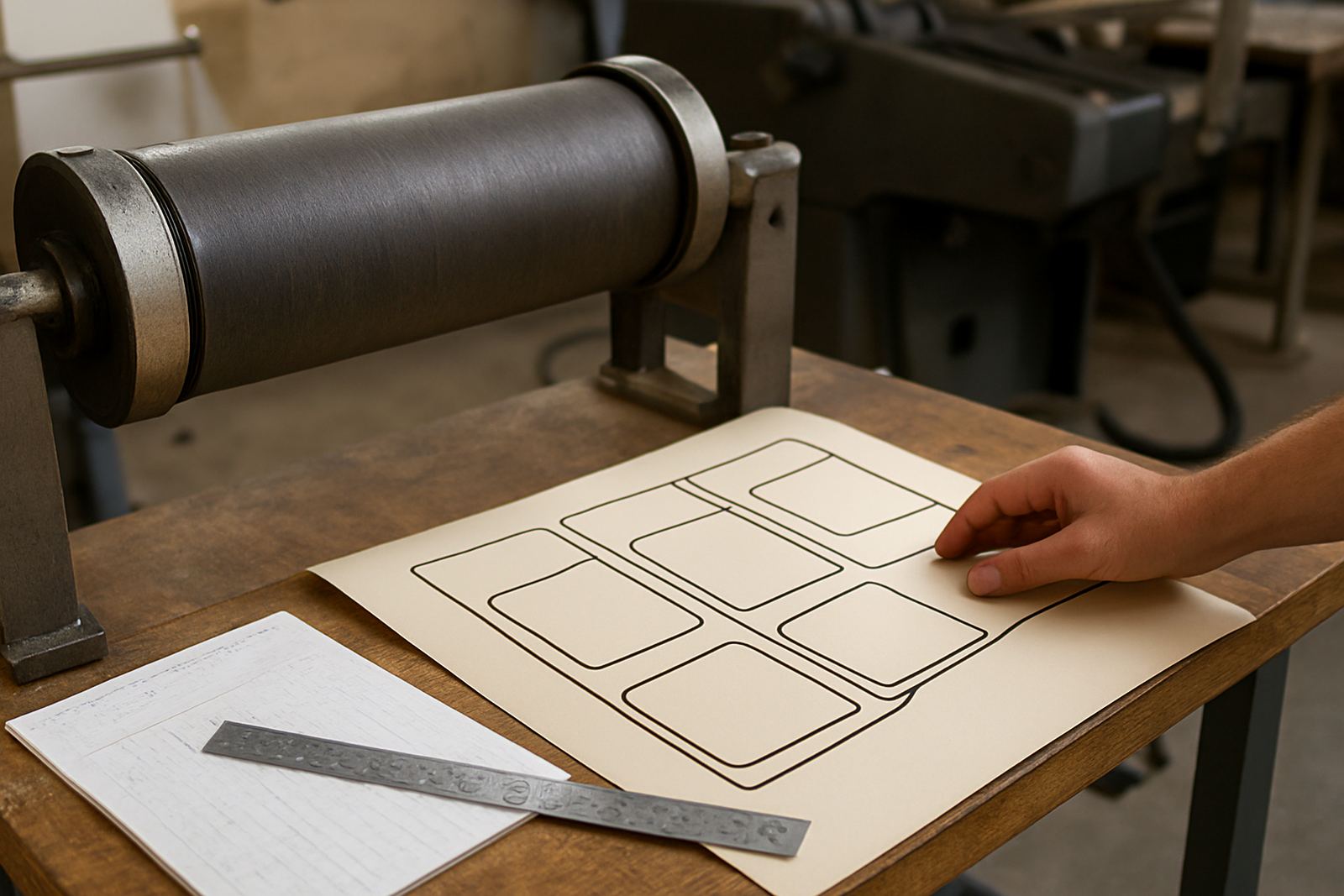
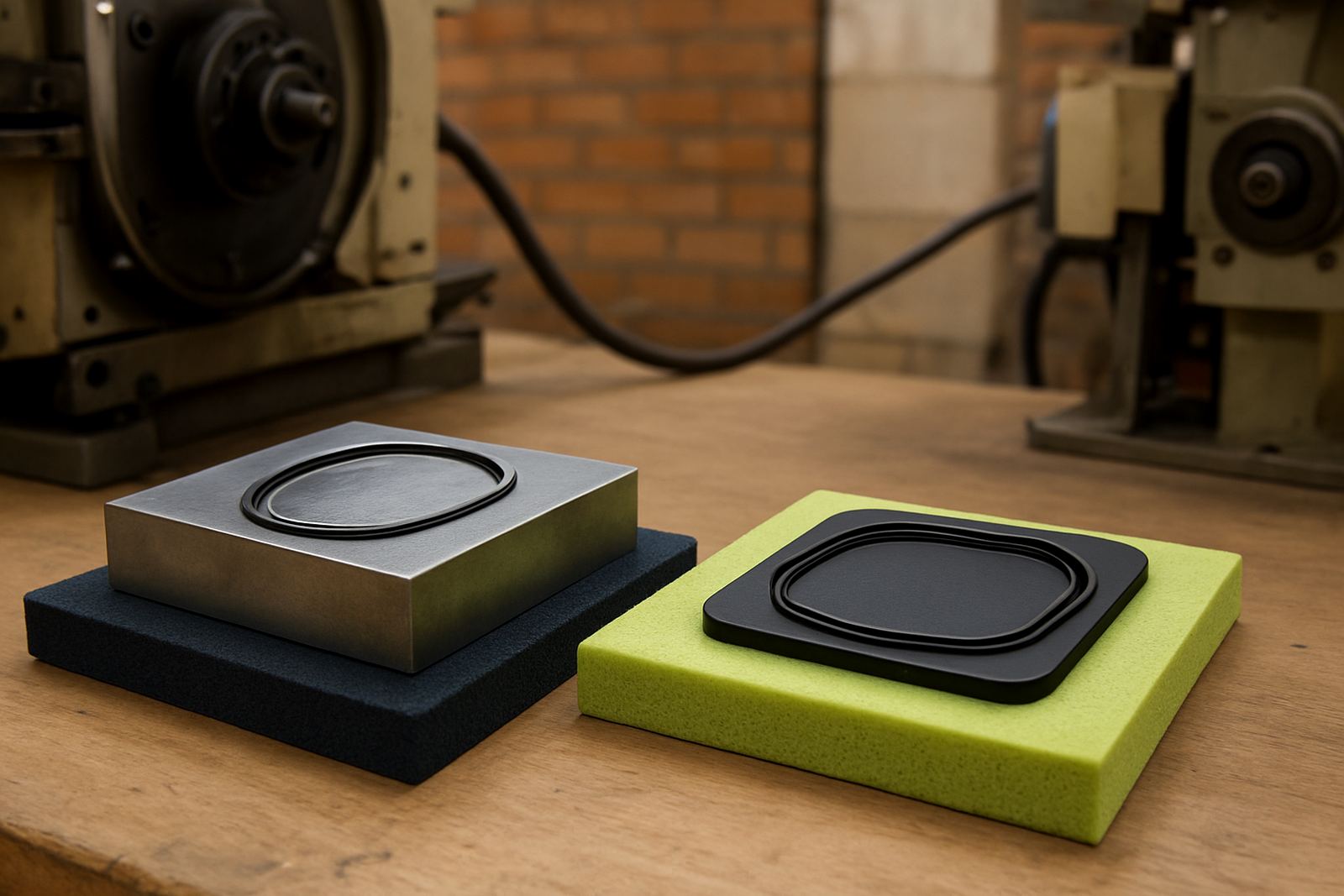
For Johannesburg short runs, Durban export work or Cape Town retail labels, the first question is usually the same: what must come off the press without fuss. If the artwork changes often, a flexible magnetic die may suit the job better. If the job is long and the spec must stay tight, a rotary solid die or magnetic cylinder can be the better call.
When to choose rotary solid dies, magnetic dies or cylinders
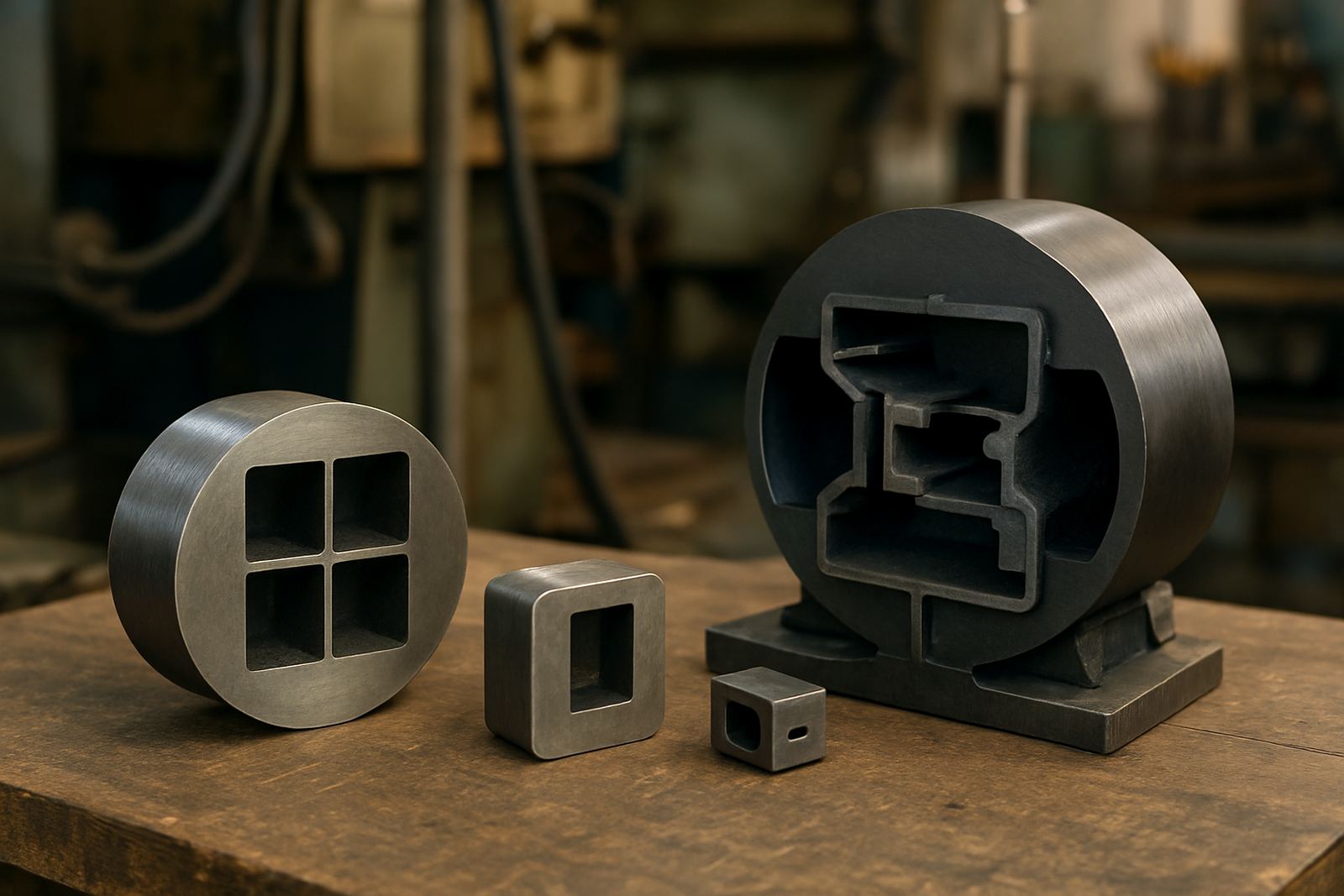
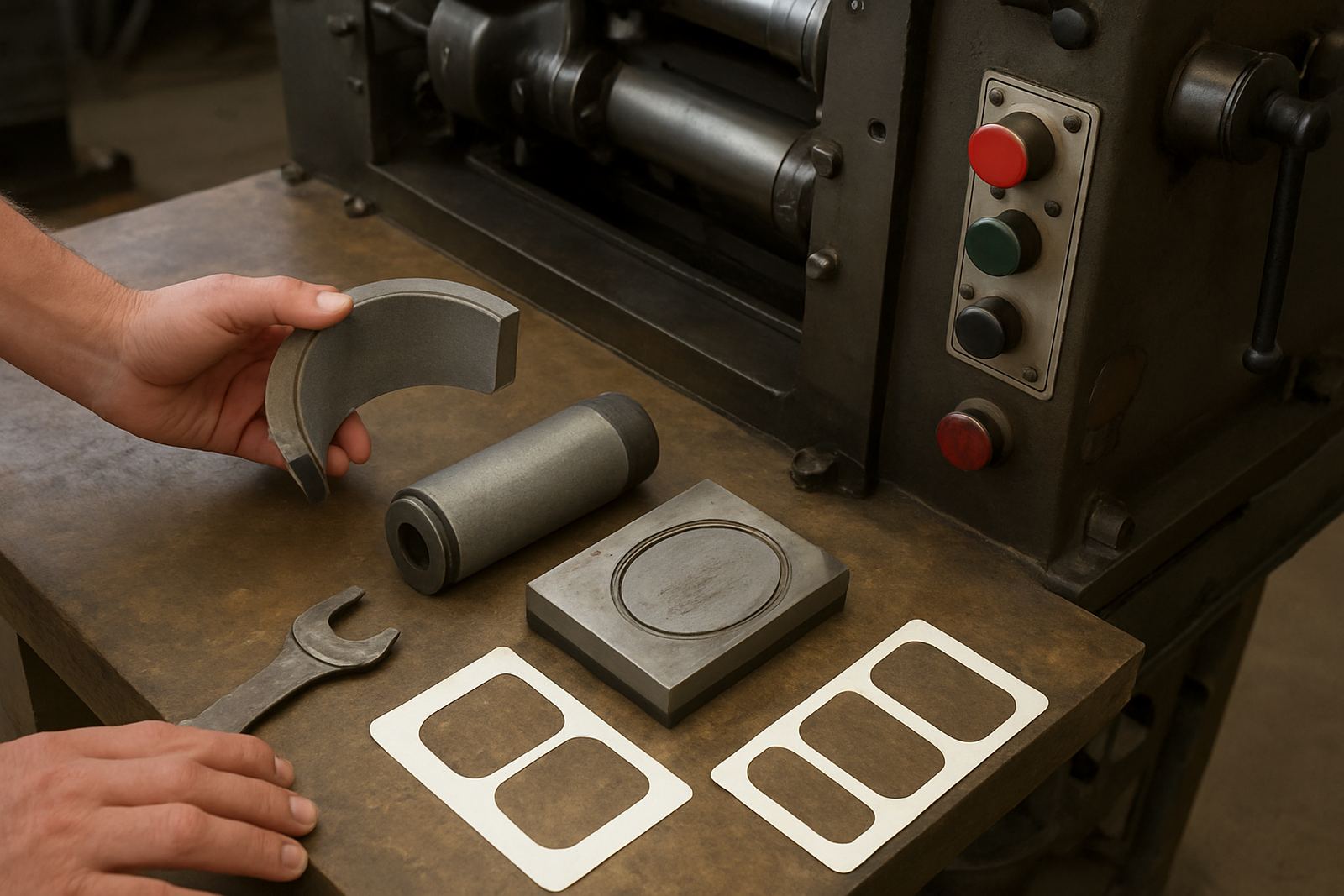
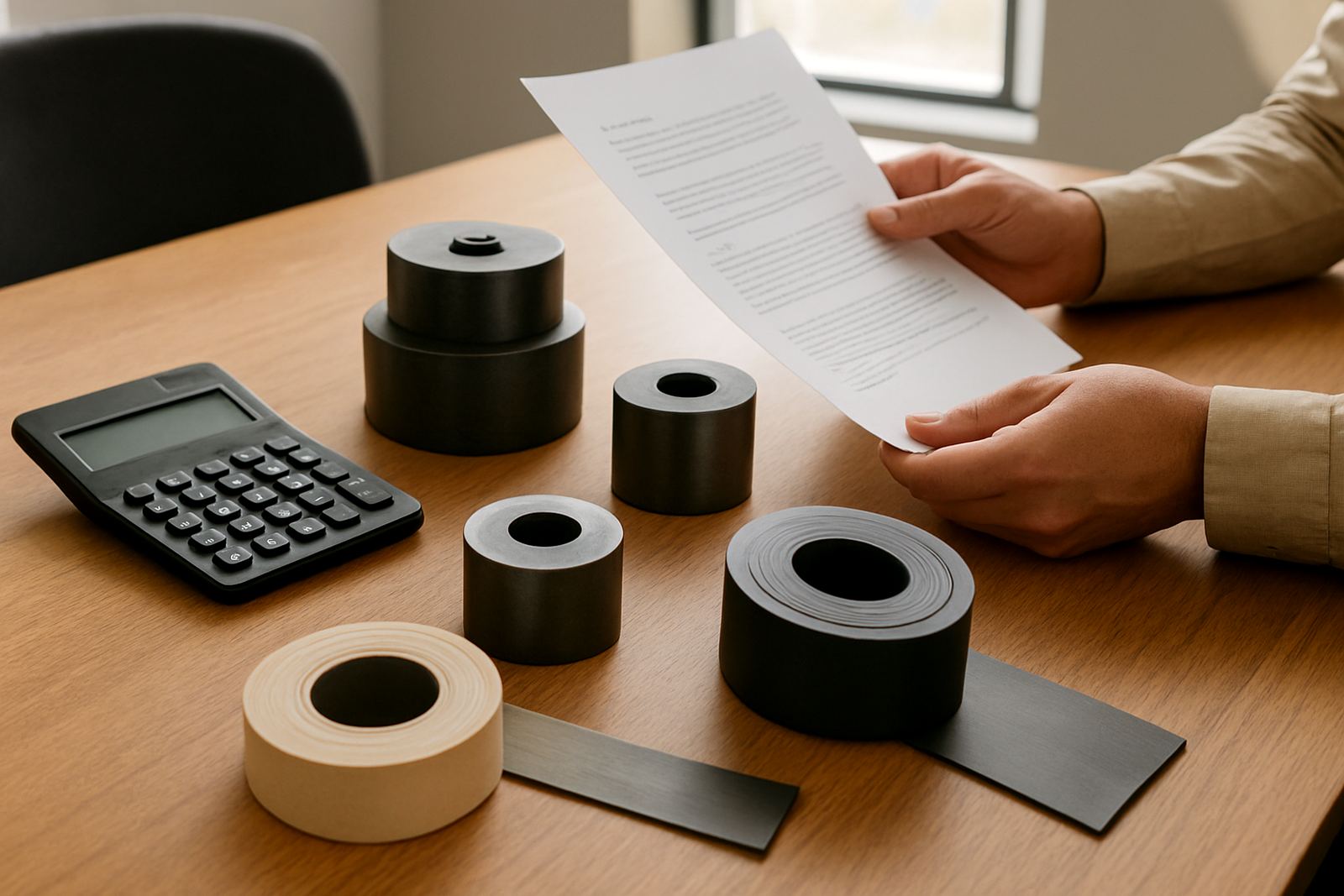
Each tooling type has a place. The right choice depends on volume, substrate, press setup and how often the artwork repeats. We see plenty of jobs where the wrong choice adds setup time, extra waste and one more call to the planner.
- Rotary solid dies suit higher volume work where repeatability matters.
- Flexible magnetic dies work well for frequent changeovers and mixed label ranges.
- Magnetic cylinders are useful when the press and repeat length call for a fixed cylinder solution.
If you are running coated papers, films or self-adhesive stock in humid coastal conditions, ask about bearer setting and magnet checks as part of the order. Small setup details can make the difference between a clean cut and a messy shift.
What to send with your enquiry
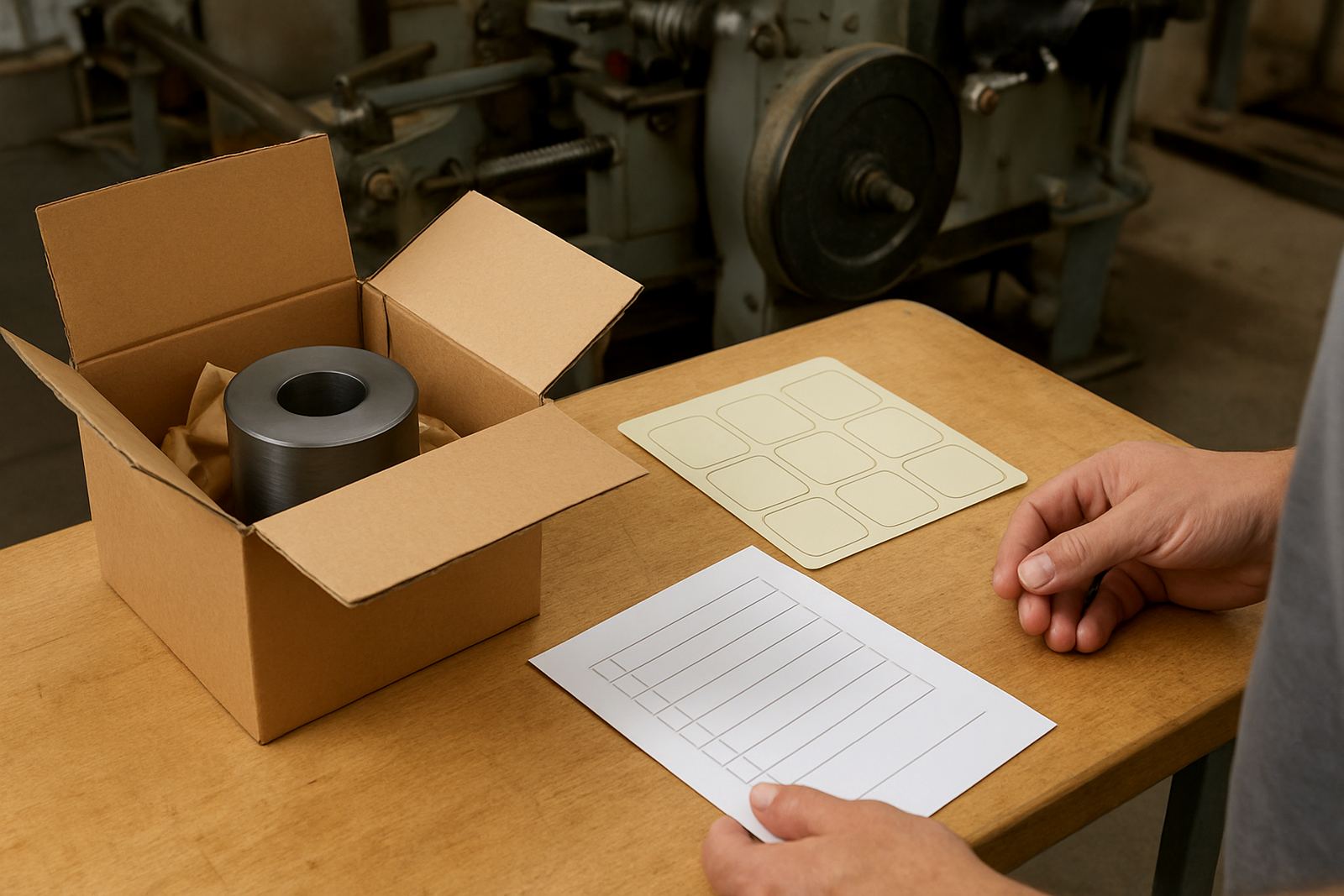
A complete brief lets us answer on the die itself, not on guesses. A good enquiry should cover the finished label size, repeat length, material type, press make if known, quantity, and whether this is a repeat or a new development. If you have an old sample, send that too. It helps with repeat matching and saves guesswork.
- Finished size in millimetres
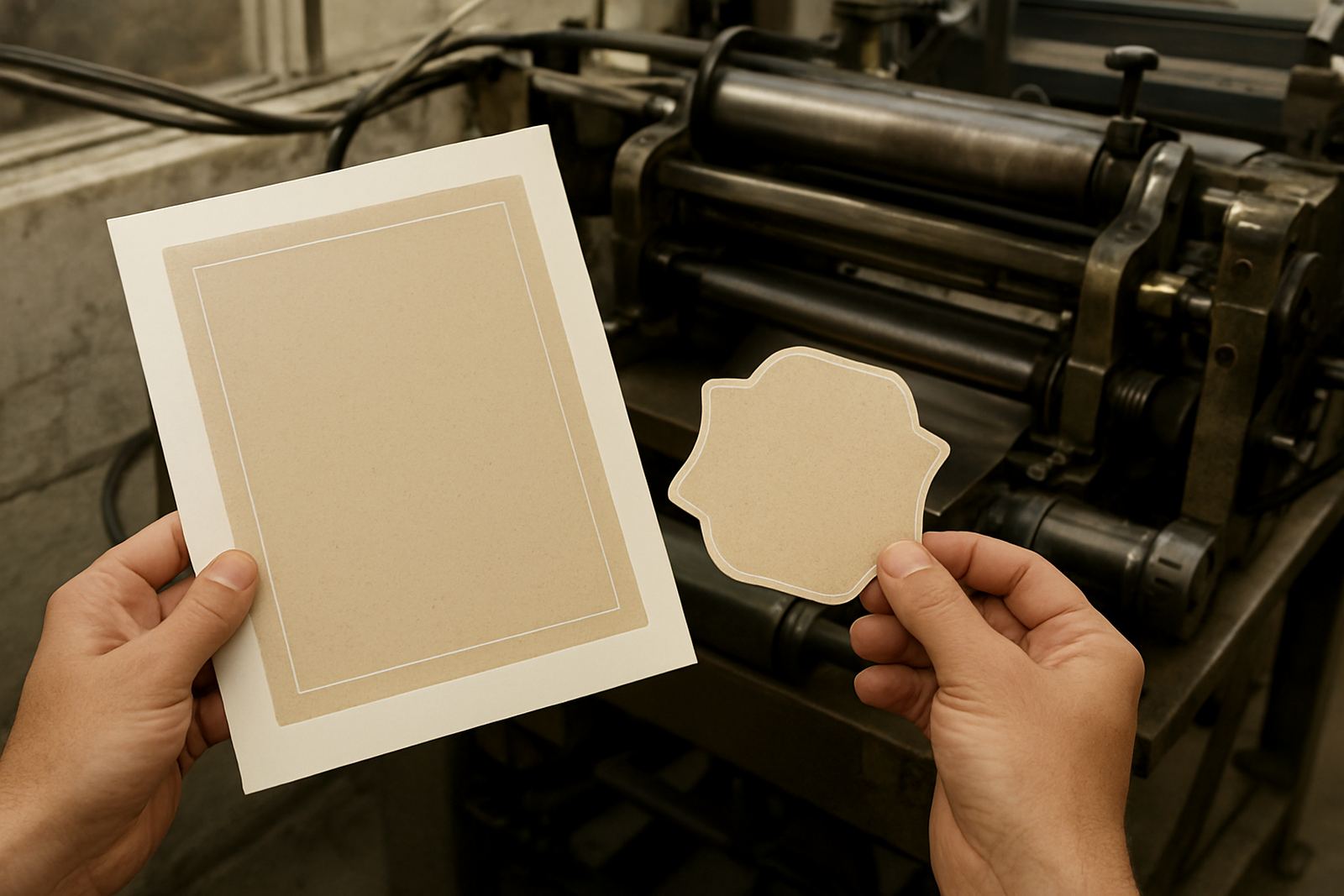
- Shape notes, including any rounded corners or notches
- Substrate type and adhesive if known
- Press type and current tooling format
- Required delivery town or branch area
For Pretoria deliveries or Pinetown deliveries, timing can matter just as much as spec. Urgent remakes are possible, but clear details up front make the process much smoother.
How tolerances affect print and cutting
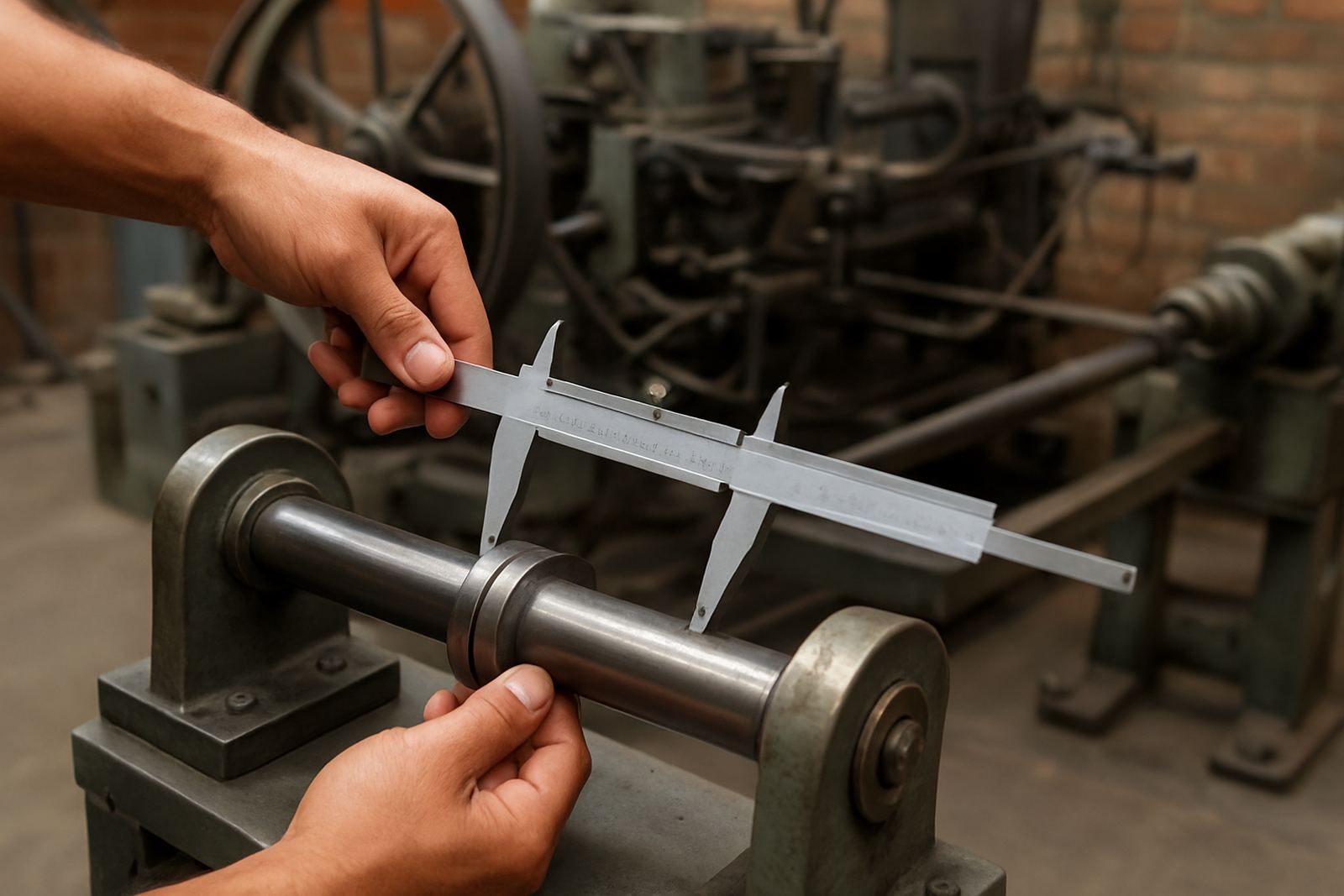
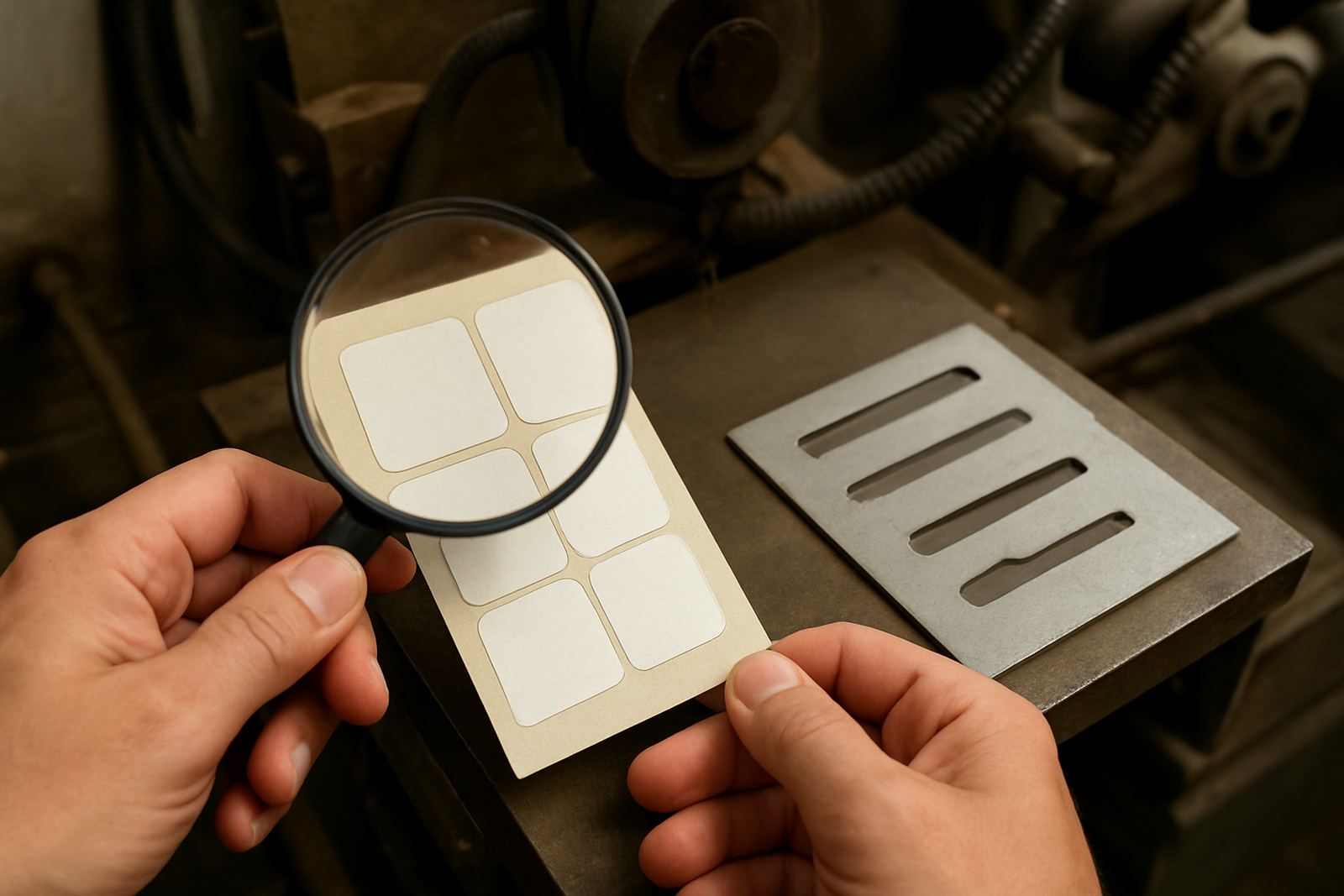
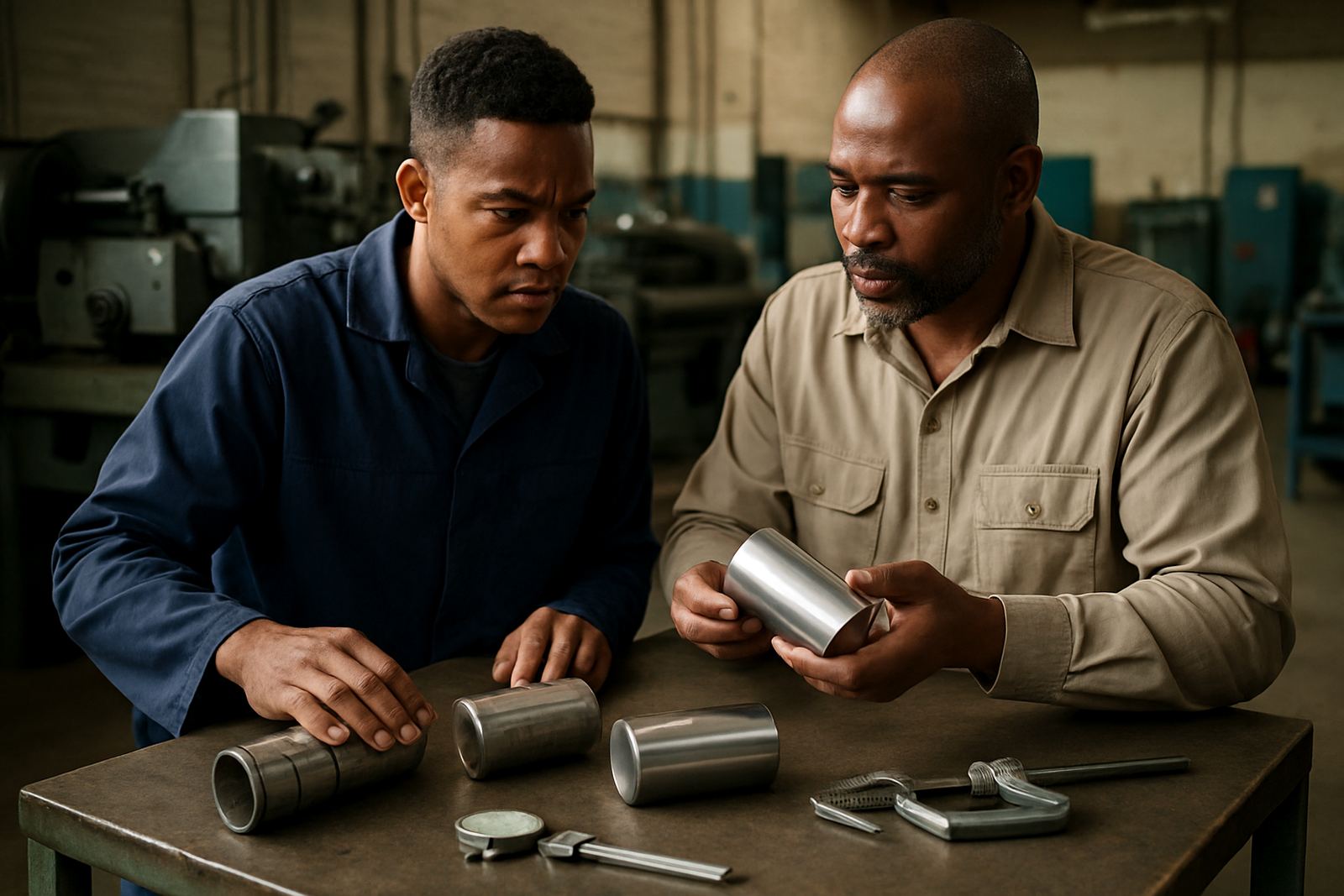
In label converting, tight tolerances are not a nice to have. They affect strip-out, matrix removal, registration and waste. If the die is off, even by a little, the operator feels it straight away on press. That is why CAD proofing and careful die design matter before metal is cut or ground.
We look at the full production chain: artwork, plate setup, press condition, stock thickness and finishing requirements. On some jobs a small adjustment is enough. On others the best fix is a fresh tool rather than forcing an old one to do a new job, which is where repeat matching and die regrind advice earn their keep.
Production checks that save a shift
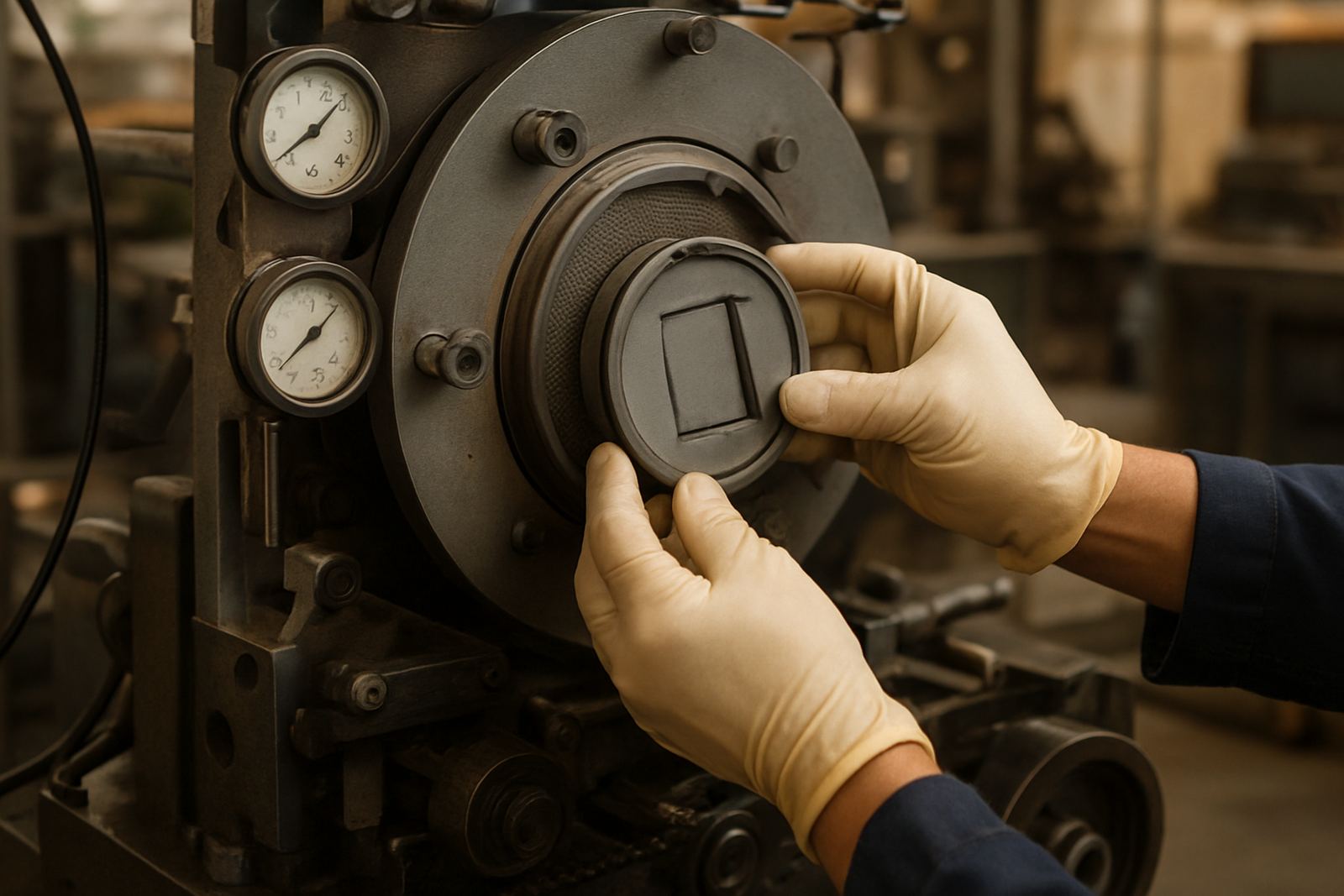
Good tooling is only part of the story. Operator checks before the run can prevent downtime, especially where load-shedding has compressed production into shorter windows. A quick inspection of bearers, magnets, cylinder condition and packing can save a lot of scrap and a late dispatch.
Our practical guides often point buyers toward the checks that matter most:
- Confirm the repeat before the press is loaded
- Check magnet strength and surface condition
- Inspect packing and bearer settings
- Trial one set-up before committing to full quantity
- Keep a note of what changed when the job was last run
Planning for deliveries and repeat orders
South African label work rarely stands still. One week it is a rush order to Germiston, the next it is stock for Gqeberha or Bellville. That is why packing and dispatch, delivery coordination and stock advice are part of the service, not an afterthought. A well planned order reduces handling damage and keeps the tool ready for the next run.
If a job will be repeated, keep the spec consistent and note any press changes. That way the next order can be matched more quickly. For converters in Cape Town, Durban and Johannesburg, a tidy record of the previous setup can save hours, maybe even a full shift on busy weeks.
How to use these guides on the hub page
Buyers, estimators and operators often need to move from general die advice to the exact detail that affects the job. Some topics cover tool choice, while others deal with setup, maintenance or repeat work.
If you are comparing options, start with the guide closest to your current problem. Then move outward to related topics such as cylinder refurb, die regrind or press trial support. That order keeps the decision practical, not theoretical and it helps avoid costly backtracking.