Built for repeat label runs and long production shifts
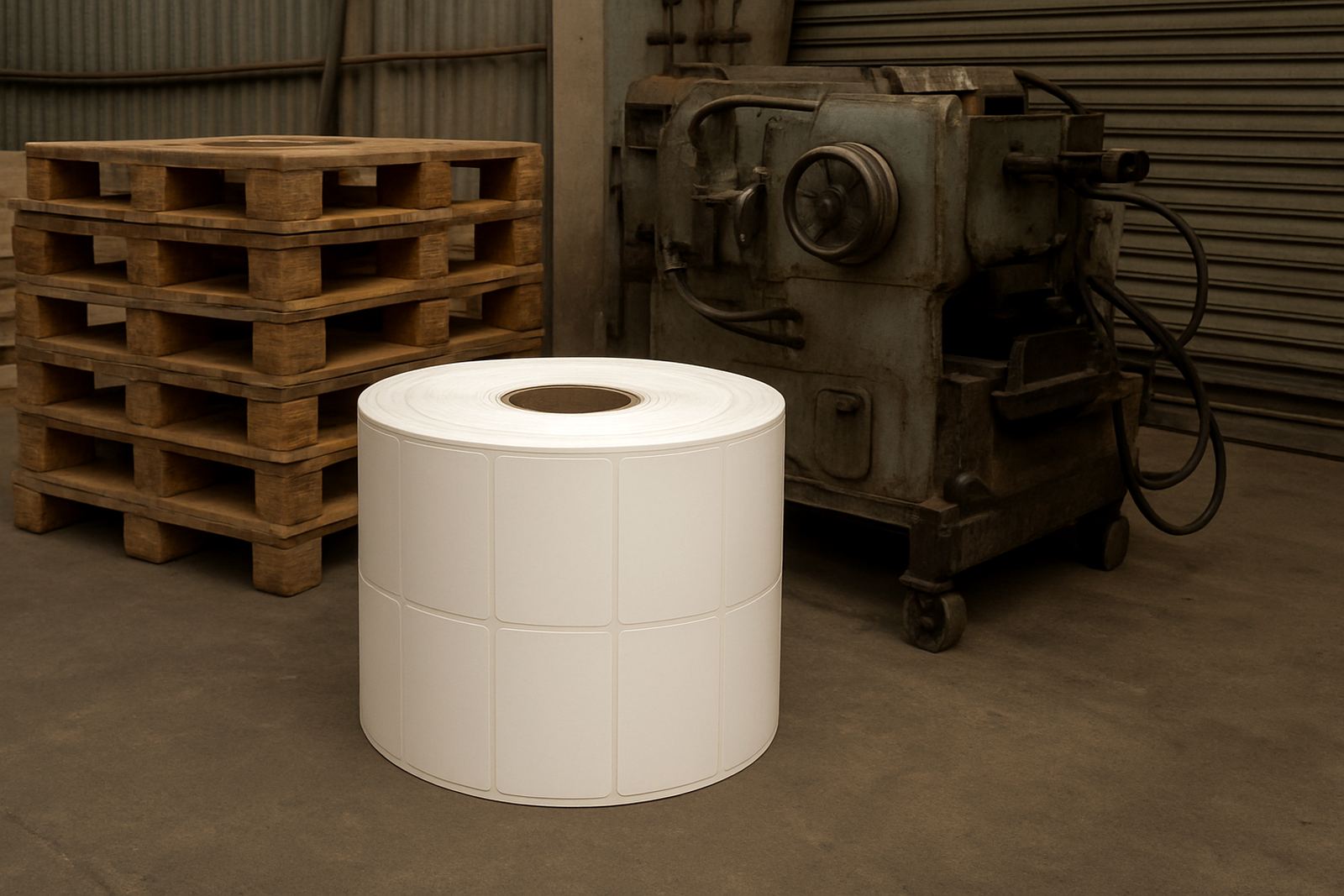
High volume dies are made for label programmes where the same artwork runs again and again, often across multiple batches and shift changes. At our Wadeville, Germiston base we make tooling for printers and converters who need dependable cut quality, consistent strip and clean release over long production cycles. These dies are used on label webs where speed, tension control and repeat registration matter, especially on busy lines in Johannesburg, Durban, Cape Town, Gqeberha and Pretoria.
The aim is simple: keep setup time down and keep the press running. For long volume work the die has to hold its dimensions, match the repeat properly and suit the substrate, whether that is paper, film, laminate or a more demanding specialist stock. Our team checks the artwork, production method and press details before making the tooling, so the finished die fits the job rather than forcing the job to fit the tool.
- Rotary solid dies for long runs and higher wear resistance
- Flexible magnetic dies for repeated label work and faster changeovers
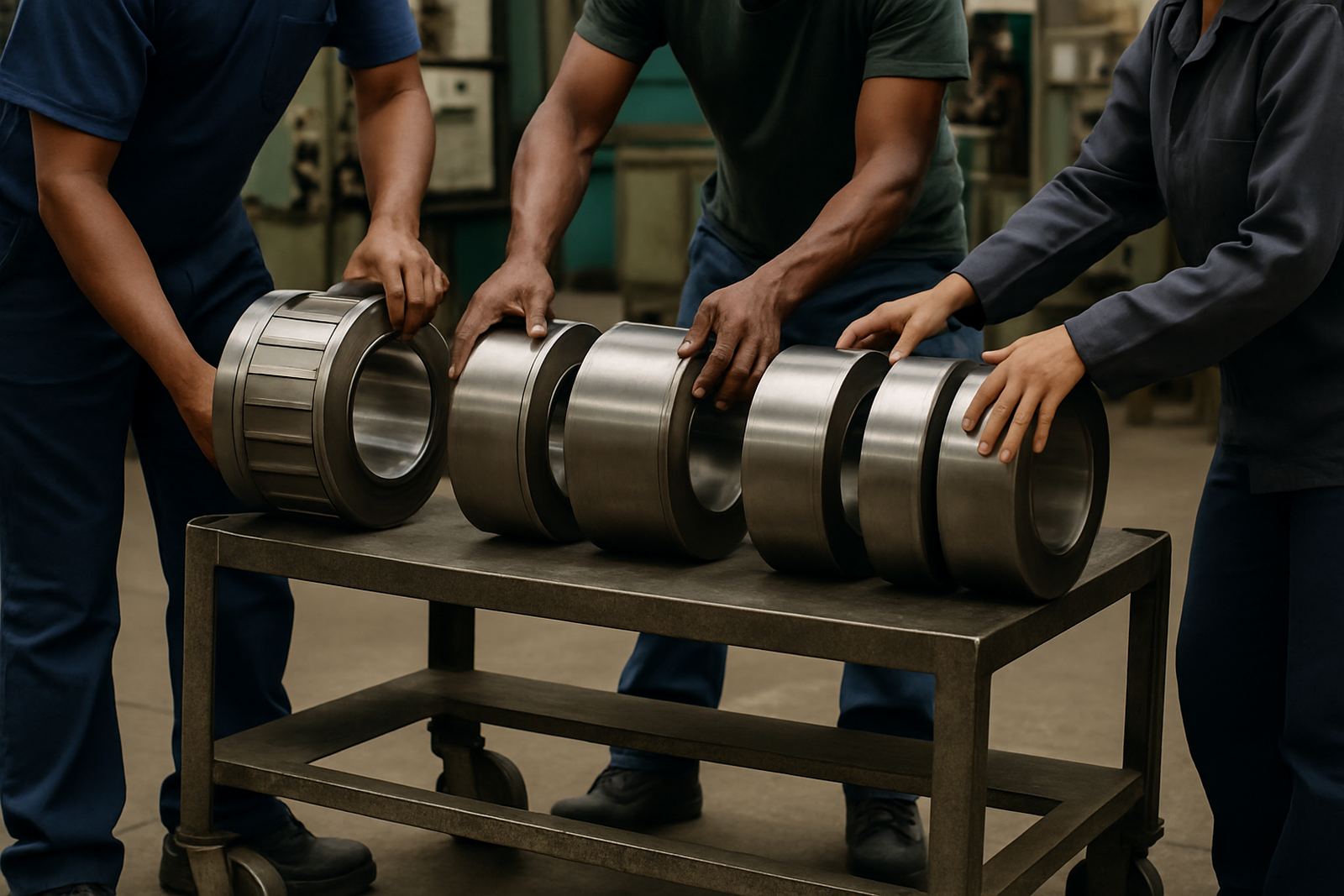
- Magnetic cylinders for rotary press compatibility
- Made to order for standard and custom label formats
Sizes, formats and tolerances that match production reality
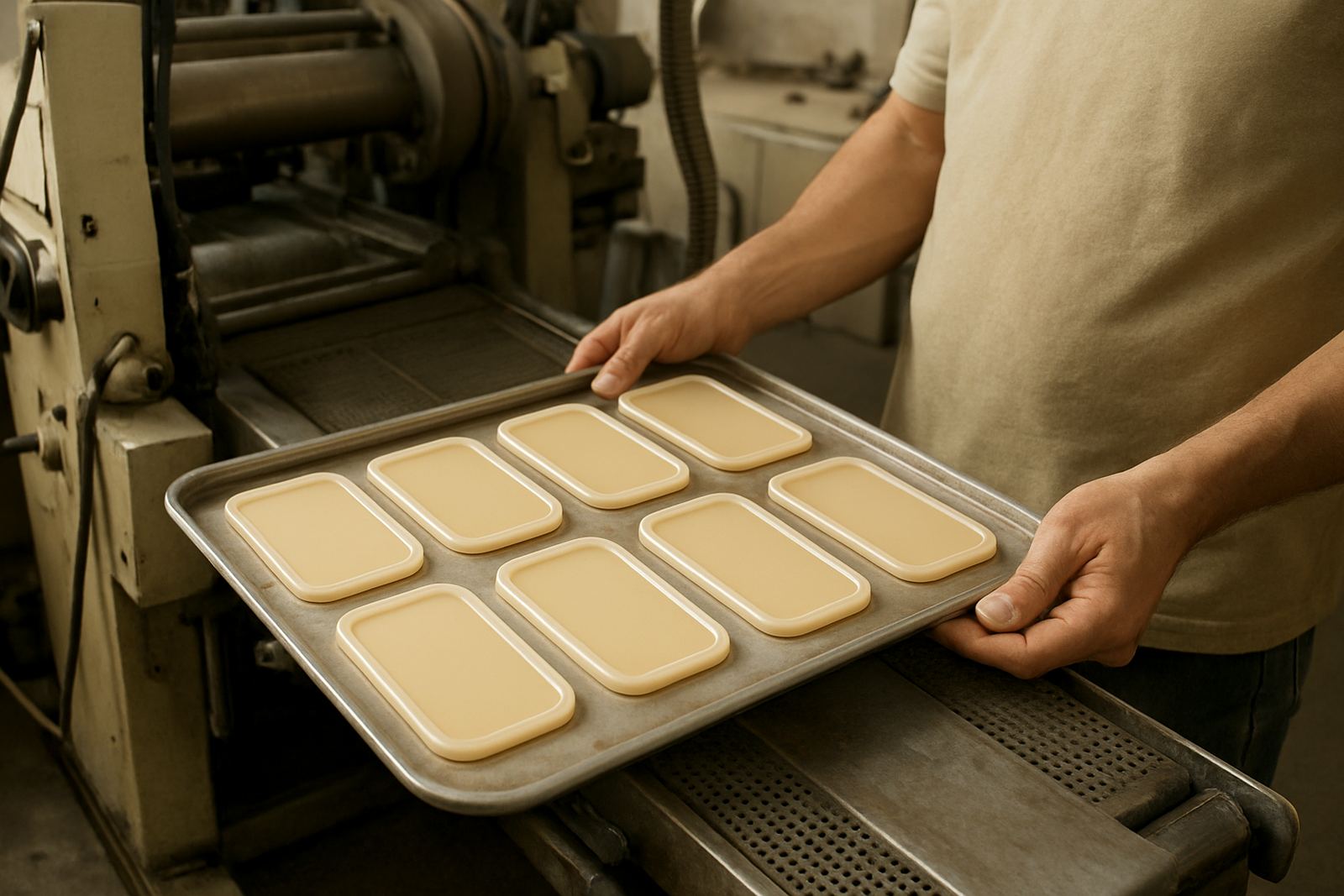
High volume dies are not one-size-fits-all. We make tooling to suit the repeat, the press and the label layout, with attention to blank size, cutting depth and running clearance. Typical work includes narrow web labels, multi-up layouts, shaped labels and repeat orders where a previous tool must be matched closely. For repeat matching, we can work from existing samples, approved proofs or production measurements to keep consistency across orders.
Depending on the application, the die can be supplied as a solid rotary tool, a flexible magnetic die or a magnetic cylinder system. The right choice depends on how often the job runs, the material thickness and the amount of wear expected. For some converters a flexible magnetic die gives the best balance of speed and value, while high volume, high duty work may justify a solid rotary die for longer life.
- Common web widths: from narrow label webs to wider production formats
- Custom repeat lengths to suit the press and artwork layout
- Knife profiles set for clean cut, kiss cut or perforation where required
- Bearer setting and magnet checks available for better running consistency
Where high volume dies suit best
These dies suit label converters working on repeat orders, seasonal programmes and ongoing supply contracts. They are practical for product labels, barcode labels, packaging labels, warning labels and industrial identification work. If a customer runs the same job every week or every month, the biggest value usually comes from a tool that keeps producing the same result without constant adjustment.
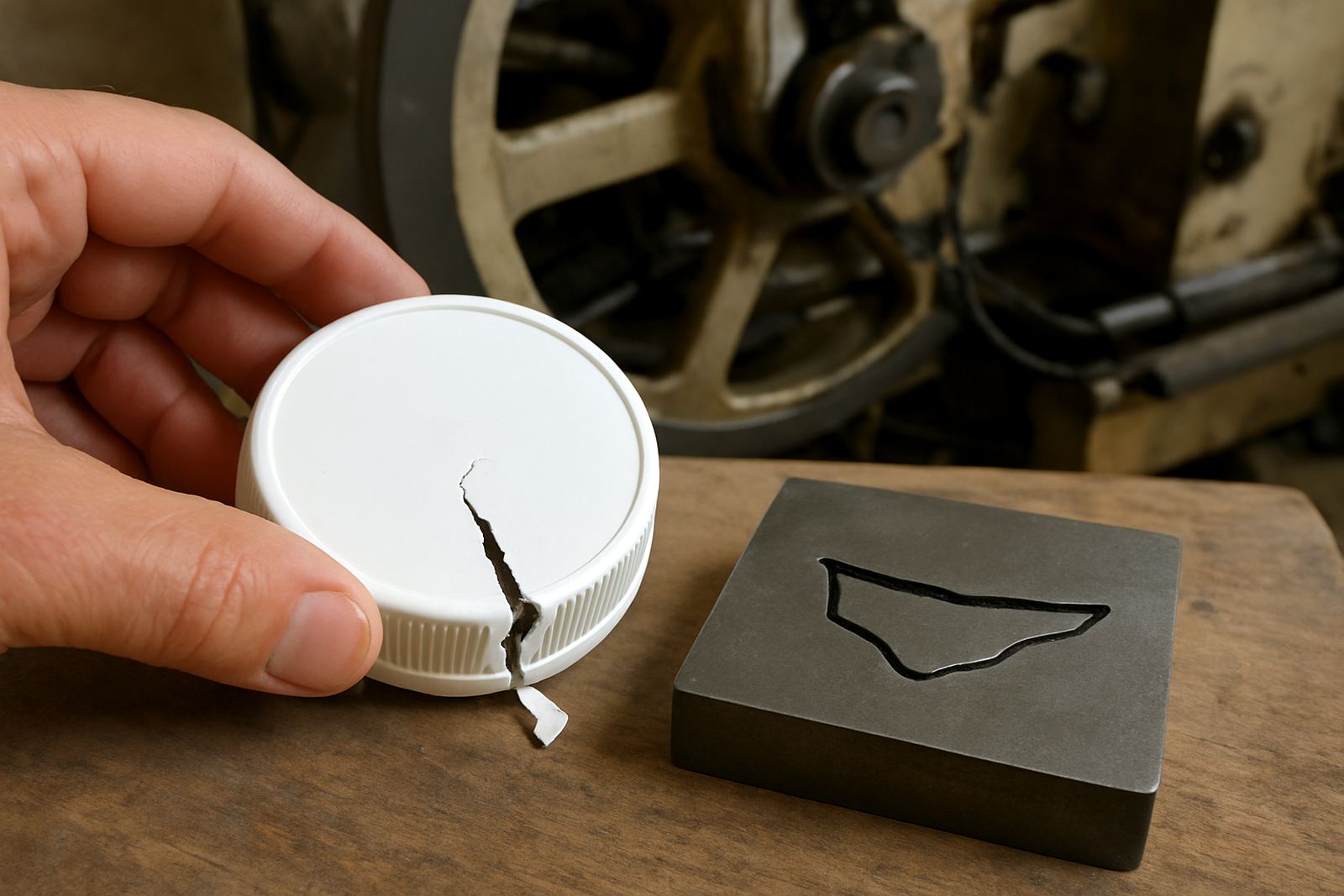
We also see strong demand from operations that need urgent remakes after damage, wear or a layout change. In busy plants, one bent edge or a worn cutting line can stop a press and hold up packing, dispatch and delivery. That is where stock advice and urgent remake support help keep production moving. For clients in coastal areas such as Durban, Pinetown and Cape Town, we also factor in humidity and storage conditions because moisture can affect handling, packing and the life of tooling if it is not cared for properly.
- High volume label printing and converting
- Repeat production programmes with stable artwork
- Industrial, retail and logistics label work
- Presses needing quick changeovers and reliable re-runs
Press setup, installation and utility needs
High volume dies are fitted as part of the press setup and do not need gas or site power on their own. The important part is correct installation on the converting line, with the right bearer setting, alignment and pressure for the material being run. If the press is not correctly set, even a good die can give poor cut depth or uneven stripping, so the setup step matters as much as the tooling itself.
Before the first run, the operator should confirm the web path, tension, register marks and magnetic seating where applicable. Clean mounting surfaces and correct torque on any fitting components help prevent vibration and edge wear. On long runs, a quick check at startup and after any press stoppage can save wasted stock, especially when material is expensive or lead times are tight. We can give press trial support and advice on what to check if the tooling is being installed on a new line or after a change in substrate.
- No gas supply required for the die itself
- No separate electrical feed needed for the tooling itself
- Correct press alignment and bearer setting are essential
- Useful for plants with load-shedding planning, since quick setup reduces downtime pressure
Care, servicing and longer tool life
High volume tooling lasts longer when it is cleaned, checked and stored properly after each run. The cutting edge should be kept free of adhesive build-up, dust and paper fibre, because build-up changes the cut and can make the press work harder than needed. For magnetic systems, magnet condition should be checked regularly so the die stays seated correctly and does not move during the run.
Our servicing work includes die regrind, cylinder refurb, magnet checks and repeat matching. If a die starts to mark the web, lose cut quality or show signs of uneven wear, it is better to inspect it early rather than wait for a full failure. For high volume jobs, that small intervention can protect a whole production day. Good storage also matters: keep tooling dry, wrapped and away from unnecessary knocks, especially in damp coastal conditions or in busy dispatch areas where tools can get damaged during handling.
- Wipe down after use and remove adhesive residue
- Store in a dry, flat and protected position
- Check magnet seating and cutting condition before each repeat run
- Book servicing when cut quality changes or wear becomes visible
What to send when ordering a high volume die
To price and make the correct tooling, we need a clear set of job details. The more accurate the information, the better the repeat result. If you are replacing an older tool, send a sample if possible and note where it was running well or where problems showed up. If it is a new programme, share the artwork, substrate and planned production method so the die can be set up correctly from the start.
Our production and dispatch team can coordinate delivery to Germiston, Johannesburg, Pretoria, Durban, Pinetown, Cape Town, Bellville and Gqeberha. For urgent work, we check the schedule, confirm the tooling type and keep the client updated through the process. That practical approach helps avoid last minute surprises when the press is booked and stock has to move out on time.
- Artwork or approved proof
- Repeat size, label dimensions and substrate details
- Press type and running speed if known
- Whether the job needs kiss cut, full cut or perforation
- Sample tool or previous job reference for repeat matching
Key facts
| Product type | Rotary solid dies, flexible magnetic dies and magnetic cylinders |
|---|---|
| Typical use | High volume label converting and repeat production runs |
| Material compatibility | Paper, film, laminate and selected specialist label stocks |
| Support services | Die Design, CAD Proofing, Repeat Matching, Press Trial Support |
| Servicing | Die Regrind, Cylinder Refurb, Magnet Checks, Bearer Setting |
| Supply area | South Africa wide, including Johannesburg, Durban, Cape Town, Gqeberha and Pretoria |