Chemical label brief from a Durban converter
The job came through from a label converter in Durban handling industrial chemical stock for drums, jerry cans and pails. The brief was straightforward on paper: supply die tooling that would cut cleanly, stay accurate on repeat runs and hold up in a humid coastal plant where adhesive build-up and corrosion can become a headache.
They needed a mixed pack of tooling for multiple label sizes, including warning labels, product names and compliance panels. The converter also wanted repeat matching so future orders would drop back into the same press settings without wasting board, time or labour. In practical terms, that meant tight tolerances, proper bearer setting and clear marking for each tool so the team could swap over quickly on shift change.
There was also pressure on timing. Chemical label work tends to come in with short lead times and fixed delivery slots, especially when stock is already booked for despatch. The plant was running under the usual Durban conditions too, with load-shedding risk and humid mornings that can affect registration if the tooling is not true. We kept that in mind from the first CAD proof through to final dispatch.
What made this run different
Industrial chemical labels are not just another print job. They need to survive handling, stacking and transport while remaining legible after exposure to oil, damp air and rough warehouse conditions. The converter needed tooling that could maintain sharp edges on small text and symbols, and still behave well on a demanding press schedule.
The main constraints were:
- Multiple label sizes on the same chemical range
- Fine detail around safety text and pictograms
- Stable repeat register for ongoing reorders
- Coastal humidity and corrosion risk in Durban
- Limited downtime between press runs
- Fast delivery with no room for trial-and-error
We also had to allow for the stock mix, which included coated label material and adhesive faces that can grab dust if the press room is not managed properly. That meant checking the die layout carefully, confirming the bearer heights and making sure the magnetic tools would sit correctly on the cylinder with no chatter. A small fault here can cost a full shift, so the tolerances had to be right first time.
Tooling supplied for the drum label line
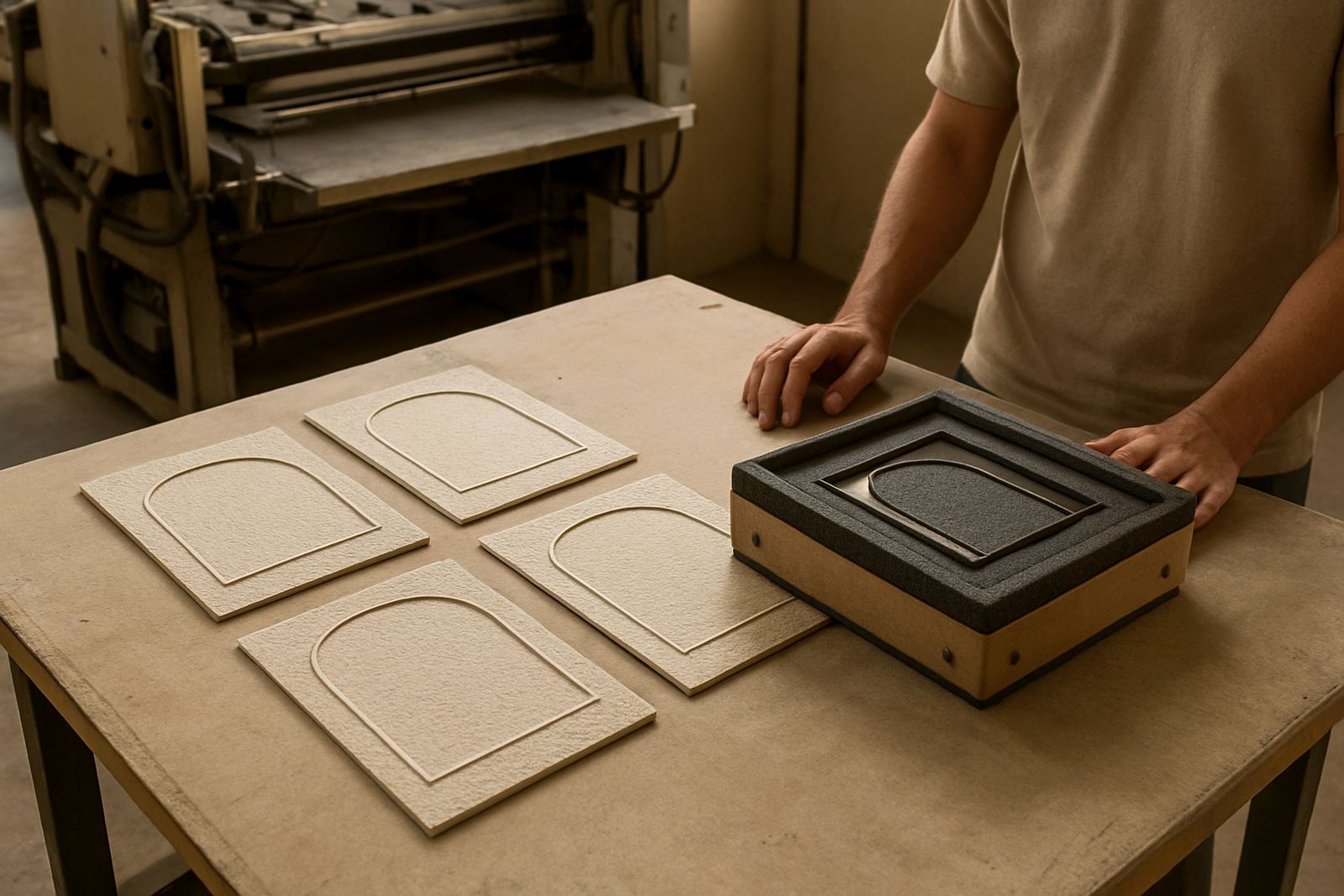
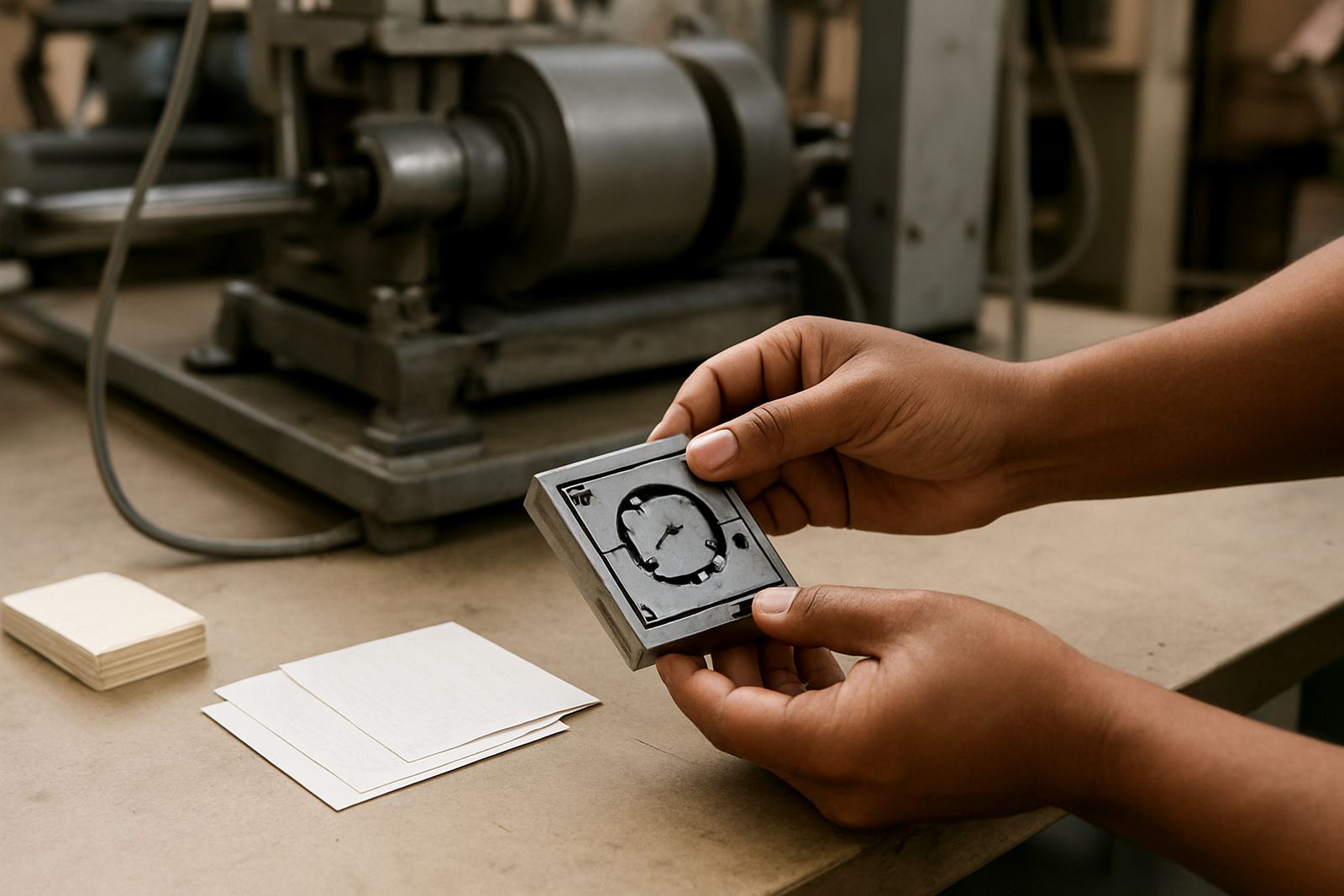
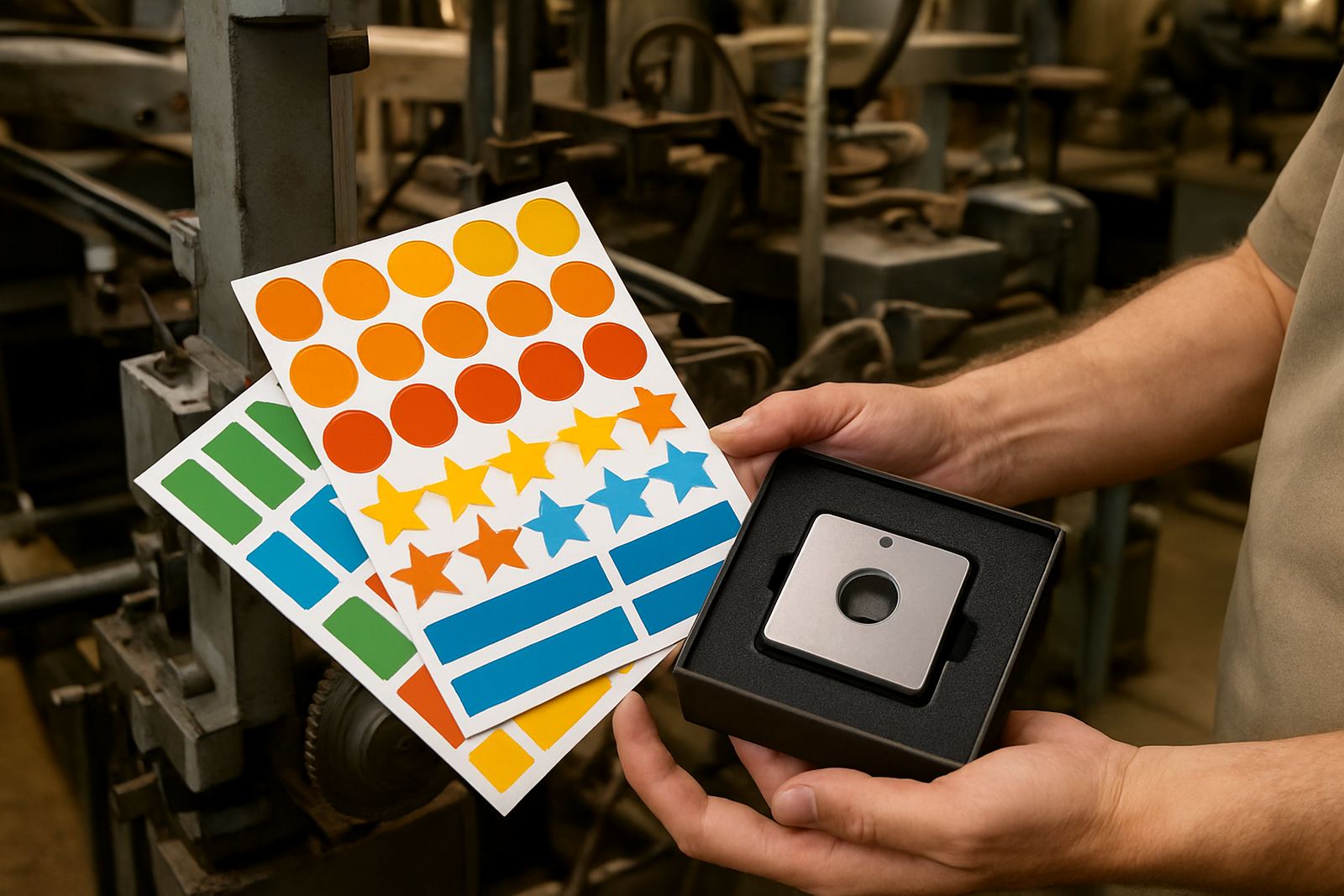
For this project we supplied a combination of rotary solid dies, flexible magnetic dies and matching magnetic cylinder support where needed. The set was made to order in Wadeville, Germiston and prepared for dispatch to Durban with the repeat work in mind. We also completed CAD proofing before production, so the converter could sign off the artwork placement and technical dimensions before anything went to the machine shop.
The tooling package included:
- Rotary solid die for the main drum label format
- Flexible magnetic dies for smaller supporting labels
- Magnetic cylinder setup for accurate press mounting
- Bearer setting and magnet checks before release
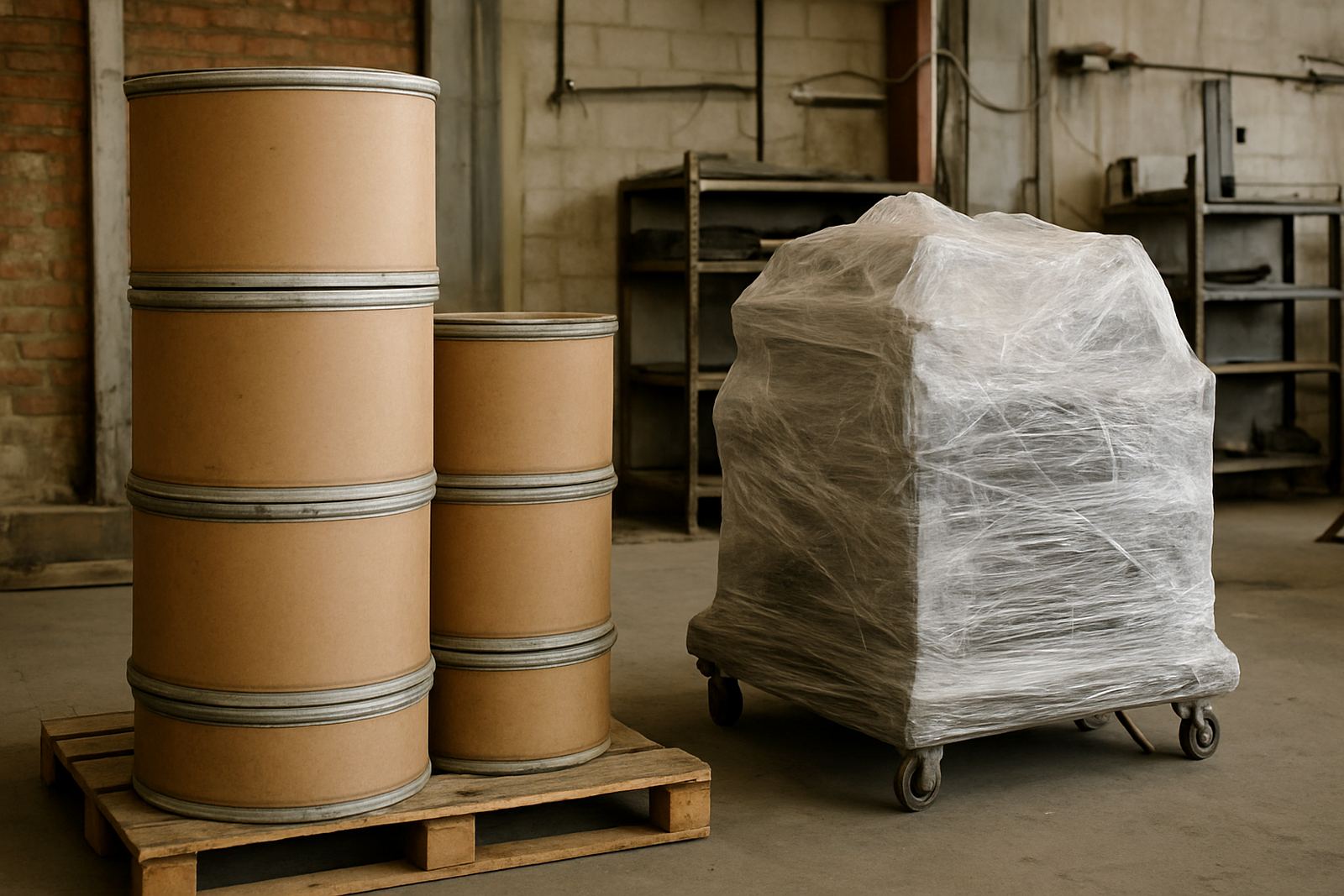
- Packaging for safe transit to the coast
We built the dies for clean cut performance at production speed, with attention to edge finish and repeatability. For chemical labels, a tidy cut matters because any feathering around the edges can look poor and slow down finishing. The team also prepared notes for the converter on set-up order and handling, so the operator could get to a good start without wasting time on the first pass.
From proof to dispatch in three weeks
The full turnaround on this Durban run took three weeks from approved brief to delivery. Week one was design review, measurement confirmation and CAD proofing. Week two covered machining, die regrind where required and final bearer setting. Week three was inspection, packing and delivery coordination out of Germiston.
That timeline worked because the converter gave clear artwork and sample dimensions early. It also helped that the order had a practical production structure. We could group the tooling, check repeat matching against previous references and make sure the dispatch pack matched the press sequence the client wanted. No drama, just proper order and clean admin.
By the end of the third week the tools were on site and ready for the next press window. The converter could bring the job up faster than expected, which is often the difference between catching a booking and losing a slot to another customer. In a busy Durban plant, that kind of timing matters more than people think.
Support on the floor and after the first run
We did not stop at supply. Our team stayed available for press trial support and initial run feedback so the converter could confirm the cut depth, register and stripping behaviour on the actual machine. That is especially important on chemical work, because a die can look fine on paper but still need a small tweak once the stock and adhesive are under load.
The support team on this project was made up of Marius Jacobus van der Merwe on oversight, Thandiwe Nkosi on production control, Ruhan de Beer on technical sales, Nirasha Ramdass on CAD preparation, Siyanda Letsoalo in the machine shop and Anele Mthembu on dispatch coordination. Everyone had a role, and that kept the job moving without missteps.
What the client got from the first run was simple: clean labels, steady register and less waste. The converter reported that the tooling settled in quickly, which meant fewer stoppages for adjustment and more confidence on the follow-up batch. For a coastal plant working with industrial chemicals, that is a proper result.
Lessons from this Durban chemical label run for the next batch
If we were handling the same job again, we would follow the same approach and keep the same checks in place. Durban chemical label work needs accurate dimensions, proper packing and clear repeat records, especially when the same customer may reorder sizes months later. A small change in artwork or substrate can affect the die behaviour, so the reference notes need to stay current.
For the next order, we would again recommend:
- Early CAD proofing before tool manufacture
- Repeat matching against the last approved set
- Magnet checks before dispatch
- Press trial support on the first run
- Delivery planning around the client’s production schedule
We would also keep an eye on storage conditions at the Durban site. In a coastal environment, it helps to keep tooling dry, cleaned after use and stored properly between runs. That is basic shop practice, but it protects the finish and extends the life of the die. For chemical label work, consistency is what saves time and money, and that applies whether the job is for one drum size or a full range.
Key facts
| Project type | Heavy-duty chemical drum label tooling |
|---|---|
| Client location | Durban, KwaZulu-Natal |
| Tooling supplied | Rotary solid dies, flexible magnetic dies and magnetic cylinder support |
| Turnaround | 3 weeks from brief to delivery |
| Key controls | CAD proofing, bearer setting, magnet checks, repeat matching |
| Application | Industrial chemical labels for drums, jerry cans and pails |