The Silverton brief and what made it tricky
The client was a small to medium converter in Silverton, Pretoria, handling label work for local food, chemicals and general packaging customers. Their workload changed week by week, so one run might be 5,000 labels and the next could be a different size, a different repeat and a different substrate. They needed tooling that could be trusted on short notice, with repeatable cut quality and no wasteful overrun.
The brief was clear: build short-run tooling that would stand up to frequent make-ready changes, keep tolerances tight, and reduce press downtime. They also wanted a die-cutting team that could react quickly when a job had to be reworked after a customer artwork change. In Pretoria, that kind of schedule is common and if a die arrives late, the whole line is affected.
- Application: pressure-sensitive label converting
- Location: Silverton, Pretoria
- Run profile: frequent job changes and smaller batches
- Priority: fast turnaround with consistent cut accuracy
Tooling specification and design approach
We started with the artwork and press details, then matched the tooling to the required repeat, material build-up and expected press speed. Because the client was running compact batches, we focused on fast mounting, reliable bearer setting and clean release at the cut point. That matters when you have several changeovers in one shift and the team cannot afford long setup checks.
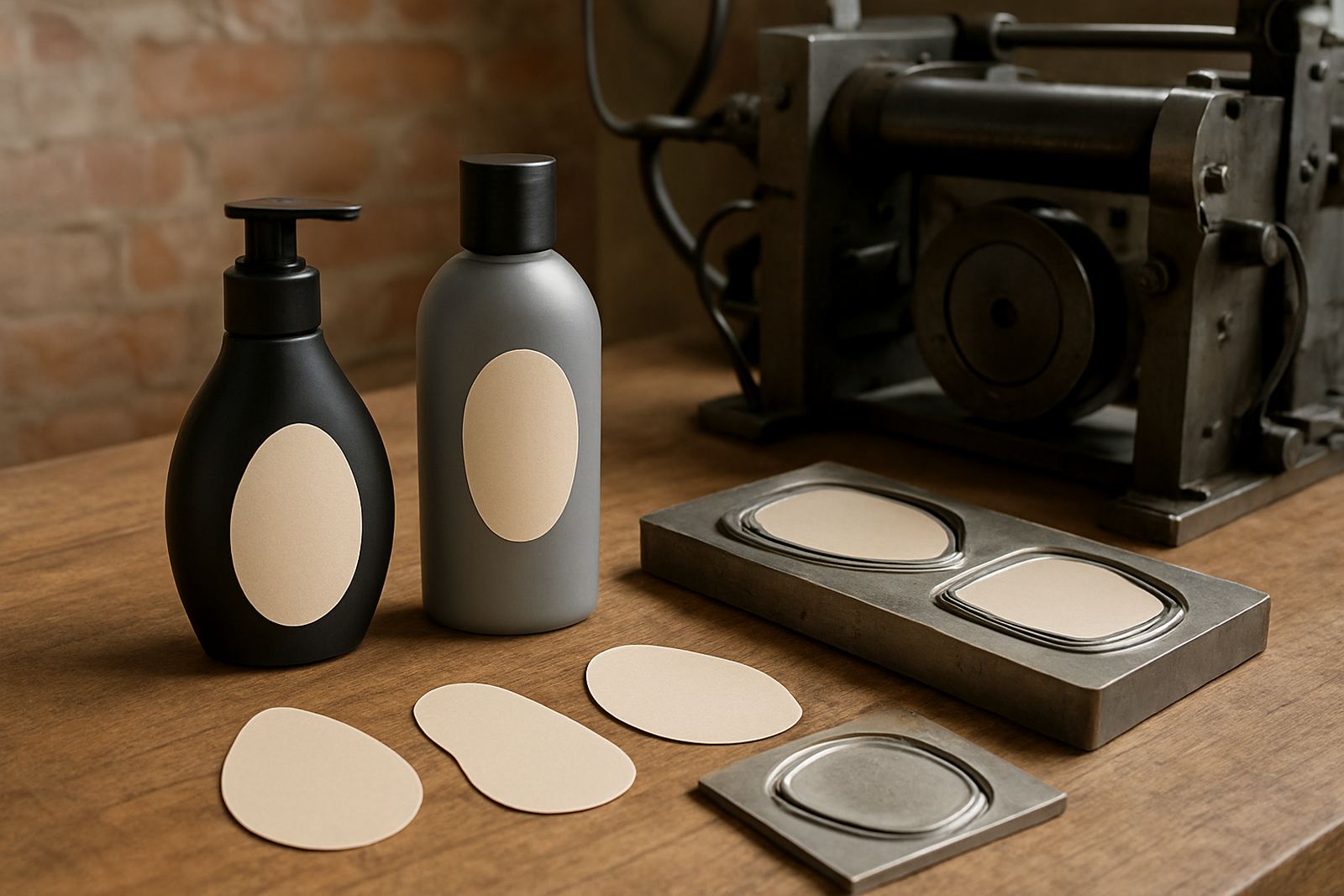
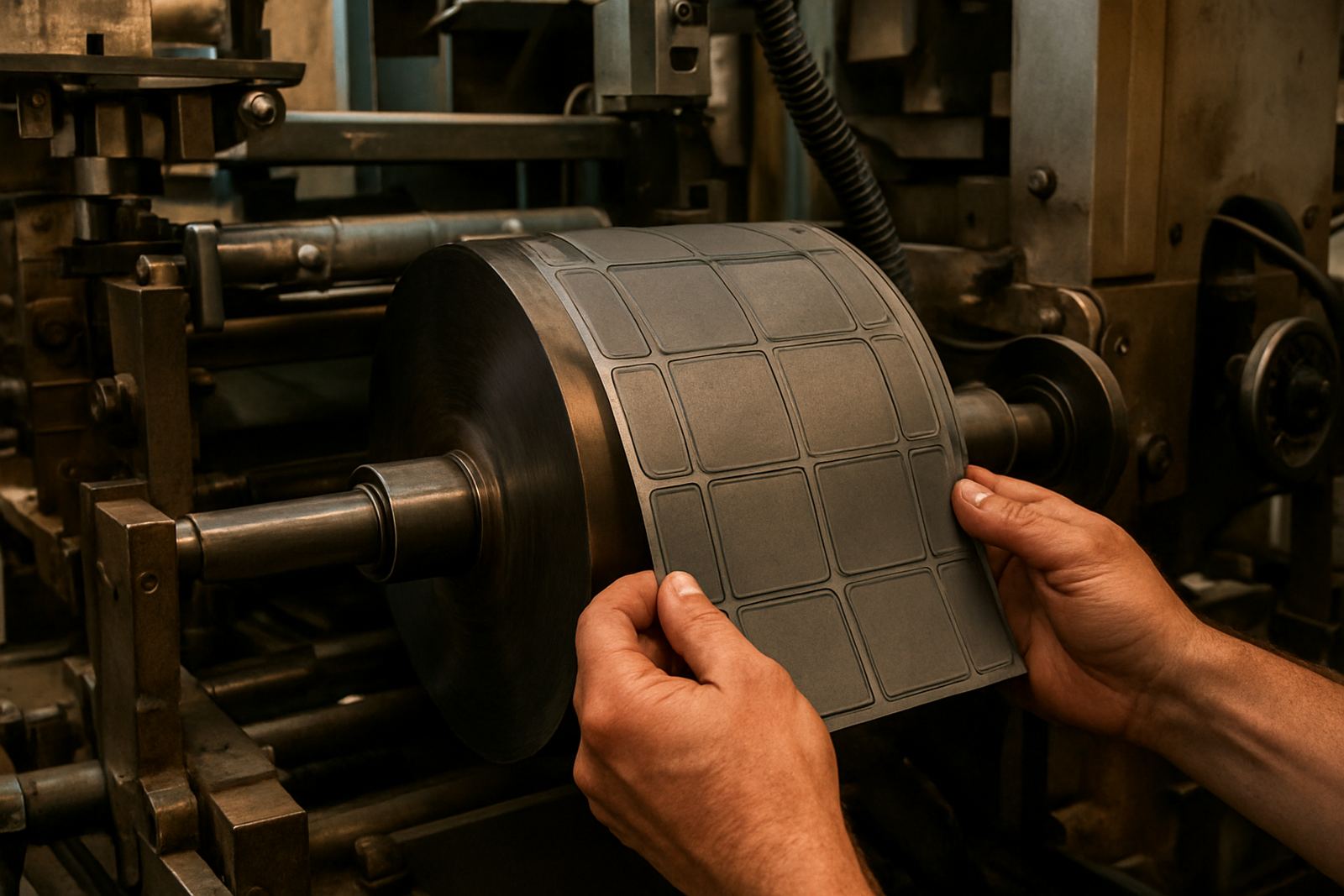
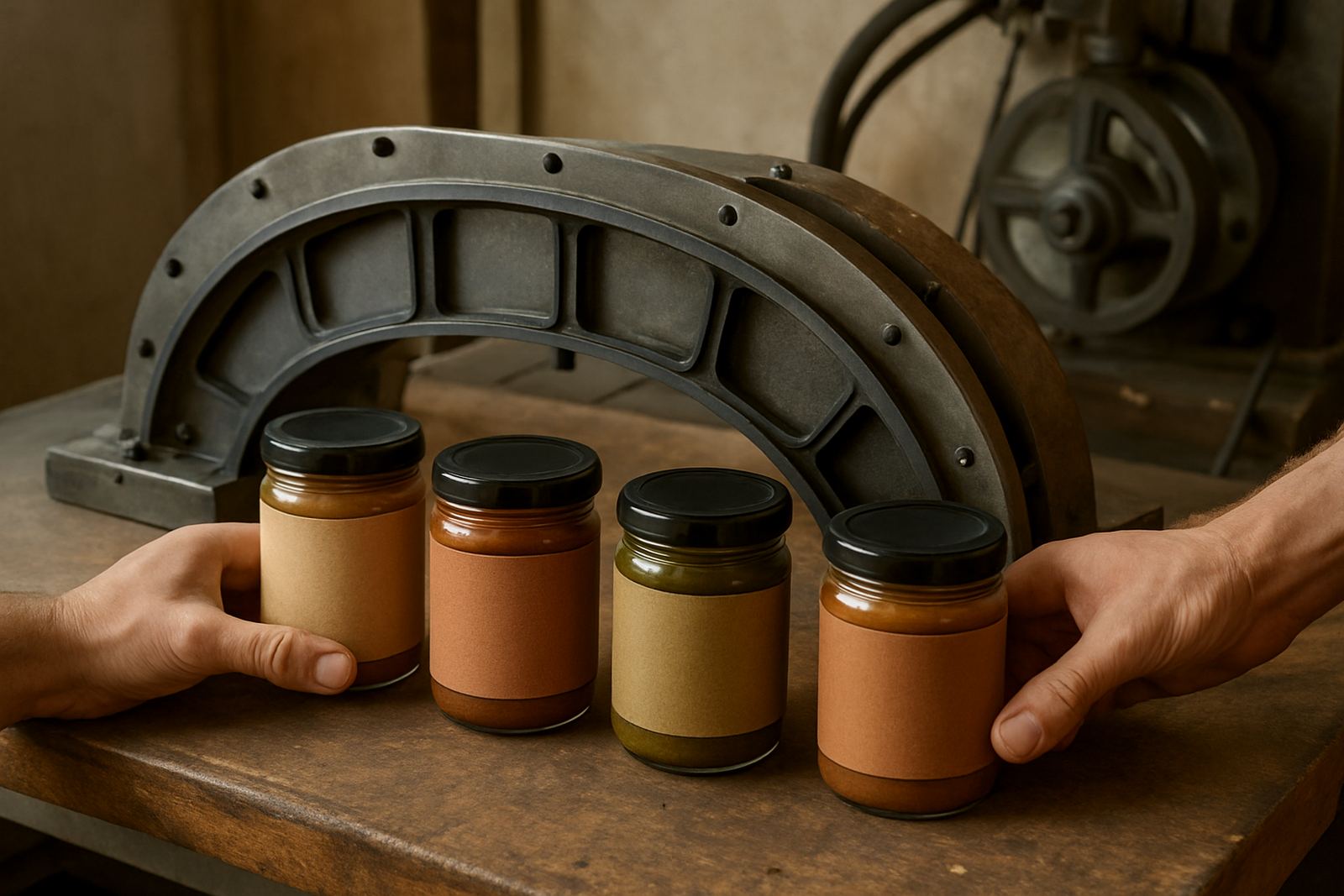
For this job we supplied a combination of rotary solid dies and flexible magnetic dies, depending on the label format and the press section in use. Rotary tooling was used where the repeat and duty cycle suited a solid body, while magnetic dies gave the client more flexibility for shorter, more varied jobs. We also checked the cylinder and backing arrangement so the tooling sat correctly from the first make-ready, not after a few test pulls.
- Tooling supplied: rotary solid dies and flexible magnetic dies
- Repeat matching carried out to the client’s artwork set
- Bearer setting checked for stable cutting pressure
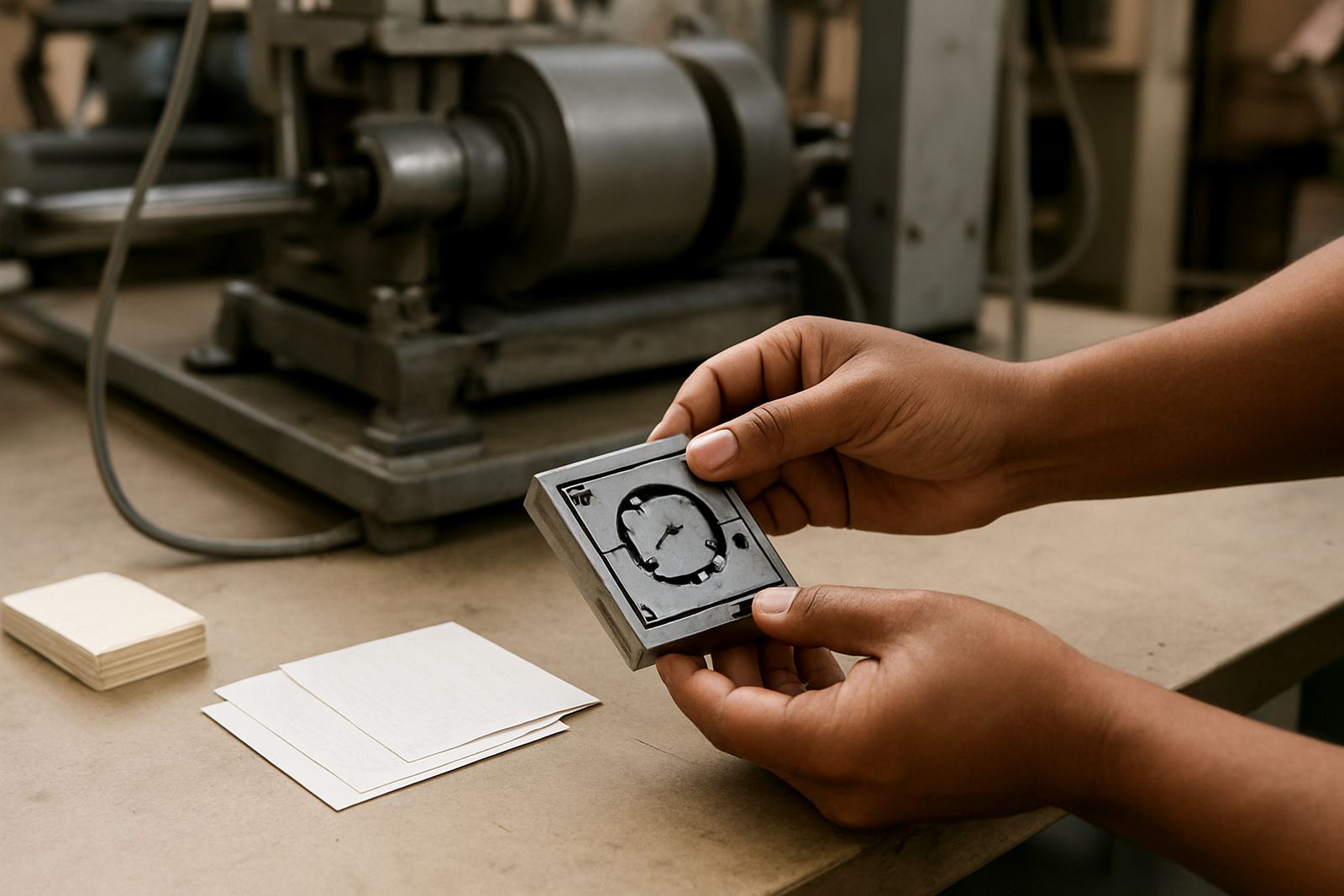
- CAD proofing completed before manufacture
How we handled the short timeline
The work was completed over three weeks from approved artwork to dispatch, with the first week spent on proofing and technical checks. That included die design, CAD proofing and repeat verification. Once the client signed off the drawings, production moved into machining and finish, with a final inspection before packing.
Because short-run work often comes with urgent changes, we kept a slot open for a remake if needed. In this case one artwork detail changed after the first proof, so the file was updated and the tooling adjusted before dispatch. That saved the client from receiving a part that would have needed rework on press. It is a small step but it makes a real difference when the load-shedding schedule is already compressing production hours.
- Week 1: design, CAD proofing and repeat confirmation
- Week 2: machining, finishing and in-house checks
- Week 3: packing, dispatch and delivery coordination
- Result: no delay to the client’s planned press slot
What we supplied to keep the line moving
To support a business that changes jobs often, we did more than cut the dies. We checked the magnetic cylinder condition, advised on stock handling, and packed the tooling so it would arrive ready for use. For label printers and converters, the right packaging is not a side issue. If a die gets knocked in transit or a magnetic face picks up damage, the press team loses time before the first label is even printed.
The client also asked for guidance on likely repeat work. We set out the parts that would be suitable for repeat matching and explained which tooling could be refurbished later rather than replaced. That gave them a lower-cost path for future orders, which is useful for converters in Pretoria that work with changing customer briefs and tight purchasing limits.
- Packing and dispatch arranged to reduce transit risk
- Delivery coordination handled for Silverton access
- Stock advice provided for repeat jobs and future remake planning
- Press trial support available if setup tuning was required
Results on the press and in the factory
Once the tooling was in service, the client reported cleaner first pulls, faster setup between jobs and less trimming on the finishing side. The repeated size changes were easier to manage because the dies had been matched properly from the start. That helped the operator stay on schedule even when the day included more than one urgent order.
The main gain was not only cut quality but reliability. In a short-run environment, one bad setup can wipe out the margin on a small job. By keeping the tolerances tight and checking the cylinder and bearer arrangement before dispatch, we reduced the risk of press-side adjustment. The converter could move between jobs with more confidence and less trial-and-error.
- Cleaner first pull on press
- Less operator adjustment after make-ready
- Better handling of repeat artwork changes
- Lower waste on short batches
Why this fit Silverton production conditions
Silverton and the wider Pretoria area have a mix of fast-moving commercial work and more specialised converting jobs. A short-run operation needs tooling that can cope with interruptions, delivery timing and the pressure of getting several labels out in one day. Our Wadeville team works with those conditions every week, whether the destination is Silverton, Pretoria East or a plant further out in Gauteng.
For this project we kept the approach practical. No overspecifying, no guessing, just the right tooling for the press and the run length. That is the part many people overlook. A die that is perfect for a long production run can be awkward on small jobs, while a flexible magnetic solution can be the better choice when artwork changes often. Matching the tool to the job is what keeps a converter efficient.
If we were doing the same work again, we would follow the same process: proof early, confirm the repeat carefully, leave space for one revision if the artwork shifts, and dispatch with enough packing protection for local delivery. That approach has served our clients well across Johannesburg, Pretoria, Durban, Cape Town and Gqeberha, especially where turnaround matters more than anything else.
Key facts
| Project | Silverton Short Run |
|---|---|
| Client type | Label converter handling frequent artwork and size changes |
| Location | Silverton, Pretoria |
| Tooling supplied | Rotary solid dies and flexible magnetic dies |
| Timeline | 3 weeks from proofing to dispatch |
| Support included | Die design, CAD proofing, repeat matching, bearer setting and delivery coordination |