The brief from a Cape Town wine label run
The client was a label printer in Cape Town handling a wine range for a local producer with a strong focus on shelf appeal. The job called for shaped labels with smooth corners, stable register and crisp cutting around fine detail. The artwork included several sizes in one programme, so the tooling had to be accurate enough to keep repeat work simple from one re-order to the next.
The key ask was not just a sharp cut, but a die package that could support longer runs without fighting the press team. The labels needed to convert cleanly on coated stock, with no tearing on corners and no drag marks where the shape tightened around the design. That kind of work sounds simple on paper, but in practice it asks for proper line control, careful bearer setting and a finish that stays true at speed.
- Project type: premium wine labels for a Cape Town converter
- Label style: shaped labels with rounded corners and fine detail
- Run profile: repeat production, not a once-off test
- Main requirement: consistent cut quality across all repeats
What made the job tricky on press
Wine labels are often judged by the final look first, but the production side has to handle stock, glue, humidity and press speed. In Cape Town, coastal moisture can change how paper and adhesive behave through the day, and that means the die must be right from the start. The client also wanted a profile that would not nick the corners or leave a rough edge when the press was running at production pace.
We had to factor in tight tolerance on the repeat, a neat stripping path and enough strength in the tooling to stay stable over multiple runs. The client also wanted the option to repeat the same format later without starting over, so we planned the file and tooling notes for straightforward remakes. For a premium wine label, even a small shift in cut line can show immediately on pack.
- Stock sensitivity: coated label material with adhesive pressure to manage
- Environment: coastal humidity and changing shop-floor conditions
- Accuracy need: repeatable dimensions for future reorders
- Finish requirement: smooth corners, clean edge and good release
How we set up the dies and cylinders
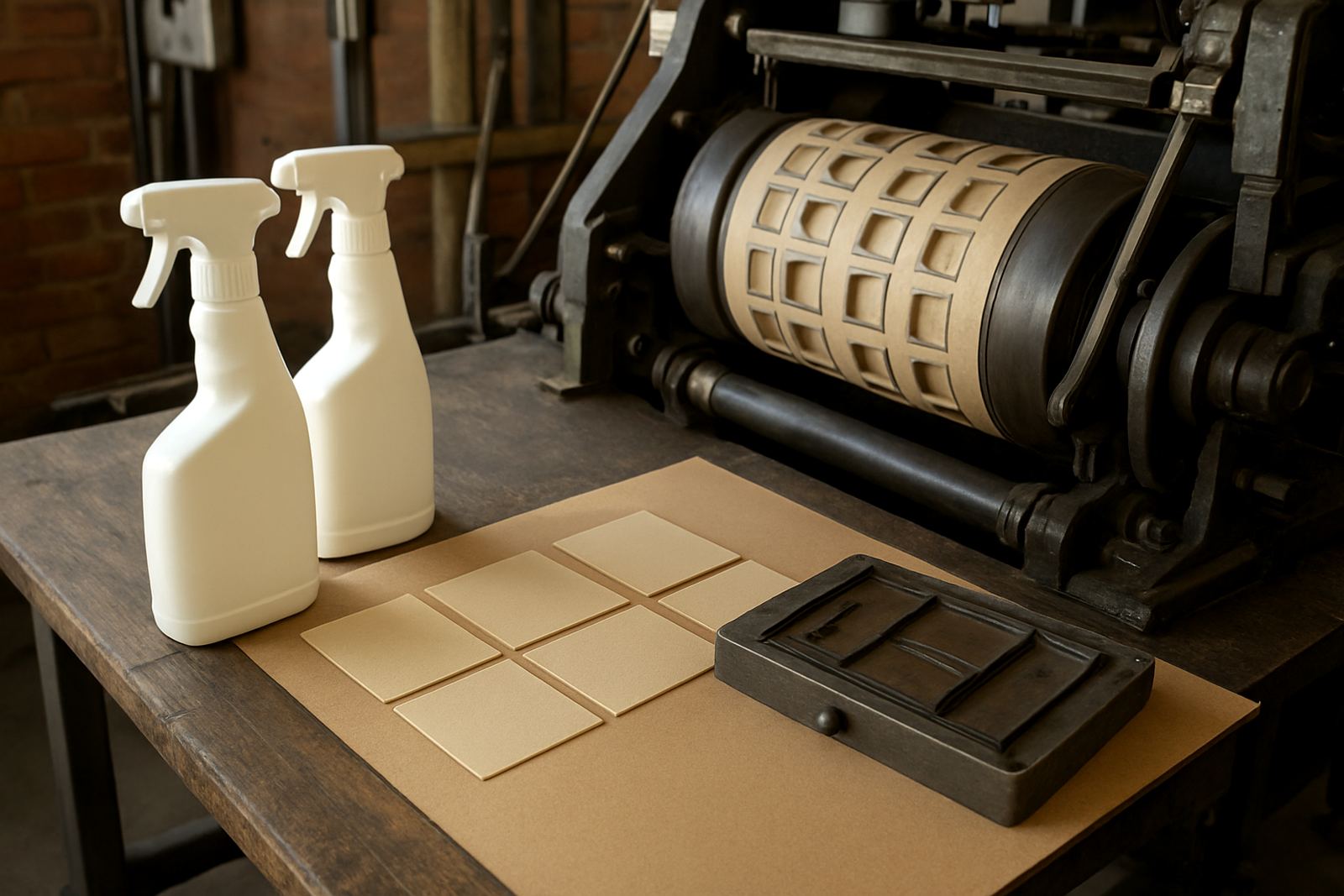
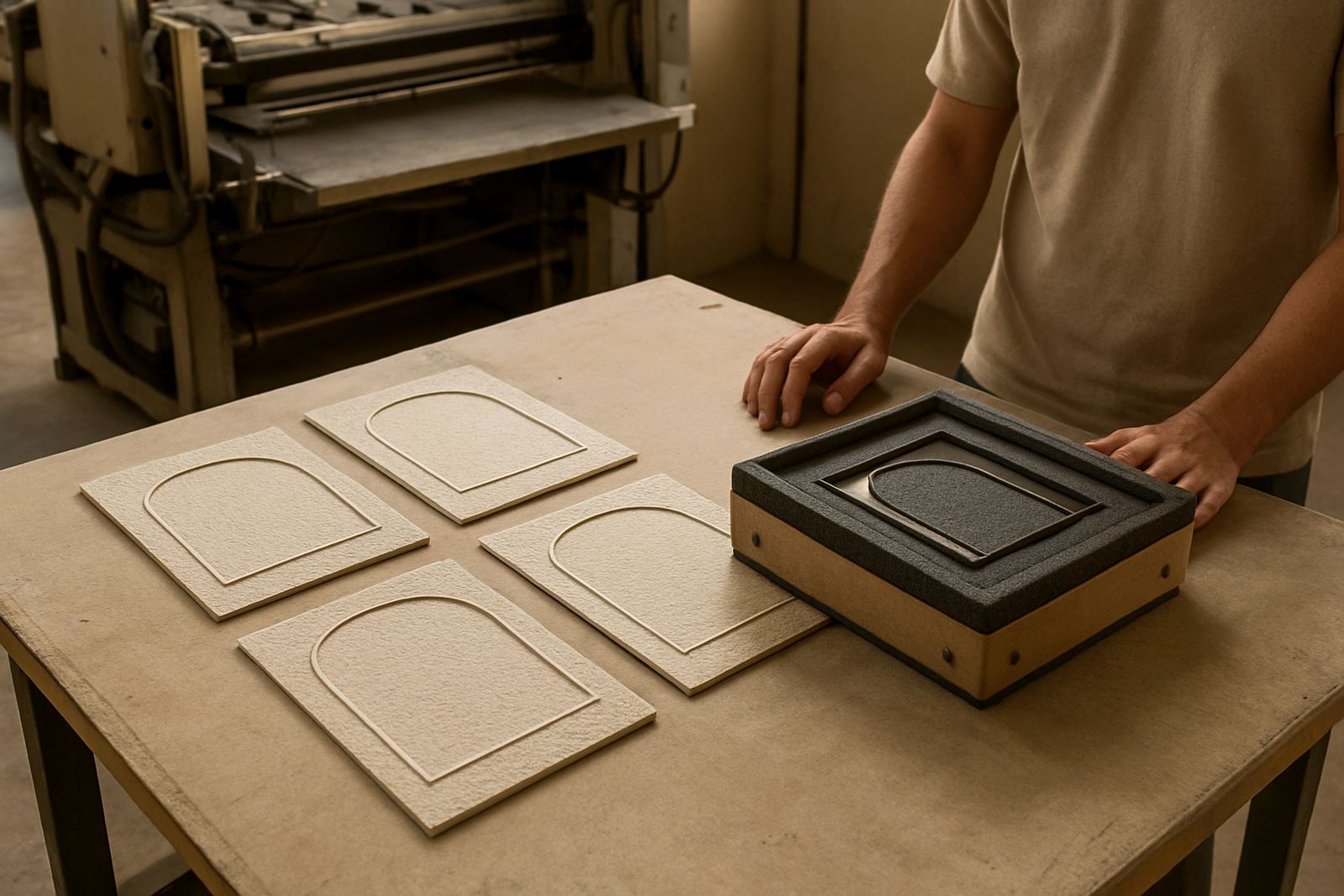
We produced rotary solid dies and magnetic tooling matched to the label shapes and press setup supplied by the converter. The CAD proofing stage was important because the job had several contours that needed to sit neatly inside the label artwork. Once the drawings were confirmed, we set the production sequence to keep the cut true and the working face consistent across the full set.
The package included shaped tooling with controlled tolerances, plus matching notes for bearer setting and repeat matching. Where the programme called for magnetic cylinders, we checked the cylinder condition and prepared the tooling so it would sit properly on press. This is the sort of job where a clean file alone is not enough, the metalwork has to match the reality of the machine.
- Die type supplied: rotary solid dies and flexible magnetic dies
- Support items: CAD proofing, bearer setting and repeat matching
- Tooling control: precise tolerances for stable cut depth
- Finish focus: smooth corners and clean stripping on shaped labels
Production timing and delivery into Cape Town
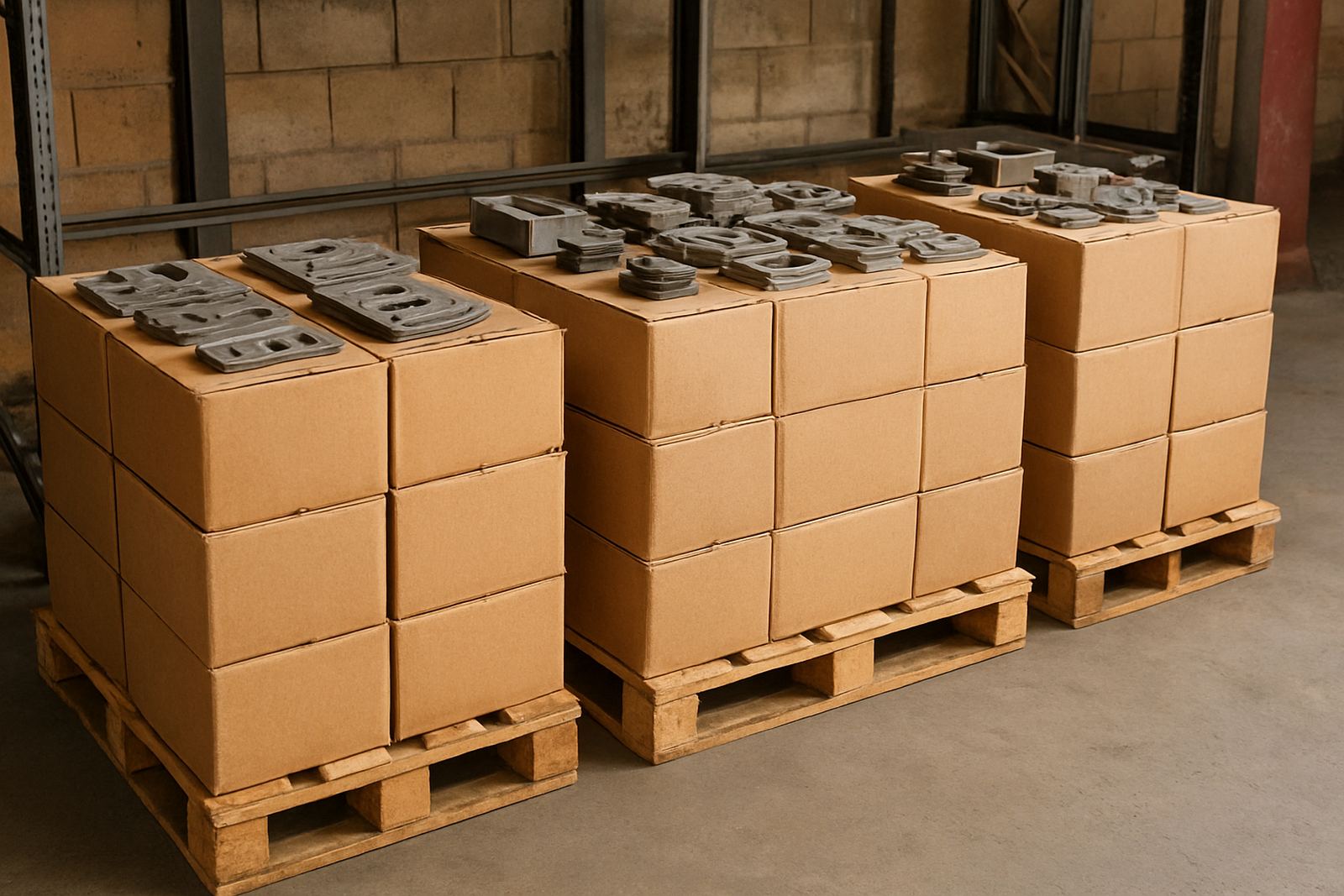
The full job moved from initial brief to finished supply in three weeks. Week one covered artwork review, measurements and proofing. In week two we completed the tooling, checked the cutting face and prepared the dispatch notes. Week three was for packing, final checks and delivery coordination to Cape Town. The timing suited the client because they had a scheduled print window and needed the dies on hand before changeover.
A job like this needs proper communication between production and dispatch. Anele handled the packing sequence so the dies arrived in the right order for the press room, while Ruhan worked through the technical details with the client. That saved time at install, especially because the press team wanted to move straight into running stock, not waste hours sorting tooling on the floor.
- Week 1: brief, measurements and CAD proofing
- Week 2: manufacture and tool finish checks
- Week 3: packing, dispatch and delivery coordination
- Delivery route: Wadeville, Germiston to Cape Town
What the client gained from the finished tooling
The result was a cleaner, more predictable cut on the wine labels, with better corner consistency and less press adjustment during the run. The converter reported easier setup and improved repeat accuracy on the shaped sizes. Because the dies were made to order with clear notes, the client could schedule the same artwork again without starting from scratch.
For a premium wine programme, that matters. The label needs to look sharp from the first sheet to the last, and it also has to stay consistent when the job returns two months later. The better the tooling matches the original brief, the less time the press team spends chasing small corrections. That keeps production moving and helps avoid waste on expensive stock.
- Cleaner edge quality on the shaped wine labels
- More stable repeat accuracy across reruns
- Less time spent on press adjustment
- Reduced waste on premium label stock
What we would repeat for the next wine project
If we were handling this Cape Town wine range again, we would keep the same process: detailed CAD proofing, measured repeat matching and close support right through to the press trial stage. That approach gives the converter confidence before the job goes live, and it helps us spot problems early if the stock, adhesive or machine setup changes. We would also keep the cylinder and die notes together for future remakes, so the next order stays quick and consistent.
Our team in Wadeville works this way on label jobs for Johannesburg, Durban, Pretoria, Gqeberha and Cape Town because the same basics apply everywhere: clean geometry, proper checks and accurate packing. Whether the job is a wine label, a food range or a short seasonal run, the pressure points are usually the same. If the tooling is right, the rest becomes much easier for the printer.
- Keep the same repeat notes for future orders
- Retain CAD records for fast remake turnaround
- Check bearer setting before each rerun
- Support the press team during the first run if needed
Key facts
| Project | Cape Town Wine |
|---|---|
| Client type | Cape Town label converter serving a wine producer |
| Tooling supplied | Rotary solid dies, flexible magnetic dies and matching cylinder support |
| Turnaround | 3 weeks from brief to delivery |
| Key tolerance focus | Precise repeat accuracy for shaped premium labels |
| Main result | Cleaner corners, stable setup and repeatable run quality |