Why the bulk remake was needed
The client was a label converter in Montague handling repeat label work for short and medium runs, with older rotary and flexible magnetic tooling that had started to drift out of tolerance. Some sets were still serviceable, but the wear pattern was different from die to die, which meant press teams were spending too much time adjusting make-ready and chasing variation across batches.
They asked for a bulk remake and supply programme that would let them consolidate those older tooling sets into a more consistent working pack. The aim was not just to replace worn parts, but to standardise the set for the presses they were running, keep the cutting profile clean, and reduce the risk of rework when jobs came back months later. In plain terms, they needed tooling that behaved the same from job to job, not a mix of old and almost-old pieces.
What we checked before production started
We began with a full review of the sample tooling, repeat patterns and any usable measurements supplied through the enquiry process. Where previous parts had been repaired or re-ground over time, we checked for cumulative wear on bearer surfaces, cutting depth and cylinder fit. That matters when you are dealing with older sets, because one small variation can affect the entire run.
- Profile comparison against the original working samples
- Bearing and bearer setting review for press stability
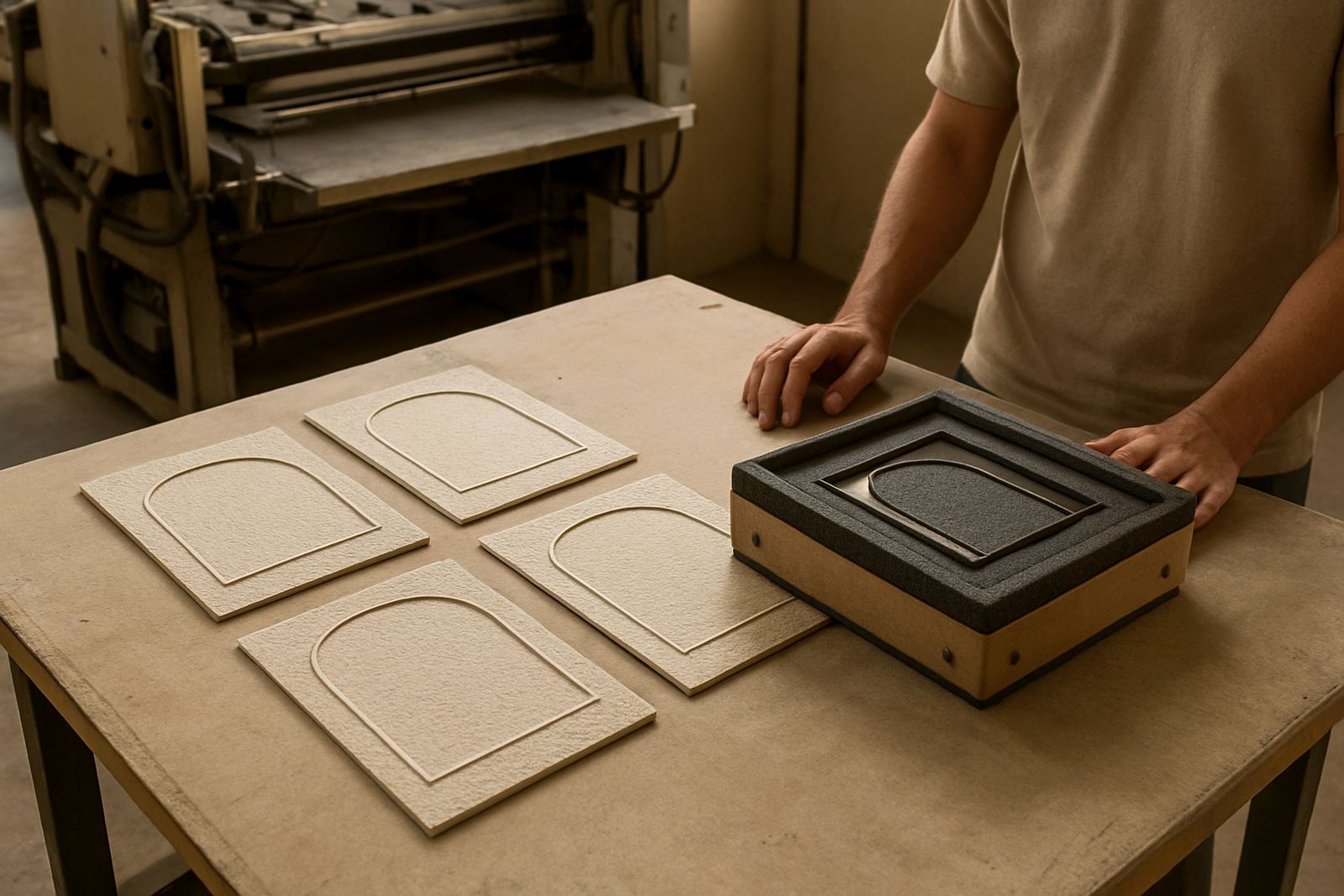
- Magnet check on the flexible dies and cylinders
- CAD proofing for repeat accuracy before machining
- Assessment of any parts suitable for cylinder refurb or die regrind
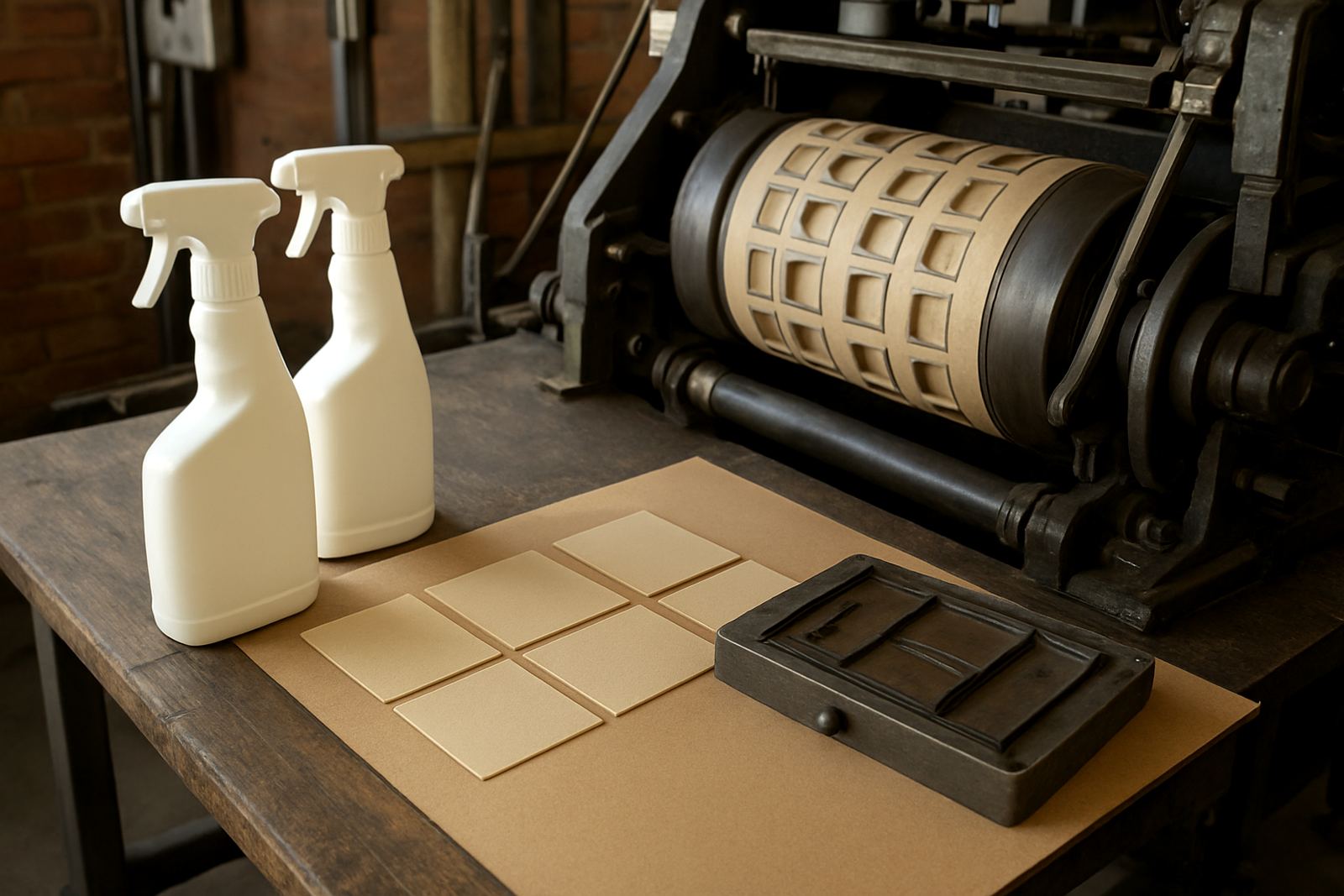
We also looked at the customer’s likely run pattern. Their work had mixed repeat orders, so the tooling needed to be easy to identify, easy to store and ready for quick turn-around when the same label returned. That helped us decide which sets should be remade as rotary solid dies, which should stay as flexible magnetic dies, and where a cylinder refurb would give better value.
The tooling package we supplied
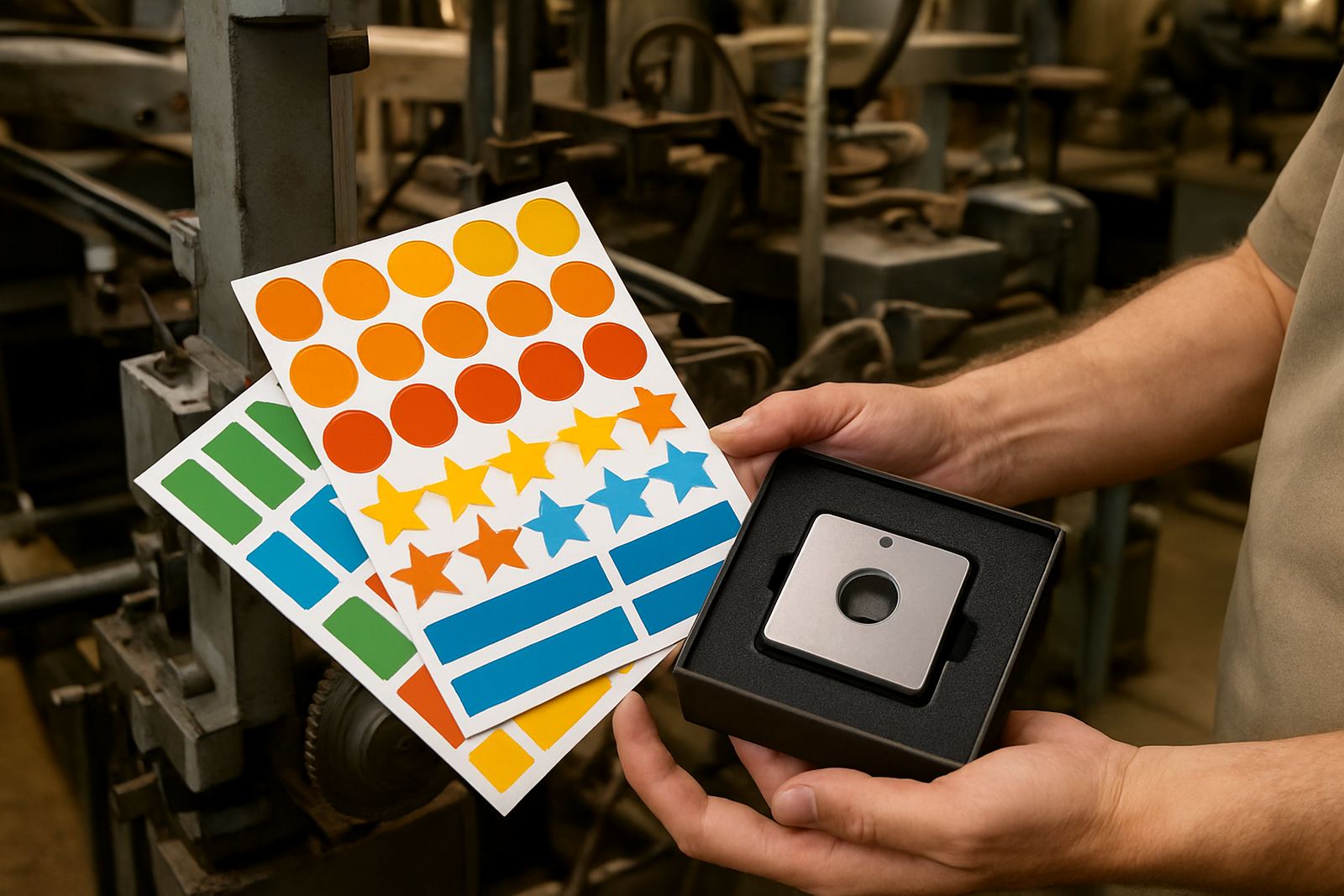
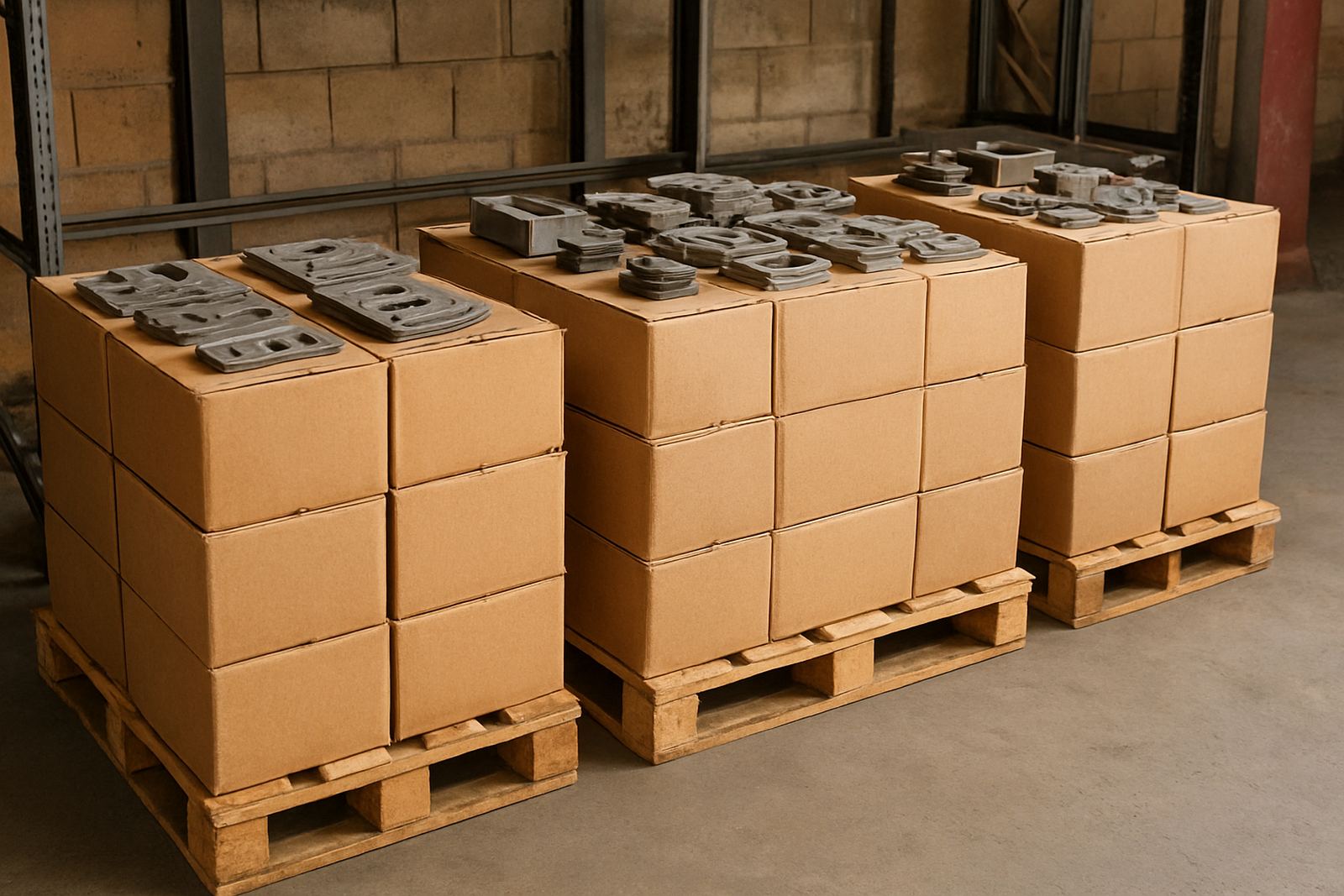
The final order included a mixture of rotary solid dies, flexible magnetic dies and magnetic cylinders, all made to order for the converter’s label work. The key requirement was precise tolerance control, because the client runs a production environment where press time is valuable and waste must stay down. We set the tooling for consistent cutting performance and packed it so the sets could be issued by job number without confusion.
For the higher wear items, we carried out die regrind work and reset the bearer settings where needed. On the cylinder side, we completed refurb work on selected units so that the client did not have to replace everything at once. That kept the programme practical and helped the customer spread cost without compromising the final result.
- Rotary solid dies for repeat label conversion jobs
- Flexible magnetic dies for shorter run and changeover work
- Magnetic cylinders matched to the required press format
- Die regrind and bearer setting on selected older tooling
- Packing, dispatch and delivery coordination to Montague and onward supply routes
How the six-week programme was run
The full project ran over six weeks from receipt of the samples to final dispatch. Week one was assessment and measurement. Week two covered CAD proofing and approval of the working dimensions. Weeks three and four were machining and refining the cutting edges, with repeat matching done alongside production so the whole order stayed aligned. Week five was final checks, including magnet checks and fit verification. Week six was packing, dispatch and delivery coordination.
Because the client had old tooling from several batches, we had to balance speed with accuracy. There was no point rushing the remake if it meant the press team would inherit the same problems again. We kept the process moving but also allowed for a proper sign-off stage, which saved time later and avoided a second round of adjustments. That is often the difference between a quick fix and a proper bulk order programme.
Result on press and in the store room
Once the remade tooling went into service, the converter saw a cleaner handover between jobs and less time spent correcting setup on press. The older sets that had been causing inconsistent results were taken out of circulation, and the new pack was easier to issue and track. The store room benefited too, because the customer now had a clearer set of parts with matching references rather than a mixed bag of worn tooling and partial fixes.
The most useful outcome was repeatability. When a label came back for a second or third run, the press team could rely on the same dimensions and the same cutting behaviour. For a business working through multiple deliveries and changing production schedules, that consistency matters more than people sometimes realise. It reduces waste, helps keep lead times steady and makes urgent remakes far less disruptive.
What this bulk die run got right for future repeat work
If we were doing a similar bulk order again for a converter in Montague, Pinetown, Germiston or further afield, we would follow the same sequence: assess, prove, remake, check and dispatch. That approach works well where older tooling sets need to be consolidated into a dependable working pack. It is especially useful when the customer has mixed rotary and flexible tooling and needs a practical supply programme rather than a one-off replacement.
We would also keep the repeat matching discipline in place from the start, because it saves trouble later on. If the tooling is going back into regular use across Johannesburg, Durban, Cape Town, Gqeberha or Pretoria, every unit needs to fit the same production standard. That is how you get fewer call-backs, fewer press stoppages and a lot less frustration for the production team.
- Start with sample comparison, not assumptions
- Keep rotary, flexible and cylinder work on one measured plan
- Use refurb and regrind where it protects value
- Package the order for easy store-room control
- Build in final approval before dispatch, even on urgent work
Key facts
| Project | Montague Bulk Order |
|---|---|
| Client type | Label converter consolidating older tooling sets |
| Location | Montague, South Africa |
| Programme length | 6 weeks |
| Supplied | Rotary solid dies, flexible magnetic dies, magnetic cylinders |
| Key services | Die design, CAD proofing, repeat matching, cylinder refurb, die regrind, bearer setting, magnet checks, packing and dispatch |