Cleaner label tooling for a Westville pack change
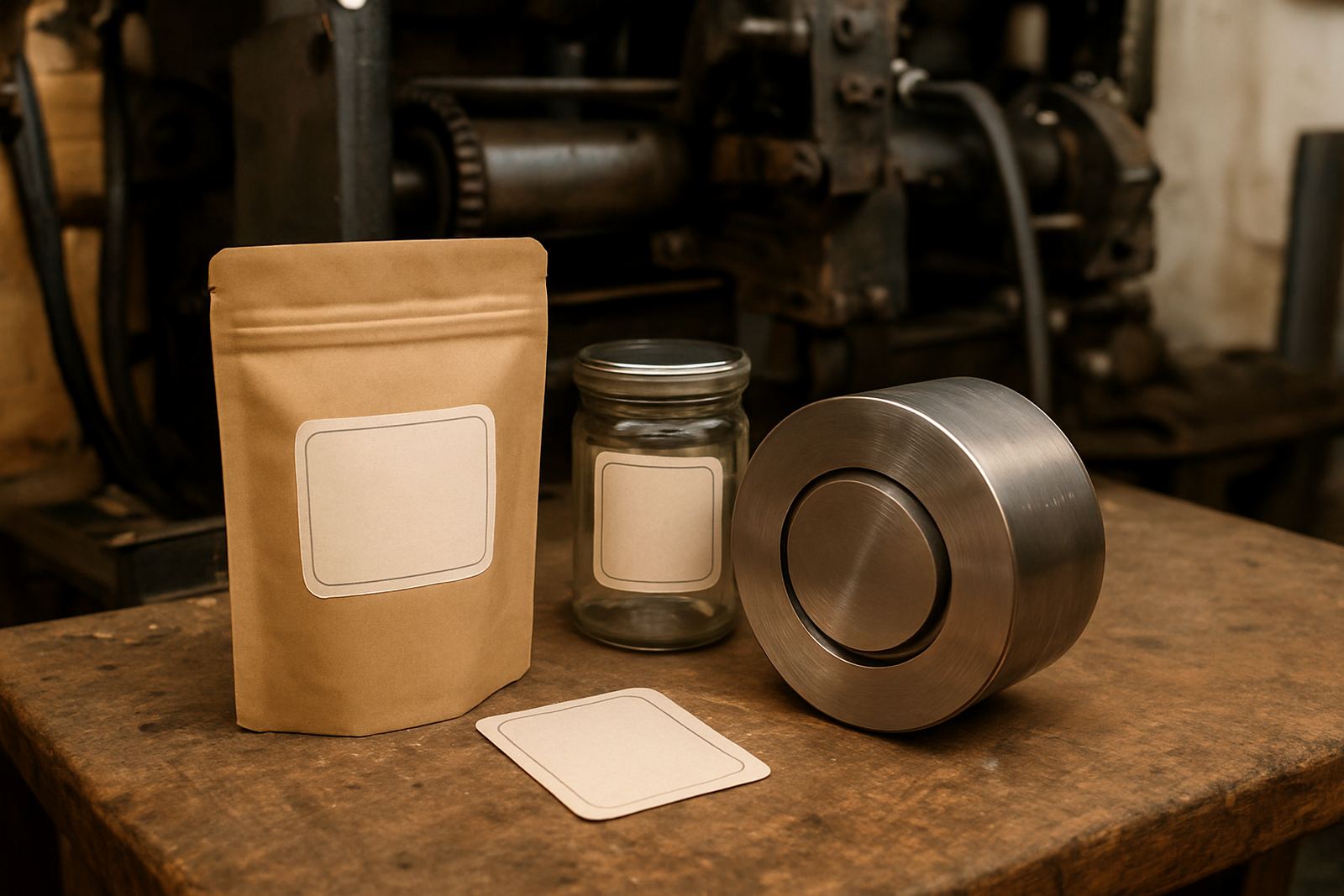
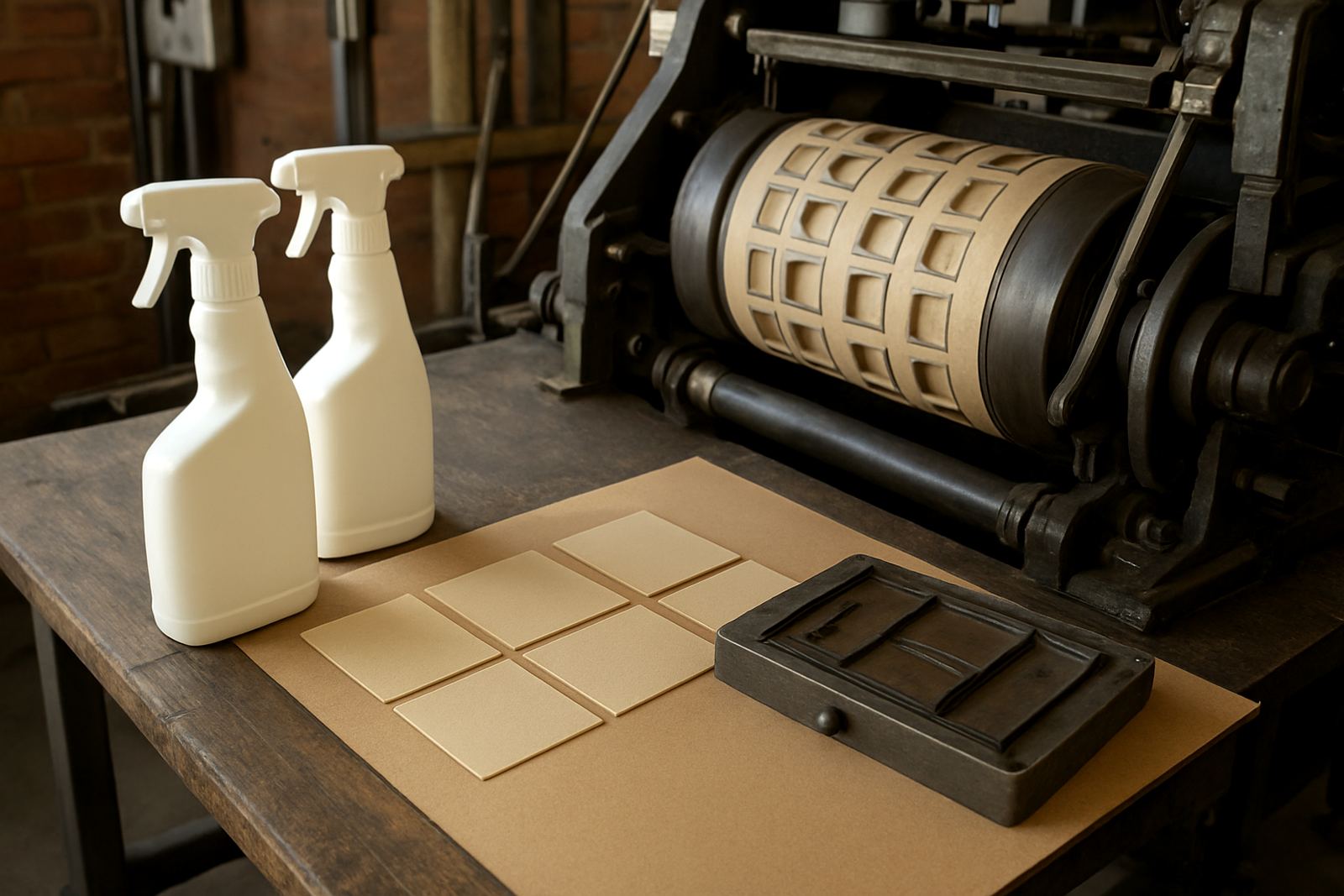
The job came from a Durban-side label printer supplying household cleaner packs into Westville and nearby retail channels. The labels were for a squeezable bottle range, so the tooling had to suit curved packs, tight panel sizes and a finish that looked neat even when the bottle was flexed in use.
The client needed a controlled cut, dependable repeat runs and a die set up for the stock they were using on press. Household cleaners are not forgiving. If the label lifts at a corner or the cut is slightly off, the pack looks tired very quickly, especially on bottles that get handled in wet areas and stored under counters.
- Label type: pressure-sensitive cleaner labels
- Pack format: squeezable plastic bottles with curved faces
- Application area: Westville and surrounding Durban distribution
- Main concern: adhesive grip and clean release from the liner
What the brief asked us to fix
The first issue was fit. The original label size was fine on paper, but once it went onto the bottle shape the corners wanted to lift and the panel alignment looked uneven. The second issue was adhesive performance. The client wanted a stronger bond for a wet-use product, but without making the labels difficult to apply on the line.
We also had to keep the tooling suitable for their repeat jobs. This meant matching the existing artwork position and keeping the cut tolerances tight enough for the same label to run again later without reworking the whole file. In a busy print shop, that saves time, waste and a lot of back-and-forth.
- Keep cutter tolerances tight for repeat work
- Allow for bottle curvature and squeeze distortion
- Support a stronger adhesive spec without line stoppages
- Match the existing label panel dimensions where possible
Tooling we supplied and how it was set up
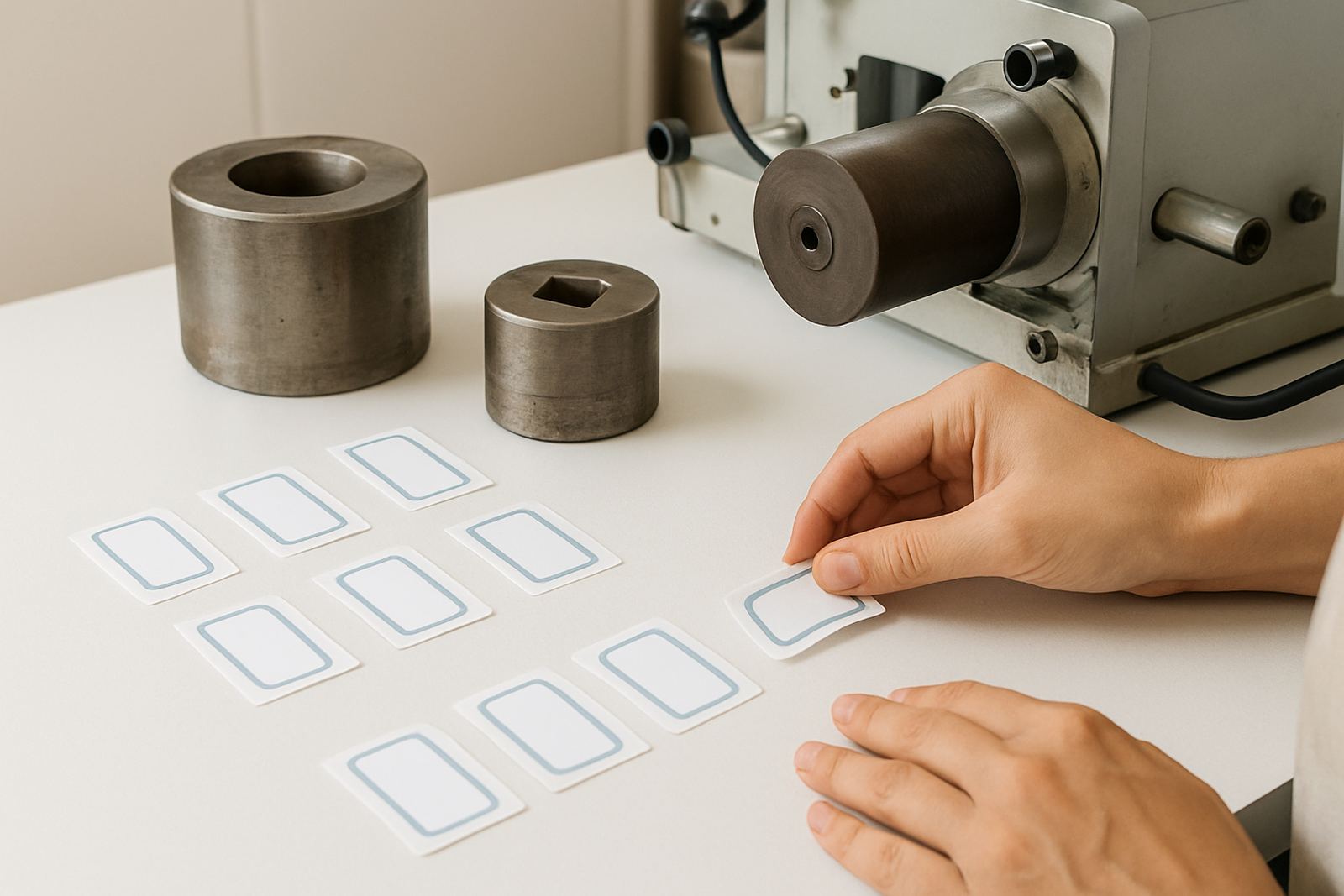
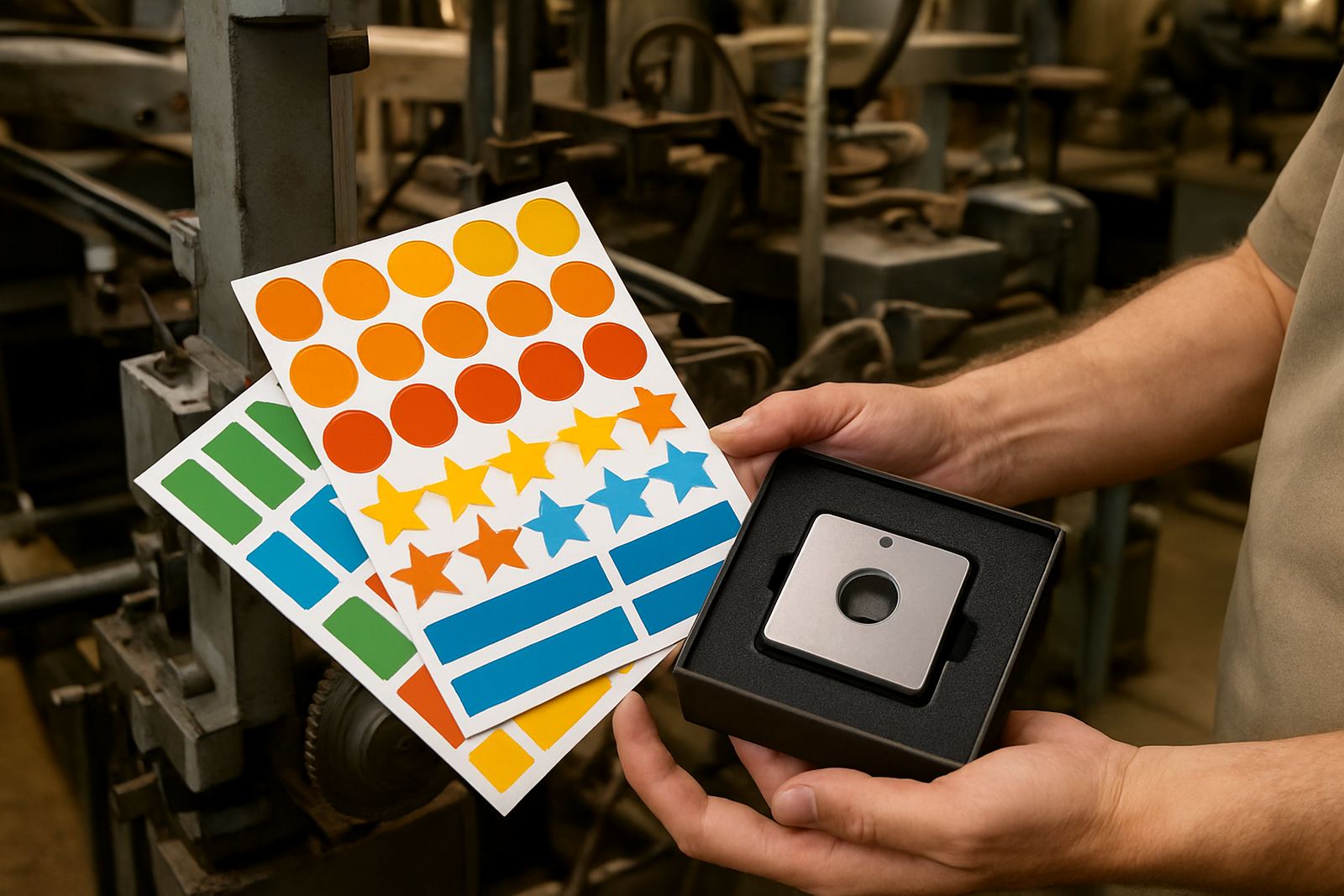
We supplied rotary and flexible magnetic die tooling for the label size, with CAD proofing done before production so the team could check the cut position against the artwork. Where needed, we adjusted the geometry for corner relief and made sure the bearer setting supported a stable cut on press. That matters when you are running label stock that is slightly more aggressive or when the substrate thickness changes between batches.
Because cleaner labels often need to run cleanly on standard converting equipment, we kept the setup practical. The die face was prepared for accurate repeat work, and the magnetic set-up was checked for fit and alignment. In this kind of job, good packing and dispatch are part of the result too, because a die that arrives damaged or out of square can throw out the whole shift.
- CAD proofing against the supplied label artwork
- Die design adjusted for bottle curve and panel width
- Bearer setting checked for stable cutting pressure
- Packing and dispatch coordinated for Durban delivery
Production timeline and press support
The turnaround ran over three weeks from brief to delivery. Week one covered the measurements, artwork check and technical sign-off. Week two was the manufacture and finishing of the die set, with a repeat check before release. Week three covered dispatch coordination and a follow-up on press support once the printer had the tooling in hand.
The press trial confirmed that the new cut held its shape on the bottle panel and that the adhesive behaved better on the intended substrate. A small adjustment was made to the repeat set-up so the line could keep moving without the operator having to stop and recheck every few minutes. That kind of support sounds minor, but on a loaded shift it saves real time.
- Week 1: measurements, proofing and sign-off
- Week 2: manufacturing, finishing and repeat check
- Week 3: dispatch and press trial support
- Outcome: stable run with reduced waste on the press
Results on the bottles and on the line
The finished labels sat better on the cleaner bottles, with sharper edges and less corner lift on the curved panels. The printer reported improved run consistency on press and fewer interruptions while setting up the job. For a product that will be squeezed, handled with damp hands and stored in kitchens or laundries, that bit of extra grip makes a noticeable difference.
It also helped that the tooling was set up with future repeats in mind. When the same customer comes back for a replenishment run, the labels can be matched more quickly and the print team does not have to start from scratch. That is especially useful for Durban jobs where turnaround can be tight and delivery windows can be affected by weather, road delays or load-shedding in the wider supply chain.
- Cleaner appearance on curved bottle faces
- Better adhesive performance for wet-use handling
- Less wastage during make-ready and run-in
- Repeatability for the next order cycle
What we would repeat for the next cleaner range
If this project came back with a new bottle size or a larger pack family, we would start with the same sequence: confirm the panel measurements, check the adhesive requirement and proof the cut before manufacture. For cleaner labels, those first checks prevent most of the trouble later on. The label may look simple, but the pack behaviour tells a different story once it is filled and handled in the real world.
We would also keep the same practical support in place for the printer. That means repeat matching, advice on stock choice, and support if the line shows any sign of drift. For Westville and the greater Durban area, that kind of support helps keep local production moving without overcomplicating the job.
- Recheck bottle geometry before any size change
- Keep the adhesive spec matched to wet-use handling
- Use repeat matching for future runs
- Keep dispatch and delivery timing aligned with press plans