Pharma booklet work in Jet Park needs tight control
The brief came from a pharmaceutical packaging site in Jet Park, Johannesburg, where the line was handling small-format booklet-style labels for regulated packs. The team needed tooling that could hold clean cut depth, keep registration steady across repeat jobs, and give them enough margin to run confidently on faster press speeds without pulling fibres or damaging the liner.
They were working to strict pack presentation requirements, with no room for loose slitting, rough edges or drift between cavities. On this type of label work, even a small variation can cause problems at stripping, matrix removal or final application. We treated the job as a control project first and a tooling supply job second, because that is what saves time on the press later.
The site also had normal South African production pressures to deal with, including load-shedding windows, shorter available press hours and a need to avoid unnecessary machine downtime. That meant we had to keep the delivery cycle tight, and make sure the tooling arrived ready for set-up rather than needing back-and-forth changes.
What the brief called for
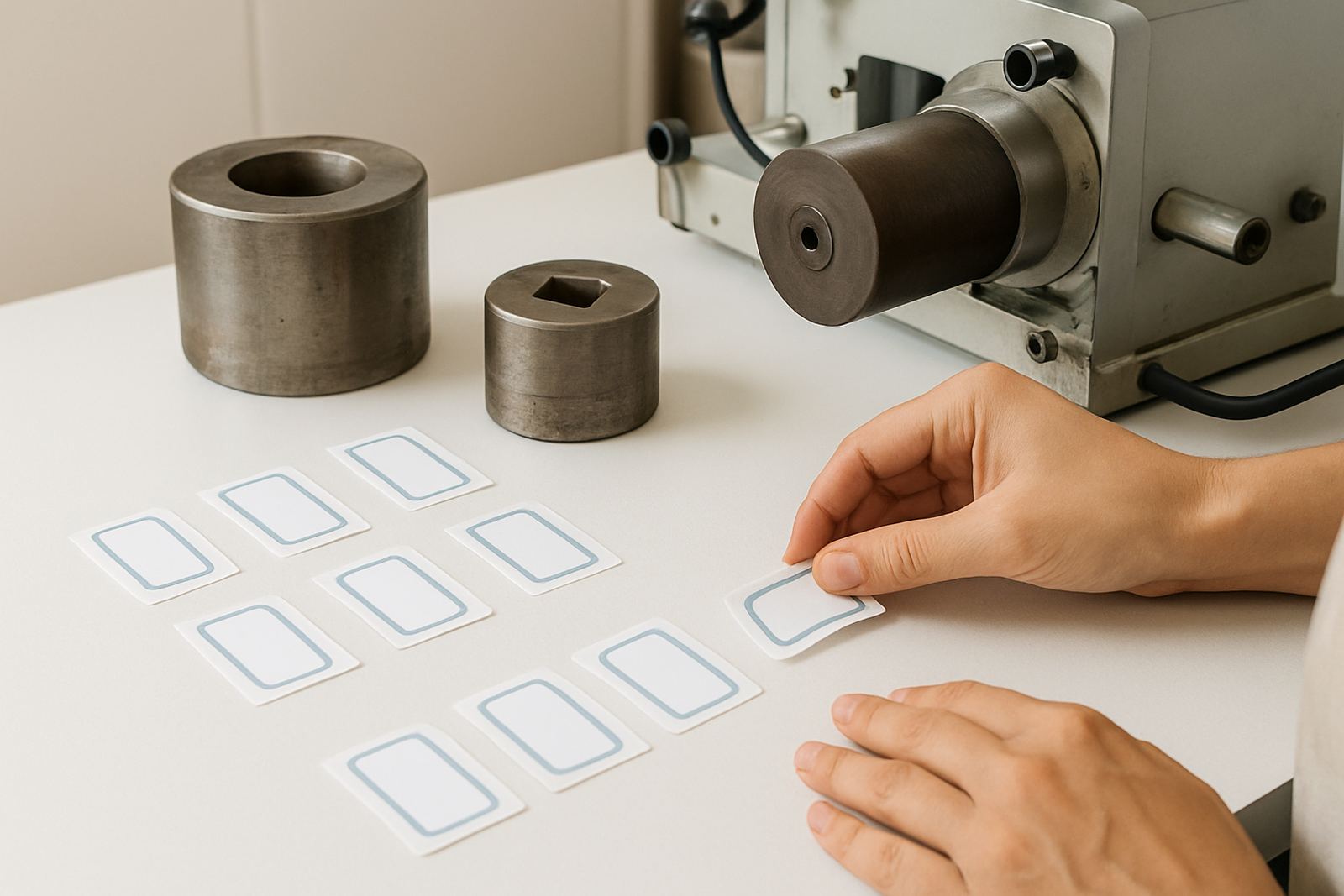
The customer asked for close cavity control on a small-format pharmaceutical label, plus a repeatable die profile that could be matched on future orders. They also needed advice on bearer setting and press-ready support, because the line had seen a few jobs where cut depth changed after setup and started to affect release.
- Booklet-style label tooling for narrow format pharmaceutical packs
- Tight cavity tolerance for consistent cut and strip performance
- Repeat matching for future reorders without reworking the art path
- Practical press support for initial setup and trial runs
- Fast turnaround, because stock levels were being managed carefully
We also had to work around humidity and storage conditions, since Johannesburg sites can still see tooling stored in changing conditions between shifts. That meant we paid attention to finish, handling and packing so the dies arrived clean and protected.
Tooling supplied and setup details
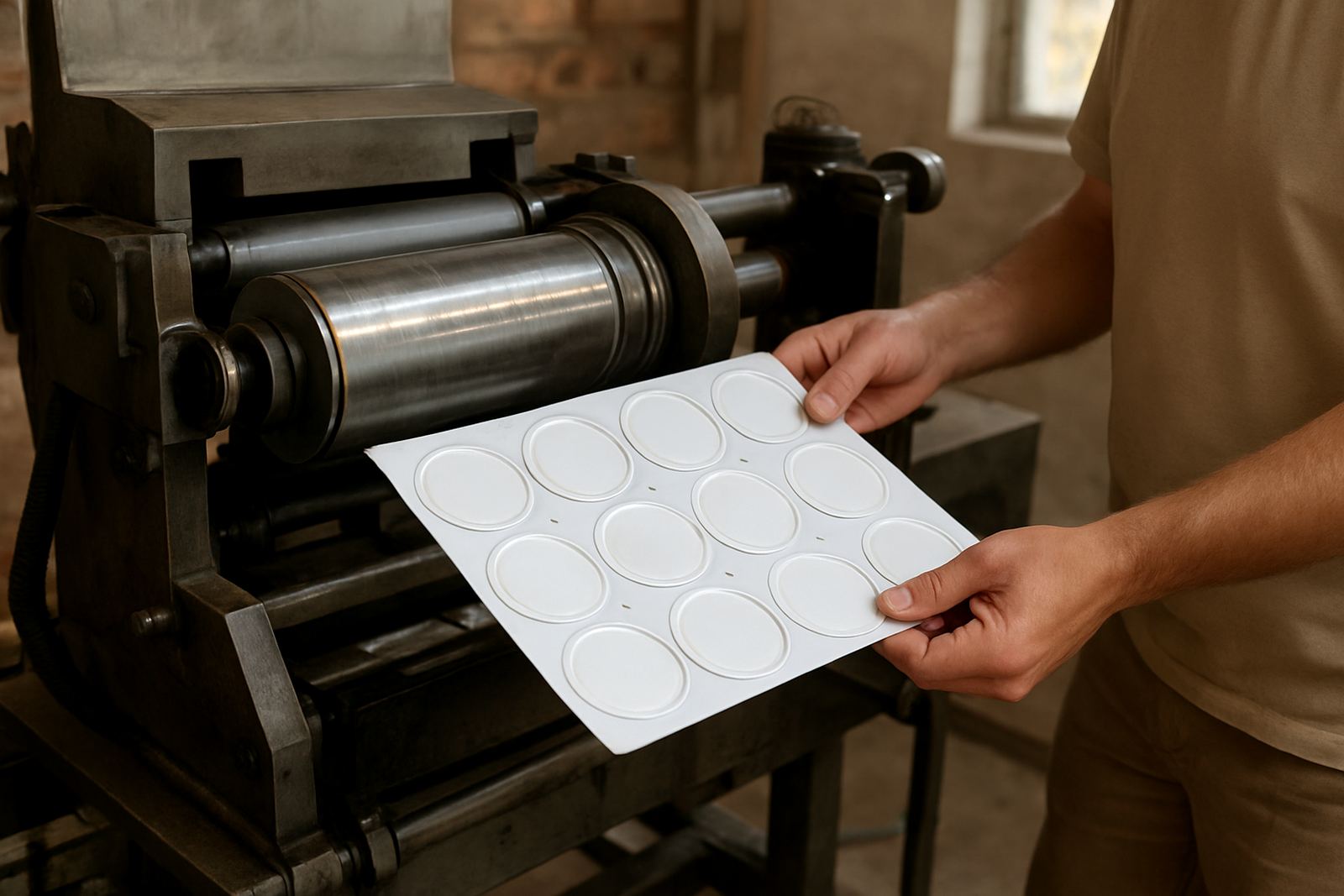
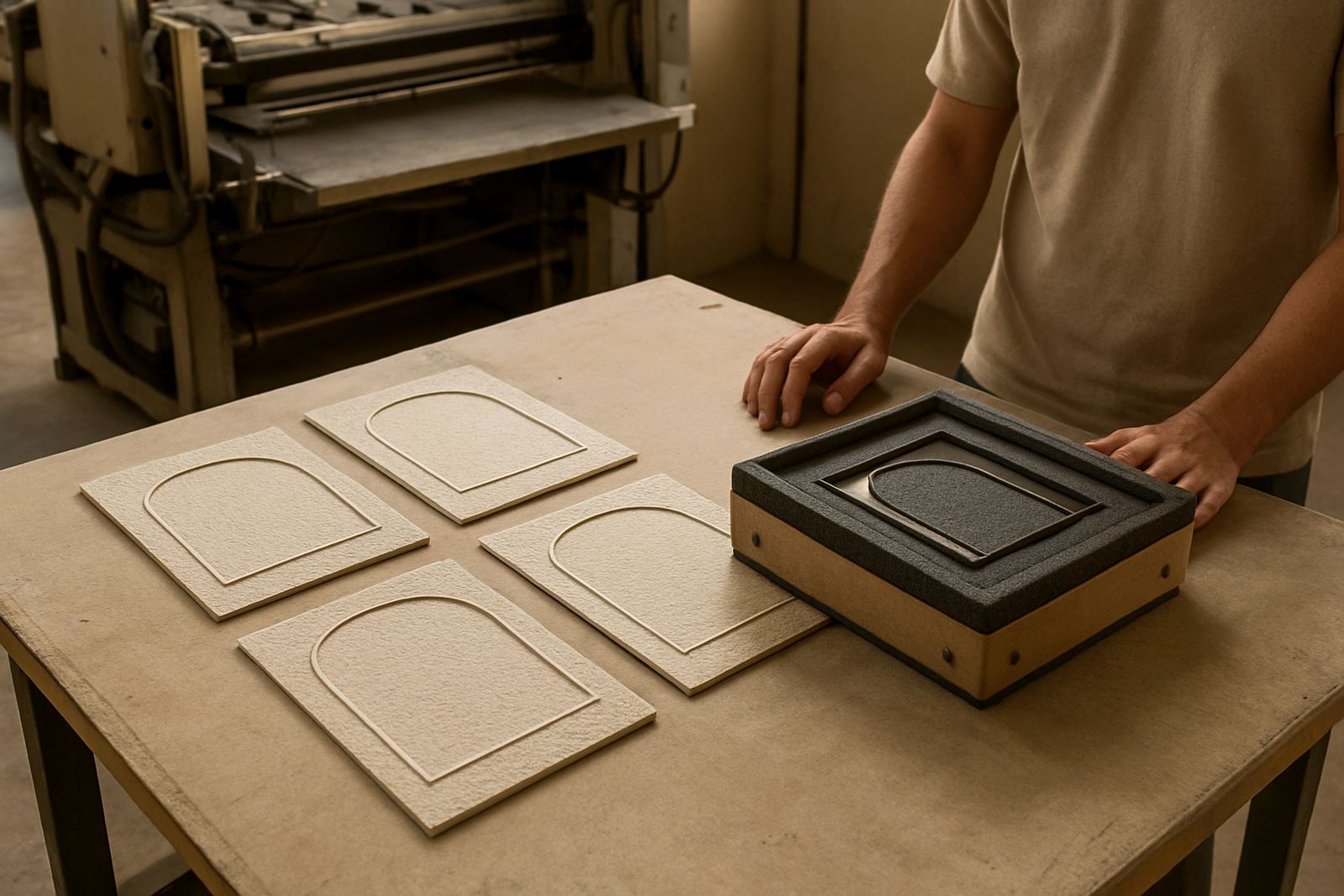
We supplied a rotary solid die for the main cut pattern, together with flexible magnetic die support for related repeat jobs where a quicker changeover was useful. The tooling was built to suit small-format pharmaceutical label production, with cavity control kept tight enough for clean stripping and reliable repeat runs.
Key working facts on the order included a narrow web layout, a compact repeat size and close dimensional control on the cut path. The job also required careful bearer setting and magnet checks to make sure the die sat correctly on press and did not introduce uneven pressure across the run. Nirasha handled the CAD proofing, while Thandiwe and Siyanda managed the production and machine work through our Wadeville, Germiston base.
Ruhan coordinated the technical side with the client, including what to watch for during the first press trial and which adjustment points would matter most if the line saw any variation. We kept the notes practical, not overcomplicated, because production teams need clear guidance they can use immediately.
Timeline from approval to dispatch
The full turnaround ran over three weeks, which suited the customer’s window for replenishment. Week one covered design review, cavity checks and CAD proofing. Week two covered manufacture, setting and initial inspection. Week three covered final checks, packing and dispatch coordination from Germiston to Jet Park.
- Week 1: brief, measurements and proof approval
- Week 2: die manufacture, bearing setting and inspection
- Week 3: final packing, dispatch and delivery coordination
Anele handled the dispatch side so the shipment moved cleanly through our delivery schedule without holding up the press booking. For a pharma site, that sort of planning matters because one missed delivery can throw off finished stock and downstream packing, especially when the client is trying to keep inventory lean.
Results on the press and in production
The first press trial showed the value of the tighter cavity control straight away. Cut edges were cleaner, stripping was more predictable and the operator did not need to keep chasing minor adjustments during the run. That made the job steadier and reduced the amount of waste on startup.
The client also reported better repeatability on the next order because the die profile had been captured carefully and matched back to the original requirement. In practical terms, that meant less setup time, fewer interruptions and more confidence when the line had to switch between pharmaceutical SKUs under pressure.
One of the best signs of success was simply that the team could run the label without second guessing the tooling. They had enough control to keep the job moving and enough consistency to trust the repeat order. That is the point of good die work, even if it doesnt look dramatic on paper.
What we would do again for a similar pharma job
For a similar project in Jet Park, Isando or City Deep, we would follow the same approach: confirm the cut requirements early, proof the cavity layout carefully and build in enough time for a proper press trial. With pharmaceutical packaging, shortcuts usually come back later as waste, rework or application issues.
We would also keep the same emphasis on repeat matching and close communication between production and dispatch. When the job is small-format and the customer is working to a tight stock plan, getting the right die to the right press on time is half the battle. The other half is making sure the tooling behaves the same way on the next order.
That is the way we like to work across Germiston, Johannesburg, Pretoria, Durban, Cape Town and Gqeberha: practical setup, clear tolerances and proper follow-through from CAD to dispatch.
Key facts
| Project | Jet Park Pharma |
|---|---|
| Client type | Pharmaceutical packaging site, Jet Park, Johannesburg |
| Tooling supplied | Rotary solid die and flexible magnetic die support |
| Tolerance focus | Close cavity control for booklet-style labels |
| Turnaround | 3 weeks from approval to dispatch |
| Support included | CAD proofing, bearer setting, press trial support, repeat matching |