Food pack labels that had to run clean from the first set
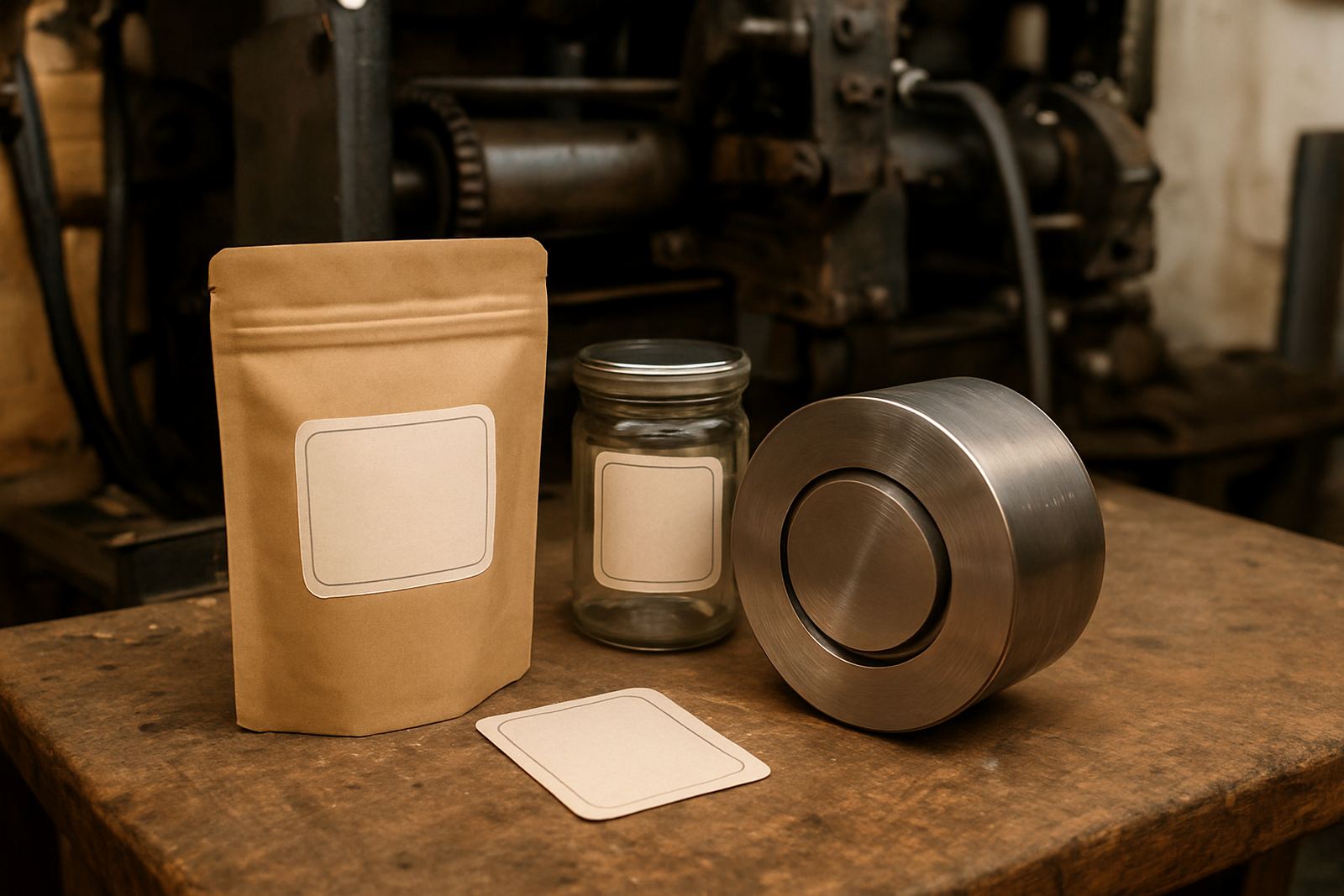
The brief came from a food pack converter in Gqeberha handling short and medium runs for pouch labels and jar labels. The work needed neat edges, accurate registration and no lifting at the corners, because the labels were going onto packs that move quickly through filling and sealing lines. The client also wanted a die set that could be used again for repeat work without losing cut quality.
The main challenge was the mix of materials. Some label stocks were treated for moisture resistance, while others had a smoother face for branded packs that sit on shelves in coastal humidity. We had to match the cut force to the stock so the labels released cleanly without marking the liner or crushing fine details. In food pack work, a small overcut can cause waste, and a dull edge can slow the whole shift.
What the brief asked us to cover
The customer needed one die solution for two label families, with clean cut profiles and repeatable sizing across multiple artworks. The pouch labels were smaller and used tighter curves, while the jar labels carried a wider shape with a few fine corners and small type knockouts. We were asked to keep the tooling practical for local presswork, with steady performance on standard label converting equipment.
- Rotary die work for a production press running label stock in roll form
- Flexible magnetic die options for faster changeover on repeat jobs
- Cut tolerance held to 0.10 mm on critical features
- Fine detail retained on small corner radii and narrow bridges
- Artwork checked for repeat fit before machining started
We also had to allow for future remakes. That meant keeping the geometry clean, logging the spec correctly and making sure the client could come back for the same profile without starting from scratch. It saves time when a food pack customer reorders after a successful retail launch.
How we set up the die work in Wadeville
Our production team in Wadeville, Germiston handled the job from CAD proofing through to machine shop preparation. Nirasha Ramdass checked the artwork against the repeat length and the cut path, then the technical team reviewed the bearer setting and magnet match. Thandiwe Nkosi coordinated the workflow so the die set could move through preparation without delays, while Siyanda Letsoalo oversaw the machining and finishing sequence.
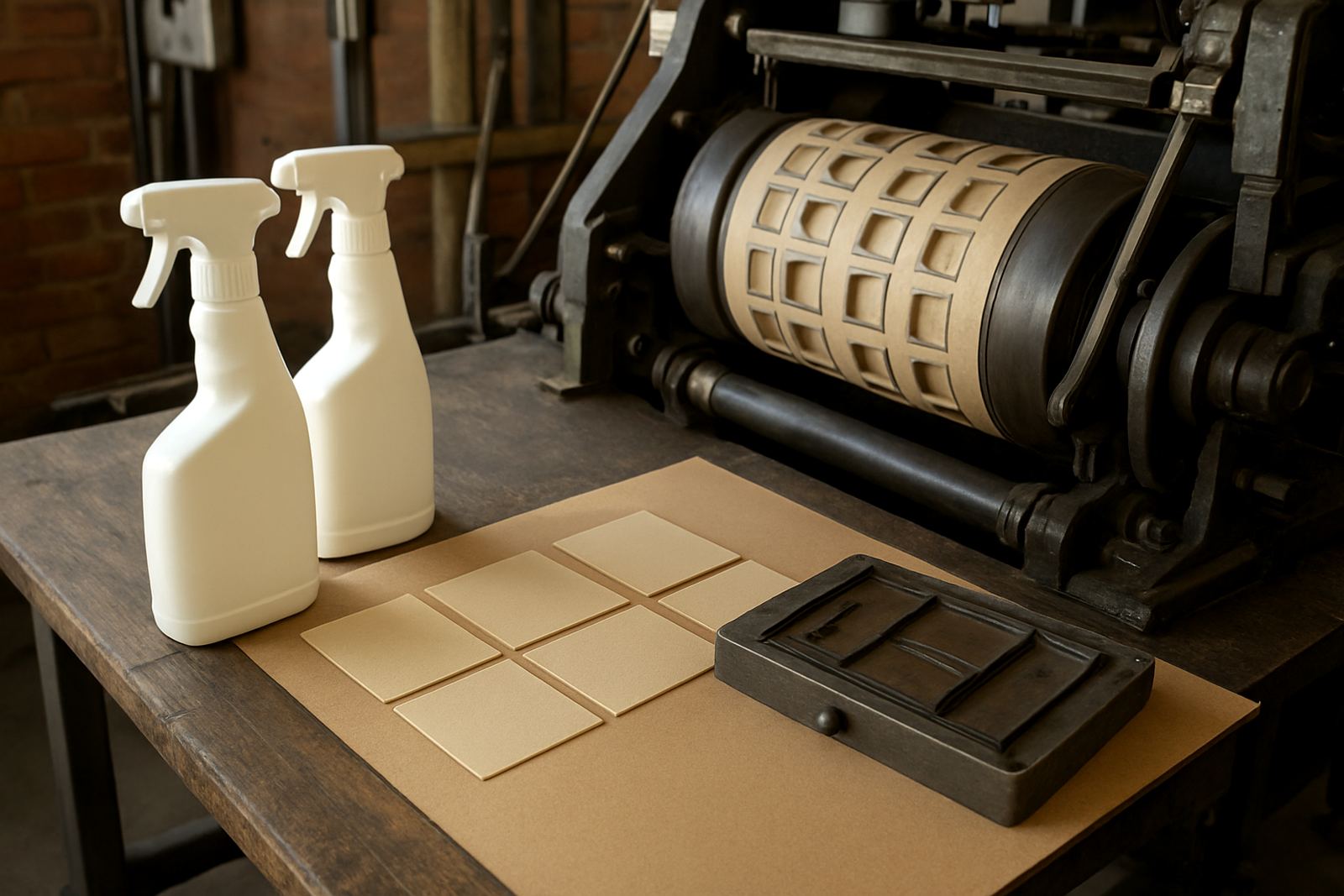
We supplied one rotary solid die for the main run and a matching flexible magnetic die for follow-up work where quicker changeover was useful. Where the customer wanted future servicing options, we also noted the cylinder dimensions and the likely regrind path. The job was built for practical use on South African production floors, where power interruptions, shift changes and urgent print windows can all affect timing.
- Die design and CAD proofing completed before cutting started
- Magnet checks carried out to confirm contact and seating
- Bearer setting checked for even pressure across the repeat
- Press trial support provided to confirm cut depth and release
Timeline, delivery and press support
The full project took three weeks from approval to dispatch. Week one covered artwork checking, repeat matching and production sign-off. Week two was the machining and fitting stage, with final edge checks and preparation for dispatch. In week three we handled packing, delivery coordination and support for the first press trial in Gqeberha.
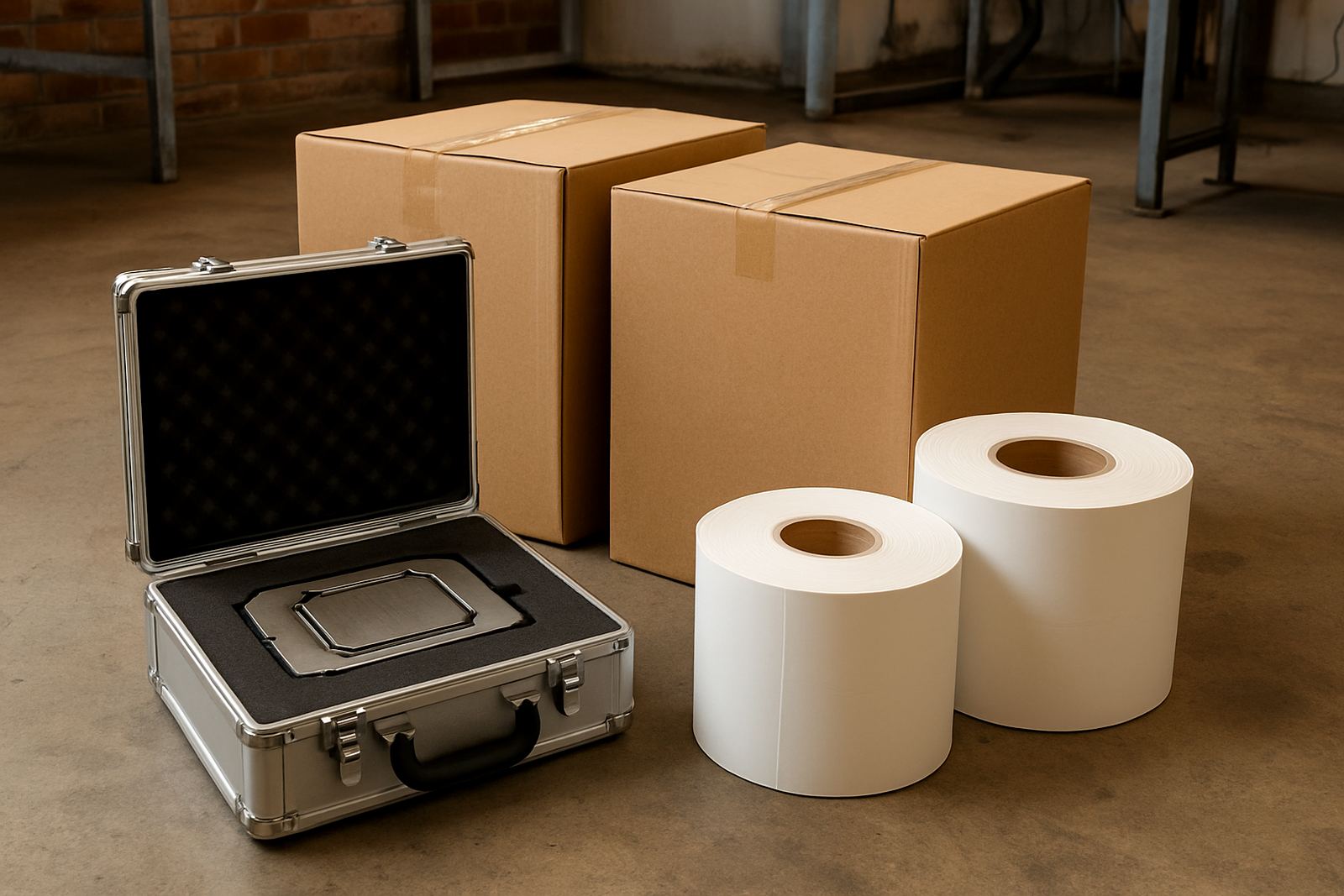
The client needed the tools to arrive in good condition and ready to go straight onto the floor. Anele Mthembu handled packing and dispatch, and the delivery was coordinated to suit the site receiving window so there was no unnecessary down time. For food pack work, delivery timing matters because a missed slot can hold up the next print batch and delay despatch to packhouses, wholesalers or retail customers.
- Total turnaround: 3 weeks
- Delivery area: Gqeberha industrial zone
- Support: first-run press trial and setup guidance
- Outcome: clean cut labels with no edge fray reported on handover
Results on pouch and jar labels
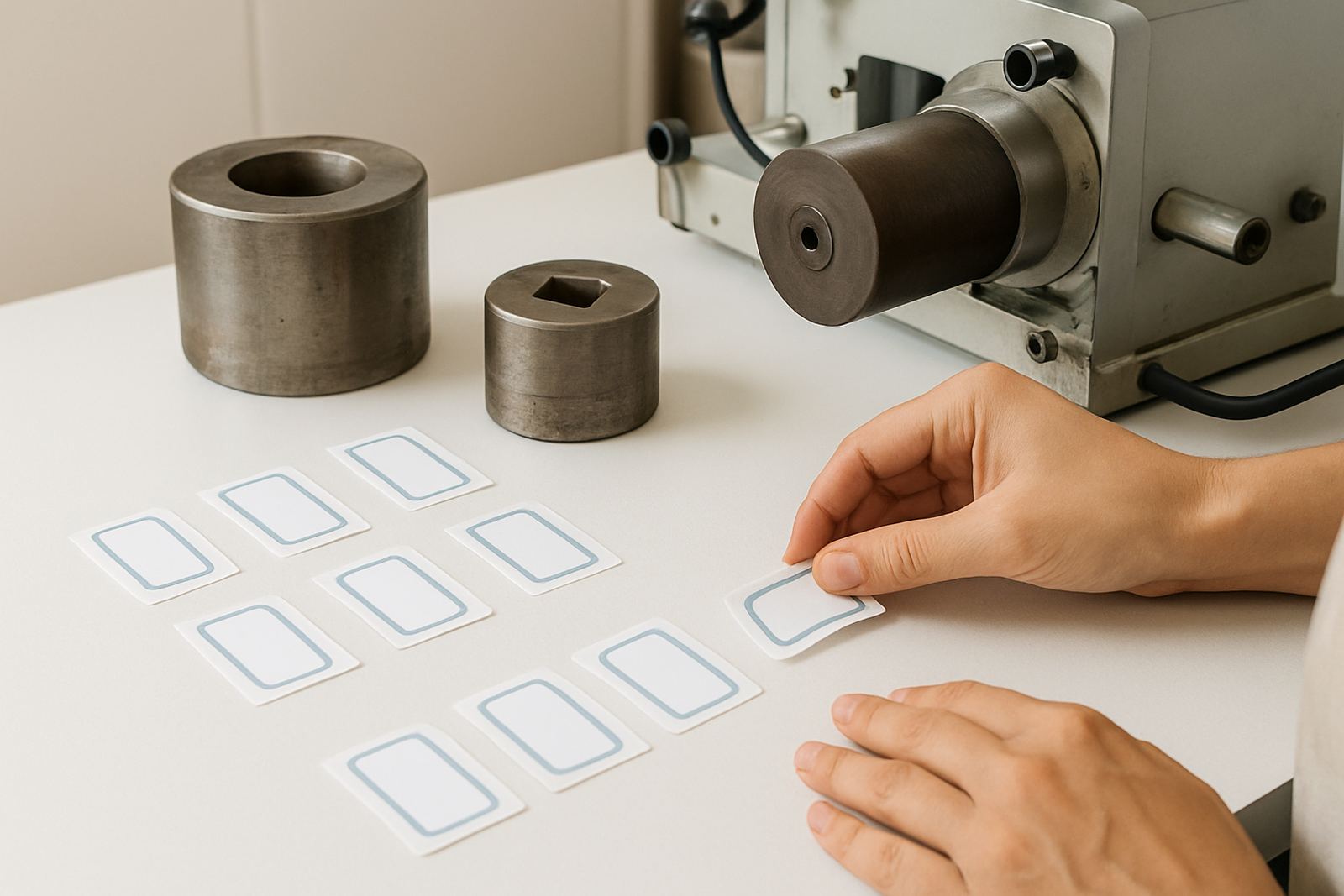
The finished dies gave the client clean cut edges, consistent release and a neater stack on the rewind. The pouch labels held their shape properly, while the jar labels showed improved edge quality on the tighter curves. There was less trimming needed after converting, which helped the team keep waste down and maintain a steadier line speed.
For the customer, the biggest gain was repeatability. The same spec could be used again for reorders, and the production team had confidence that the label edges would stay crisp across the run. That matters in food packaging where presentation is part of the product and a rough edge can make even a good label look untidy.
We also gave the client practical stock advice for future jobs. For coastal work in Gqeberha, material choice and storage conditions both matter. If the stock sits too long in damp air or near a hot loading bay, registration can shift and the die needs to work harder than it should.
What we would carry into the next food pack run
On a similar Gqeberha food-pack run, we would again lock the proof before machining, verify the repeat against the press layout, and match the cutting profile to the actual stock being used.: proof early, check the repeat carefully and confirm the cutting profile against the exact stock before machining. That method is worth keeping for any food pack work with mixed label sizes or short lead times. It gives the converter a better chance of hitting the press window first time.
For similar projects we would also recommend storing the die and matching cylinder notes together, especially where there is a mix of rotary solid tooling and flexible magnetic options. It makes repeat matching faster and reduces confusion when a job comes back months later. That small bit of discipline saves time and money for the printer.
LabelCutter Dies supplies label converters and printers from Germiston to Johannesburg, Pretoria, Durban, Cape Town and Gqeberha, with support for urgent remakes, cylinder refurb, die regrind and delivery coordination. For food pack label work, that mix of practical engineering and quick turnaround is what keeps the line moving.
Key facts
| Project type | Food pack label tooling for pouch and jar labels |
|---|---|
| Location | Gqeberha |
| Tooling supplied | Rotary solid die and flexible magnetic die |
| Cut tolerance | 0.10 mm on critical features |
| Turnaround | 3 weeks from approval to dispatch |
| Services used | Die Design, CAD Proofing, Magnet Checks, Press Trial Support, Packing And Dispatch |