
What cosmetic label dies do on press
Cosmetic labels often carry small text, curved borders, foil panels and neat corner radii, so the die has to cut accurately without lifting the web or tearing fine material. Our dies are made for label printers and converters who need a clean cut edge, repeatable strip-out and dependable finish registration on premium packs.
We manufacture for short digital runs, mid-volume flexo work and longer production jobs where the labels must stay consistent from the first sheet or reel to the last. That includes face stocks for skincare, haircare, fragrance and personal care, where a small defect is easy to see and costly to reject.
In Wadeville, Germiston, we work to precise tolerances and check the cutting profile against your artwork, repeat orders and press conditions before manufacture. If the job needs a tight radius or a special kiss-cut depth, we set it up for that application rather than a generic cut line.
Rotary solid dies and flexible magnetic options
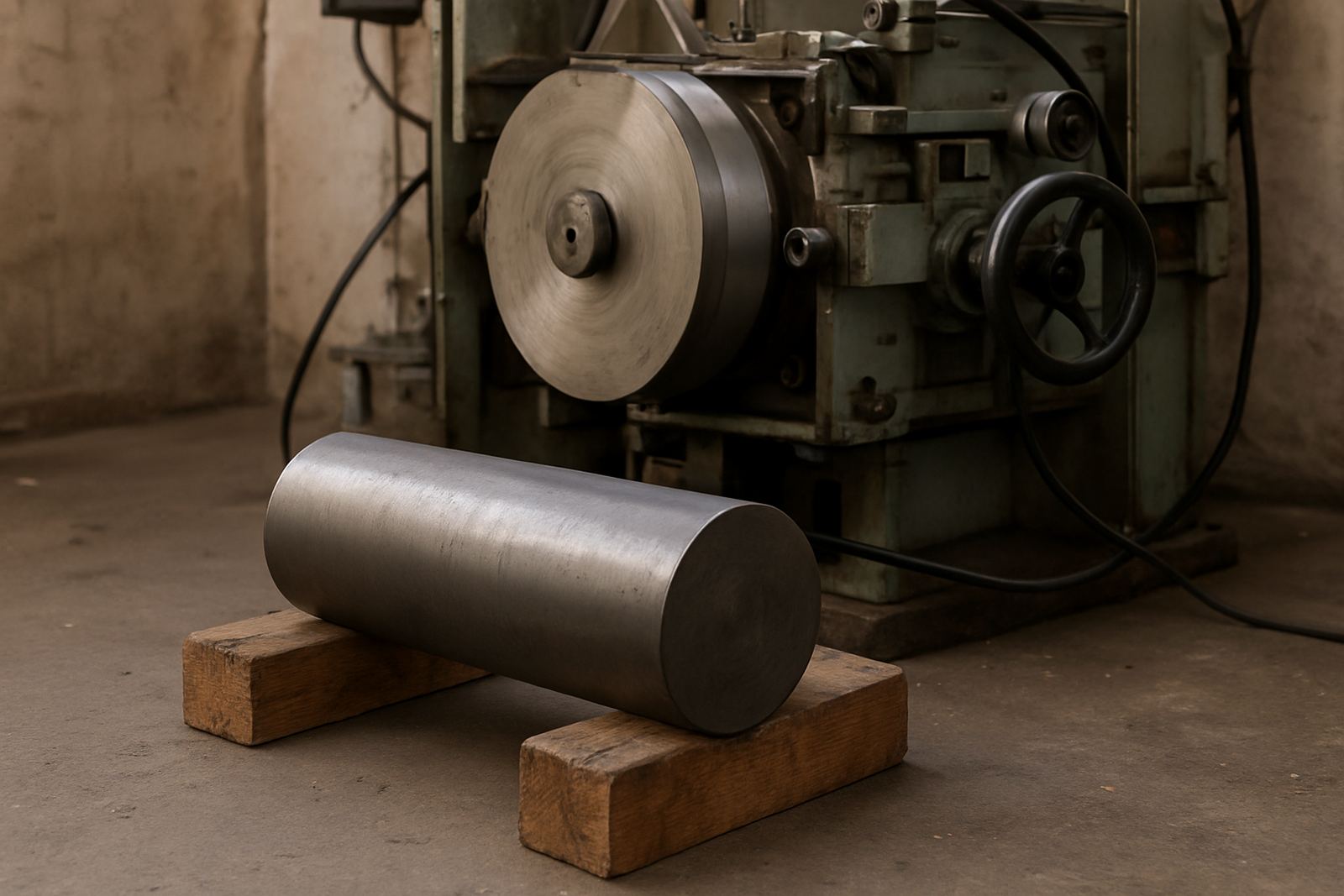
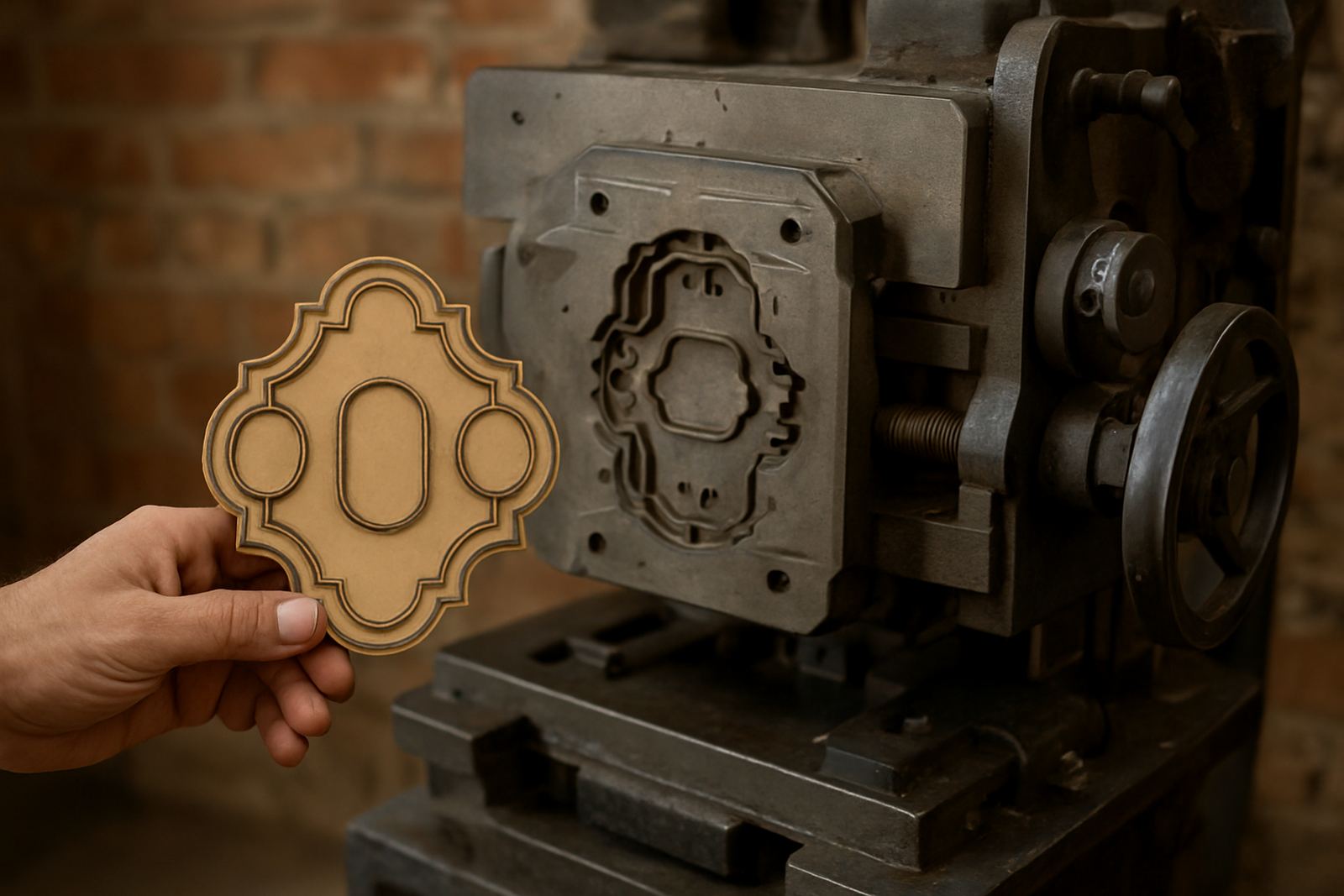
We supply rotary solid dies, flexible magnetic dies and magnetic cylinders, matched to the press and material you are running. Rotary solid dies suit high-repeat work and more demanding knife life, while flexible magnetic dies give converters a practical option for frequent changeovers and repeat label work.
Typical cosmetic label specifications include:
- Repeat lengths from small cosmetic formats through to longer wrap labels
- Fine contour cutting for oval, round, square and shaped panels
- Tooling for paper, PP, PET and other common label stocks
- Cut tolerances set to suit the press, adhesive and release liner
- Options for slitting, kiss-cutting and strip-out support
If your labels need a neat edge on translucent or white stock, we can also advise on bearer setting and press trial support so the cut stays stable through the run. A bad die can show up as lifting corners or poor matrix removal, so the tooling choice matters from the start.
Where cosmetic label dies suit best
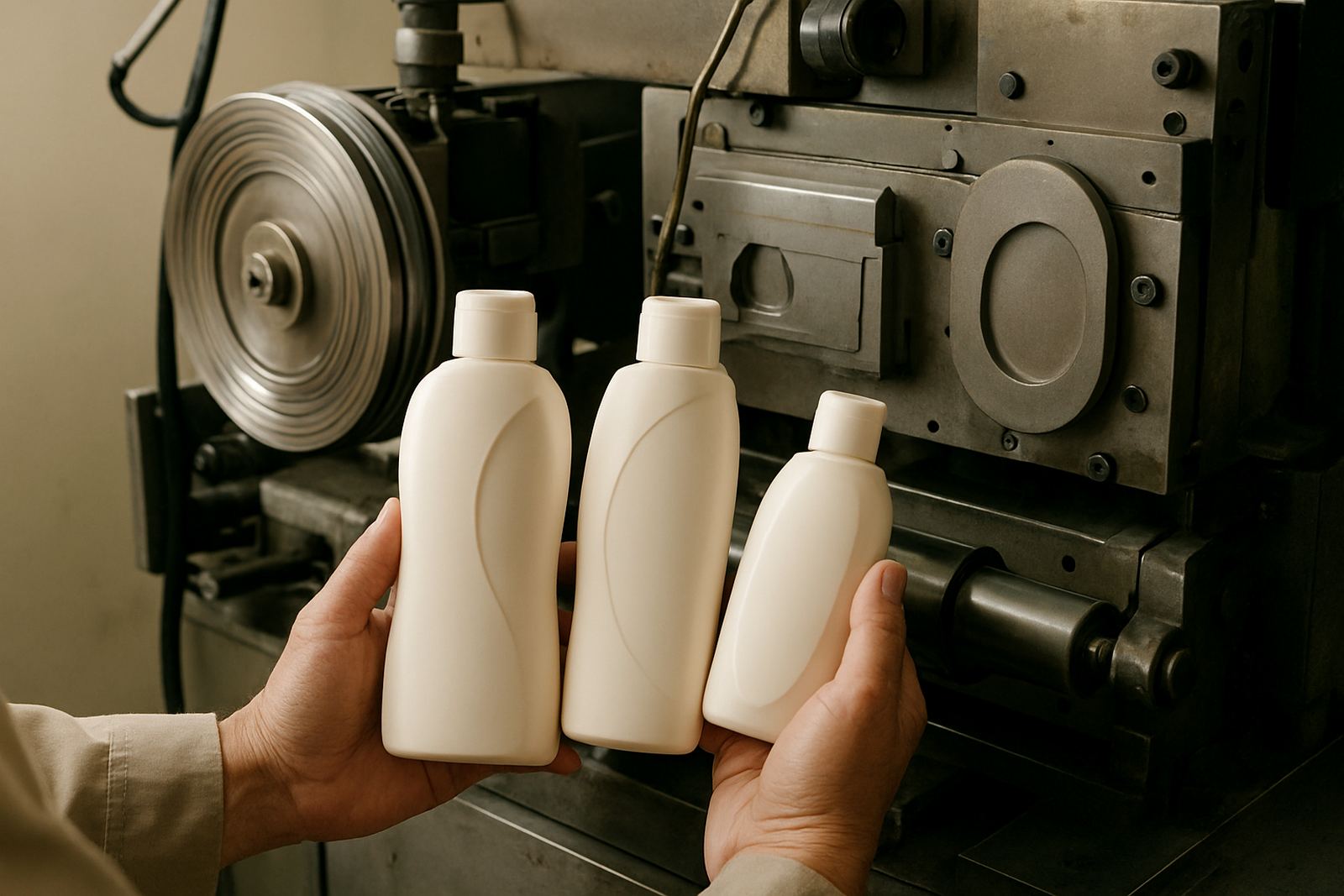
Cosmetic label dies are used on products where presentation matters and the label must sit cleanly on curved or small containers. That includes jars, bottles, tubes, pump packs and sachets used in salons, pharmacies, retail shelves and contract packing lines.
They are a good fit for:
- Skincare labels for creams, serums and cleansers
- Haircare labels for shampoos, conditioners and treatments
- Fragrance labels for bottles and outer packs
- Private label runs for local and export cosmetic ranges
- Short-run promotional packaging with frequent artwork changes
For Gauteng printers handling urgent repeat orders, the die has to be ready to go back on press with the same fit. For coastal jobs in Durban, Pinetown or Cape Town, we can also factor in material behaviour where humidity may affect stock and adhesive performance.
Ordering details that affect the final cut
When you place an order, the most useful details are the label shape, repeat length, substrate, adhesive type and the press or converting setup. If the artwork has a small internal cut-out, a narrow bridge or a sharp point, we need that noted early so the tooling is not over-stressed during production.
Please check these items before sending an enquiry:
- Finished label size in millimetres
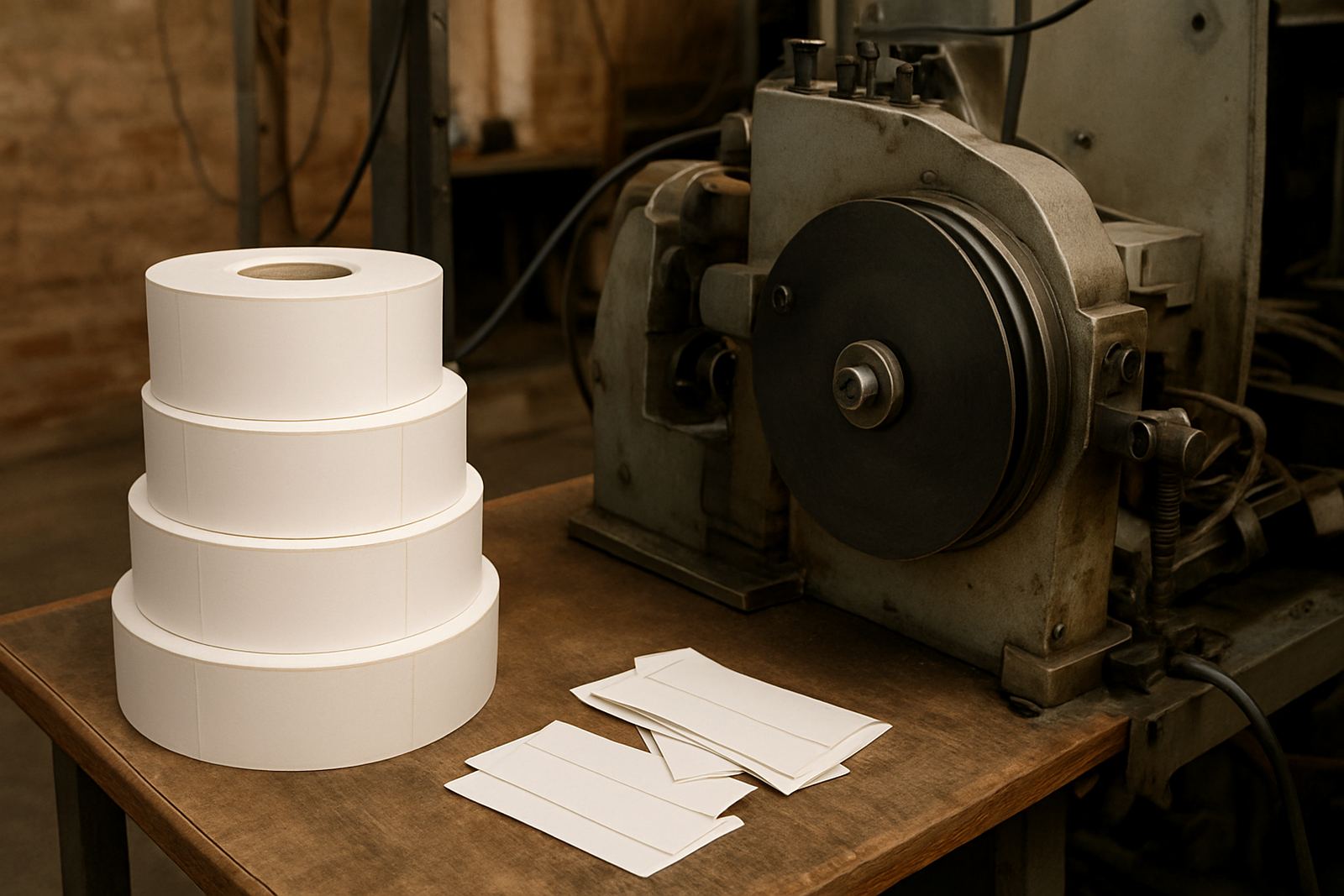
- Repeat length and web width
- Material type, thickness and liner
- Any embossing, varnish or foil area close to the cut line
- Required quantity, repeat order history and lead time
- Whether you need a new die, repeat match or cylinder refurb
If you are unsure about the exact set-up, we can work from a sample label, print proof or old tooling. That helps avoid wrong repeat counts and keeps the job moving without extra back-and-forth.
Installation, press setup and utility needs
These dies are mechanical tooling and do not need power or gas of their own. They are fitted to the label press or converting machine, so the key requirement is correct mounting, bearer setting and line-up with the press width and repeat.
Before running a cosmetic label job, the operator should confirm that the die is seated properly, the anvil or cutting surface is clean and the web path is stable. On some lines, a small pressure change is enough to improve cut quality, especially on thinner film stocks or delicate paper facestocks.
We can assist with press trial support if the job is new or if you are matching an older repeat. That matters for converters in Johannesburg, Pretoria and Germiston where turnaround times are tight and a missed setup can delay packing schedules.
Care, servicing and repeat production support
Good die care extends tool life and keeps the cut consistent. After use, clean the tooling, store it flat or in its proper sleeve and protect it from dust, knocks and corrosion. In coastal storage conditions, particularly around Durban and Gqeberha, dry handling matters because moisture can affect both the die and surrounding parts.
Our services for cosmetic label tooling include die regrind, cylinder refurb, magnet checks, repeat matching and urgent remakes. If a job starts to show nicking, poor strip-out or uneven cut depth, it is better to inspect the tooling early rather than run through waste. A quick check can save a full reel of material and a fair amount of time.
We also offer stock advice and packing and dispatch support, so repeat work can be kept ready for the next run. For converters managing seasonal cosmetic ranges, that helps keep inventory sensible without carrying too much idle tooling.
Key facts
| Product type | Rotary solid dies, flexible magnetic dies and magnetic cylinders |
|---|---|
| Use | Cosmetic label cutting, kiss-cutting and repeat production |
| Tolerance focus | Precise cut alignment for fine contours and registration |
| Materials | Paper, PP, PET and other common label stocks |
| Supply area | Johannesburg, Pretoria, Durban, Cape Town, Pinetown and Gqeberha |
| Base | Wadeville, Germiston |