What an island cut die does on the press
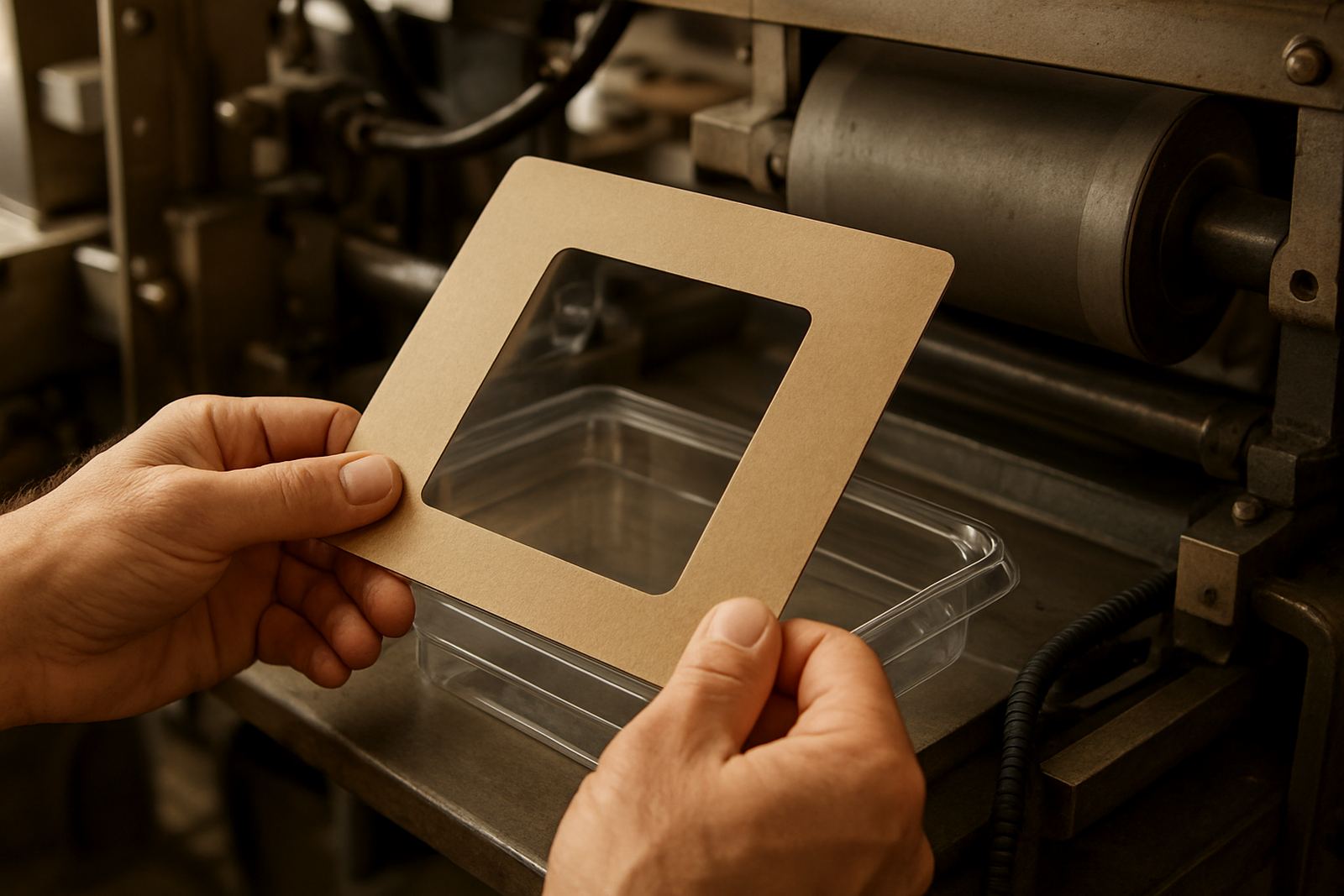
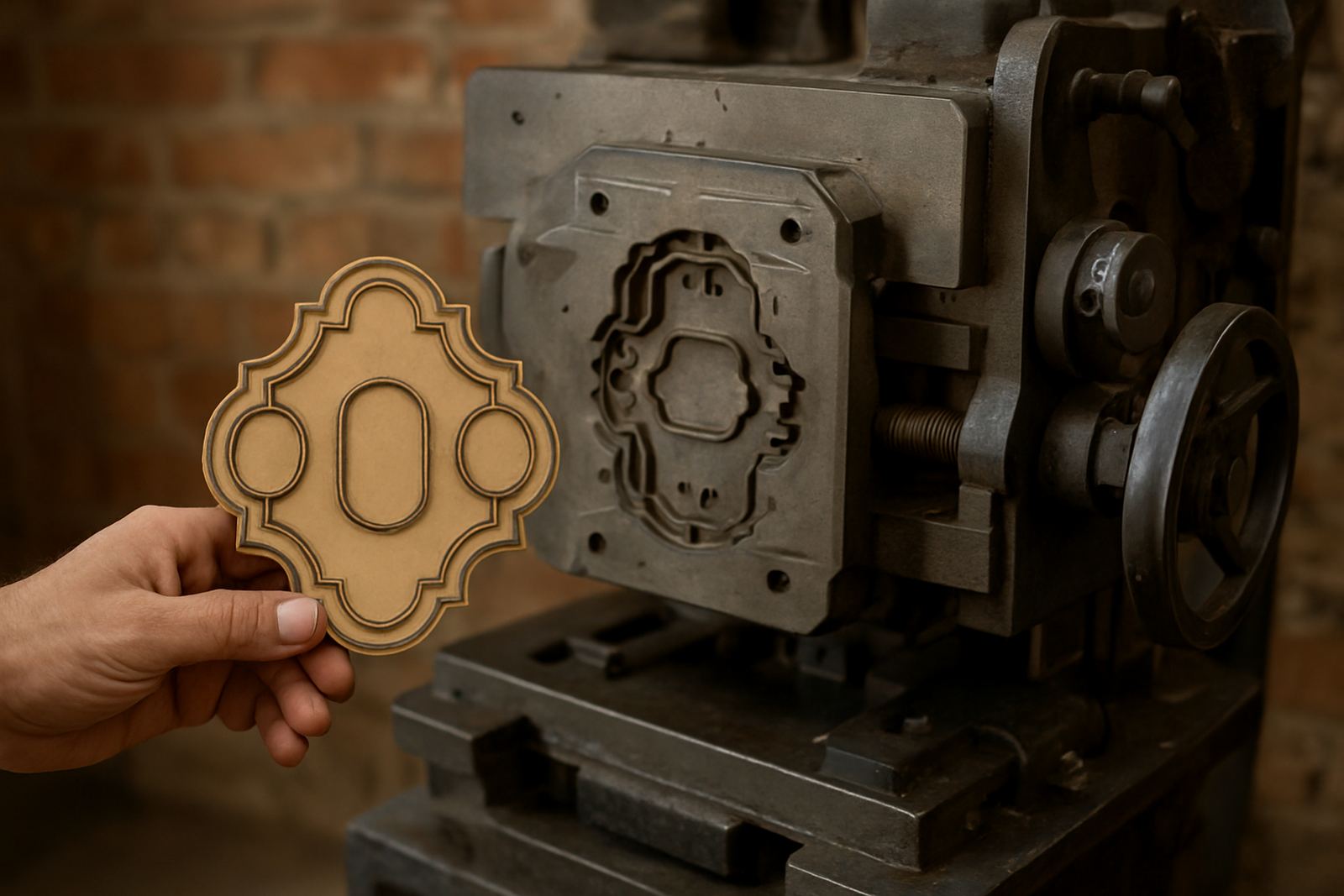
An island cut die is used when a label needs a cut-out section inside the outer profile, while the outer label still stays intact and releases cleanly from the liner. That internal shape might be for a window, product reveal, fitment point, tamper feature or a clearance around another printed area. The die has to hold the geometry accurately, because even a small change in spacing can affect stripping, stacking and the final look on pack.
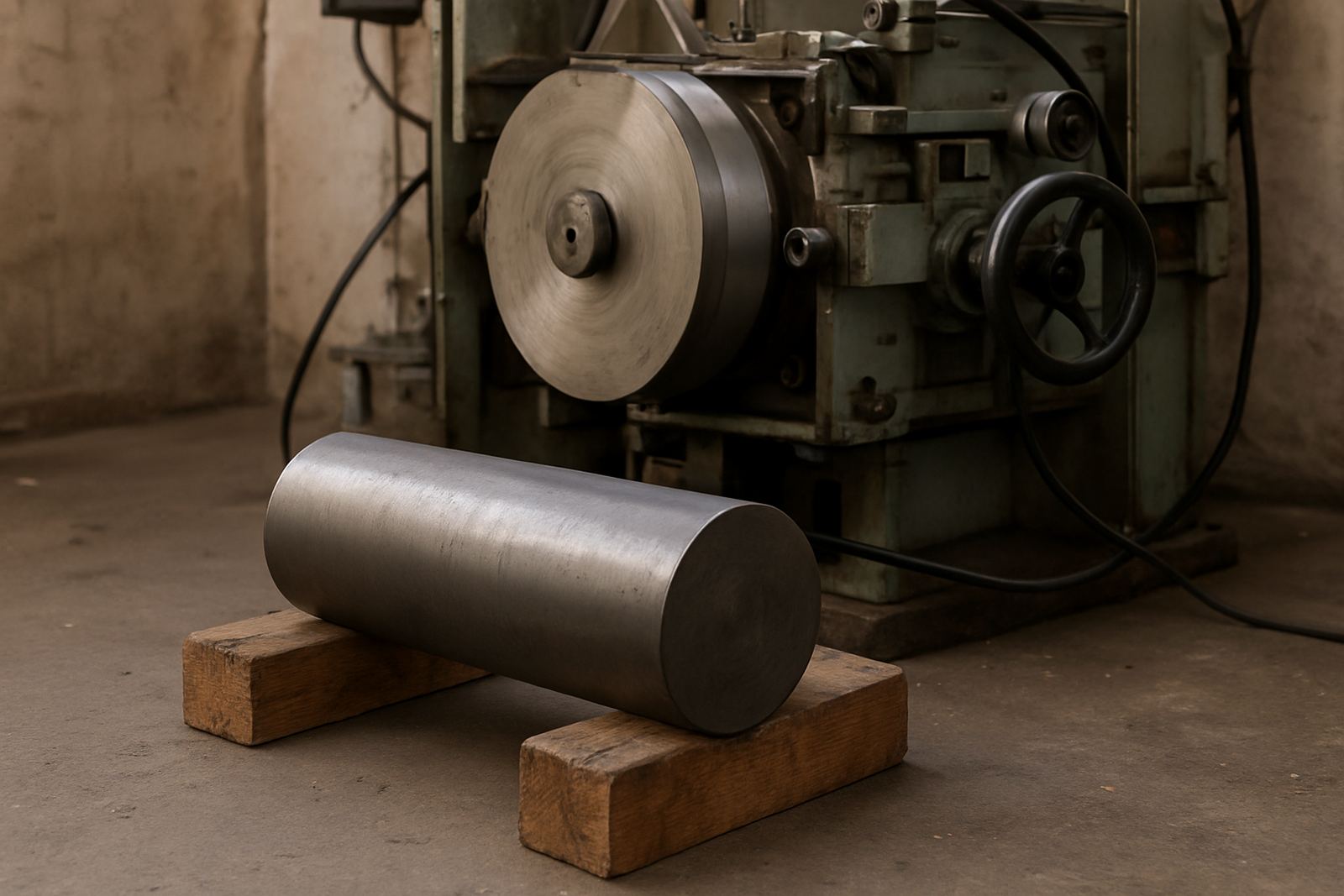
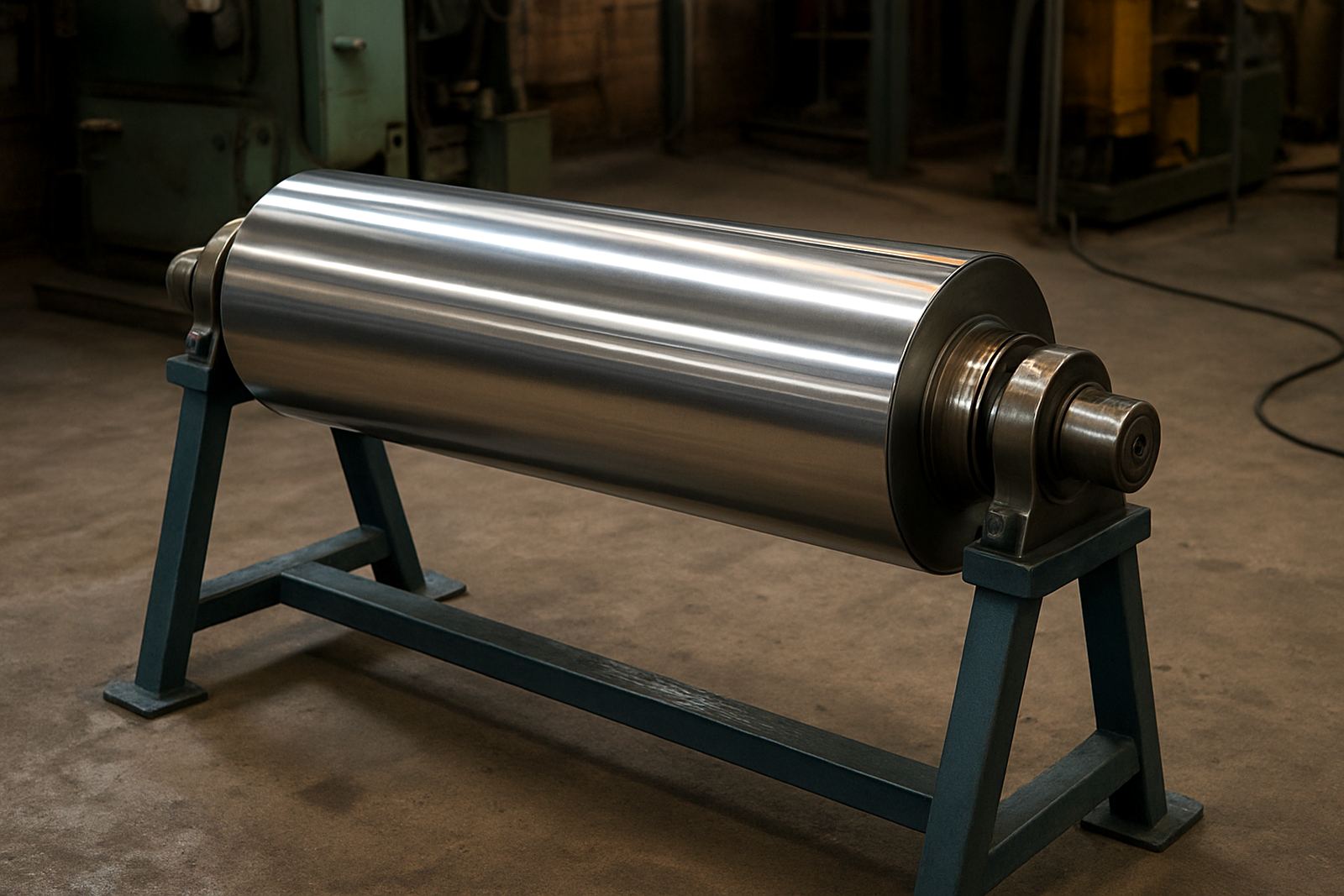
We make island-cut tooling to suit label converting lines, including rotary solid dies, flexible magnetic dies and magnetic cylinders where the job calls for repeat work or higher volumes. The die design is set up to keep the island section stable during cutting and stripping, so the converter is not fighting loose centres or ragged edges. On jobs with tight artwork, the cut path is checked carefully against the print file and the tool path is confirmed before production, which saves time later.
For South African label printers and converters, consistency matters. A die that works in Johannesburg on one line should still behave the same in Durban, Cape Town or Gqeberha after dispatch, humidity changes and press setup differences. That is why we pay close attention to bearer setting, cut depth and die finish before anything leaves our workshop.
Sizes, formats and tooling options available
Island-cut tooling is made to order, so the size is based on the label layout rather than a fixed stock range. We can work from an approved drawing, a sample label, or a repeat order where the existing specification is already known. Rotary options are suited to long runs and repeatable jobs, while flexible magnetic dies are practical for shorter runs, mixed work and frequent changeovers.
- Outer profile and internal island cut-outs can be matched to the printed shape
- Cut widths and bearer heights can be specified for the press in use
- Corner radii, webs and bridge positions can be adjusted for stripping performance
- Magnetic cylinders can be supplied where the line runs that format
- Repeat-matching is available for established jobs that need the same cutting behaviour
- Urgent remakes can be arranged when a current tool is damaged or worn
Typical work includes narrow labels with a central aperture, wrap-style labels with a clear view window, and security or product information labels where a section must remain open. We can also assist with stock advice if the job needs a backup die on hand for production planning.
Where island-cut dies suit label work best
These dies suit converters producing labels that have a complex inner shape, especially where a simple straight cut will not do the job. They are commonly used on promotional labels, cosmetic labels, food and beverage work, chemical containers and industrial packaging where the label must fit around a feature on the pack or show a printed panel underneath. If the island is too small or too close to the edge, the die design has to account for that from the start.
Island-cut tooling is also useful when a client wants a cleaner reveal of ingredients, warning copy or a tamper element. In some cases the design is driven by the container itself, for example an odd bottle shoulder or a recessed panel. The tool must then follow the print and the container with enough clearance to avoid scuffing in application. On high-speed lines a poor fit can cause waste fast, so it pays to get the cut right the first time.
- Label converters running multi-SKU production
- Printers handling short runs with frequent artwork changes
- Jobs needing an internal aperture or reveal
- Presses where stripping quality is critical
- Applications affected by heat, humidity or static
Installation, setup and power or gas needs
Island cut dies are fitted on the press as part of the normal rotary or magnetic setup. They do not need separate power or gas supply, but the machine must be in proper condition and correctly set for the job. Good cut pressure, stable tension and accurate web alignment are important, especially when the internal cut is tight or the label is made from a coated or film-based stock.
For the best result, the operator should confirm bearer setting, cylinder condition and stripping path before the run starts. If the press is handling many quick changeovers, the setup time can be reduced by keeping repeat job notes on cut depth and previous adjustments. On some lines the humidity in Durban or coastal Cape Town can alter release and stripping behaviour a little, so we advise checking the first few metres carefully after a setup.
- No separate electricity supply is needed for the die itself
- No gas requirement for installation or use
- Press condition and alignment matter more than extra power
- Clean mounting surfaces help prevent chatter and uneven wear
- First-run checks should include liner release and waste removal
Care, servicing and repeat-job support
To keep island-cut dies performing well, they should be cleaned after use and stored flat or in proper holders where applicable. Adhesive build-up, dust and waste fibres can affect cut quality and strip behaviour, especially on fine internal details. If the die starts to lose edge quality or the islands are not releasing cleanly, it may need die regrind, bearer setting or a cylinder check depending on the format.
We support servicing for repeat jobs through die regrind, magnet checks, cylinder refurb and press trial support. That helps keep old jobs running without a full redesign where the original spec is still sound. If a tool has changed since the last run, we can review the cutting notes and compare the current sample against the previous one, which is often the quickest way to isolate the issue. Thandiwe Nkosi and the production team keep a close eye on the practical side of tool life, because a die that is maintained properly saves a converter real time.
For long-distance deliveries to Pretoria, Gqeberha or Cape Town, packing matters too. The tooling is secured for transit so the cutting edge and registration features are not knocked about on the way.
Checks to make before you order
The fastest orders come through with a clear sample, the label repeat, substrate details and a note on the press being used. If the job is new, send the artwork with the intended cut line marked and tell us whether the cut is a through cut, a kiss cut or a partial internal cut. If there is an island inside the label, indicate whether it must stay on the liner or be removed during stripping. That detail makes a big difference.
Please check the following before you submit the enquiry form on our contact page:
- Finished label size and repeat
- Material type, thickness and adhesive type
- Inner cut-out size and position
- Press type and the die format required
- Quantity needed now and for repeat production
- Any special stripping or stacking requirement
Ruhan de Beer and Nirasha Ramdass can help with drawing checks and repeat matching, while Anele Mthembu coordinates packing and dispatch. From Wadeville, Germiston we supply island-cut tooling to Johannesburg, Pretoria, Durban, Pinetown, Cape Town, Bellville and Gqeberha, with delivery arranged to suit the job and the production schedule.
Key facts
| Product type | Island cut dies for label converting |
|---|---|
| Tooling formats | Rotary solid dies, flexible magnetic dies, magnetic cylinders |
| Typical use | Internal cut-outs within a label shape |
| Supply area | South Africa wide, including Germiston, Johannesburg, Pretoria, Durban, Cape Town and Gqeberha |
| Made to order | Yes, to supplied artwork, sample or repeat specification |
| Support services | Die Design, CAD Proofing, Repeat Matching, Cylinder Refurb, Die Regrind, Bearer Setting, Magnet Checks, Press Trial Support |