What an anvil cylinder does on a label press
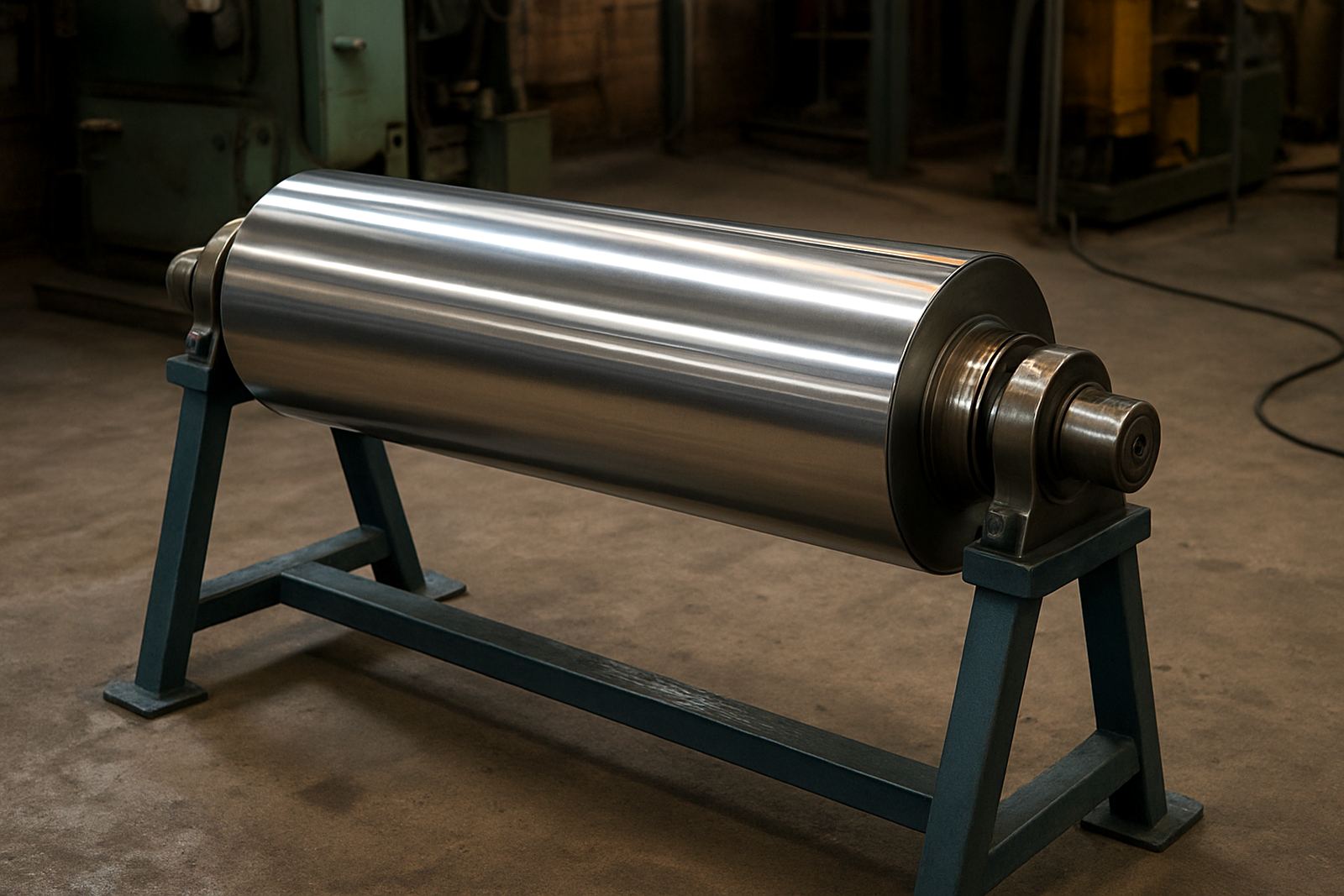
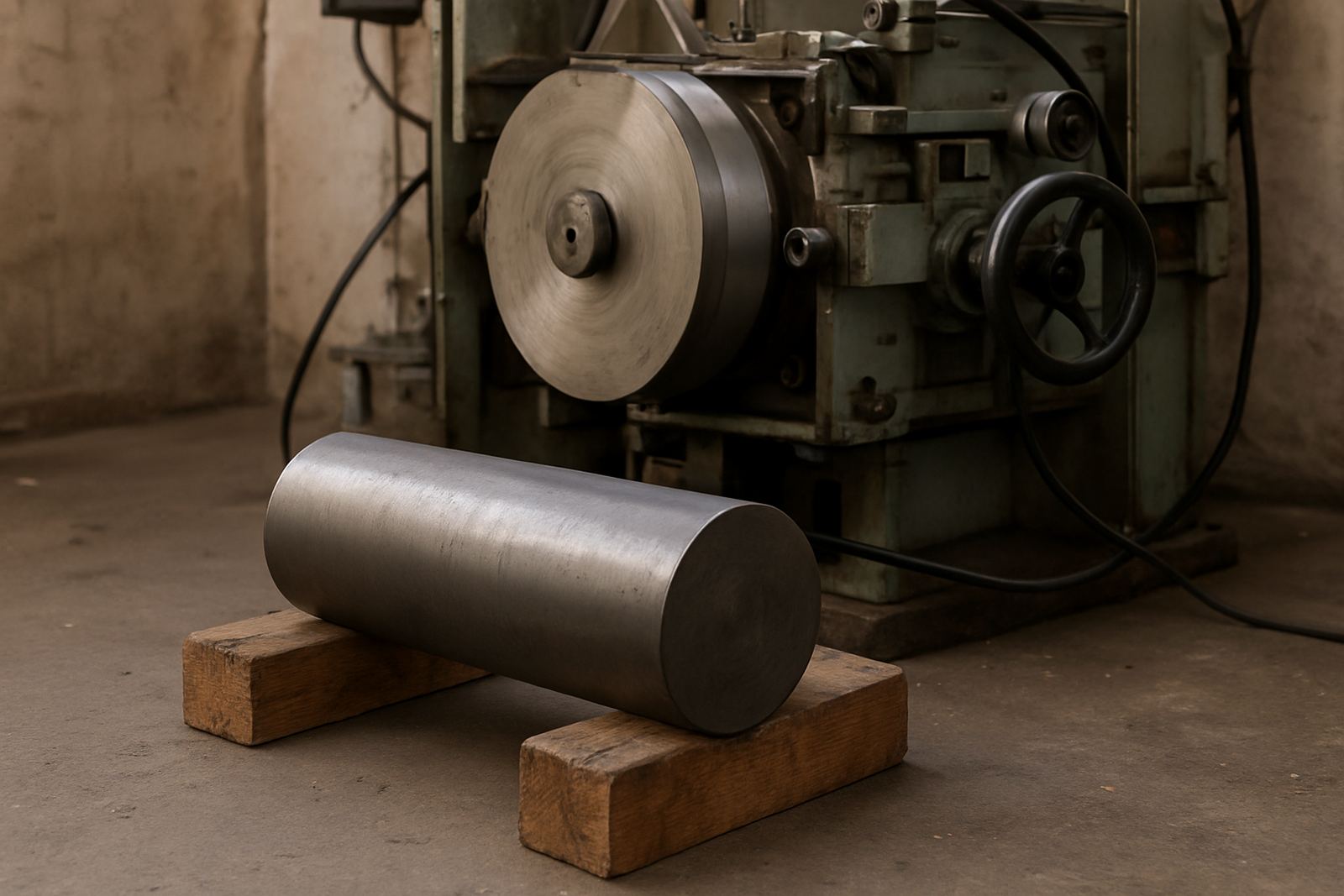
An anvil cylinder sits opposite the rotary die and gives the cutting edge a hard, even surface to work against. In plain terms, it supports the cut, keeps the pressure consistent across the web, and helps reduce crush, chatter and patchy cut depth. On label work, that means cleaner kiss cuts, less liner damage and fewer stoppages when stock changes from paper to film or from short labels to wider runs.
We supply matching anvil cylinders for label converters and printers across Gauteng, KwaZulu-Natal, the Western Cape and the Eastern Cape, including Johannesburg, Pretoria, Durban, Pinetown, Cape Town, Bellville and Gqeberha. Each cylinder is made to suit the press setup, the die format and the material being run. For many shops, that also means better repeat matching when a customer comes back with the same label spec six months later.
Sizes, surface options and fitment choices
Anvil cylinders are supplied in sizes to suit common narrow web converting lines and custom presses. We match the working face, journal sizes and mounting details to the machine so the cylinder runs true and does not fight the bearer settings. If the press is older, we can work from a sample cylinder, a worn part or a measured drawing.
- Working widths commonly matched from 150 mm up to 600 mm
- Custom diameters to suit the die and press geometry
- Ground working face for clean, even support
- Journal and shaft details matched to the existing machine setup
- Options for hard surface finishing where extra wear resistance is needed
For converters running pressure sensitive labels, shrink labels or heavier board stocks, the surface finish matters as much as the size. A cylinder that is out by even a small amount can cause poor cut depth on one side and overcut on the other. That is why we check the full set of dimensions before manufacture starts.
Where matching anvil cylinders work best
These cylinders suit plants that need dependable cutting support for short runs, repeat jobs and mixed stock production. They are commonly used where rotary solid dies, flexible magnetic dies and magnetic cylinders are part of the same converting line. They are also useful when a printer is seeing inconsistent cut quality after a press move, a rebuild or a change in tooling.
Typical applications include barcode labels, chemical labels, food and beverage labels, courier labels, warning labels and durable industrial labels. In coastal areas like Durban, Cape Town and Gqeberha, the right material choice and storage care also help reduce corrosion from humidity. In inland plants around Germiston, Johannesburg and Pretoria, dust control and regular wipe down checks keep the working face in better shape for longer.
- Pressure sensitive label converting
- Short run repeat work
- Mixed paper and film stock
- Presses needing steadier bearer support
- Jobs where cut consistency matters more than speed alone
Installation, power needs and what the press must have
Anvil cylinders are mechanical press components, so they do not need gas and they do not need a separate power supply. They are installed into the existing press arrangement and set up with the correct bearer pressure, shaft alignment and guard clearance. The press must be isolated before fitment, and the operator should check that the surrounding tooling is clean, free from nicks and set to the right web width.
If the press uses air assisted positioning or locking on related tooling, that system must be working properly before the cylinder is put into service. There is no special electrical load from the cylinder itself, but the machine still needs stable power for the press drive and ancillary controls. On sites dealing with load shedding, it helps to plan installation and test runs when the press can complete a full cycle without interruption. That avoids half set conditions and saves time on the first press trial.
- No gas requirement
- No dedicated electrical requirement for the cylinder itself
- Correct alignment and bearer setting are essential
- Guarding and safe isolation must be in place before fitment
Care, servicing and signs it is time for a refurb
With regular care, a good anvil cylinder should give steady service over many production cycles. Keep the working face clean, inspect for scoring or flat spots, and check that the journals remain smooth and properly seated. If you are seeing patchy cuts, excessive pressure marks, edge burrs or noise that was not there before, the cylinder may need checking rather than simply adding more pressure.
We support cylinder refurb, regrind and bearer setting for customers who want to keep older equipment in service. In many cases, a measured refurb is more practical than a full replacement, especially when the machine frame is sound and the wear is localised. Coastal humidity, solvents and poor storage can shorten life, so keep spare cylinders wrapped, dry and off concrete floors where possible. That small habit saves money.
Checks to make before you order
The fastest orders are the ones where the key measurements are clear from the start. If you can share the existing cylinder details, the press model, the die size and a photo of the current setup, we can narrow the spec and reduce the chance of a mismatch. If the part is worn, a sample or a dimensional sketch helps us match the working face and journals properly.
Please have the following ready before sending an enquiry via our contact page:
- Press make, model and web width
- Working width and overall cylinder length
- Journal diameters, shaft type and keyway details
- Required cut style and stock type
- Whether the cylinder is for a new build, repeat job or replacement
- Any urgency for delivery to Germiston, Johannesburg, Pretoria, Durban, Pinetown, Cape Town, Bellville or Gqeberha
Once we have the details, our team can advise on fit, finish and the best way to get the cylinder to your floor in time for the next run.
Key facts
| Product type | Matching anvil cylinder for label converting presses |
|---|---|
| Typical working widths | 150 mm to 600 mm, custom sizes available |
| Material and finish | Machined metal body with ground working face |
| Fitment | Matched to press journals, bearings and bearer settings |
| Services supported | Die design, CAD proofing, cylinder refurb, regrind and press trial support |
| Supply areas | Wadeville, Germiston, Johannesburg, Pretoria, Durban, Pinetown, Cape Town, Bellville and Gqeberha |