What a kiss cut die does on press
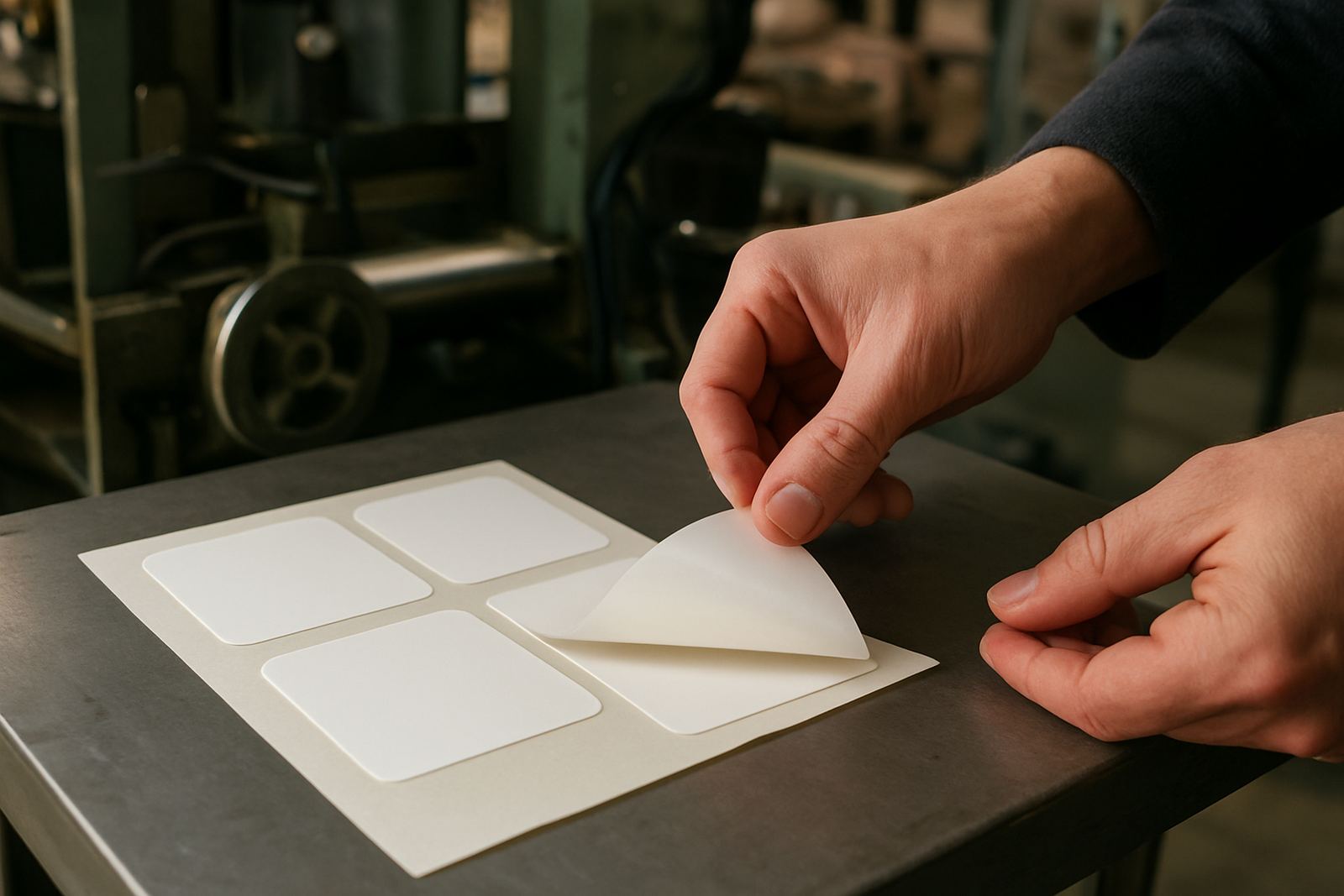
A kiss cut die is made to cut through the top material only, usually the printed face stock, while leaving the adhesive liner below uncut. That sounds simple, but in production it has to be held to tight tolerances so the cutter follows the print, releases cleanly and does not score the backing. For label converters working in Johannesburg, Durban, Cape Town, Gqeberha and Pretoria, the main value is consistency from run to run, especially when the job returns months later and must match the original sample.
We supply kiss cut tooling for pressure-sensitive labels, barcodes, tamper evident applications, promotional stickers and short or long production runs. The tooling can be made as a rotary solid die, flexible magnetic die or part of a magnetic cylinder set-up, depending on your press and the finish you need. In humid coastal conditions, or where load-shedding causes frequent restarts, stable cutting depth matters because the material can shift and the impression can change if the machine is not properly set.
- Clean cut through face stock only
- Protects the liner below from damage
- Supports easy matrix removal and winding
- Helps maintain neat edges on small labels
Sizes, profiles and build options available
Kiss cut dies are not one-size-fits-all. The design depends on label size, repeat length, press type and the stock build-up. We manufacture to order from approved artwork and sample information, with attention to tolerances, bearer setting and the expected finish on the press. Small labels for retail and pharmaceutical work need very different edge control from larger industrial labels, and the die profile has to reflect that.
Available options include standard kiss cut outlines, stepped profiles, perforation sections, waste relief areas and registration features for repeat jobs. We can also assist with repeat matching if you are replacing an existing die or cylinder and need it to work with current tooling. If the job runs with thin face stocks or soft adhesive systems, the cut depth may need more careful control, because even a small variation can leave fibres standing or, worse, mark the liner. Our CAD proofing helps catch those issues before the job is cut.
- Rotary solid dies for dedicated press set-ups
- Flexible magnetic dies for faster mounting and changeovers
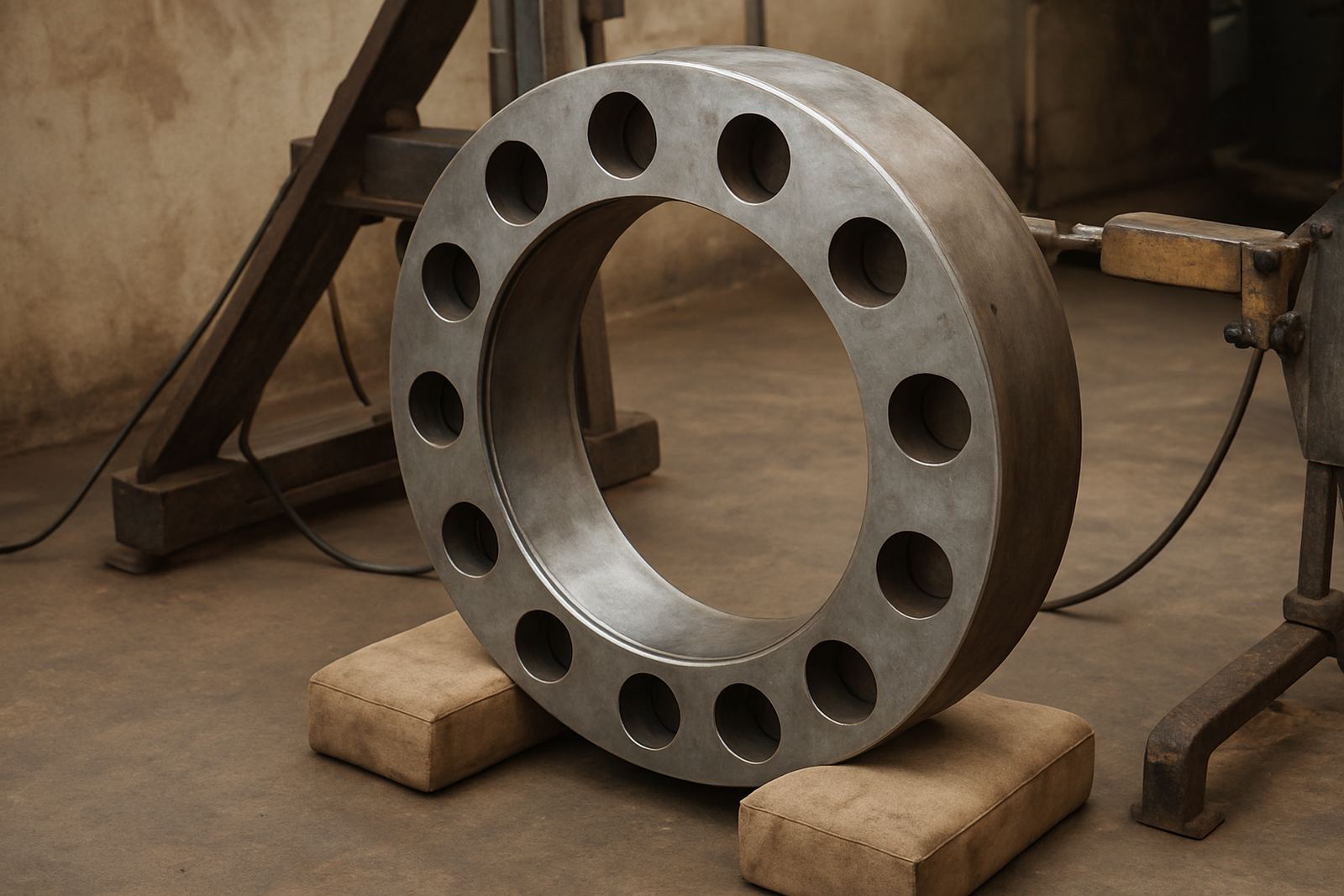
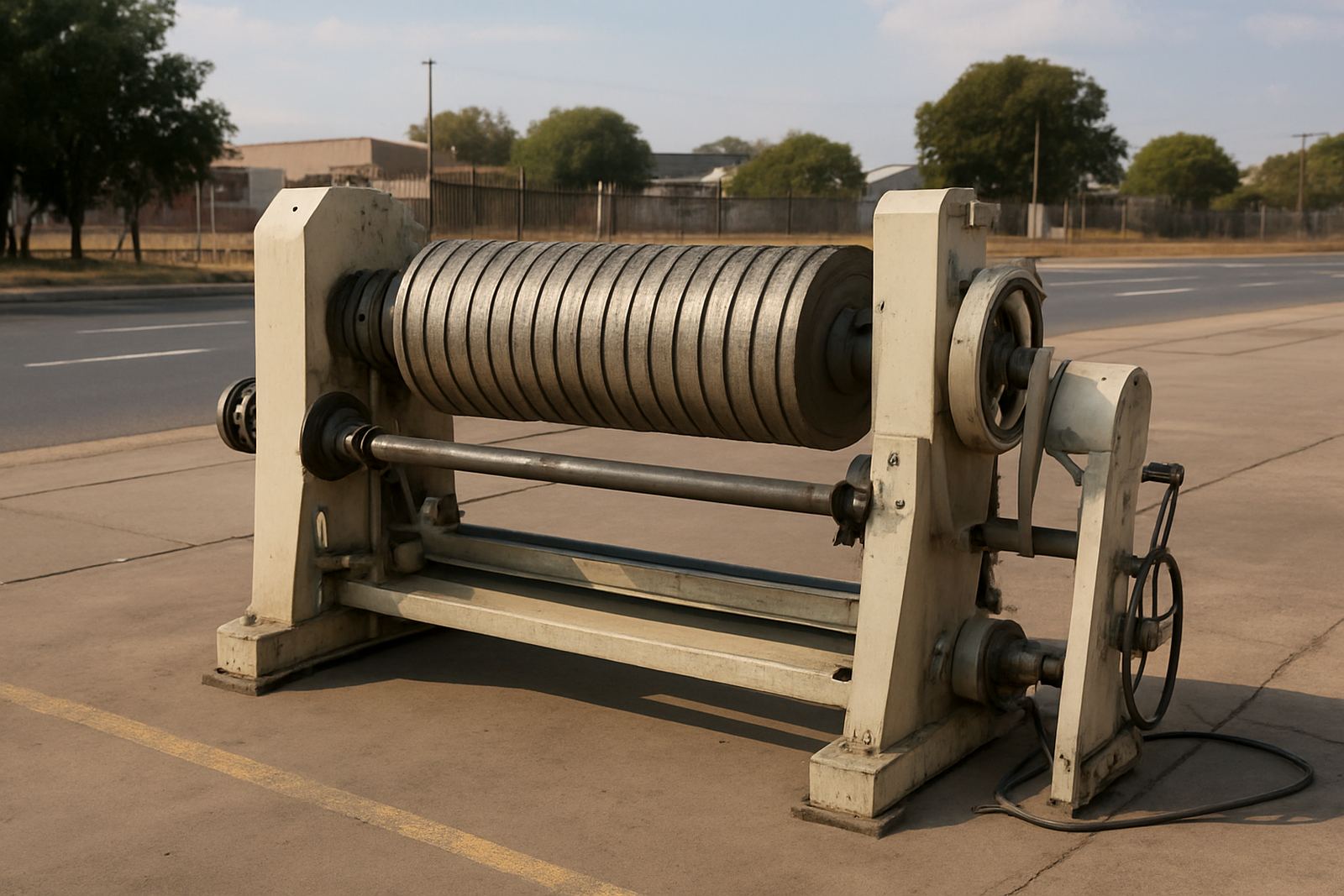
- Magnetic cylinders for compatible rotary systems
- Custom repeat lengths and cutting patterns
Where kiss cut dies suit best
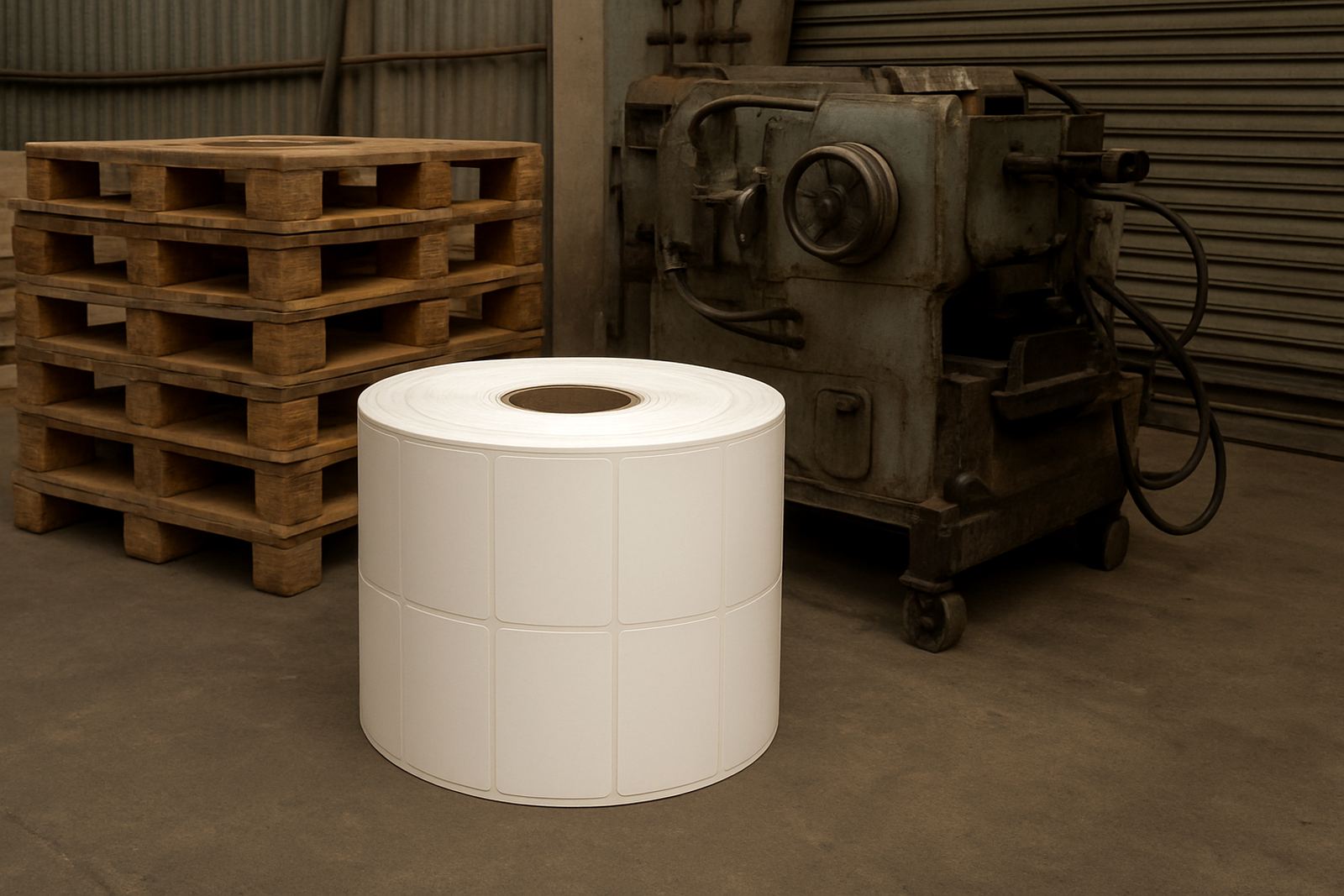
These dies suit label printers and converters handling pressure-sensitive stock on narrow web equipment, especially where the finished labels must peel away cleanly from the liner. They are widely used for food labels, logistics labels, bottle labels, compliance stickers, asset tags and variable data jobs. If your customers expect accurate dispensing at hand application or on an applicator machine, the kiss cut needs to be even across the full web width.
For South African plants, practical matters also count. High daytime heat in inland factories, coastal moisture in Durban or Cape Town, and inconsistent power supply can all affect press conditions. A well made kiss cut die helps reduce stoppages because operators spend less time adjusting cut pressure and less time clearing bad matrix. It also supports repeat production when the same label is ordered again for another branch, another product line or a reprint after stock changes.
- Pressure-sensitive labels and stickers
- Short runs, repeat runs and seasonal work
- Jobs needing neat matrix stripping
- Applications with tight print and cut alignment
Installation, press settings and power needs
Kiss cut tooling itself does not need electricity or gas, but it does depend on the press set-up around it. The die must be mounted correctly, the impression must be even and the web path must stay stable. On rotary lines, bearer setting and cylinder condition affect the finish. On magnetic systems, the surface must be clean and the die seated properly before the press starts up. If the impression is too heavy, the liner can be marked. If it is too light, the face stock may not separate cleanly and the labels can pull up at the corners.
We can support press trial work and advise on set-up if a new job is giving trouble. Where needed, we help check the magnetic condition, verify the repeat, and confirm that the die profile matches the printed artwork. Some sites also need urgent remakes when a job changes at short notice, or when the original tooling wears sooner than expected because of abrasive stock. Good packing and dispatch matter too, since a bent or poorly protected die can cause problems before it ever reaches the machine.
- No direct gas or power connection required for the die itself
- Press alignment and impression control are essential
- Surface cleaning helps on magnetic tooling
- Trial runs are recommended after first fitment
Care, servicing and when to regrind
Like any precision tool, a kiss cut die performs better when it is kept clean and stored properly. Adhesive build-up, dust, liner residue and poor handling can affect cut quality over time. After use, the die should be cleaned, checked for damage and stored so the cutting edge does not knock against other metal parts. In humid areas, a little corrosion can start if tools are left unprotected, so dry storage matters.
Our servicing support includes die regrind, cylinder refurb, bearer setting, magnet checks and repeat matching. If a job begins to show rough edges, incomplete cuts or excessive liner marking, it may be time for inspection rather than more pressure on the press. A good regrind can extend the life of the tooling and save the customer from unnecessary remake costs. We also look at the way the tool was packed and dispatched, because bent corners or damaged edges often come from handling, not the press itself.
- Clean after each run to remove adhesive residue
- Store dry to limit corrosion and edge damage
- Inspect for liner marks, burrs and cut drift
- Regrind or refurbish when finish quality drops
What to check before you order
To make the correct kiss cut die, we need clear details from the start. The most useful items are the label dimensions, repeat length, material build-up, whether you need full or partial kiss cut and how the labels must dispense. If you have an existing sample, artwork proof or old die, that helps us match the job more accurately. If the job is for a specific press, tell us the machine type and the way the web runs through it.
It also helps to know if the labels are for manual peeling or automatic dispensing, whether the stock is coated or uncoated, and if there are any tight corners or fine details in the outline. For urgent work, the turnaround depends on the information supplied up front, so missing details can slow things down. Our production team in Wadeville, Germiston works with design, machining and dispatch in one flow, which helps keep orders moving across South Africa.
- Finished label size and repeat length
- Face stock type, liner type and adhesive details
- Press model or rotary system used
- Sample, artwork or old tooling for repeat matching
Key facts
| Tool type | Rotary solid die, flexible magnetic die or magnetic cylinder |
|---|---|
| Cut style | Face stock cut only, liner left intact |
| Typical use | Pressure-sensitive labels, stickers and barcode work |
| Material tolerance | Made to order to tight production tolerances |
| Support services | CAD proofing, press trial support, die regrind, magnet checks |
| Coverage | Supply and deliveries across South Africa from Germiston |