What Large Repeat Dies Are Used For
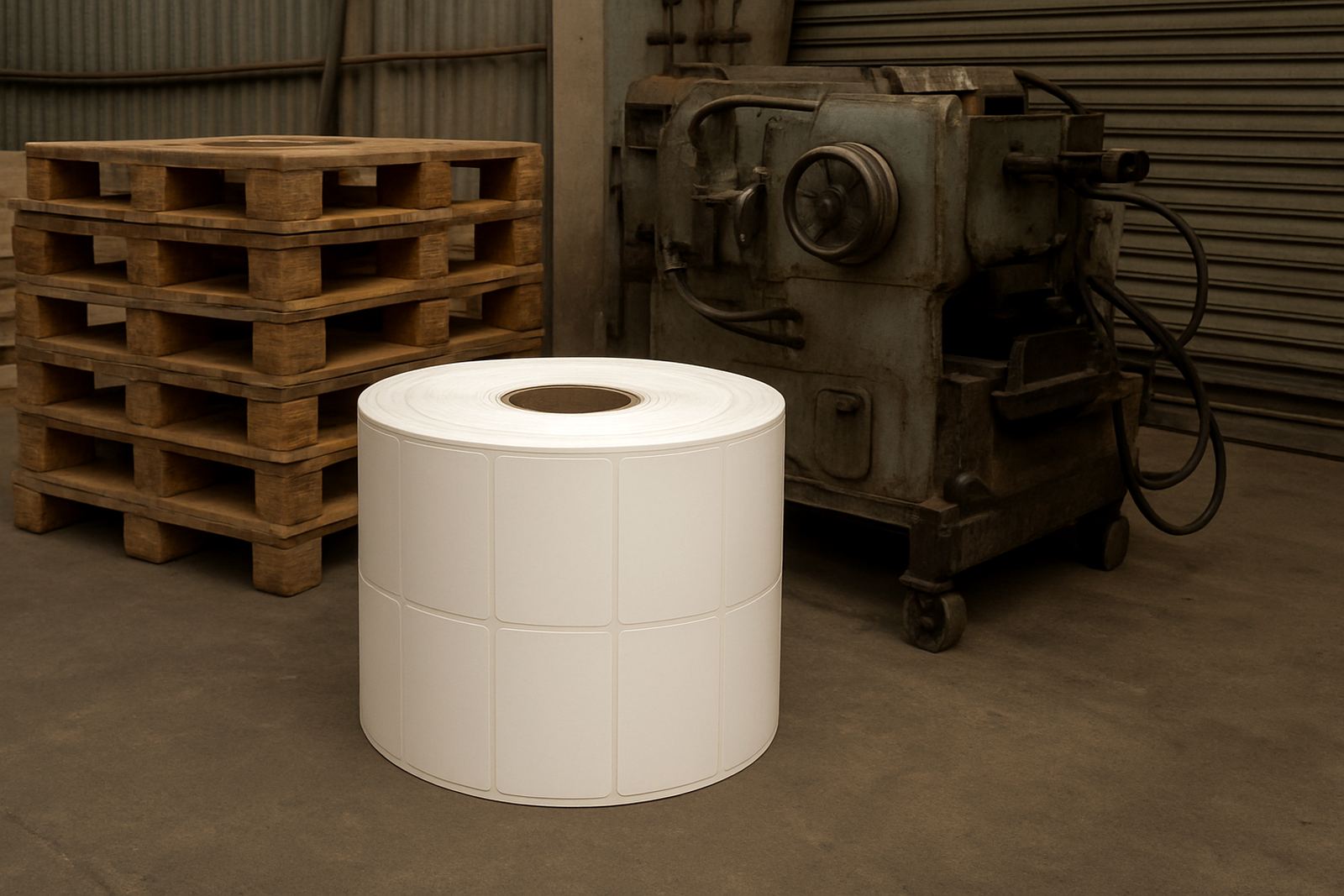
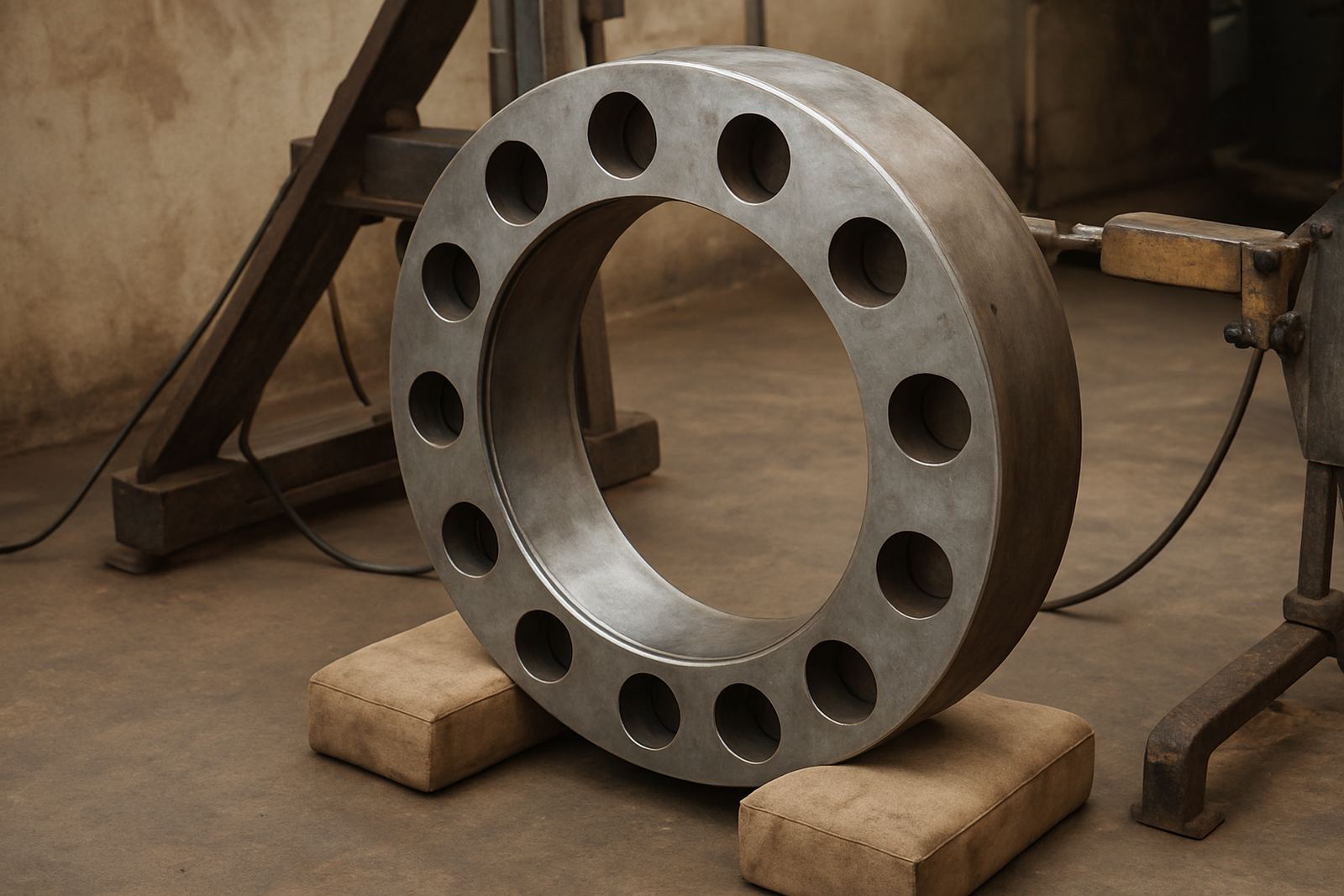
Large repeat dies are rotary cutting tools set up for label work with a longer repeat length than standard tooling. They are used when the artwork, label size or panel count needs more space around the cylinder, and when the press has to hold clean registration over a bigger print and cut area. In practical terms, that means food labels, chemical labels, product wraps, warning labels, multi-language packs and long format promotional runs where the finished piece must stay accurate across the full web width.
For label printers in Johannesburg, Durban, Cape Town, Gqeberha and Pretoria, the value of a properly set large repeat die is simple. You get cleaner cut edges, better strike control and fewer stoppages caused by poor fit or repeat mismatch. Where some jobs are short and simple, larger repeat work often has tighter tolerances because a small error becomes obvious across a longer panel. That is why the die must be made to the correct repeat from the start, not adjusted later on press.
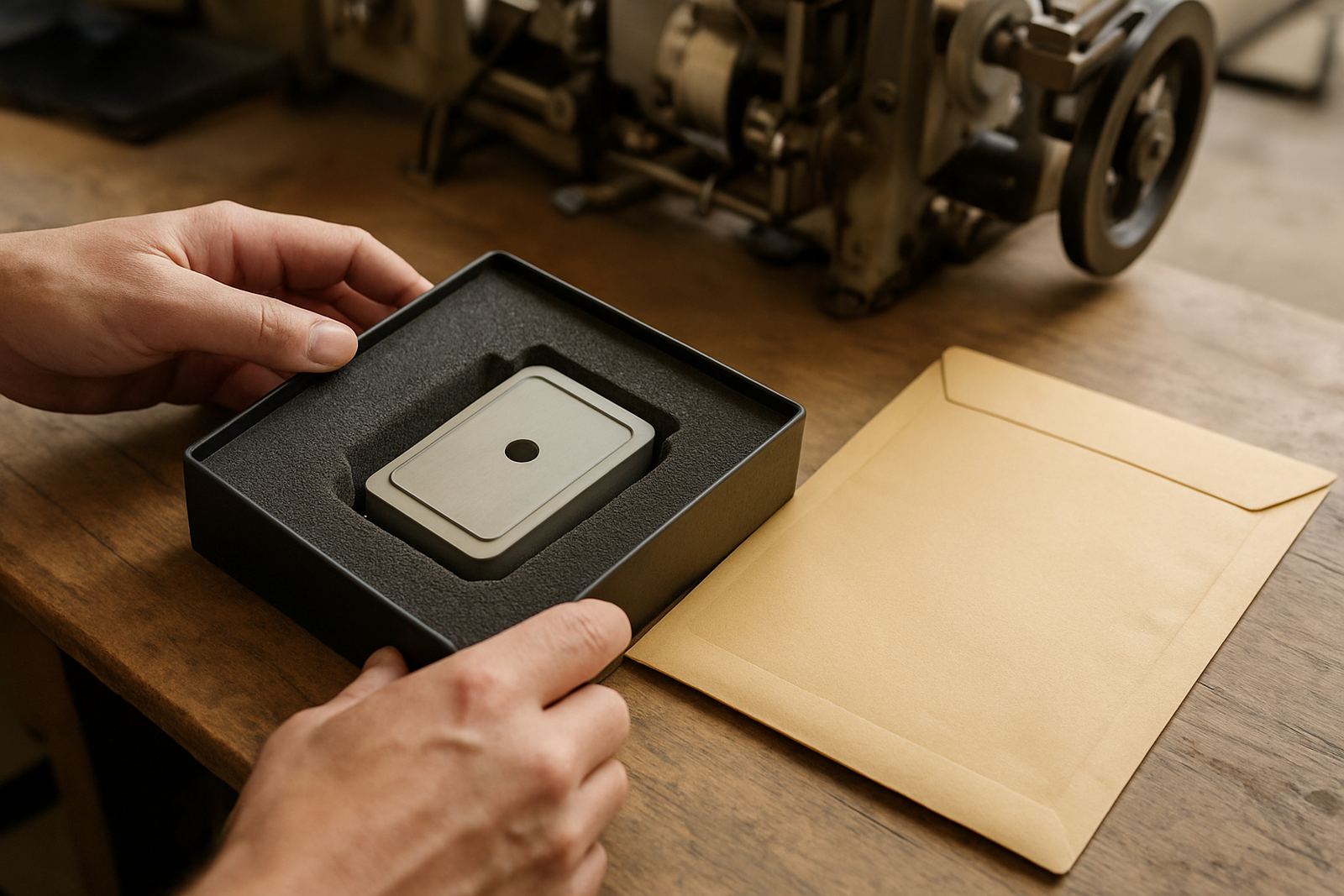
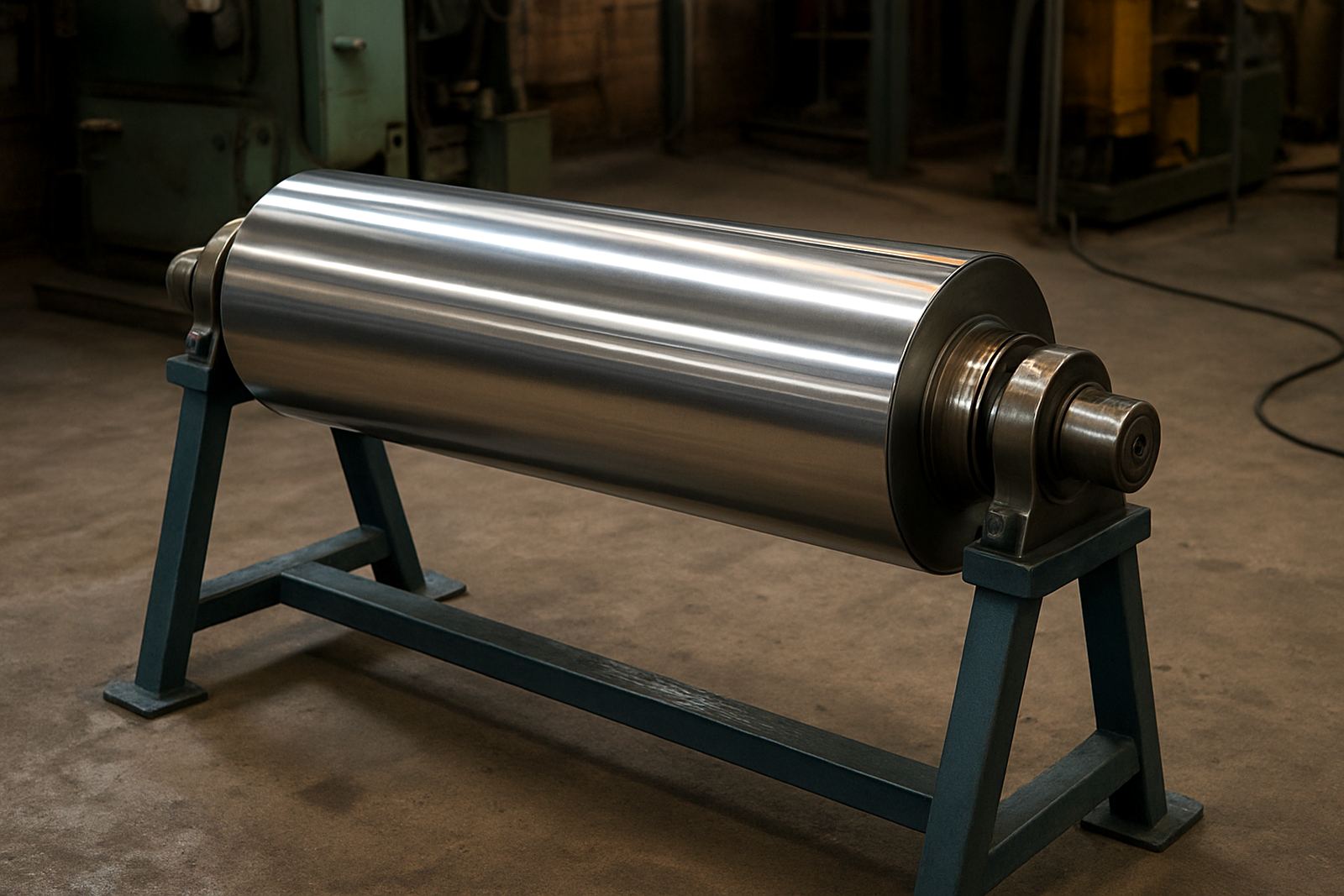
We make rotary solid dies, flexible magnetic dies and magnetic cylinders to suit the job and the press setup. The right choice depends on the artwork, the substrate, the press model and how often the job will repeat. For some converters a flexible magnetic die is the better option for faster changeovers, while others need solid die tooling for heavier duty work and repeat stability.
Size Range, Tolerances and Build Options
Large repeat tooling is usually specified by repeat length, face width, relief and the way the die sits against the cylinder. We work to precise tolerances because a die that is only slightly out can cause lifting, crush marks or poor kiss cut depth. For label converting, the practical issue is not only the total repeat length but also how the repeat behaves under running speed, tension and heat on the press.
Typical options include:
- Custom repeat lengths matched to the artwork and press cylinder
- Solid rotary dies for heavy use and long production runs
- Flexible magnetic dies for quicker make-ready and repeat jobs
- Magnetic cylinders supplied or refurbished to suit the tooling
- Bearer setting and bearer checks where the press requires it
- Repeat matching for existing jobs that must stay consistent from batch to batch
We also look at cut shape, strip out needs and whether the job has internal windows, rounded corners or narrow bridges that need careful die design. For larger labels, the wrong bridge width can cause premature wear or web breakage. On the other hand, over-cutting can damage liners and create extra waste. Good sizing avoids both problems.
Where Large Repeat Dies Suit the Best
Large repeat dies suit converters handling bigger label formats, complex panel layouts and work that has to run on a press for extended periods. They are commonly used for household products, industrial packs, containers with wide fronts, and batches that include several artworks on one cylinder set-up. If the label is long enough to challenge the available circumference, the repeat has to be planned properly before production starts.
These dies are also useful where the customer wants better consistency between reorders. A large repeat job often returns months later, and if the original cutting details were not recorded properly the new run can waste time and material. Our team keeps the practical details in mind, including bearer arrangement, cutting depth and how the die sits with the substrate. That matters on coated papers, films and other materials that behave differently under pressure.
In coastal areas such as Durban, Pinetown and Cape Town, humidity can affect web behaviour and storage conditions. We take that into account when advising on tooling care and press readiness. Dry, flat storage and clean handling help keep the repeat true, especially during wetter months or when the shop floor is busy and the machine room is changing temperature through the day.
Press Setup, Power and Gas Requirements
The die itself does not need power or gas, but the press setup around it must be ready. Before fitting a large repeat die, the operator should confirm cylinder compatibility, mounting position, bearer condition and whether the press tension is stable enough for the web width and material thickness. On larger repeat work, small setup faults show up quickly as chatter, uneven cut depth or registration drift.
Check the following before installation:
- The repeat length matches the press cylinder and job spec
- The substrate width and unwind direction suit the layout
- The press can hold the required tension without wandering
- Air, vacuum and ancillary systems are working where the press needs them
- There is enough clearance for safe mounting and removal
- The operator has the correct proof and cutting notes for the run
If the job is being trialled for the first time, press trial support can save material and time. We can advise on bearer setting, magnet checks and general fitment before the run starts. For urgent remakes, the same checks apply, because a rushed replacement still has to match the original cut exactly or the press will spend the day fighting the tooling.
Care, Cleaning and Servicing Between Runs
Large repeat dies last longer when they are stored and handled properly. After use, clean off adhesive residue, paper dust and any coating build-up before packing the tooling away. A die left with residue on the cutting edge can start the next job with inconsistent pressure, which is a problem on longer repeat work where the cut must stay even across the full circumference.
Good care includes regular inspection for dull edges, damage to the relief areas and any signs of scoring on the magnetic face or cylinder surface. If the tooling is starting to lose performance, die regrind or cylinder refurb may be the right answer instead of forcing another long run through with poor quality. That approach often costs less than repeated stoppages and wasted stock.
We also recommend checking repeat tooling after transport, especially on deliveries between Germiston and other centres. Even well packed tooling can shift if it is not secured correctly. A quick inspection before the next job can pick up a knocked corner, a damaged edge or a magnet issue before the press is loaded and production begins.
What To Check When Ordering Large Repeat Dies
The best results come from complete job information. The more accurate the brief, the better the die will match the press and the finished label. If the job is a repeat order, send the original spec and any notes about what worked well or what gave trouble on the last run. That helps us match the tooling and avoid unnecessary adjustments.
Please check these points before sending an enquiry:
- Artwork size, repeat length and label shape
- Substrate type, thickness and coating details
- Press type and cylinder size if known
- Whether the job needs a solid die, flexible magnetic die or magnetic cylinder
- Quantity, turnaround time and whether urgent remakes are needed
- Any past issues such as poor stripping, over-cutting or registration movement
Our team in Wadeville, Germiston supports printers and converters across South Africa through die design, CAD proofing, repeat matching, stock advice, packing and dispatch, and delivery coordination. Clients usually reach us through the enquiry form on our contact page, and we use the details to check the fit before production starts. That keeps the job straightforward, whether it is headed for Johannesburg, Pretoria, Durban, Cape Town or Gqeberha.
Key facts
| Product type | Large repeat rotary cutting tooling for label converting |
|---|---|
| Tooling options | Solid dies, flexible magnetic dies, magnetic cylinders |
| Repeat control | Made to order with precise repeat and cutting tolerances |
| Typical use | Bigger labels, multi-panel work and long format layouts |
| Support services | Die design, CAD proofing, repeat matching, press trial support |
| Supply area | Germiston, Johannesburg, Pretoria, Durban, Cape Town, Gqeberha and nearby areas |