Built for flexible die holding on busy label lines
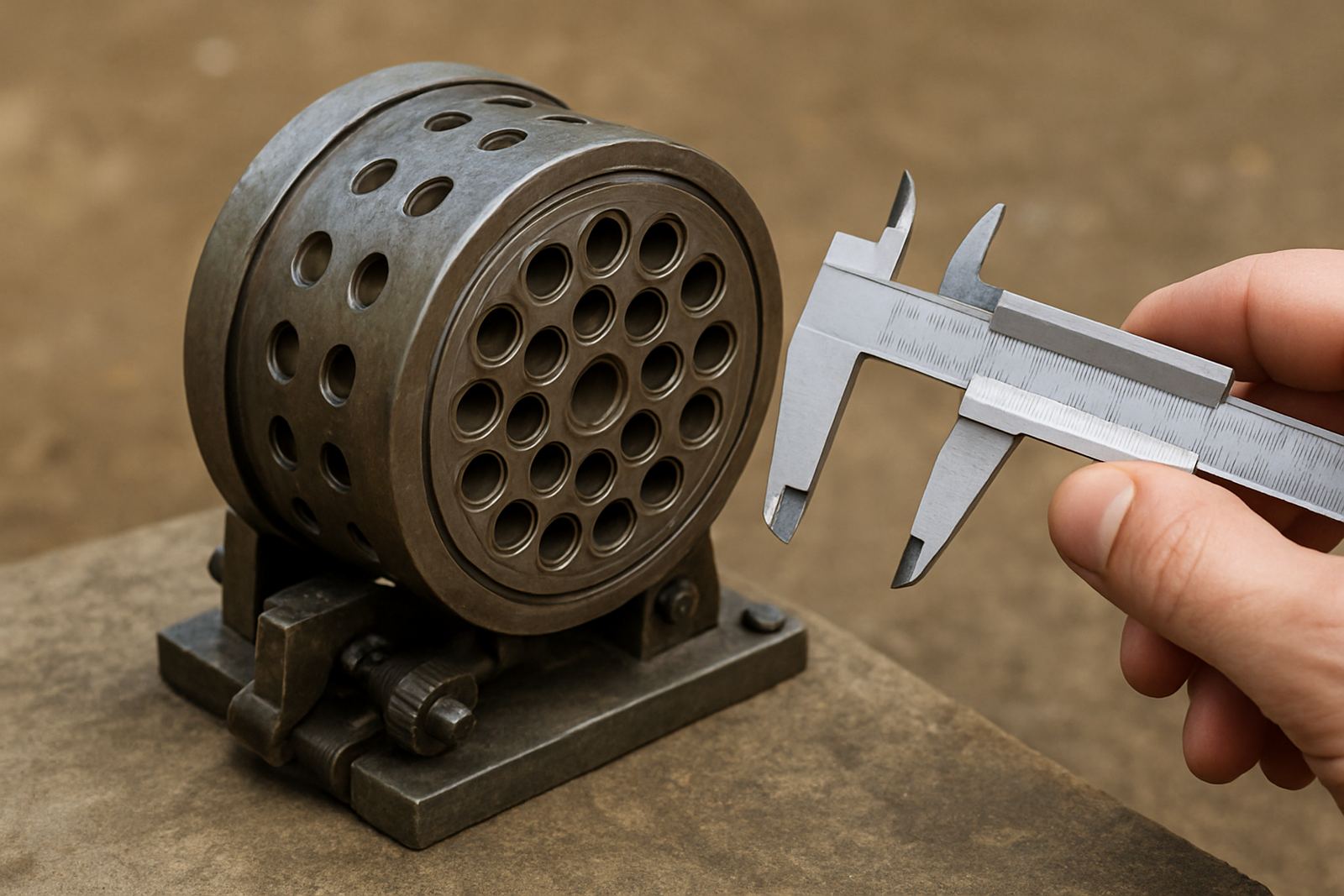
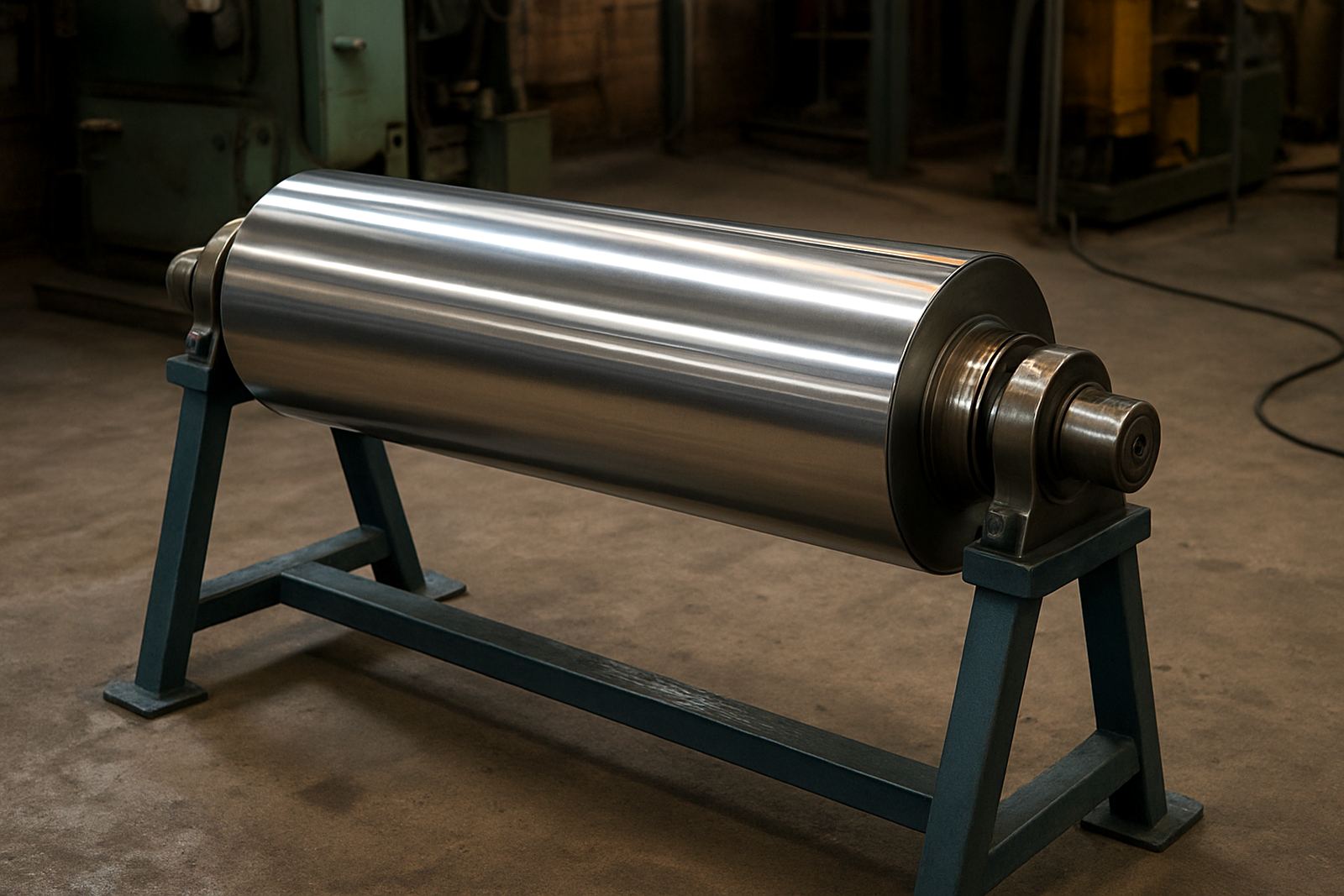
A magnetic cylinder holds a flexible magnetic die in position on the press so the cutting edge stays where it should be while the web moves through. The cylinder face is magnetised to grip the die evenly, which helps reduce vibration, improve cut consistency and keep changeovers neater. For label converters running short to medium production across Johannesburg, Durban, Cape Town, Gqeberha and Pretoria, that consistency matters when you are balancing turnaround times and waste control.
Our cylinders are made to suit the press and the die layout, with attention to concentricity, face finish and the magnetic pull needed for clean seating. On narrower label work, poor hold can show up as chatter, uneven kiss-cut depth or a die that lifts slightly at speed. A properly made cylinder helps avoid that, especially on repeat work where the same job must register the same way every time.
Sizes, faces and build options for different presses
Magnetic cylinders are supplied to the size and machine requirement specified by the converter. The outside diameter, face width, journal arrangement and end fit must all match the press and the die format. We also check whether the machine needs a standard face, a relieved face or a specific bearer arrangement for stable running.
Typical options include standard and repeat-specific diameters, plain or keyed journal setups and surface finishes suited to regular wipe-down cleaning. Where the work involves frequent changeovers, we can set up cylinders for repeat matching so the same job returns to the press with less adjustment. If a press is used for several label families, that saves time and helps your operators keep one setup note consistent to another.
- Custom outside diameters to suit the press build
- Face widths matched to the die and web width
- Journal and bearing details set to the machine requirement
- Repeat matching for jobs that come back often
- Options for refurb work when a cylinder needs to be brought back into tolerance
Where magnetic cylinders suit the job best
These cylinders suit label converting where flexible dies are the preferred tooling method, especially on repeat runs, multi-job production and work that needs fast die changes. They are commonly used on pressure-sensitive label stock, tags, packaging labels and other narrow-web applications. If your line is cutting self-adhesive labels for retail, industrial marking or product information, a magnetic cylinder gives you a practical and repeatable mounting base.
They are also useful where production conditions change through the day. In hot inland factories, machining and fit need to cope with expansion and wear. In coastal areas like Durban and Gqeberha, humidity can affect storage and surface condition, so a well finished cylinder with proper care is important. On plants affected by load-shedding, operators often need quicker restart routines, and a cylinder that locates cleanly helps reduce lost time after power returns.
For converters working with municipal compliance, waste control and tighter production planning, better repeatability means fewer rejected metres and less remaking. That is one less headache when the press schedule is already tight, and it keeps stock use more predictable.
Installation, press setup and utility needs
Magnetic cylinders do not need gas connection, and they do not require special site utilities beyond the normal press setup. The important part is correct mechanical fit, proper alignment and safe handling during installation. The press should be isolated before fitting, and the cylinder should be checked for bearing condition, seating faces and any signs of damage before first use.
We recommend that installation be done by a trained press operator or maintenance technician who can verify runout, check the bearer contact where applicable and confirm the die sits flat across the working face. On some machines, the smallest mismatch can show up as a strip of poor cut or a bit of side movement at speed. A careful setup at the start saves time later, especially when you are trying to get back into production after a stoppage.
- No gas supply required
- Check machine power isolation before fitting
- Verify bearing fit and journal condition
- Confirm concentric running before full-speed production
- Keep installation notes for repeat jobs and future remakes
Care, cleaning and cylinder servicing
Magnetic cylinders last better when they are kept clean, dry and handled with care. Dust, die residue and adhesive build-up can all affect the seating surface and magnetic grip. After a run, the cylinder should be wiped down with a suitable non-abrasive cleaner and stored where it will not pick up moisture or metal debris. Do not leave dies clamped on the cylinder for long periods unless the machine maker specifically allows it.
Regular servicing should include a look at surface condition, journal wear, bearing performance and any marks that could affect true running. If the cylinder has been in regular use, a refurb or recondition may be worthwhile before the wear becomes a production problem. In many cases the issue is not a full replacement but a careful check, light rework or correction of the bearing surfaces. That keeps costs sensible and helps the shop stay on schedule.
For plants near the coast, extra attention to corrosion prevention is worth it. For inland sites, the concern is often dust and handling damage. Either way, storage and basic maintenance make a real difference, and a small bit of care avoids larger repair costs later.
What to check before you order
To make the right magnetic cylinder, we need the machine details and the working dimensions that control fit and repeatability. If any of these are missing, the cylinder may arrive close but not right, and that can cost time on the press. We prefer to work from measured data rather than guesswork.
- Press make and model, or the machine drawing if available
- Outside diameter, face width and overall length required
- Journal dimensions and bearing type
- Repeat size and die layout
- Whether the job is new, a repeat or a refurb request
- Any issues seen on the current cylinder, such as chatter, runout or poor seating
If you are unsure about one of the measurements, we can help with repeat matching, magnet checks and press trial support. For urgent remakes, clear photos and a sample or old cylinder often speed things up. We also advise on stock planning so your most common sizes are ready when production tightens up.
How we support converters across South Africa
Our base in Wadeville, Germiston supports label printers and converters across Johannesburg, Pretoria, Durban, Pinetown, Cape Town, Bellville and Gqeberha. Orders are handled with packing and dispatch, delivery coordination and practical stock advice so your workshop gets the right part without extra back-and-forth. For many customers the value is not only the cylinder itself, but the way it is matched to the press and checked before it leaves.
Marius Jacobus van der Merwe oversees the work with the production and technical team, including CAD proofing, cylinder refurb, die regrind and bearer setting where needed. It means the cylinder is not treated as a loose item, but as part of a running production system. That approach helps when jobs come back in a hurry or when the same label has to cut the same way again next month, or even next week.
Key facts
| Product type | Custom magnetic cylinder for flexible dies |
|---|---|
| Typical use | Label converting, narrow-web cutting and repeat production |
| Build options | Custom diameters, face widths, journal fit and repeat matching |
| Finish | Machined and checked for concentric running |
| Servicing | Cylinder refurb, bearing checks and surface care |
| Supply area | South Africa including Johannesburg, Durban, Cape Town, Gqeberha and Pretoria |