What narrow web dies do on a label press
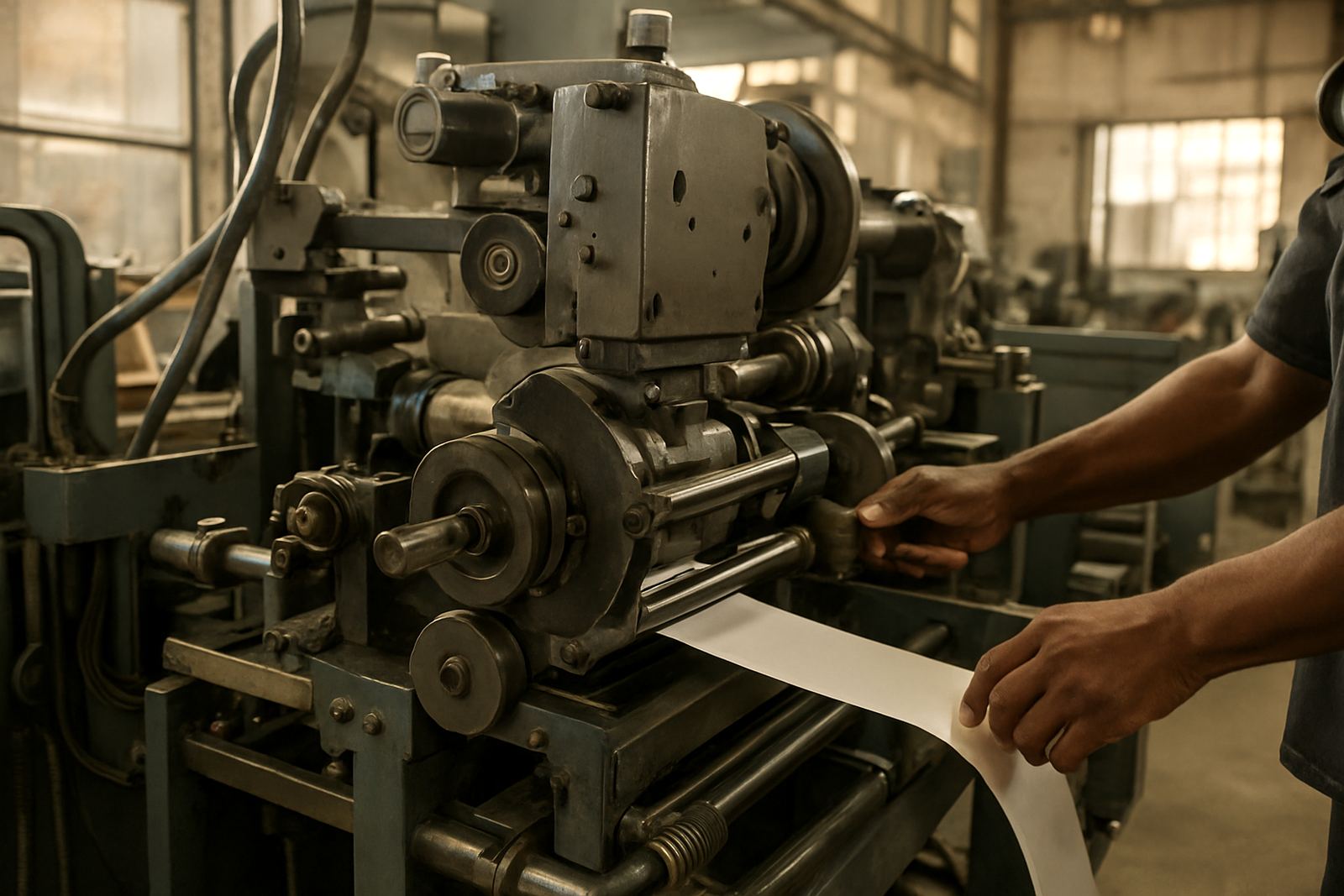
Narrow web dies cut label stock as it passes through a press, converting printed material into finished labels, tags or small-format shapes. On a narrow web line the die has to work with limited web width, short repeats and consistent pressure across the cutting face. If the die is not set correctly you can get ragged edges, incomplete cuts, liner scoring or waste build-up around the rewind. That is why the die specification matters as much as the press set-up.
Our narrow web dies are made for label converters who run short to medium repeats, frequent artwork changes and quick turnaround jobs. We supply dies for self-adhesive labels, glue-applied label work and other narrow format converting where cut accuracy, bearer setting and clean stripping all matter. Tolerances are kept tight because a few hundredths of a millimetre can show up quickly on small labels.
- Suitable for narrow web label lines used in packaging and retail work
- Can be matched to repeat length, substrate thickness and press width
- Made for steady cutting on small labels, tags and shaped blanks
Rotary solid dies, flexible magnetic dies and cylinders
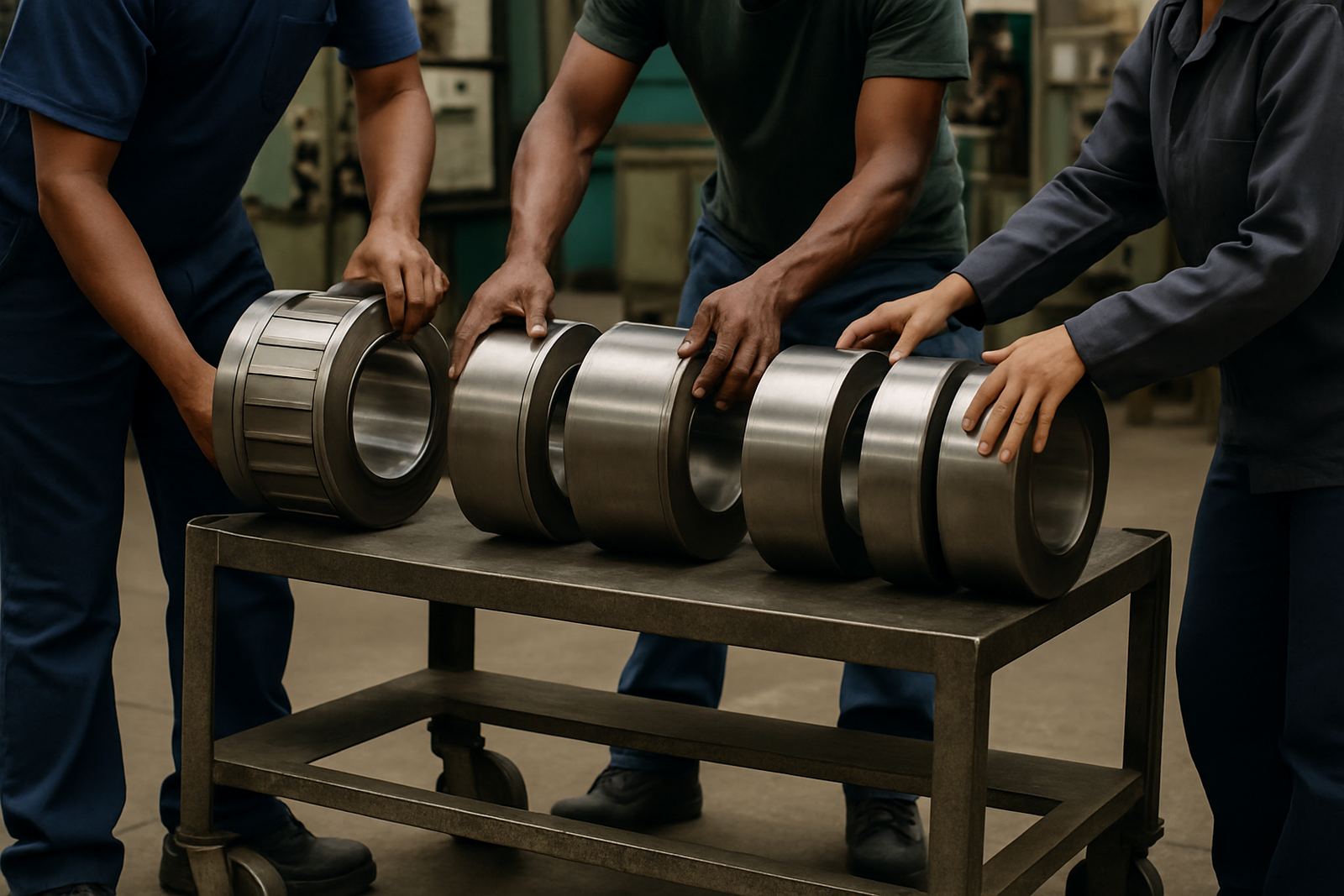
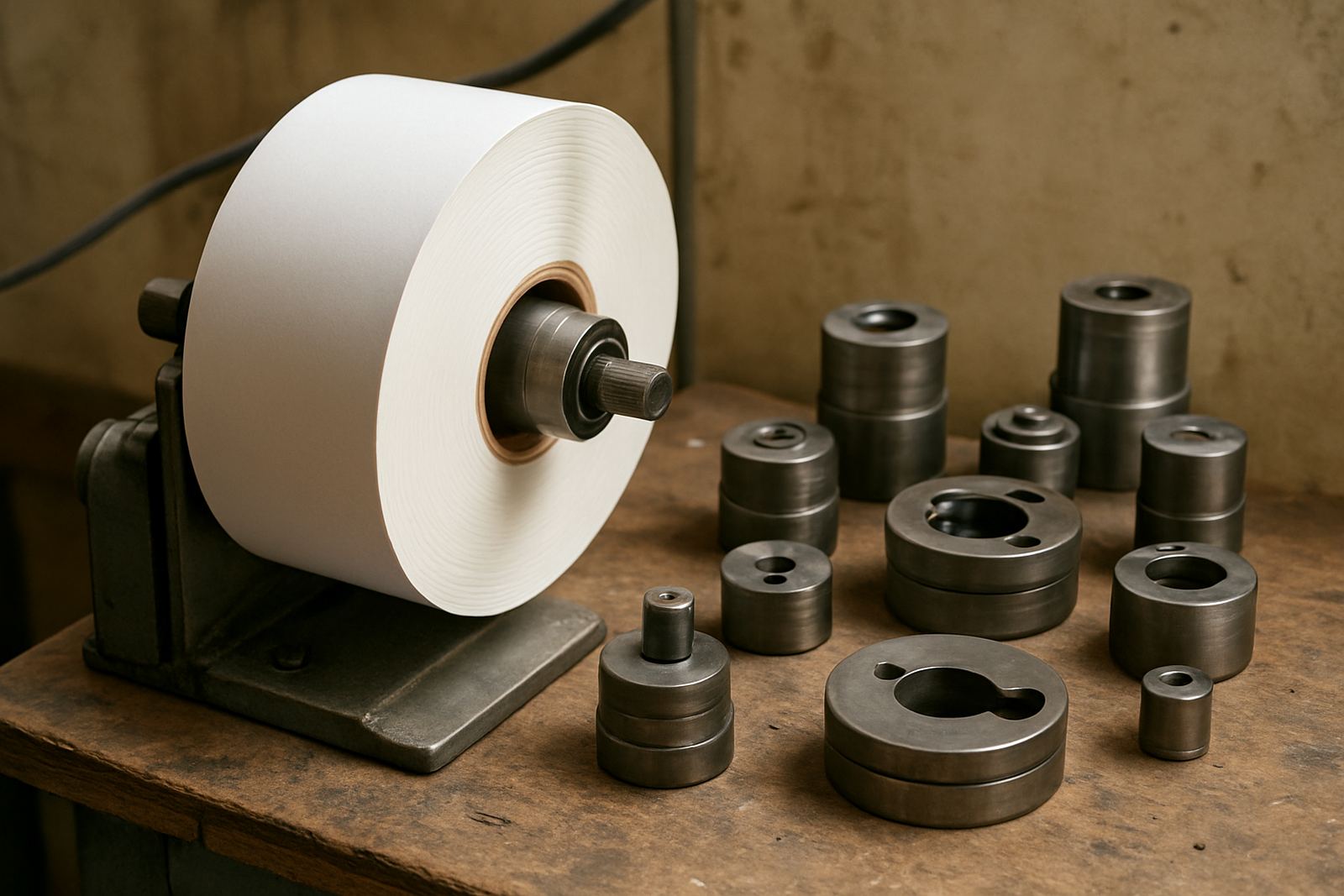
Different presses and jobs call for different die types. A rotary solid die is used where high precision and long service life are needed, especially on repeated production work. Flexible magnetic dies are often used for shorter runs or where changeover time has to stay low. Magnetic cylinders are supplied to hold the flexible die securely on press and to keep the cutting profile true under load.
We make dies to order from your sample, drawing or repeat data. Where needed, we can check the existing cutter, compare it to the print, and match the next die to the same fit. For repeat jobs this saves setup time and reduces trial waste. If your label design is changing often, we can also advise on where to allow for tolerances, bridge strength and stripping.
- Rotary solid dies for repeat production and precise cutting action
- Flexible magnetic dies for faster swaps and shorter production runs
- Magnetic cylinders for stable mounting and consistent registration
Sizes, repeats and options for narrow web work
Narrow web dies are generally sized around the press web width and the finished label repeat, not just the artwork size. We can work from the die line, artwork proof or a physical sample. For many South African label plants the key concern is whether the die will run cleanly on the available cylinder and give enough clearance for the print side, waste matrix and stripping path.
Options include different cutting depths, bearer arrangements, steel grades and edge profiles depending on the substrate. For coated papers, films and other label materials, the cut pressure and wear resistance need to be balanced so the die lasts without damaging the liner. In humid coastal conditions such as Durban and Gqeberha, storage and handling also matter because moisture can affect both the material and the finished die if it is left open in the work area.
- Web widths matched to narrow label presses and converting lines
- Repeat lengths set to suit the press and the final label panel
- Options for paper, film and other common label stocks
Where narrow web dies suit production best
These dies suit label printers and converters that run short label formats, frequent reorders and multiple artwork versions. They are commonly used in Johannesburg and Germiston plants, as well as facilities in Pretoria, Durban, Pinetown, Cape Town and Bellville that need regular delivery and quick remakes. Because narrow web work often involves high job turnover, a die that matches the press properly can save time on every setup.
They also suit plants that must keep production moving during load-shedding. When power cuts interrupt a shift, the next restart has to be clean and predictable. A die that is correctly made and properly marked is easier to return to press without spending time on guesswork. That is especially useful where the same narrow web job may be repeated several times a month.
- Label printers handling retail, industrial and logistics labels
- Converters with frequent repeat jobs and short production windows
- Plants needing local support for urgent remakes and repeat matching
Installation, setup and power or gas needs
Narrow web dies themselves do not need power or gas, but the press they run on must be set up correctly. The die must be mounted square, locked to the cylinder or magnetic shell, and checked for bearer contact, cutting depth and side-to-side alignment. If the press uses web tension controls, those settings must be balanced before the first run starts. If not, the waste matrix can pull unevenly and affect the cut.
For installation support we can help with bearer setting, magnet checks and press trial support. We also advise on the order in which to start up the line after a stoppage, especially where auxiliary equipment, compressors or vacuum units are involved. On some sites the practical issue is not the die itself but the plant conditions, including unstable electricity, limited air supply or poor storage space. A simple check list before startup usually avoids wasted stock.
- Check cylinder mounting and locking before first run
- Confirm bearer setting and cutting depth for the substrate
- Allow for press air, vacuum or auxiliary supply requirements where fitted
Care, servicing and repeat accuracy
Dies last longer when they are cleaned after use, stored flat and kept free of adhesive build-up. On narrow web work, residue on the cutting edge can cause poor stripping on the next job or a slight loss of detail on small shapes. We offer die regrind, cylinder refurb, repeat matching and magnet checks to keep the cutting action consistent over time. If the die is used hard, a service interval is worth setting before the edges begin to break down.
We also recommend checking the die after transport, especially for deliveries to coastal areas where humidity can affect packing materials. A quick inspection on arrival can show whether the edge is clean, whether the bearer wear is even and whether the cylinder still seats correctly. If the same job comes back regularly, note the press settings as well as the repeat. That makes the next remake faster and more accurate.
- Clean cutting edges and remove adhesive after each run
- Store dies in dry conditions with proper packing protection
- Use service work to restore cut quality before waste rises
What to check before you order a narrow web die
Before ordering, please check the press width, repeat length, finished label size, material type and whether the job needs a solid die or a flexible magnetic die. It also helps to confirm the number of across-web labels, the direction of feed, and whether the design includes small radii, intricate corners or fine knock-outs. If you have a sample, send it with the enquiry form details so we can compare the physical part with the artwork.
Useful information includes the press model if available, the existing cylinder or die reference, the required delivery area and the turnaround needed. For urgent remakes, mention the fault you are trying to correct, such as incomplete cut, liner damage or poor fit on repeat. The more practical detail we get at the start, the fewer delays later and the less stock you risk wasting.
- Press web width and repeat length
- Label material, backing liner and finished shape
- Sample, drawing or old die reference for repeat work
Key facts
| Product type | Narrow web rotary and flexible dies for label converting |
|---|---|
| Typical use | Small-format label presses with short repeats and frequent changeovers |
| Options | Rotary solid dies, flexible magnetic dies, magnetic cylinders |
| Material compatibility | Paper, film and other common label stocks |
| Support services | Die design, CAD proofing, press trial support, die regrind |
| Base and delivery | Made in Wadeville, Germiston with deliveries across South Africa |