Linerless tooling for clean release and accurate cut control
Linerless work places extra demands on the cutting setup because there is no face stock to hide a poor finish. The tooling must handle adhesive, liner-free web tension and any splice variation without picking up material or leaving ragged edges. Our linerless tools are made for South African converters running short promotional labels, variable data jobs and fast moving runs where consistency matters more than guesswork.
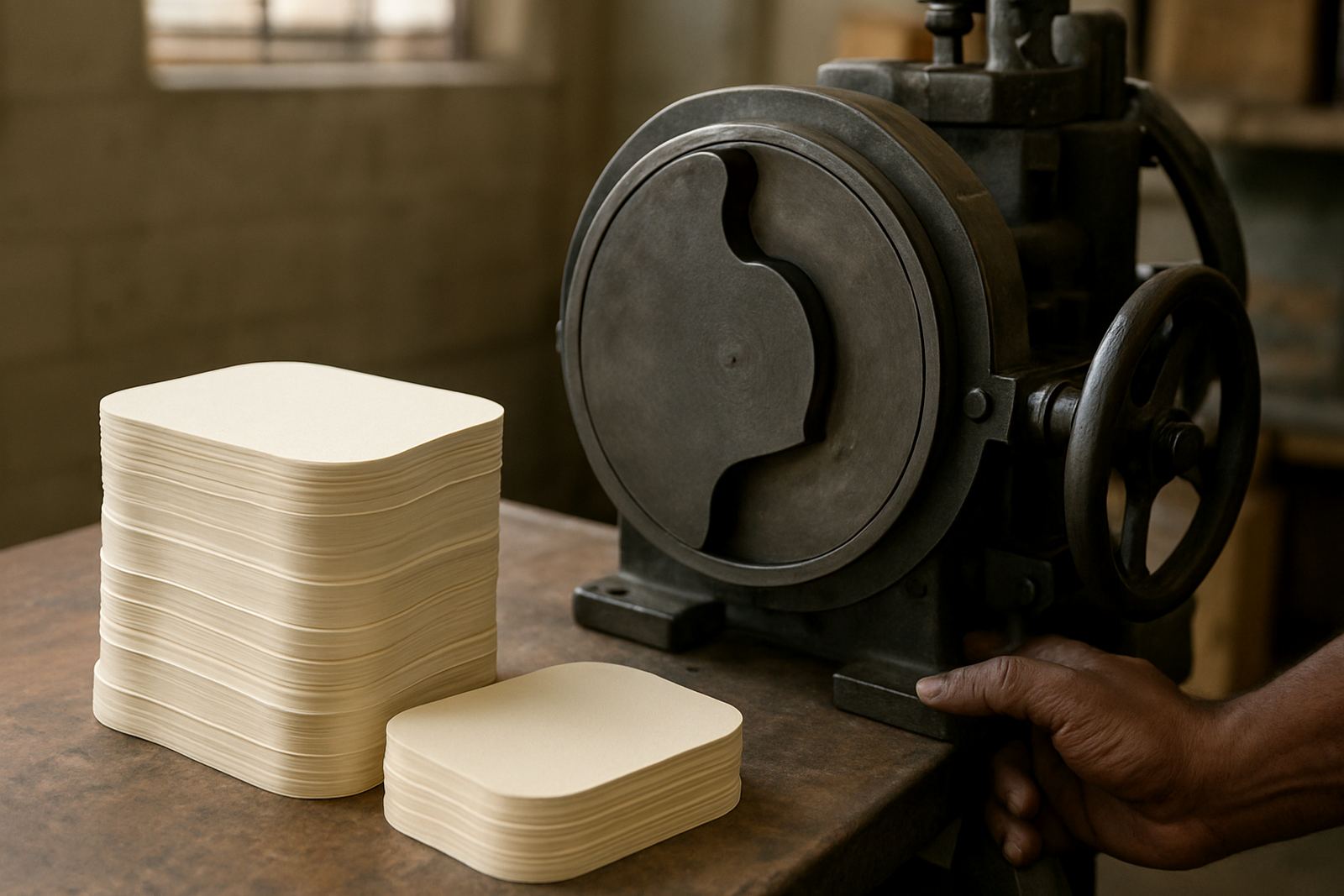
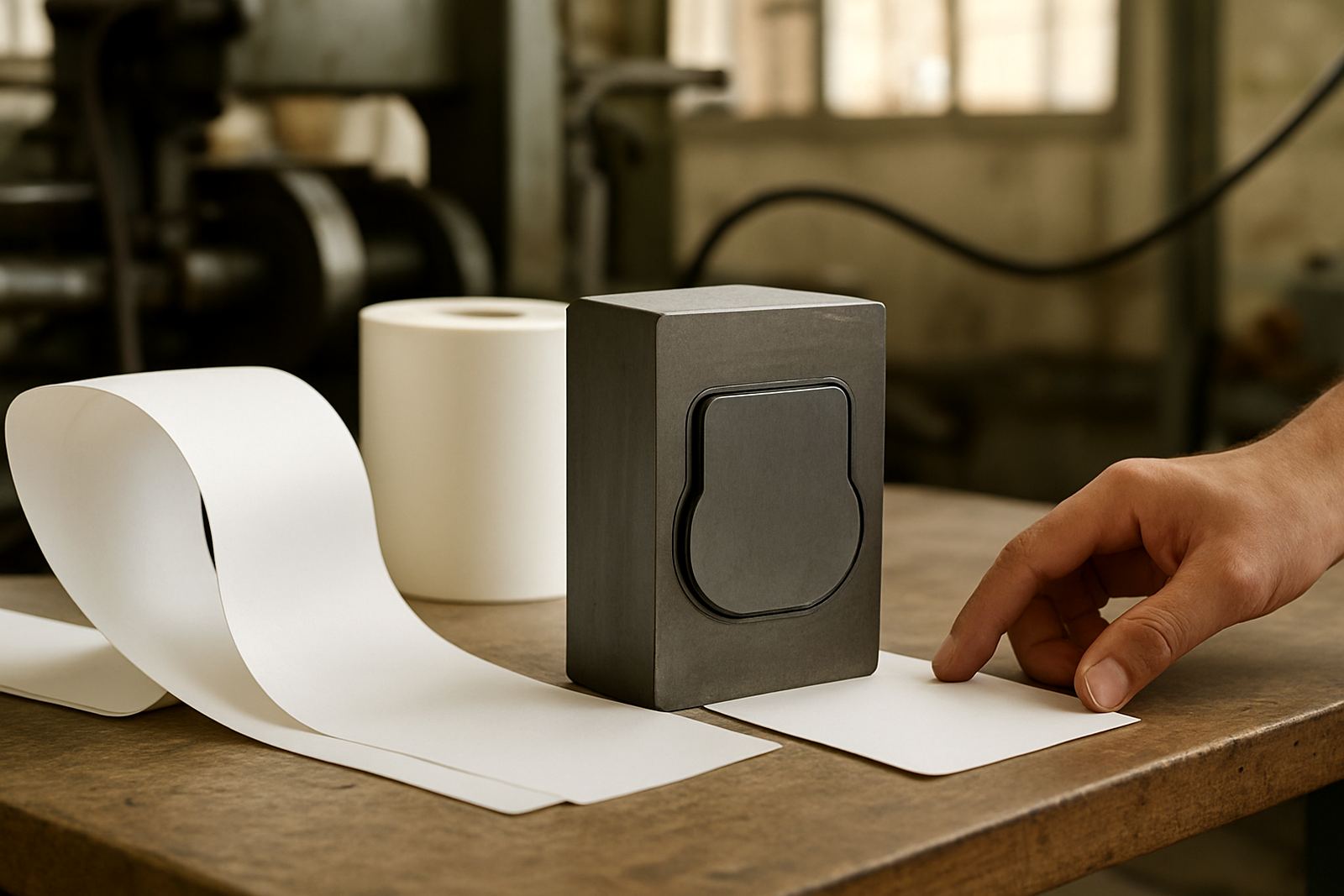
We supply rotary solid dies, flexible magnetic dies and magnetic cylinders where the job calls for it. Each tool is matched to the repeat, web width and press setup so the cut stays stable across the run. If you are changing over from conventional self-adhesive work to linerless construction, we can help with the first set of measurements and advise on what to check before the first press trial.
- Suitable for narrow web and mid web label lines
- Made to order to the required repeat and profile
- Useful for linerless labels, promotional strips and specialist web handling jobs
- Built with tolerances suited to repeat production in local converting plants
Sizes, formats and build options
Linerless tools are usually specified around the press cylinder, repeat length and the finished label shape. Common widths depend on the press and the application, but we regularly work within widths from 25 mm up to 320 mm, with repeats from 50 mm to 500 mm. Where the job needs a tighter cut or a heavier-duty body, the tool format is chosen to suit the press speed and the adhesive loading on the web.
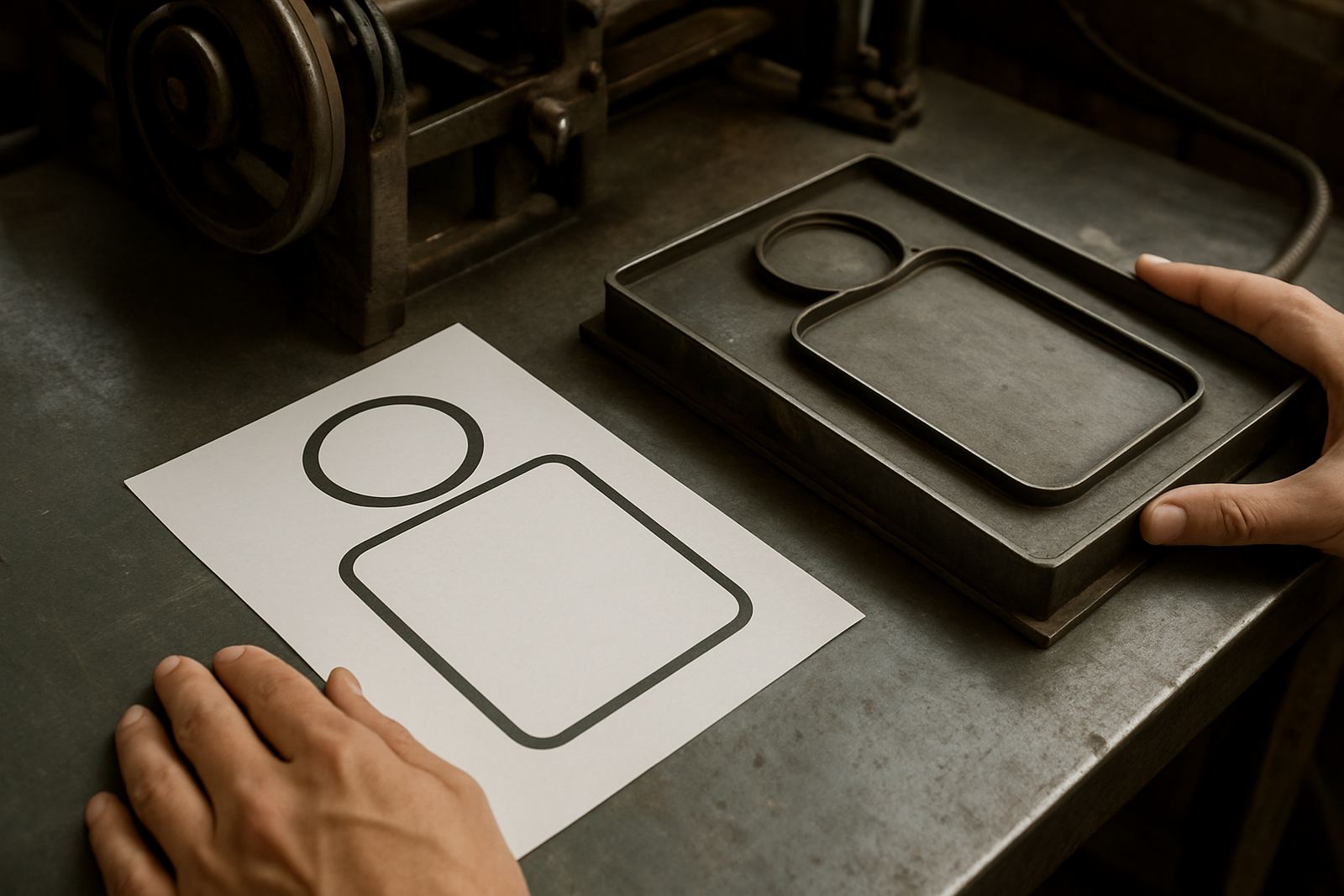
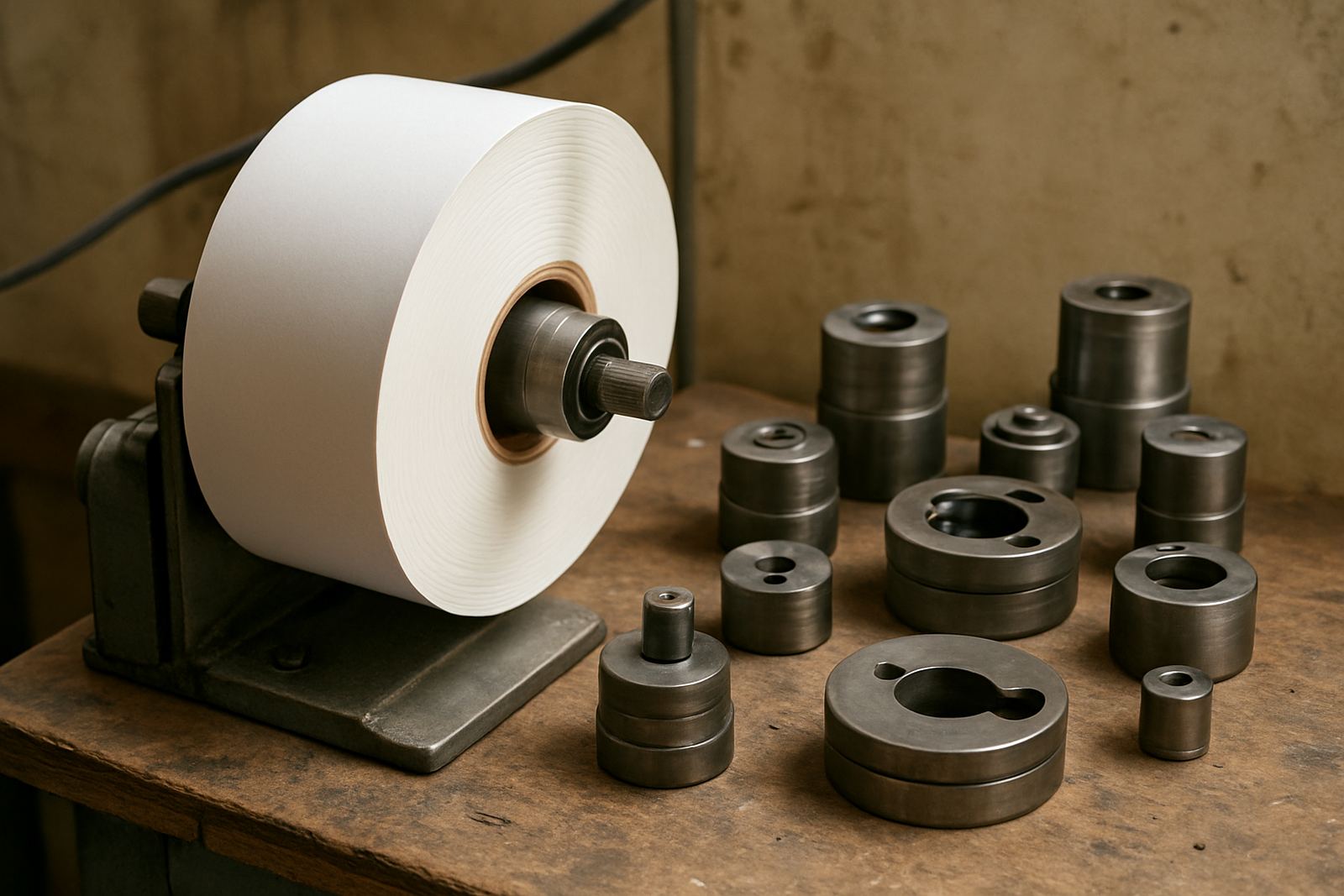
Options include standard profile cutting, angled edge forms, kiss-cut style arrangements where suitable, and matched tooling for repeat jobs. We also supply magnetic cylinders for presses that need a stable mounting surface and repeatable positioning. For converters in Johannesburg, Durban, Cape Town, Gqeberha and Pretoria, the right format often comes down to press type, available bed space and how often the job will be repeated.
- Widths: 25 mm to 320 mm typical
- Repeats: 50 mm to 500 mm typical
- Tool formats: rotary solid die, flexible magnetic die, magnetic cylinder
- Options for repeat matching and remake on existing patterns
Where linerless tools suit best on South African lines
These tools suit converter environments where labour saving, reduced waste and tighter roll control are important. Linerless labels are often used for deli wrap, fresh food packs, logistics tickets, weigh-label applications and short life shelf marking. They also suit sites where municipal waste handling costs are under pressure, because there is no silicone liner to dispose of after every roll.
In coastal towns like Durban and Gqeberha, we consider humidity, adhesive flow and storage conditions because linerless stock can behave differently from dry inland rolls. In Johannesburg and Pretoria, dust control and accurate rewind are often the main concerns. The tool needs to stay true in all of these conditions, especially when the line is running through load-shedding recovery and the press is being restarted after a stop.
- Food and fresh produce labelling
- Logistics and dispatch labels
- Weigh scale and service counter labels
- Short run promotional and date coded work
Installation, power and press setup requirements
Linerless tooling itself does not need electrical power or gas, but the press line around it does need to be set correctly. Web tension, dancer settings, knife pressure, unwind control and take-up alignment all affect how well the tool performs. If the press has heat assisted elements or adhesive control accessories, those must be checked against the job spec before the tool is fitted.
Before installation, the cylinder or die should be checked for clean mounting surfaces, correct bearer setting and any signs of wear on the shaft, clamps or drive points. For urgent remakes, we can work from samples, dimension sheets or an approved repeat if the original pattern is no longer on hand. A neat setup saves time on the first run and avoids unnecessary spoilage.
- No direct gas requirement for the tooling itself
- Electrical needs depend on the press and web handling equipment
- Check tension, bearer setting and mounting surfaces before fitment
- Keep a sample roll or clear drawing when ordering repeats
Care, cleaning and servicing between runs
Linerless adhesives can build up quickly if the tool is left dirty after a shift. Regular cleaning helps keep the edge clean and reduces drag on the web. We recommend wiping the tool down after each job, checking for adhesive pickup on the edges and inspecting the mounting face for burrs or damage. If a die starts to mark the web or the cut begins to wander, it should be checked before the next production slot.
Our servicing support includes die regrind, cylinder refurb, magnet checks and bearer setting. For converters running multiple shifts, planned maintenance helps prevent surprise stoppages. If your site has limited backup during load-shedding, it is worth keeping a spare or a repeat on record so production can continue after a power interruption without waiting for a full rebuild.
- Clean after each run to reduce adhesive build-up
- Inspect cutting edges, magnet face and mounting points
- Use repeat matching for jobs that come back often
- Book servicing before the tool starts leaving rough edges
What to check before placing an order
To make the right linerless tool, we need the finished size, label shape, repeat length, web direction and press model details. If there is a sample, a clear scan or a previous tooling drawing helps us confirm the cut path and the bearer arrangement. For jobs with tight tolerances, we also need to know the substrate thickness, adhesive type and whether the roll will run in hot or humid conditions.
It helps to confirm whether the job is new, a repeat or a remake. If the existing tool was working well, send the previous dimensions and any notes from the press operator. If the job has been causing slippage, blocking or poor rewind, tell us where the fault shows up. That information lets us advise on die design, packing and dispatch timing and whether an urgent remake is the better route.
- Finished label size and shape
- Repeat length and web width
- Press model, mounting style and web direction
- Sample, drawing or approved previous tool
- Substrate, adhesive and expected running conditions
Key facts
| Product types | Rotary solid dies, flexible magnetic dies, magnetic cylinders |
|---|---|
| Typical width range | 25 mm to 320 mm |
| Typical repeat range | 50 mm to 500 mm |
| Tolerance focus | Precise cut control for repeat production |
| Service support | Die design, CAD proofing, press trial support, regrind and refurb |
| Dispatch and delivery | Wadeville supply with Johannesburg, Pretoria, Durban, Pinetown, Cape Town, Bellville and Gqeberha deliveries |