What a peel and reseal die does on press
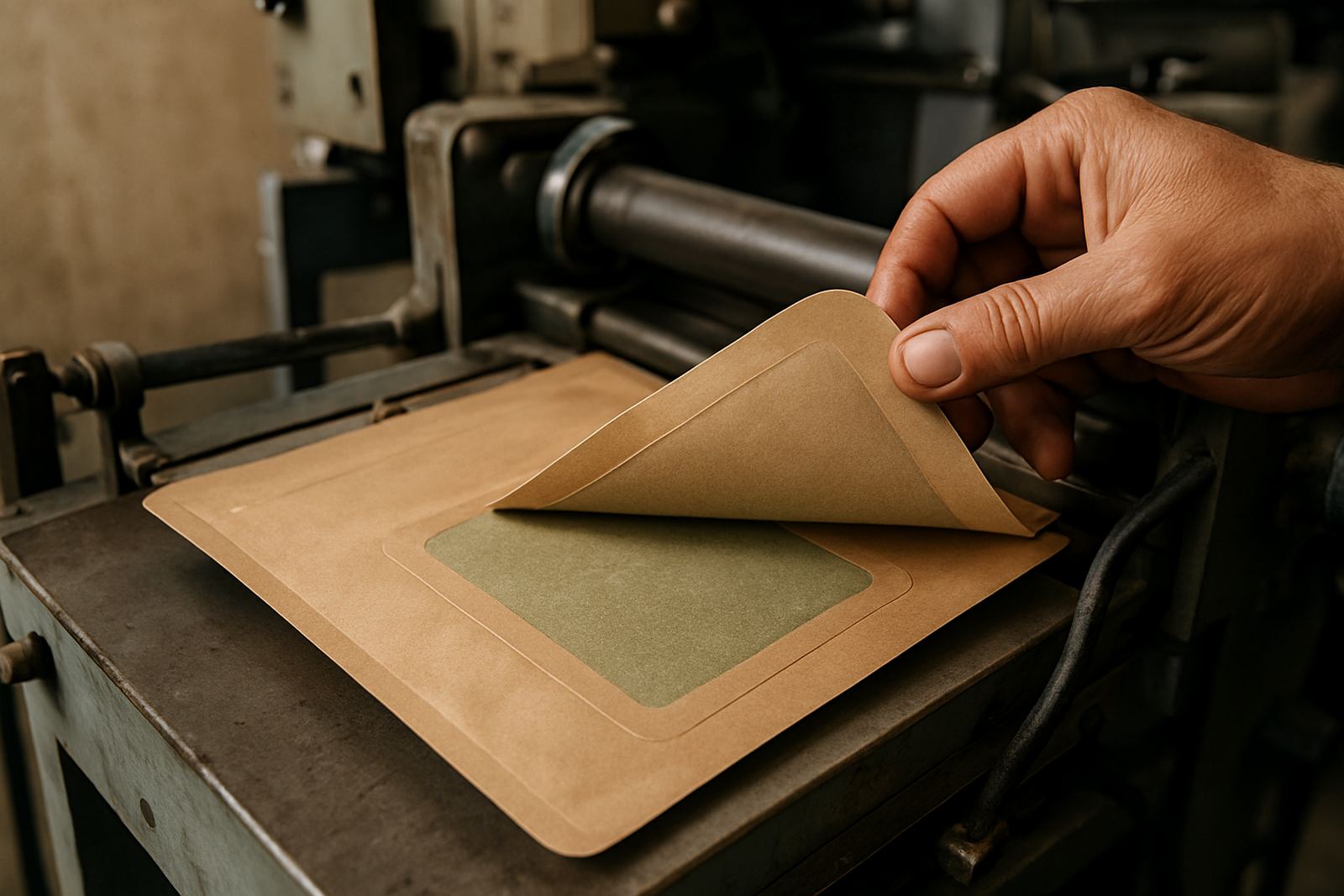
A peel and reseal die cuts the shape of the label while leaving the reseal feature intact where it is needed, so the end user can open the pack, fold the panel back and close it again. This is used where product instructions, safety information or access to the contents must be repeated through the life of the pack.
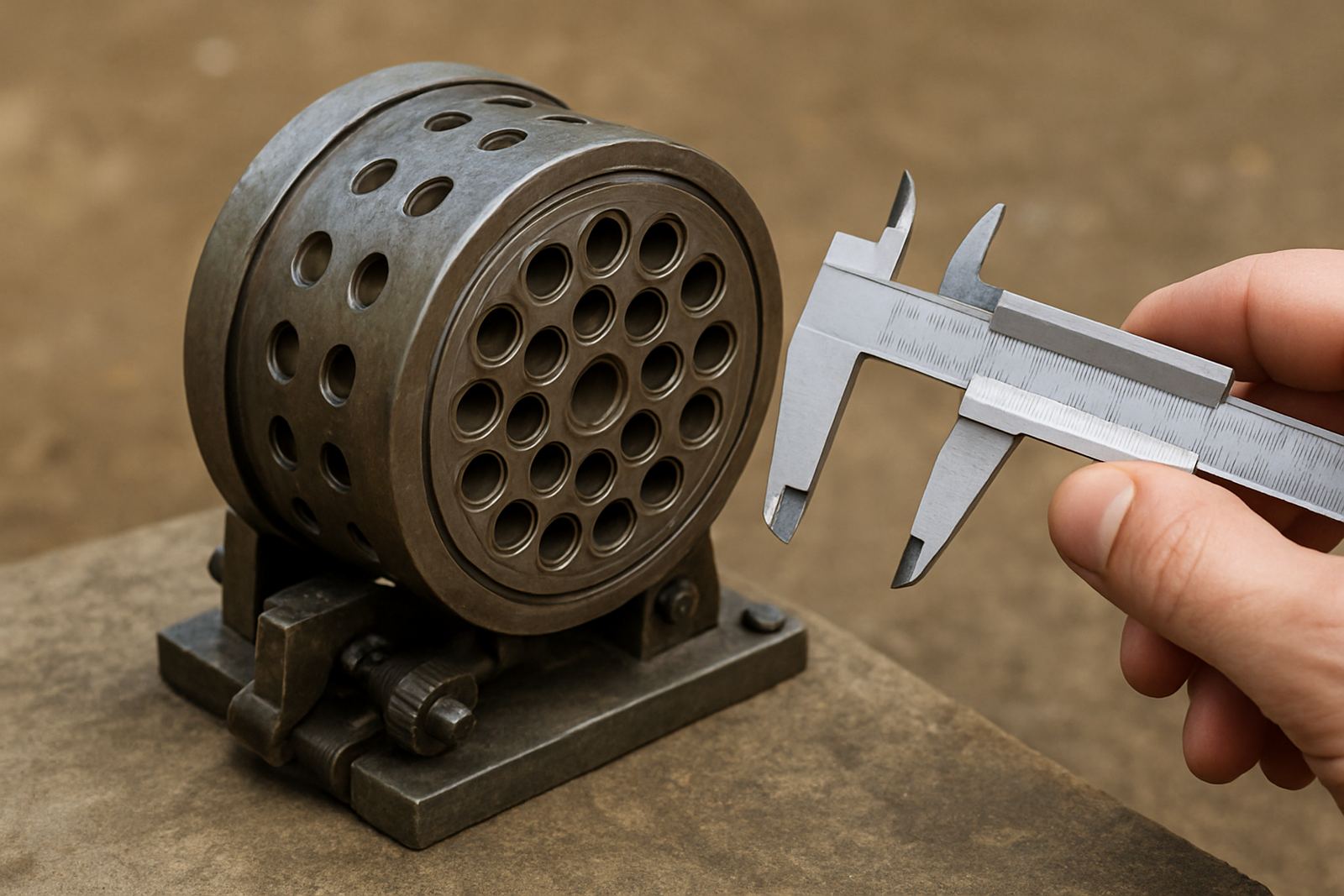
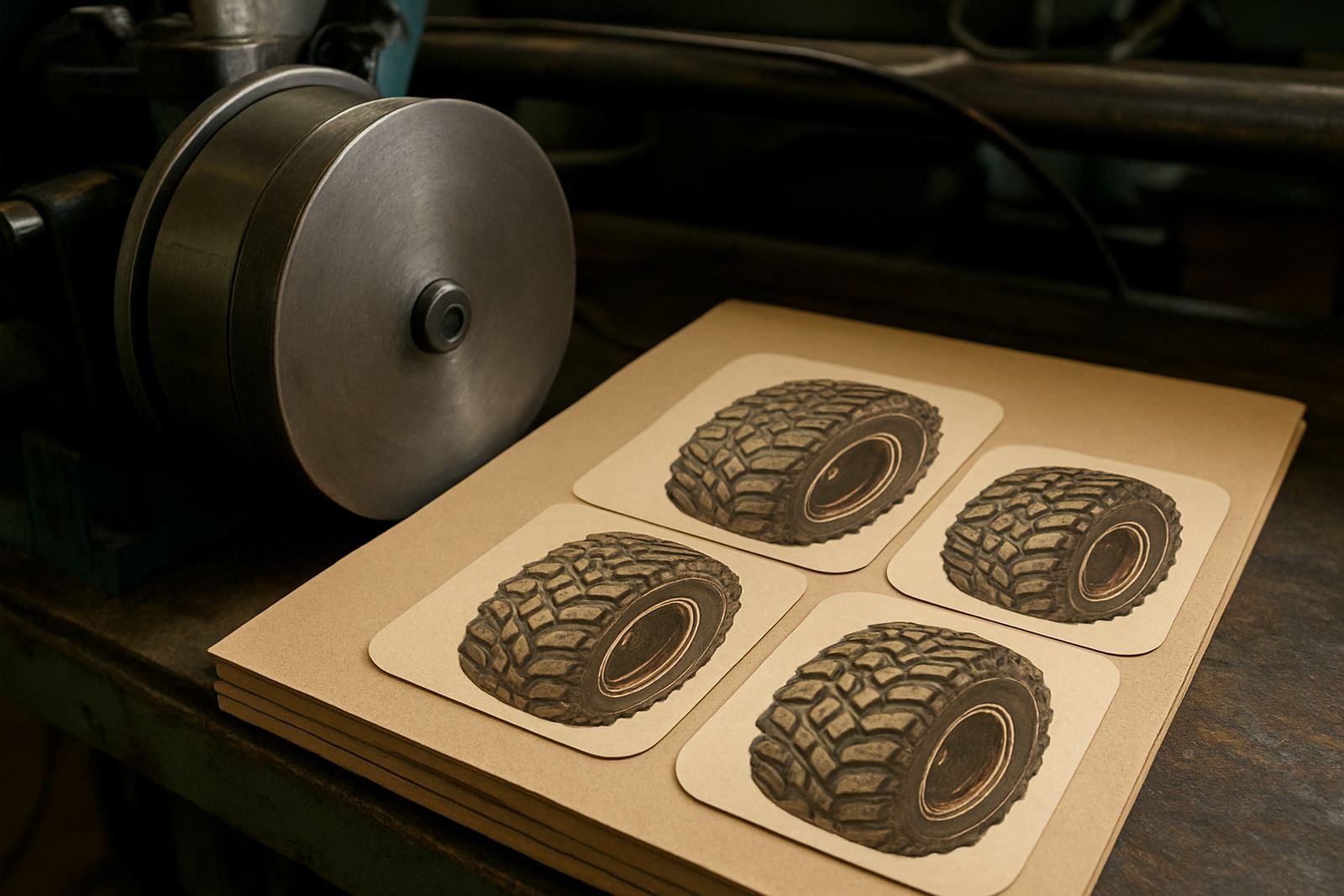
Our peel and reseal tooling is supplied as rotary solid dies, flexible magnetic dies or magnetic cylinders depending on the press setup and run length. The cutting edge and relief are set to suit the face stock, adhesive build and liner type, with tolerances kept tight so the label releases cleanly on press. If the die is not matched to the material, you get lifting corners, poor peel, glue ooze, or a reseal flap that starts to fray after only a few openings.
- Made to suit repeated open and close cycles
- Suitable for pressure sensitive label constructions
- Can be matched to short, medium or long runs
- Designed for clean stripping and steady register
Sizes, constructions and cutting options we supply
Peel and reseal dies are made to the label size, pack shape and press width you are running. We work from artwork, existing samples or technical drawings, then set up the tooling for the exact repeat and web width. Common formats include small pack labels for food tubs, larger safety labels for cleaning chemicals, and instruction labels for personal care packs where the flap must be easy to open but firm enough to reseal properly.
Options vary by substrate and press, but the important point is that the tool must hold the bridge or hinge detail in the right place. That section carries the repeated fold action, so the cut depth, bearer setting and any local relief all matter. We can also factor in common South African pack conditions such as cold room handling, coastal humidity in Durban and Cape Town, and fast line speeds on jobs that need reliable release under pressure.
- Rotary solid dies for high volume converting
- Flexible magnetic dies for short and medium runs
- Magnetic cylinders for repeat jobs and stable set-up
- Options for kiss-cut, partial cut and controlled hinge detail
If you have a current die that is not performing, we can repeat match it and adjust the cut for better opening strength or cleaner reseal action. A small change in adhesive, liner or varnish can make a big difference, so the tool should be checked against the current spec, not only the old sample.
Where peel and reseal labels are best used
This tooling suits packs that need access more than once, or where the customer must keep reading information after first opening. It is common on product packs with dosage guidance, ingredient panels, warning copy, refill instructions or promotional content that should stay protected but easy to reopen. The label needs to sit flat on the pack and still lift cleanly without wrinkling around the reseal area.
We supply converters across Johannesburg, Pretoria, Durban, Pinetown, Cape Town, Bellville and Gqeberha, with delivery coordination from Wadeville, Germiston. For sites dealing with load-shedding, the tool itself does not need power, but the press setup around it should account for interrupted line starts, slower changeovers and careful restart checks after stoppages. A rushed restart is where you lose repeat quality, especially on finer web work.
- Food tubs and snack packs
- Pharmaceutical and health packs
- Cleaning and chemical containers
- Refill and sampling packs
- Promotional and membership labels
Installation, press setup and operating conditions
Peel and reseal dies are fitted as part of the normal rotary or magnetic mounting process. We check the bearer, repeat, anvil condition and cutting pressure before the first run, then confirm the kiss cut is landing where it should. If the tool is too tight you will see premature wear or liner damage. If it is too light, the flap may not separate properly. In either case the pressman ends up chasing a fault that should have been prevented.
No gas or special utilities are required for the die itself. What matters is correct press alignment, stable impression, and a clean machine bed. In coastal areas, especially around Durban and Cape Town, humidity can change liner behaviour and adhesive release, so we often advise a trial pull before full production. In hotter inland conditions like Germiston, Johannesburg and Pretoria, you also need to watch adhesive bleed and pack dust, because it can affect how the reseal panel sits after conversion.
- Check repeat length before fitting
- Verify bearer setting and pressure
- Confirm web direction and unwind tension
- Run a short trial before full production
- Inspect strip out and flap integrity under magnification if needed
Care, regrind and repeat matching over time
Like any precision cutting tool, a peel and reseal die should be checked regularly. The cut edge will wear, especially on longer runs or when abrasive stocks are used. We can handle die regrind, cylinder refurb, magnet checks and bearer setting as part of ongoing maintenance. When a tool comes back for repeat work, we compare it against the original detail and the current sample so the next run starts from the right point.
For converters running urgent jobs, a worn tool can often be recovered if the geometry is still sound. If the hinge section has drifted or the opening force has changed, that needs to be corrected before dispatch. Our production team in Wadeville works with dispatch coordination to get repeat jobs back into circulation quickly, which is useful when a customer in Pretoria or Bellville has a production slot booked and cannot afford a miss.
- Regular edge inspection helps maintain cut quality
- Regrind may restore performance on worn dies
- Refurbishment is available for compatible magnetic cylinders
- Repeat matching is advised when materials or artwork change
What to check before you order a peel and reseal die
To quote and make the right tool, we need the finished artwork size, repeat length, substrate make-up and the press type you are running. If you already have a sample, send that as well, because it shows how the label is actually working on pack. If the job must pass through a specific labelling line or cartoner, tell us the web width, unwind direction and any restrictions on label gap or register marks.
Also let us know whether the label must open from a corner, a side edge or a central panel, and how many times it should be reusable. That affects the cut path and the hinge detail. Where packs are stored in cold rooms, or where customers handle them with wet hands, the reseal strength may need a different balance from a standard label. The more detail you provide, the better the result, and it saves time on press. A clear sample helps more than a long description, to be honest.
- Artwork or sample size in millimetres
- Press type and repeat length
- Face stock, adhesive and liner details
- Open-close requirement and fold direction
- Delivery town and any deadline constraints
Key facts
| product type | Peel and reseal cutting tool for pressure sensitive labels |
|---|---|
| tool formats | Rotary solid die, flexible magnetic die, magnetic cylinder |
| typical use | Multi-open labels for packs needing repeated access |
| material compatibility | Paper and film label constructions, subject to application tests |
| manufacture tolerance | Made to precise repeat and cut depth requirements |
| service support | Die design, CAD proofing, regrind, refurb and press trial support |