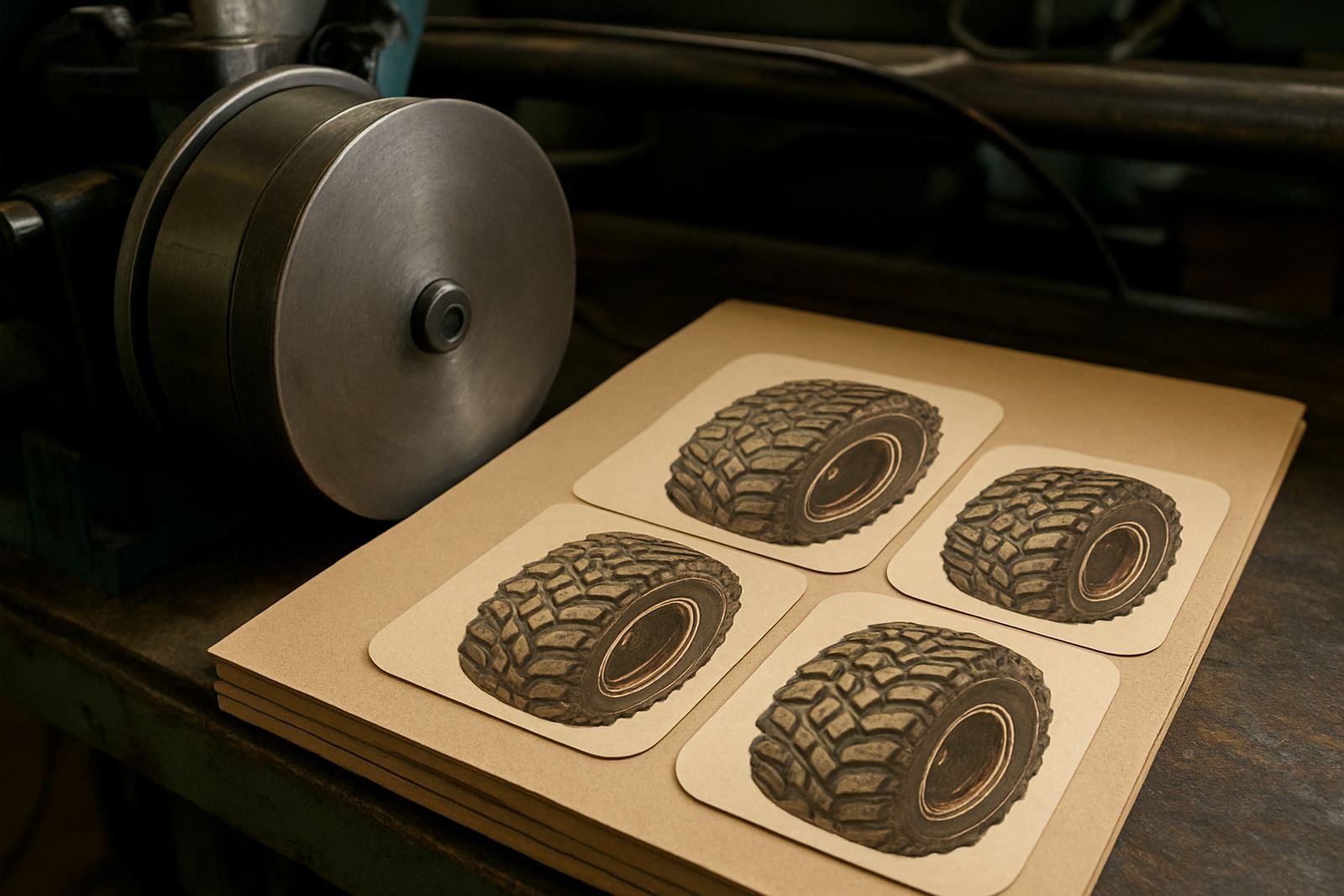
Built for tyre label stock, not general label work
Tyre labels usually carry more stress than a standard shelf label. The face stock, adhesive and liner need to survive handling, wrapping, warehouse movement and sometimes rough storage before the label reaches the tyre bay. That means the die has to cut cleanly through the face material without pulling the adhesive or crushing the liner. We make tyre label dies for pressure-sensitive constructions used on passenger, truck and fleet tyre labels, with tolerances set for consistent kiss-cutting and clean waste removal.
These dies are used on short runs, repeat orders and high-volume label converting where shape consistency matters. If your labels include barcodes, batch numbers or variable data, the die needs to keep registration steady so the print stays in the right place. Our team checks the artwork, cutting path and repeat size before production, then supplies the die to suit the press setup in use. For tight turnaround jobs, we can also assist with repeat matching and urgent remakes when a press stop would cost a full shift.
Die formats and sizes for tyre label production
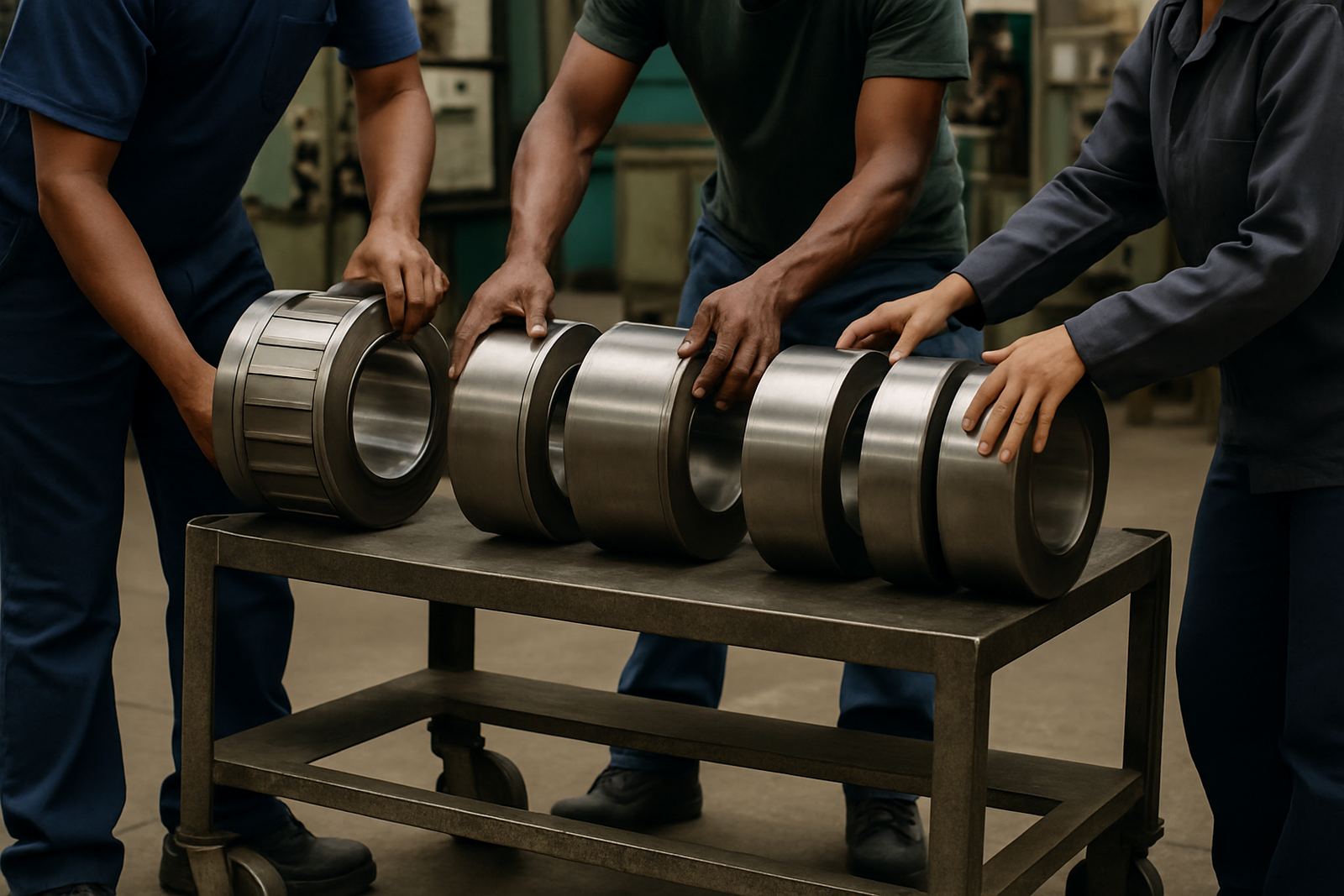
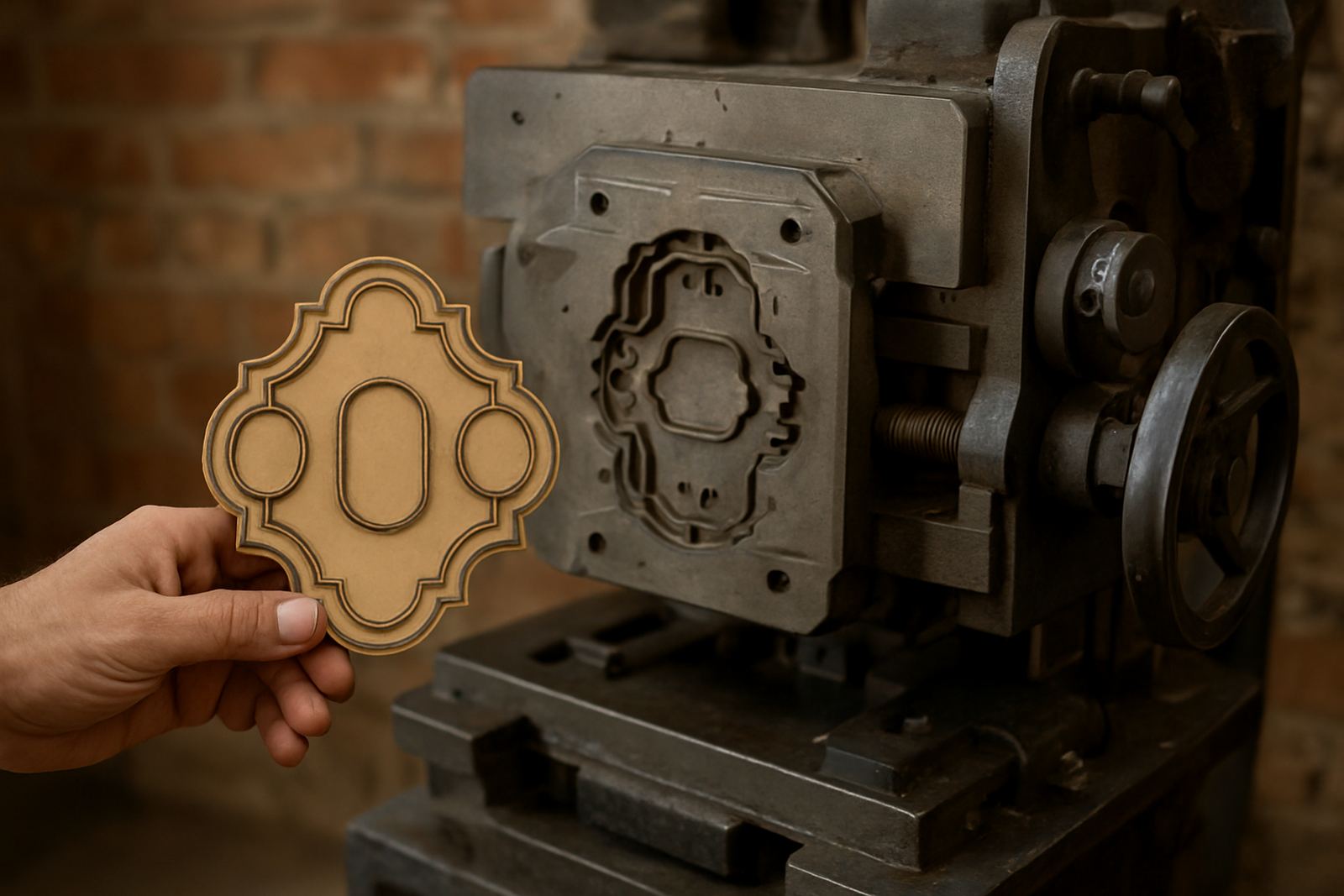
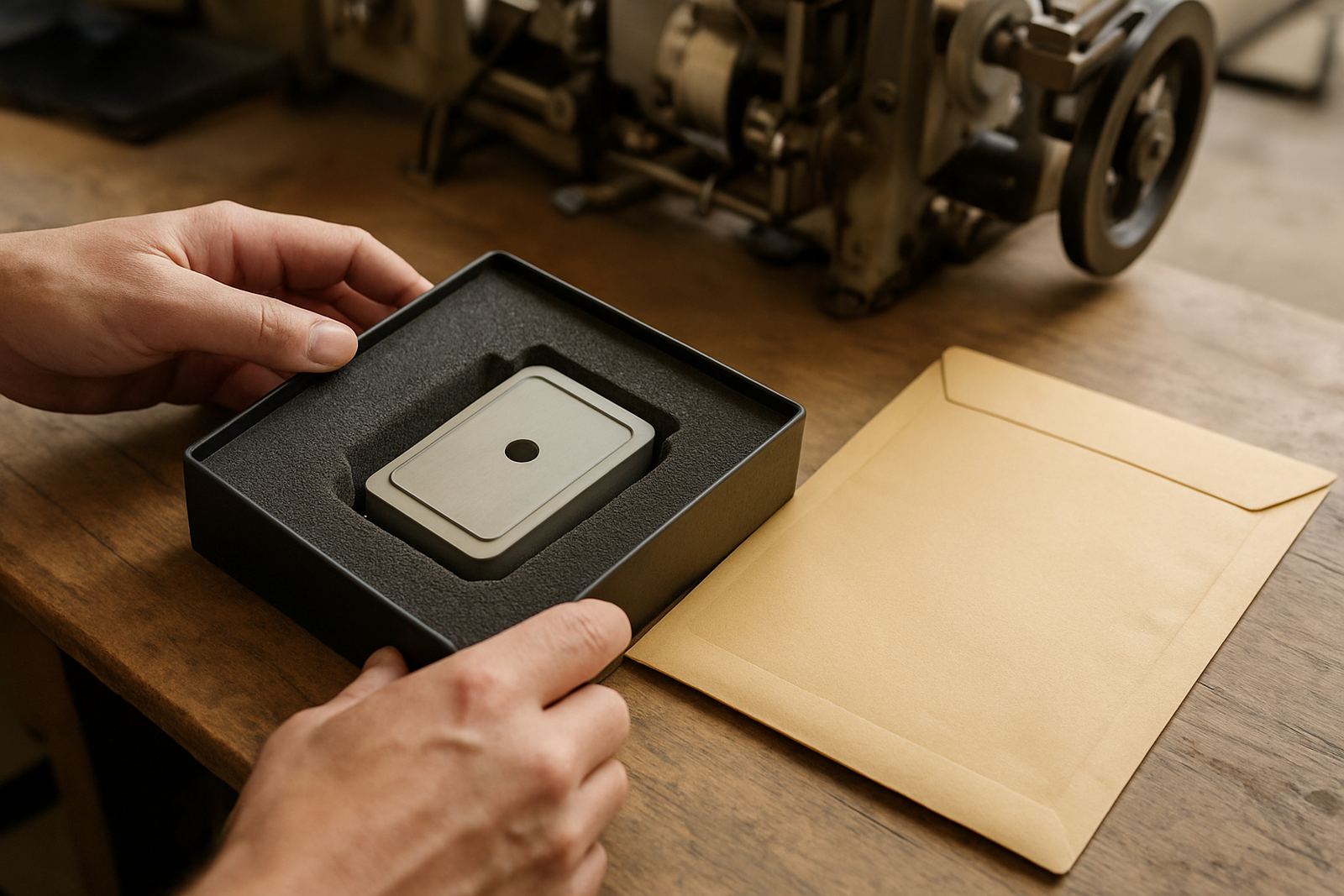
Tyre label dies are usually supplied as rotary solid dies, flexible magnetic dies or magnetic cylinders depending on the press and the run length. Rotary solid dies suit longer life and firmer cutting performance, while flexible magnetic dies are often used where changeovers need to be quick and the label range changes often. Magnetic cylinders are supplied where the press requires that format for rotary converting. We make to order from your finished size, cut shape and repeat, so the tool fits the job instead of forcing the artwork to suit the tool.
- Custom shapes for round, oval, square and special profile tyre labels
- Typical label sizes from small barcode labels to larger tyre casing labels
- Fine tolerances for narrow borders, corner radii and accurate knockouts
- Options for bearer setting, die regrind and repeat matching on returning jobs
- Advice on stock thickness, adhesive grip and release liner choice for your application
Common requests include labels that are 25 mm to 150 mm wide, though larger formats can be handled where the press and material allow it. If your label includes a hang tab, perforation or a corner cut, that can be built into the tool drawing before machining. We also help with stock advice when the material is too soft, too heavy or too tacky for the intended use. It saves time later, and avoids waste on press.
Where tyre label dies suit best
Tyre label dies are used by label printers and converters supplying tyre depots, wholesalers, fitment centres and warehouse operations. They suit labels that must stay readable on the tyre sidewall or tread packaging, as well as stock labels that are applied in the storeroom before dispatch. Because tyre labels are often handled in warm stores and sometimes dusty environments, the cut edge and adhesive performance both matter. A poor cut can cause lifting, wrinkling or edge peel, especially in humid coastal areas such as Durban, Pinetown and Gqeberha.
Our customers use these dies across Johannesburg, Pretoria, Cape Town and other Gauteng and coastal distribution points where press uptime is critical. We also see many jobs where the label must work through seasonal temperature changes and long delivery routes. If the stock will move from a chilled store to a warmer loading bay, the construction should be checked before cutting starts. That is one of the reasons we offer press trial support and magnet checks on recurring work.
- Tyre label converters running rotary or flexo label lines
- Printers supplying automotive, warehouse and transport sectors
- Short-run promotional labels for tyre retailers and fitment centres
- Repeat production where exact size match is needed between batches
Installation, power and press setup requirements
Tyre label dies themselves do not need power or gas, but the press they are fitted to must be set correctly. The cutting station needs accurate pressure, correct bearer setting and stable web tension so the die does not overcut or bruise the substrate. For magnetic dies and cylinders, the magnetic base and mounting surface must be clean, flat and free from damage. Any lift or debris on the mating surface can cause chatter marks or premature wear.
Before installation, check that the press is suitable for the repeat size and material thickness. If the line runs near capacity, a heavier die can need a little more careful setup than a lighter one. In busy rooms, load-shedding also means the setup must be repeatable after a restart, so it helps to mark the correct settings and keep the packing notes with the tool. We can assist with bearer setting and practical press trial support if the die is going onto a line that has not run the size before.
- Clean mounting surfaces before fitting magnetic tools
- Confirm repeat length, registration and web direction before start-up
- Check pressure evenly across the width, not just in the centre
- Keep setup notes for after a power interruption or job changeover
Care, regrind and repeat use
With the right care, tyre label dies can be used repeatedly over many runs. The main risks are contamination, burrs, corrosion and incorrect storage. Dust, adhesive residue and paper fibres should be cleaned off after use, then the die should be stored flat and protected from knocks. In coastal areas, even light surface moisture can affect unprotected steel over time, so dry storage matters. A die that is left dirty for months may cut well below standard on the next job, then the printer blames the stock when the tool is really the issue.
We offer die regrind and cylinder refurb work where the cutting edge has worn or the tool has started to lose definition. Flexible dies may also need magnet checks if they have been in heavy production. If the job is a repeat, send the old sample or artwork with the previous size details so we can compare the new order against the original. That makes repeat matching faster and reduces the chance of a costly remade die. It is a simple step, but it saves time on site.
What to send with your order enquiry
When ordering tyre label dies, the more complete the brief, the better the result. We need the finished artwork or a clear sample, the cut size, the repeat if it applies, and the type of press. If you know the substrate, adhesive and liner thickness, include that as well. For labels that have been running for a while, send the previous tool details and any notes on what worked or caused trouble. That helps us advise on the right construction before production starts.
Also note whether you need a fast turnaround, stock advice, or delivery to a specific branch area such as Germiston, Johannesburg, Pretoria, Durban, Pinetown, Cape Town, Bellville or Gqeberha. Our packing and dispatch team can coordinate delivery to suit the job and route. For urgent work, tell us if the label has to go straight onto the press, because that changes how we prioritise checking, proofing and dispatch.
- Finished label size and cut shape
- Artwork file, sample or previous die reference
- Press type, repeat length and material specification
- Quantity required and whether it is a repeat or a new size
- Any special notes on adhesive, release liner or job urgency
Key facts
| Product type | Rotary solid dies, flexible magnetic dies and magnetic cylinders |
|---|---|
| Typical use | Tyre labels for printers and converters |
| Cut tolerance | Made to tight tolerances for repeatable label registration |
| Size range | Custom made to your finished label size and repeat |
| Service options | Die design, CAD proofing, bearer setting, regrind and repeat matching |
| Base of supply | Wadeville, Germiston with deliveries across South Africa |