
What a rotary solid die is and how it cuts
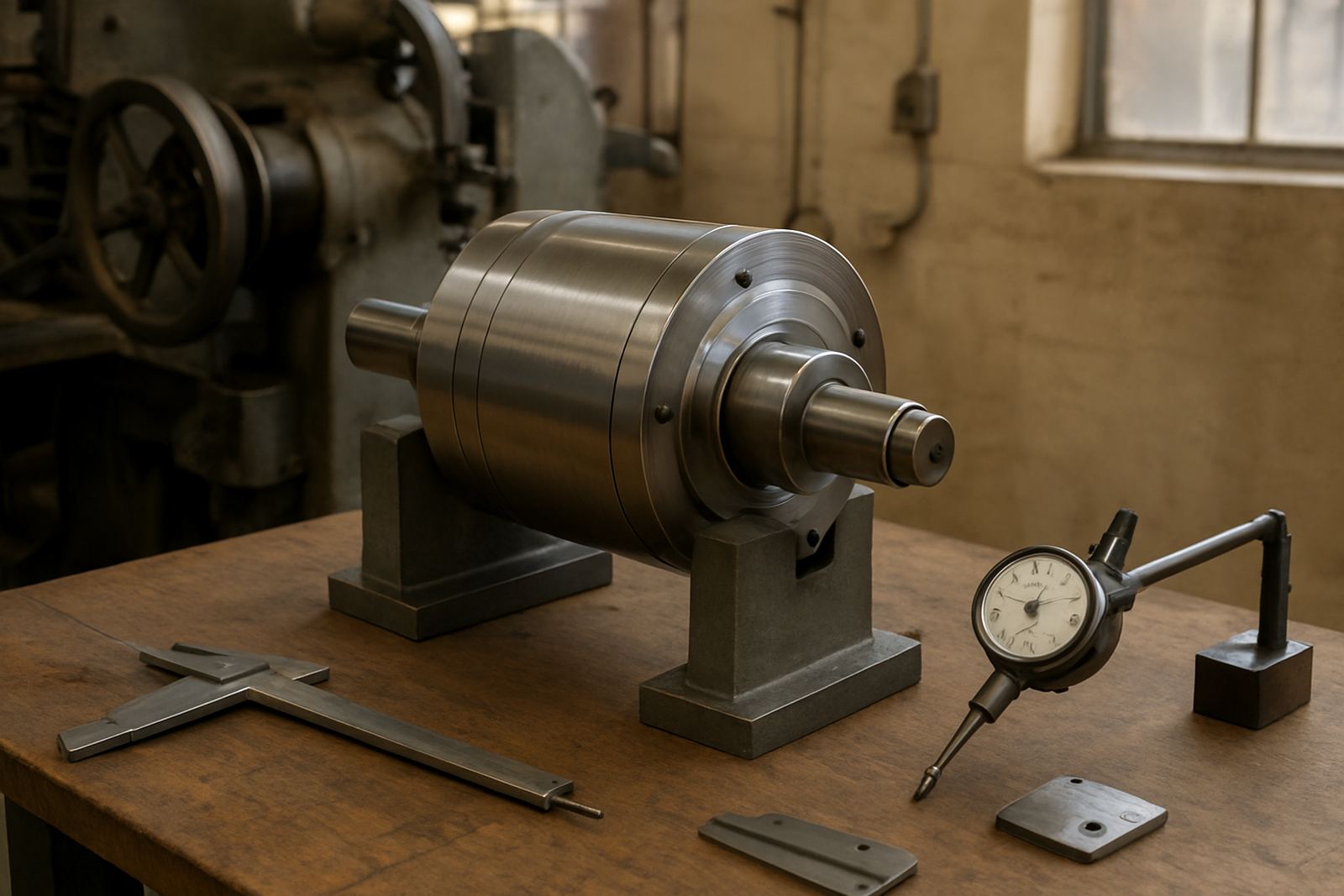
A rotary solid die is a one-piece cylindrical cutting tool used on compatible rotary converting equipment. The cutting profile is machined into the body of the die, so the cut stays stable through long production runs and repeat jobs. For label work, this gives neat, consistent edge quality on paper, film and selected laminated stocks, with less variation from roll to roll.
Because the die is solid rather than flexible, it is suited to higher volume work where repeatability matters. The tool is made to the exact repeat length and format needed for the job, which helps keep waste down and makes make-ready more predictable. On good set-up, it gives a clean cut and dependable stripping, even where the job is running flat out and the press room is under pressure.
- One-piece rotary cutting body
- Made to match the job repeat and web width
- Suitable for labels, tags and selected packaging webs
- Built for steady performance on long production runs
Sizes, formats and cutting options available
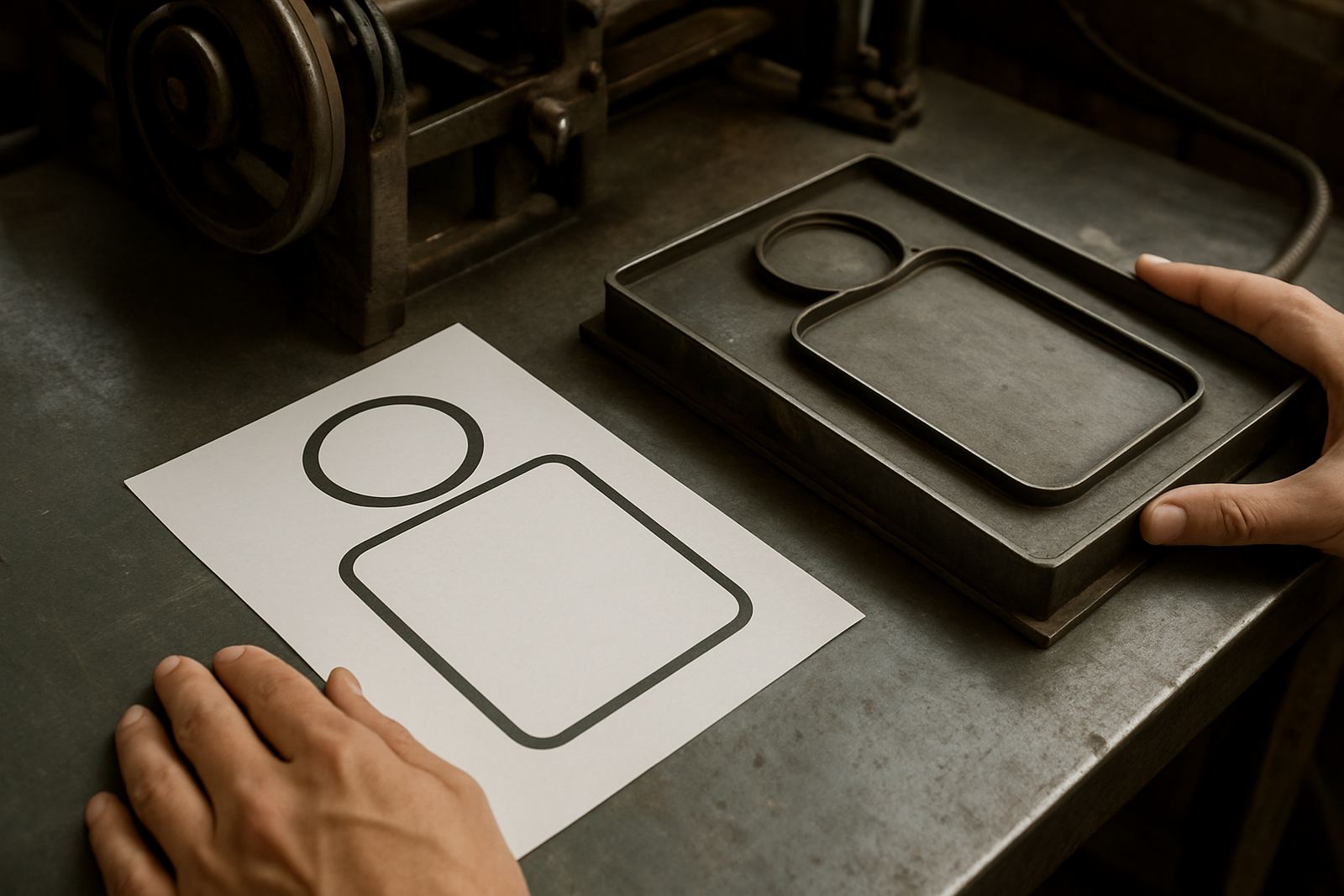
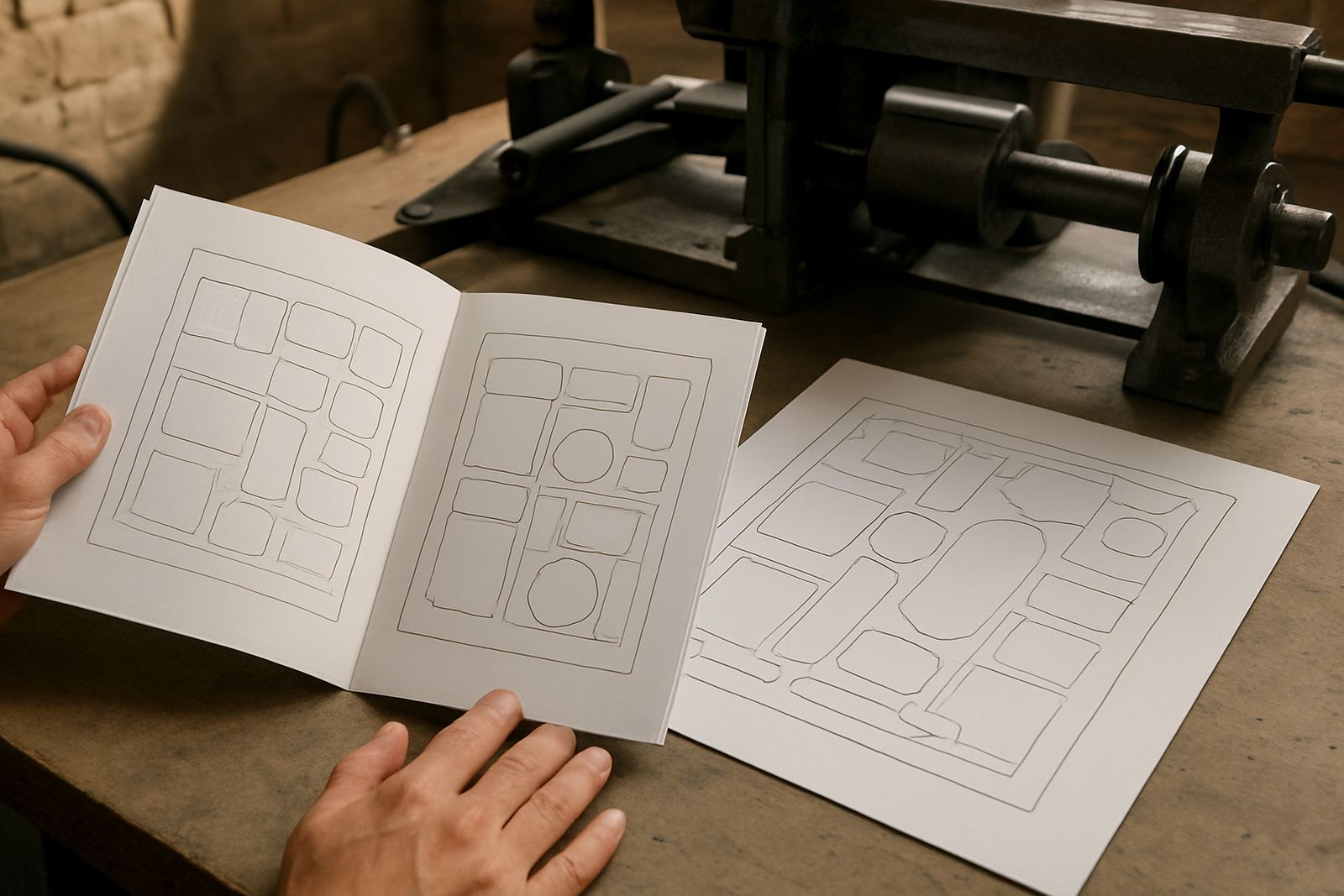
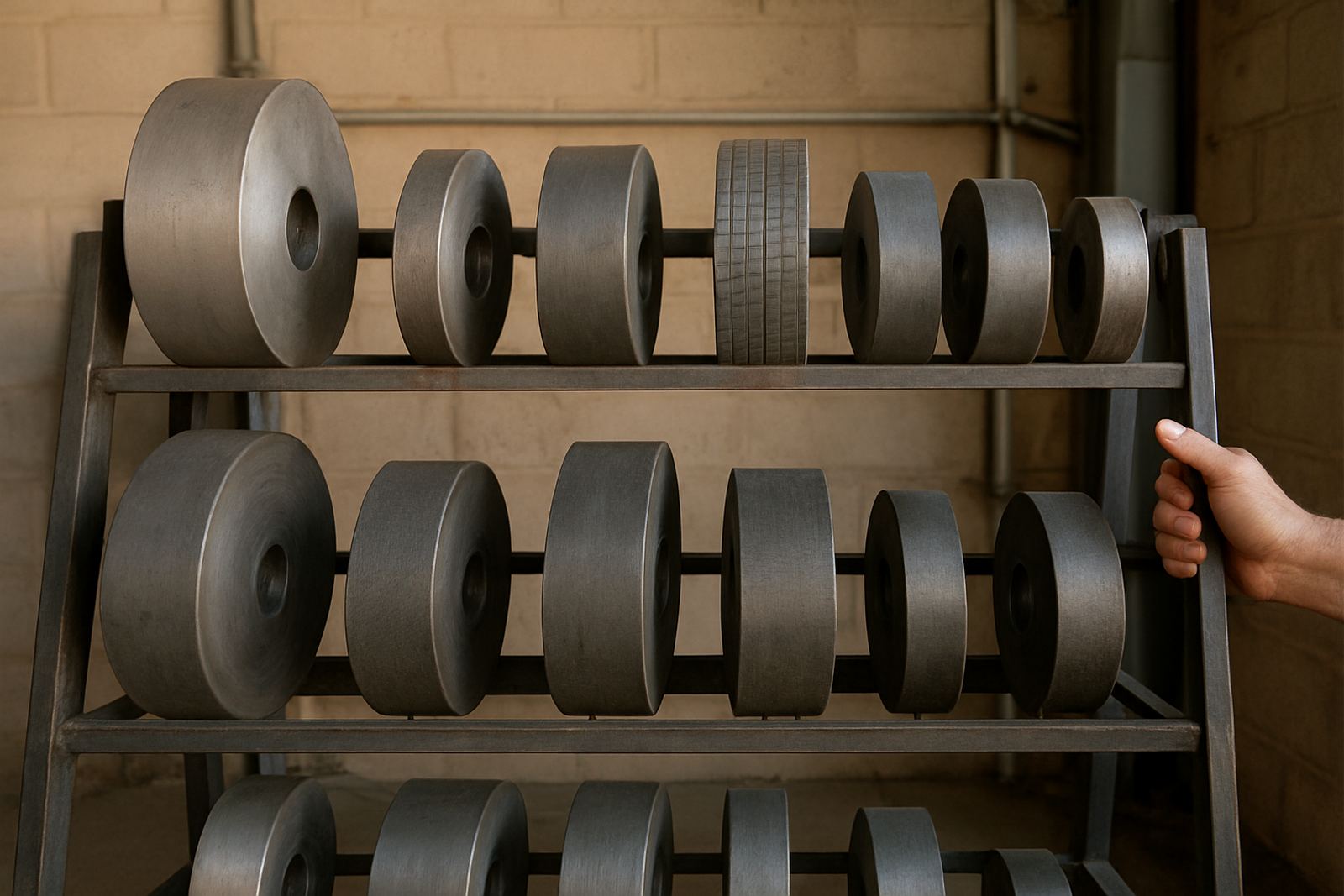
We make rotary solid dies to order from the job spec, so the size depends on the application and the converting line. Common requests cover narrow label webs through to wider formats for multi-up work. The cutting profile can be specified for straight cuts, shaped labels, corner radii, apertures and other repeat features required by the artwork.
In practice, we work from the repeat, substrate, press type and finished label size. If the job has tight register, fine detail or small internal cut-outs, we will check the tolerances carefully before machining. This matters on short run promotional work as much as it does on high volume orders, because even a small variance can affect stripping and counting.
- Custom web width and repeat length
- Label sizes from small pharmaceutical formats to larger industrial labels
- Profile options for straight, shaped and multi-feature cuts
- Made for paper, film and laminated label stocks where suitable
Where rotary solid dies suit best
These dies suit label printers and converters that need accuracy, production stability and good life over repeated use. They are commonly used for self-adhesive labels, product labels, barcoding work, variable data jobs and other converting work where the same shape must hold consistently from start to finish. If the press schedule includes reprints month after month, a solid die helps keep setup time more predictable.
They are also a practical choice for sites in Johannesburg, Germiston, Pretoria, Durban, Cape Town and Gqeberha where production may be pushed by turnaround demands and load-shedding interruptions. When power comes back and the line restarts, you want tooling that has not drifted. A solid die helps support that kind of repeat production, provided the press settings are correct and the material is within spec.
- High volume label converting
- Repeat jobs with strict size control
- Long runs where consistency matters
- Operations needing reduced variation between batches
Press setup, installation and utility needs
A rotary solid die itself does not need electricity or gas to operate, but it must be installed on the correct compatible equipment and set up accurately. The press or converting line must be able to handle the die body size, mounting arrangement and cutting pressure needed for the job. Accurate bearer setting, web tension and registration are important because the best tool will not compensate for poor setup.
Before commissioning, check the mounting fit, the cylinder specification, the direction of rotation and the intended cut depth. If the line uses compressed air or vacuum for stripping, trimming or material handling, that supporting equipment should be in good order too. On some jobs a small setup change can make a big difference, so the first test run should be watched closely.
- No direct power or gas required by the die itself
- Compatible press and mount must be confirmed before ordering
- Correct bearer setting and register are essential
- Support systems such as air and vacuum should be checked on press
Care, servicing and repeat maintenance
Good care extends die life and protects cut quality. Keep the cutting edge clean, dry and free from adhesive build-up, paper dust and coating residue. After use, the die should be inspected for wear, nicks or edge damage, especially if the job used abrasive stock or ran under a heavy load. Storage matters too, because moisture and careless handling can lead to corrosion or surface damage.
For converters that run repeat work, we recommend periodic inspection so the die can be regrind, adjusted or remade before quality starts to drift. We also assist with repeat matching, bearer setting checks and press trial support when a job is being restarted after a break. That sort of maintenance saves time on press and keeps the converting room moving, rather than chasing faults later on.
- Clean after each run to remove adhesive and dust
- Store dry and protected from knocks
- Check edge wear before repeat jobs
- Use servicing early if cut quality starts to change
What to send when ordering a rotary solid die
To quote and make the correct die, we need the finished label size, repeat length, substrate type, artwork or dieline and the press or converting equipment details. If there is an existing die, send the old sample or a clear drawing with key dimensions. That helps us check tolerances, hole positions and the cutting profile before production starts.
It also helps to note the expected run length, whether the job is a repeat or a new format, and any issues you want avoided such as poor stripping, bridging or corner lift. For customers in Germiston, Johannesburg, Pretoria, Durban, Pinetown, Cape Town, Bellville and Gqeberha, we can also coordinate packing and dispatch for urgent remakes and planned repeat orders. If the job is time-sensitive, tell us upfront so we can advise on lead time and stock advice properly.
- Finished size and repeat length
- Substrate type and coating details
- Press model or converting line details
- Artwork, dieline or sample die if available
- Expected volume and turnaround requirement
Key facts
| Product type | One-piece rotary solid die |
|---|---|
| Typical use | Label converting, repeat label production, selected packaging webs |
| Material compatibility | Paper, film and laminated stocks where suitable |
| Order basis | Made to order from job dimensions and repeat |
| Setup requirement | Compatible rotary press or converting line with correct mount and bearer setting |
| Service support | Die design, CAD proofing, repeat matching, regrind and press trial support |