
What booklet label dies do in the converting line
Booklet label dies are made for multi-panel labels that open like a small folded leaflet, with one base label and extra pages or panels attached by a controlled hinge. The die has to cut the outer shape cleanly while leaving the hinge areas intact, otherwise the booklet will tear, lift too early or refuse to close flat. That is why panel alignment, rule depth and hinge spacing matter so much on this product.
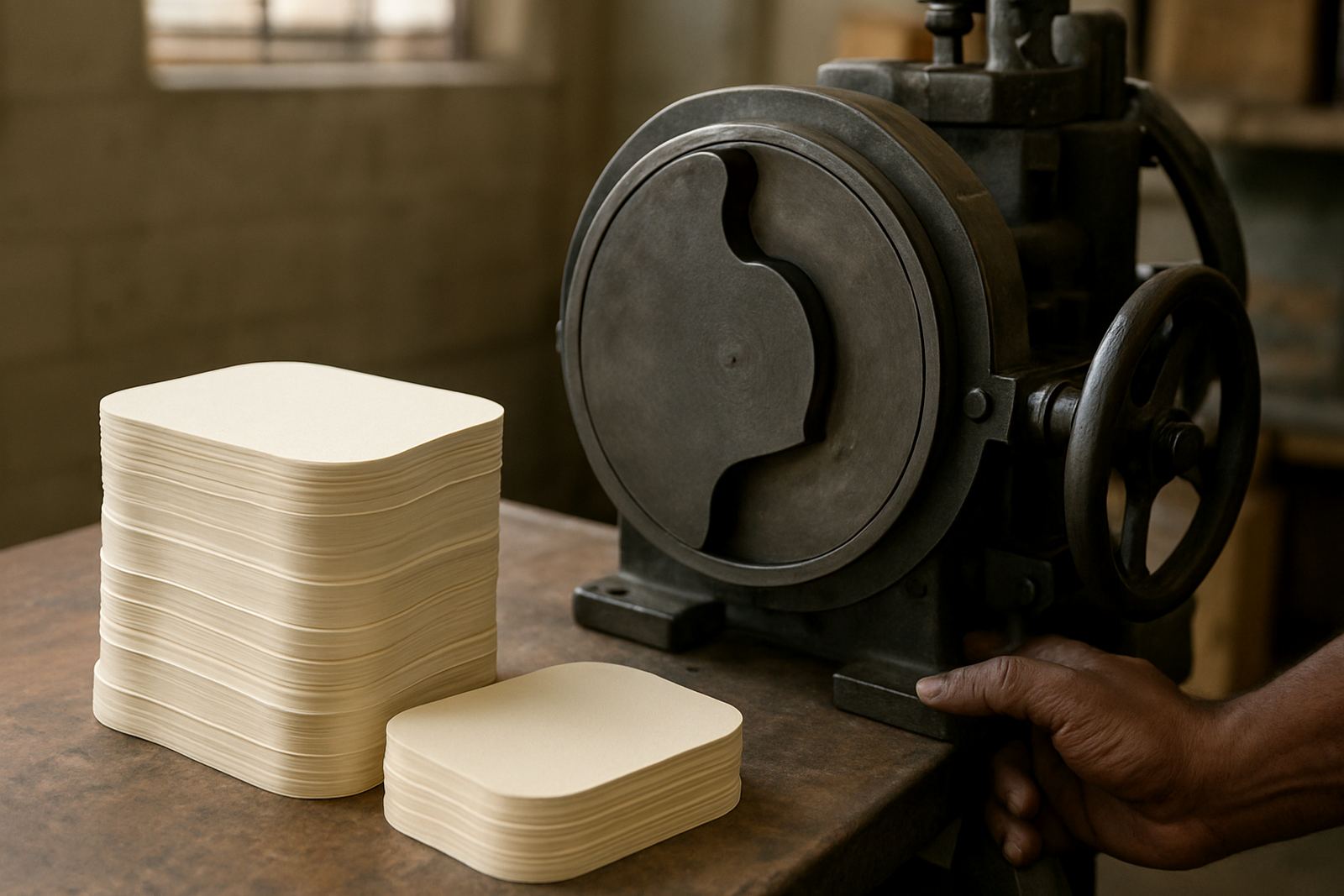
We manufacture rotary solid dies, flexible magnetic dies and magnetic cylinders for booklet label work, depending on the press, material and run length. For short to medium runs, flexible magnetic dies are often the practical choice. For higher volumes and tighter repeat jobs, a solid rotary die or cylinder setup may be better suited. The right option depends on film or paper face stock, liner thickness, adhesive type and how the booklet is being finished after converting.
Our team works to precise tolerances because booklet labels leave very little room for error. A small shift in a fold line or hinge area can change how the label opens on the pack, so we check the artwork, the press format and the intended application before making the tooling.
Sizes, panel layouts and tooling options
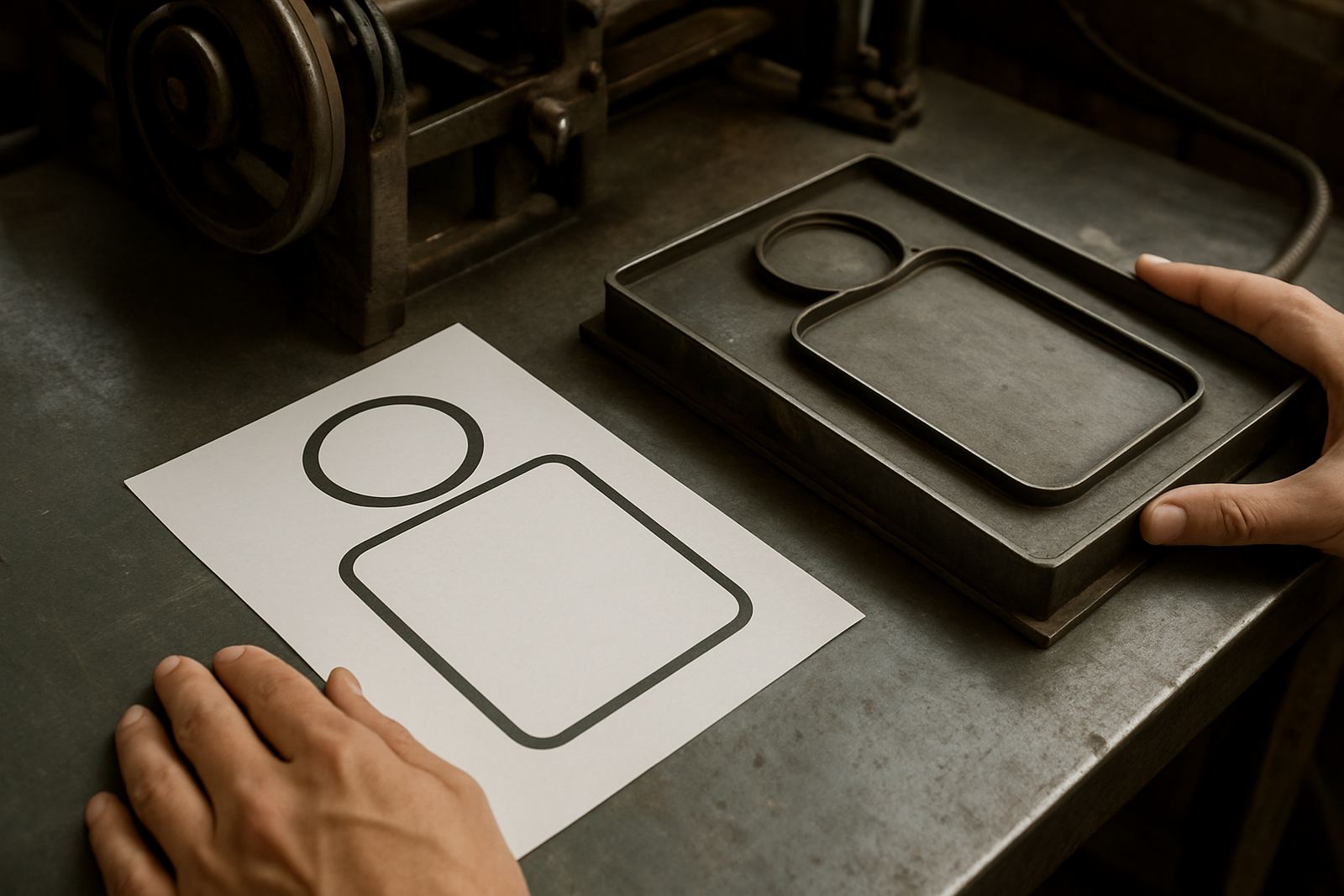
Booklet label dies are made to order, so there is no single standard size. We cut to the label panel dimensions you supply, whether it is a small information leaflet for pharmaceuticals, a repeat instruction panel for household products, or a larger multi-language label for export packs. The die can be made for square, rectangular, rounded or custom shaped booklet formats.
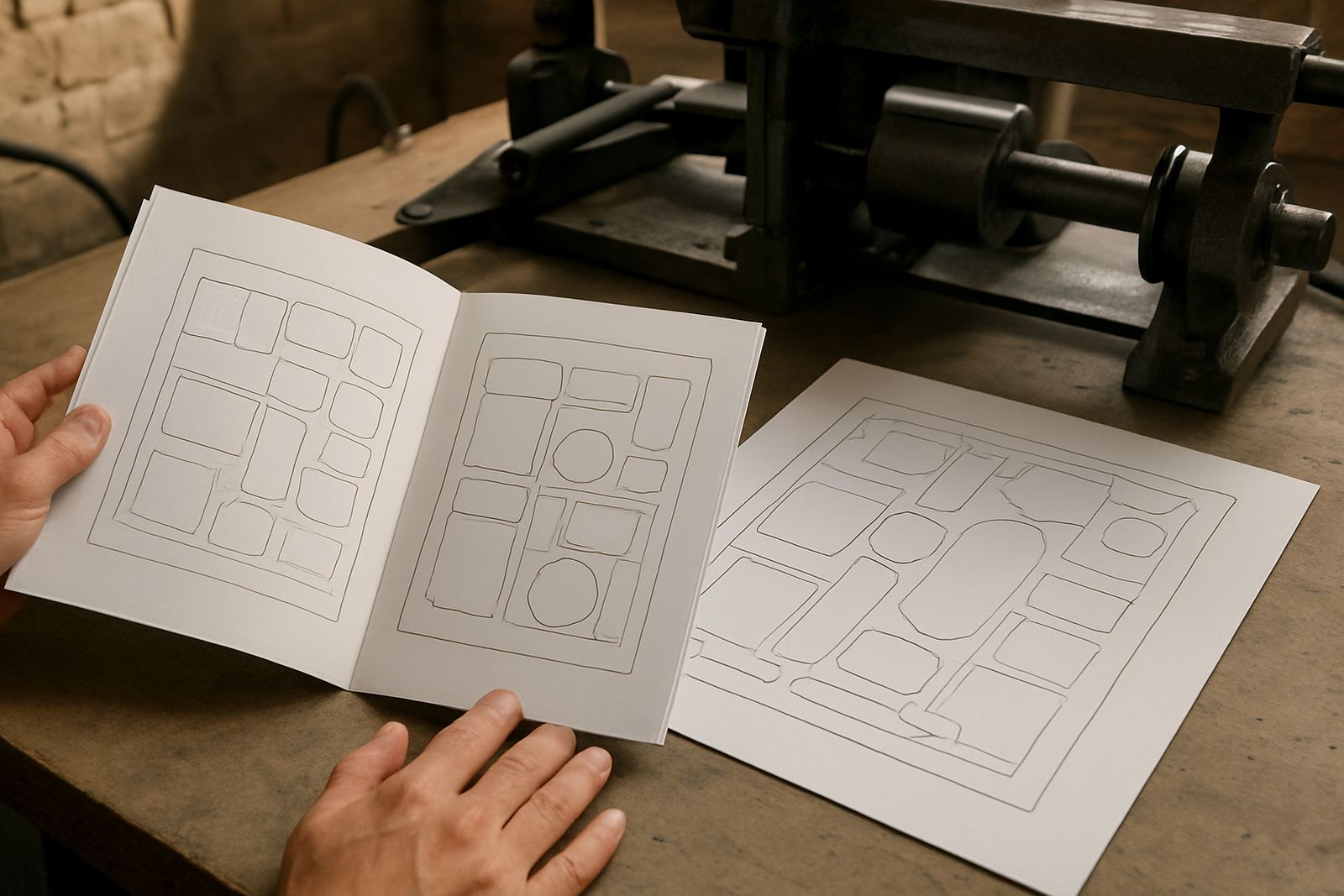
Common options include one hinge, two hinges, lift-and-peel sections, nested panels and extended reader panels. Where the design needs a stronger opening action, we can set the rule and cut pattern to help the booklet open in a controlled way instead of popping open too hard. If you need repeat matching, we can work from an existing sample or previous job reference.
- Die type: rotary solid die, flexible magnetic die or magnetic cylinder
- Material suit: paper labels, film labels and laminated constructions
- Panel count: single fold, double fold or multi-panel booklet layouts
- Shape options: square, rectangle, radius corners or custom outline
- Repeat matching: available for reorders and legacy jobs
For South African converters handling multiple clients, we also help with packing and dispatch so replacement tooling can move quickly to Johannesburg, Pretoria, Durban, Cape Town, Gqeberha and other centres without unnecessary delay.
Where booklet label dies suit best
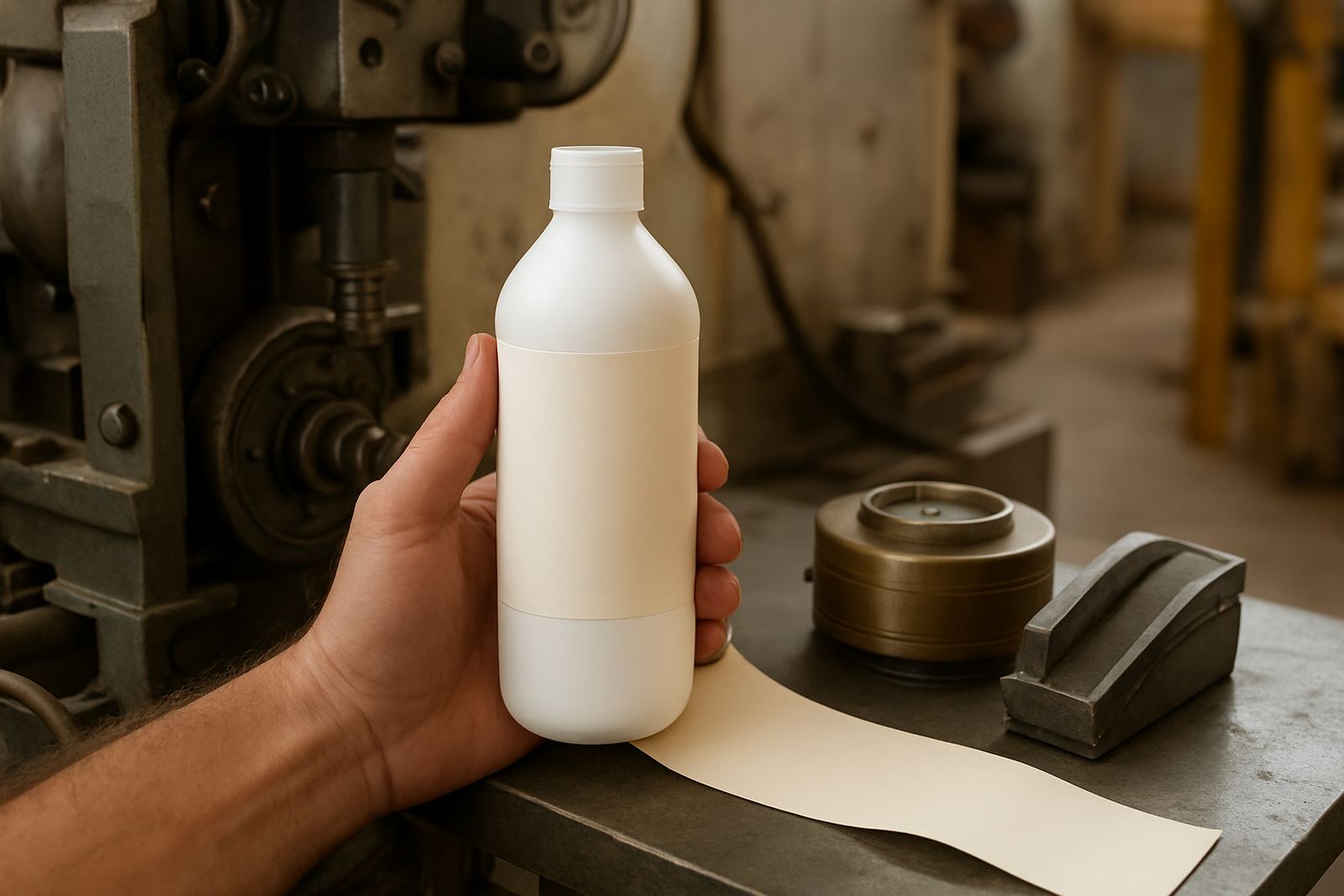
Booklet labels are used where more information must fit onto the pack without increasing the main label size. That includes products with ingredients, usage directions, safety notes, batch details, language panels or compliance text. You will often see them on food packs, chemicals, personal care products, agricultural packaging and export goods.
They suit label printers and converters who need accurate, repeatable folding on pressure sensitive stock. If the booklet is too loose, it catches in handling. If the hinge is too tight, the user cannot open it properly. A well made die helps the label run cleanly through the press and gives the end user a neat open and close action.
- Pharmaceutical and health product labels
- Food and beverage packs needing extra instructions
- Cleaning and chemical packs with warning text
- Agricultural and fertiliser packaging
- Export labels with multi-language copy
Because many South African plants run through load-shedding and tight production schedules, it helps to have tooling that holds register and stays consistent across repeat runs. We make booklet label dies with that day to day reality in mind.
Press setup, installation and power needs
Booklet label dies themselves do not need power or gas, but the press and converting line must be set up correctly for the job. The tooling is installed into the rotary or magnetic system on the press, then adjusted for impression, register and matrix removal. On booklet labels, web tension and cut pressure are especially important because too much pressure can damage the hinge area or the liner.
We supply dies for common label converting setups used by South African printers and converters. If you are changing from a standard cut to a booklet format, we advise checking web width, cylinder compatibility, repeat length and press direction before the job starts. That reduces waste on make-ready and helps the first good label come off sooner.
For installations, the main checks are mechanical rather than electrical. Make sure the press is clean, the magnetic surface is true, the anilox or print units are set correctly and the web path is stable. On coastal sites in Durban or Gqeberha, keeping the tooling dry and protected from humidity is also important to prevent surface issues and premature wear.
Care, servicing and repeat job support
Booklet label tooling lasts longer when it is cleaned after use and stored correctly. Adhesive build-up, paper dust and liner residue can alter cut quality if left on the die. Flexible magnetic dies should be checked for magnet strength and edge condition, while solid rotary dies should be inspected for wear, nicking and bearer condition. Cylinder work may need refurbishment when the repeat job comes back after a long gap.
Our services for booklet label work include die design, CAD proofing, repeat matching, cylinder refurb, die regrind, bearer setting, magnet checks, press trial support, urgent remakes, stock advice, packing and dispatch, and delivery coordination. If a job is running again and the old sample is damaged, we can often match it from the surviving label and the press details.
- Store dies flat, dry and away from dust
- Keep magnets and cylinders covered during transport
- Clean adhesive residue before packing away
- Check for wear before a repeat run starts
- Ask for a press trial if the panel design has changed
Good maintenance reduces stoppages and keeps the hinge action consistent from one batch to the next. That matters when you are supplying trade customers who need steady output and predictable turnaround.
What to check before you order booklet label dies
To make the right booklet label die, we need clear information at the start. The most useful details are the finished artwork, the panel count, the label size, the repeat length and the press model or cylinder size. If you are unsure, send the sample or current label spec and we can work through the missing details with you.
Please also tell us what stock is being used, whether the label is paper or film, if there is lamination, and whether the booklet must open in a certain direction. If the job is for a bottle, tub or carton, include the container size and any space limits around the label area. Small differences in pack shape can affect the hinge and fold position.
- Finished size and panel layout
- Material type and adhesive notes
- Press make, repeat and cylinder details
- Target run length and reorder frequency
- Any existing sample or previous job reference
We work from Wadeville, Germiston and supply booklet label tooling across Johannesburg, Pretoria, Durban, Cape Town, Pinetown, Bellville and Gqeberha. For trade customers, that means practical local support, clear checking and tooling that is made to fit the job rather than forcing the job to fit the tooling.
Key facts
| Product type | Booklet label dies for label converting |
|---|---|
| Die options | Rotary solid dies, flexible magnetic dies, magnetic cylinders |
| Typical formats | Single fold, double fold and multi-panel booklet labels |
| Material suit | Paper, film and laminated pressure sensitive labels |
| Tolerance focus | Panel alignment, hinge consistency and repeatable cut depth |
| Supply area | South Africa wide, including Johannesburg, Durban, Cape Town, Gqeberha and Pretoria |