What print to cut dies do on the press
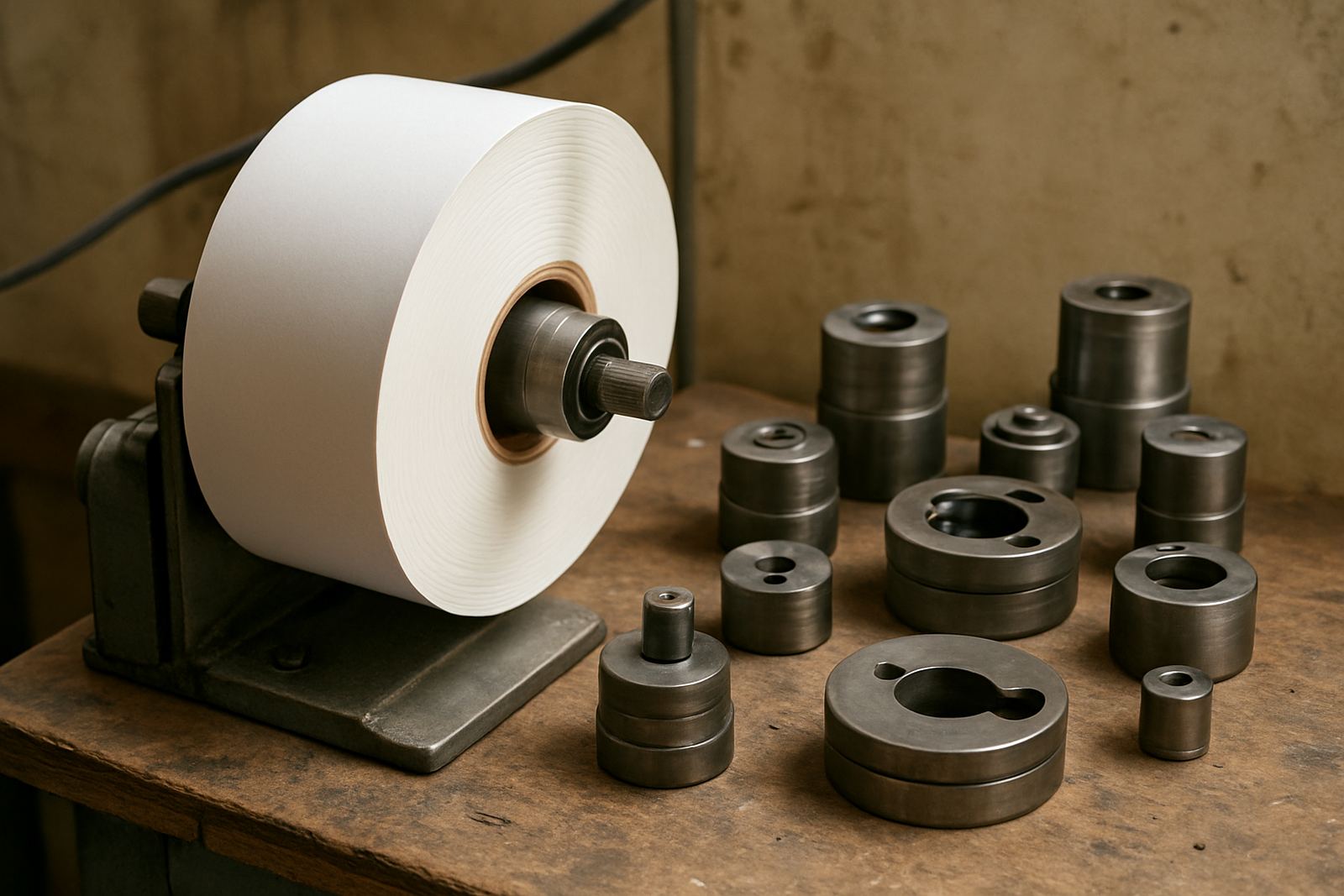
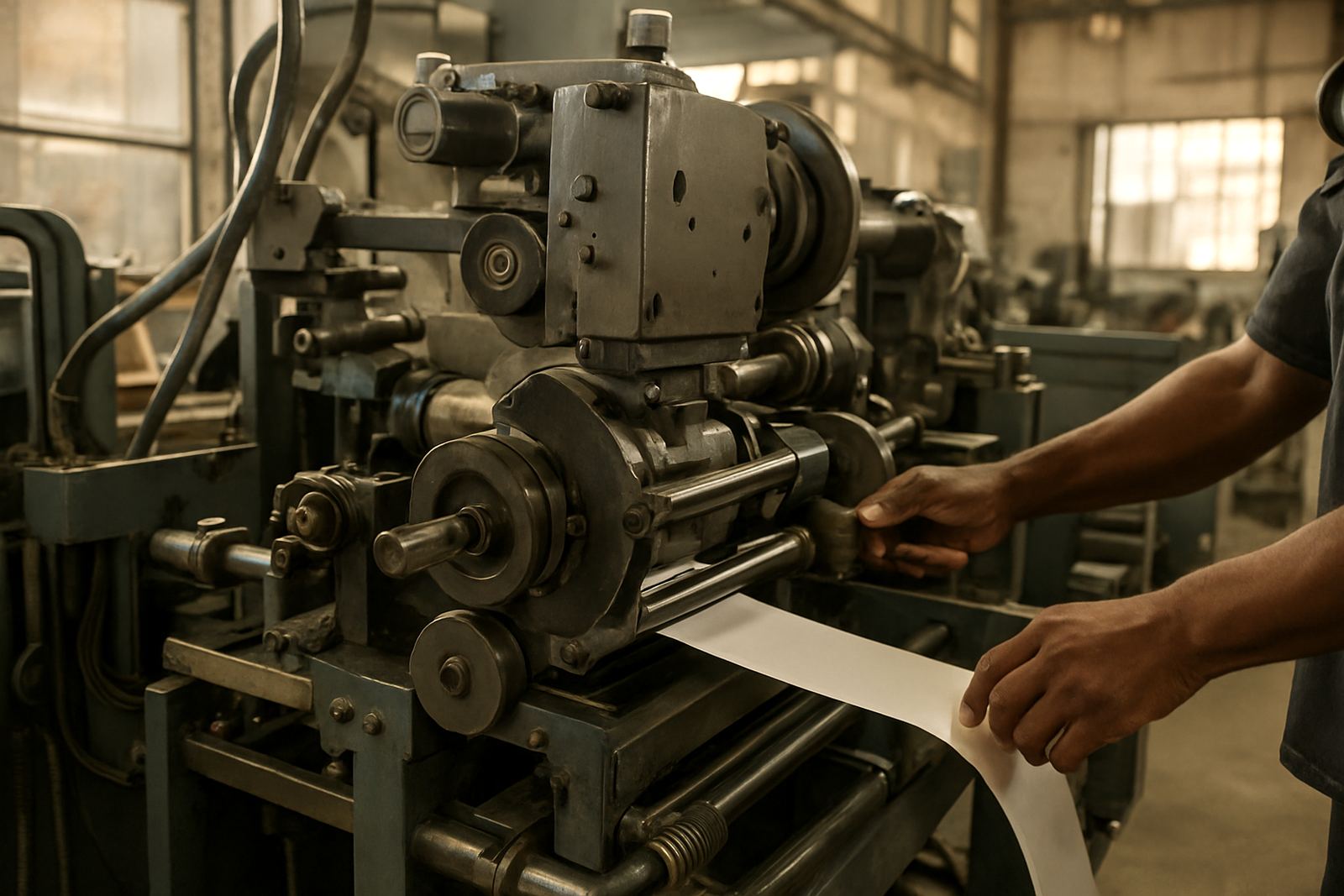
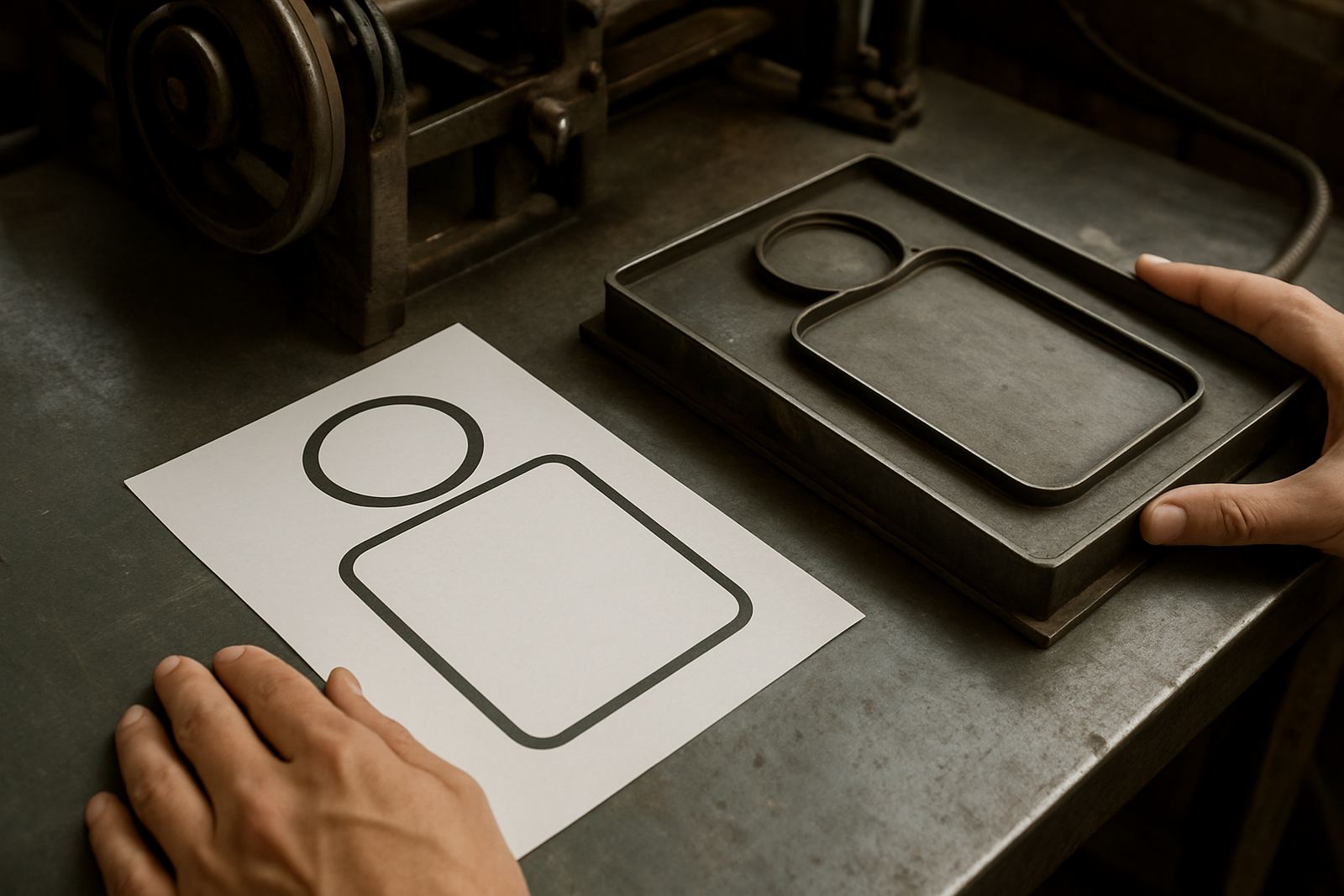
Print to cut dies are used where the printed image and the finished label shape must line up closely. That matters on jobs with windows, tabs, shaped corners, peel off panels or any label where the cut line is part of the design. When the die is made correctly, the artwork lands where it should and the finished stack comes off the press with less trimming and less waste.
For label printers in Johannesburg, Durban, Cape Town, Gqeberha and Pretoria, this is often the difference between a quick repeat and a frustrating setup. The die has to match the artwork, the press width and the repeat length. If one of those is off, the job starts drifting and the printer ends up chasing registration instead of running sheets or webs cleanly.
We make dies to order for narrow web and label converting work, with careful attention to cut depth, kiss cut control and the details that affect finishing. That includes bearer setting, magnet condition and the way the die fits the cylinder or magnetic base. It sounds small, but on production it is what keeps labels cutting evenly from edge to edge.
Common sizes, build options and tolerances
Print to cut dies are not one size fits all. The right choice depends on the label shape, substrate, repeat and the type of press being used. Some jobs need a light, fine cut for film labels. Others need a cleaner, firmer cut for board or heavier self adhesive stock. We supply dies to suit short runs, repeat work and production schedules that cannot afford trial and error.
Typical options include solid rotary dies, flexible magnetic dies and magnetic cylinders, with repeat lengths matched to the job. Tolerances are set to suit the required registration and the finished label size. For many label lines, the key issue is not just the shape but how reliably that shape repeats from run to run. That is where proper measuring and CAD proofing helps.
- Rotary solid dies for high volume and long running jobs
- Flexible magnetic dies for faster changeovers and repeat label work
- Magnetic cylinders for compatible press setups and stable mounting
- Custom profiles for rounded corners, windows, hang tabs and specialty cuts
- Repeat matching for existing jobs where the artwork must stay consistent
We also advise on bearer setting and magnet checks where a press has been giving uneven cut pressure or edge variation. Sometimes the die is fine and the issue sits in the setup. That is why the right specification matters before the order goes into the machine shop.
Where print to cut dies suit South African label work
These dies are used across the label sector wherever the printed finish has to match the cut line exactly. That includes food labels, health and beauty labels, chemical containers, industrial packaging, wine and beverage labels, promotional stickers and technical labels for equipment. In Gauteng, many converters are running mixed jobs where a single production day can include several repeat sizes and artwork revisions. print to cut dies help keep that flow moving.
They suit both new label work and repeat orders. If a customer brings back an existing job, we can review the previous tool, check wear and advise on repeat matching, die regrind or cylinder refurb if needed. For firms in coastal areas like Durban and Cape Town, we also consider storage and handling because humidity can affect materials, magnets and packaging if they are not kept correctly.
- Short run and repeat label production
- Labels with shaped edges or cut out features
- Presses that need tighter alignment between print and finish
- Converters managing multiple artwork versions on the same line
- Plants looking to reduce waste from misaligned cutting
Installation, press setup and utility needs
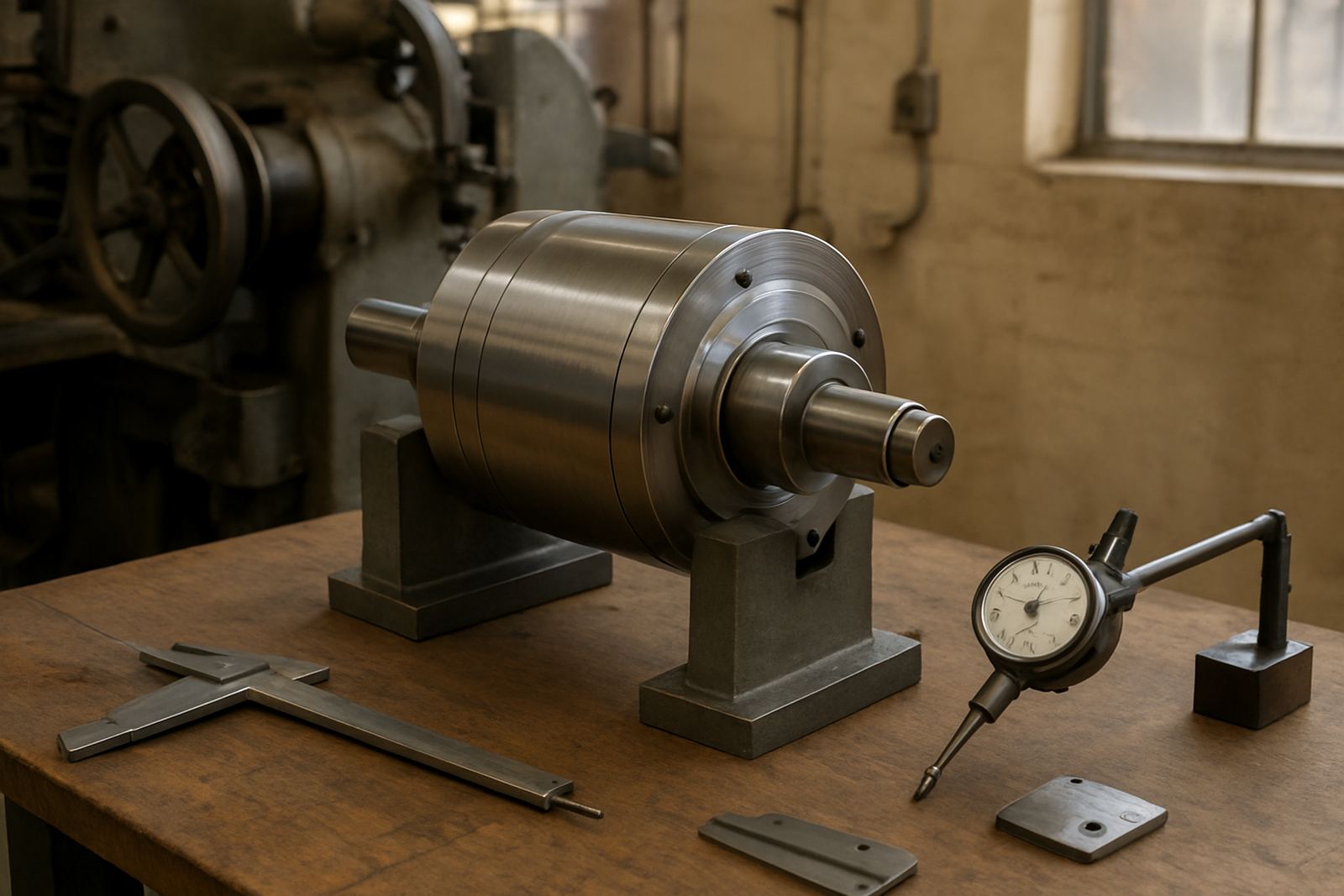
These dies do not need gas or special site services. What they do need is a press that is set up properly, a clean mounting surface and enough operator attention during make ready. The exact installation process depends on whether the job is using a rotary solid die, a flexible magnetic die or a magnetic cylinder. In all cases, the tool must sit true, with the repeat and bearer settings checked before full production starts.
For installation, the press should be isolated safely according to the manufacturer procedure, then the die fitted and checked for runout, alignment and proper pressure. If a converter is running in a workshop affected by load shedding, it helps to keep tools and consumables organised so setup can resume without losing position or mixing parts. A tidy changeover area saves time when power returns and operators need to get back onto the floor quickly.
We support press trial setup where needed and can advise on the details to check before the first run. If a die is being fitted into existing equipment, the important points are repeat length, cylinder compatibility, bearer condition and whether the artwork scale matches the printed sample. Those checks prevent the usual problems, like one side overcutting while the other side is still hanging on.
Care, servicing and repeat matching
A good print to cut die should last through many production cycles if it is handled well. After use, it should be cleaned, dried and stored flat or in the correct mounting arrangement. Dust, adhesive build up and moisture all shorten tool life. On coastal jobs or in humid storage areas, corrosion protection matters too. If the die is left in poor condition, the next run can show edge wear, uneven cut pressure or dirty finish.
We offer die regrind, cylinder refurb and magnet checks for tools that are still worth keeping in service. That is often more practical than replacing everything from scratch. If a job repeats regularly, repeat matching helps preserve the cut profile and reduce setup time on the next run. Thandiwe Nkosi and the production team look at the condition of the tool and advise whether it should be serviced, remade or adjusted for the next order.
Routine care is straightforward but should be done properly. Keep cutting edges protected, avoid dragging the die across metal surfaces and never store magnets near loose swarf or abrasive dust. If the same label is run on different presses, note any setup changes so the next installation does not start from guesswork. Small records save a lot of time later, and they help with urgent remakes when a job must ship quickly.
What to check before placing an order
Before ordering a print to cut die, send the details that affect fit and finish. Accurate information gives a cleaner CAD proof and a smoother production run. Ruhan de Beer in technical sales often works through these points with customers, especially when a job is being repeated from an older sample or a different press.
- Finished label size, shape and corner style
- Artwork file or printed sample for CAD proofing
- Press type, mounting method and repeat length
- Substrate type, thickness and adhesive behaviour
- Required quantity, production speed and turnaround
- Any prior tool reference, wear notes or setup issues
If you have an existing die, tell us whether it needs repeat matching, a regrind or a full remake. If the label is moving between printers in Johannesburg and Cape Town, or from Durban to Pretoria, note any differences in equipment because small machine changes can affect the final cut. It also helps to mention whether the label is for indoor, refrigerated or outdoor use, since handling and material choice can change. A clean brief makes packing, dispatch and delivery coordination easier, and it reduces the chance of a job coming back for correction.
Key facts
| Product type | Custom print to cut rotary dies and magnetic cutting tools |
|---|---|
| Typical use | Registered cutting of printed labels and converted packaging |
| Material options | Solid rotary, flexible magnetic and magnetic cylinder setups |
| Repeat tolerance | Specified to job and press requirements, with CAD proofing |
| Service areas | Germiston, Johannesburg, Pretoria, Durban, Pinetown, Cape Town, Bellville and Gqeberha |
| Utility needs | No gas required, normal press setup and safe installation only |