Built for short label runs that still need clean cut quality
Short run dies are the practical choice when you need to move from order to press without losing time on setup. They suit label work where quantities are smaller, artwork changes often, or the customer wants a quick repeat with the same cut geometry. For printers in Germiston, Johannesburg, Pretoria, Durban, Pinetown, Cape Town, Bellville and Gqeberha, the main goal is simple: get a die that registers properly, cuts cleanly and does not waste press time on chasing adjustments.
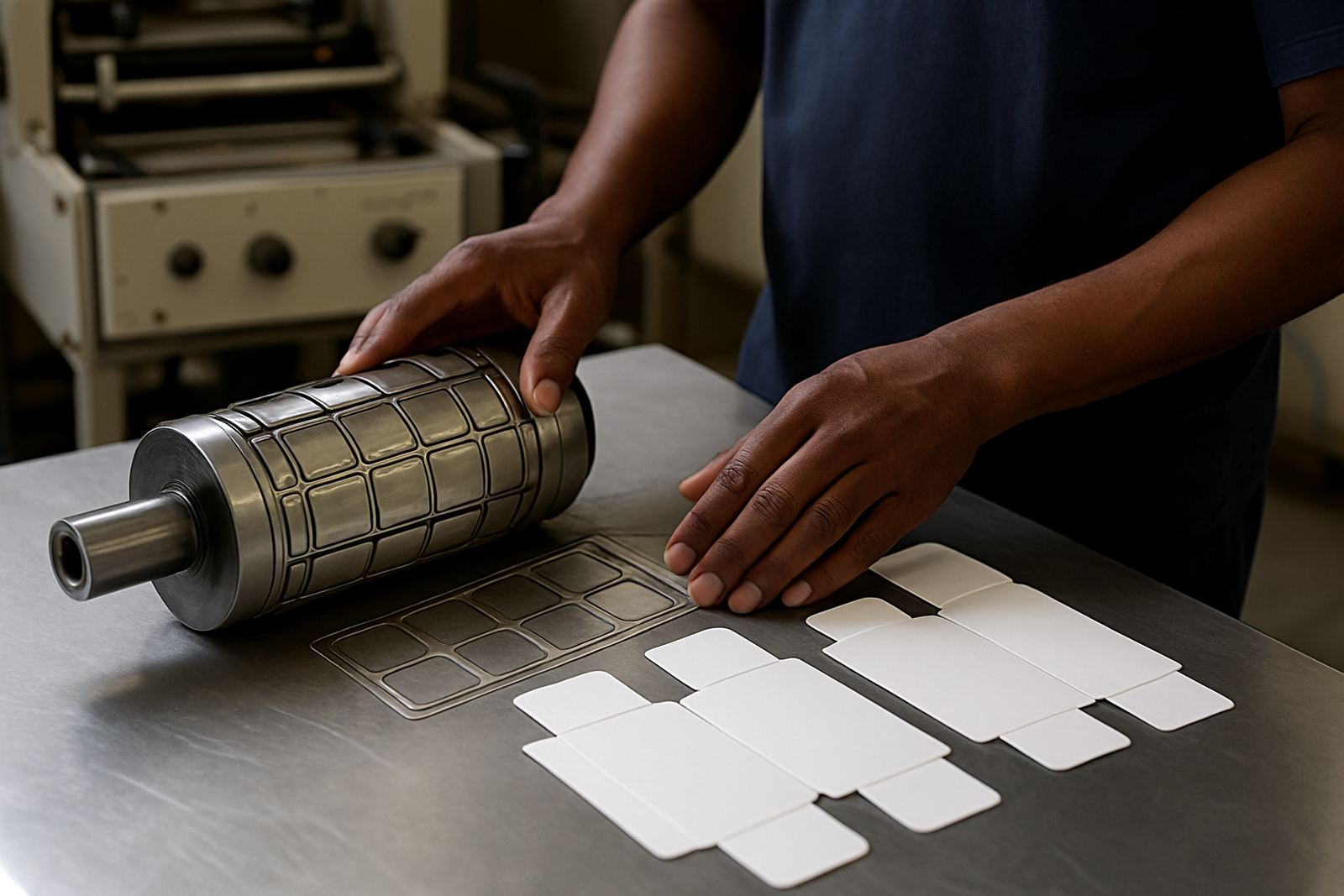
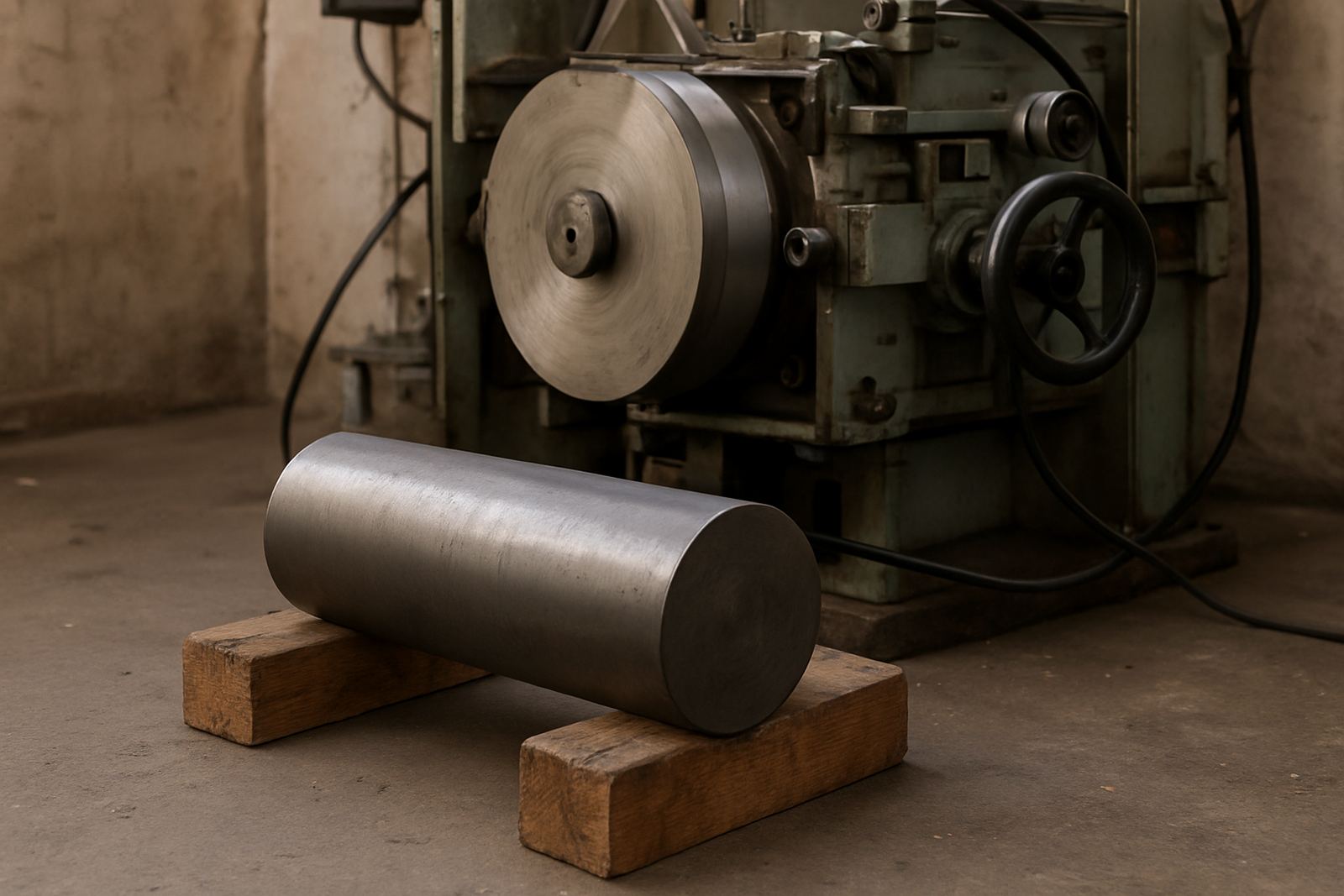
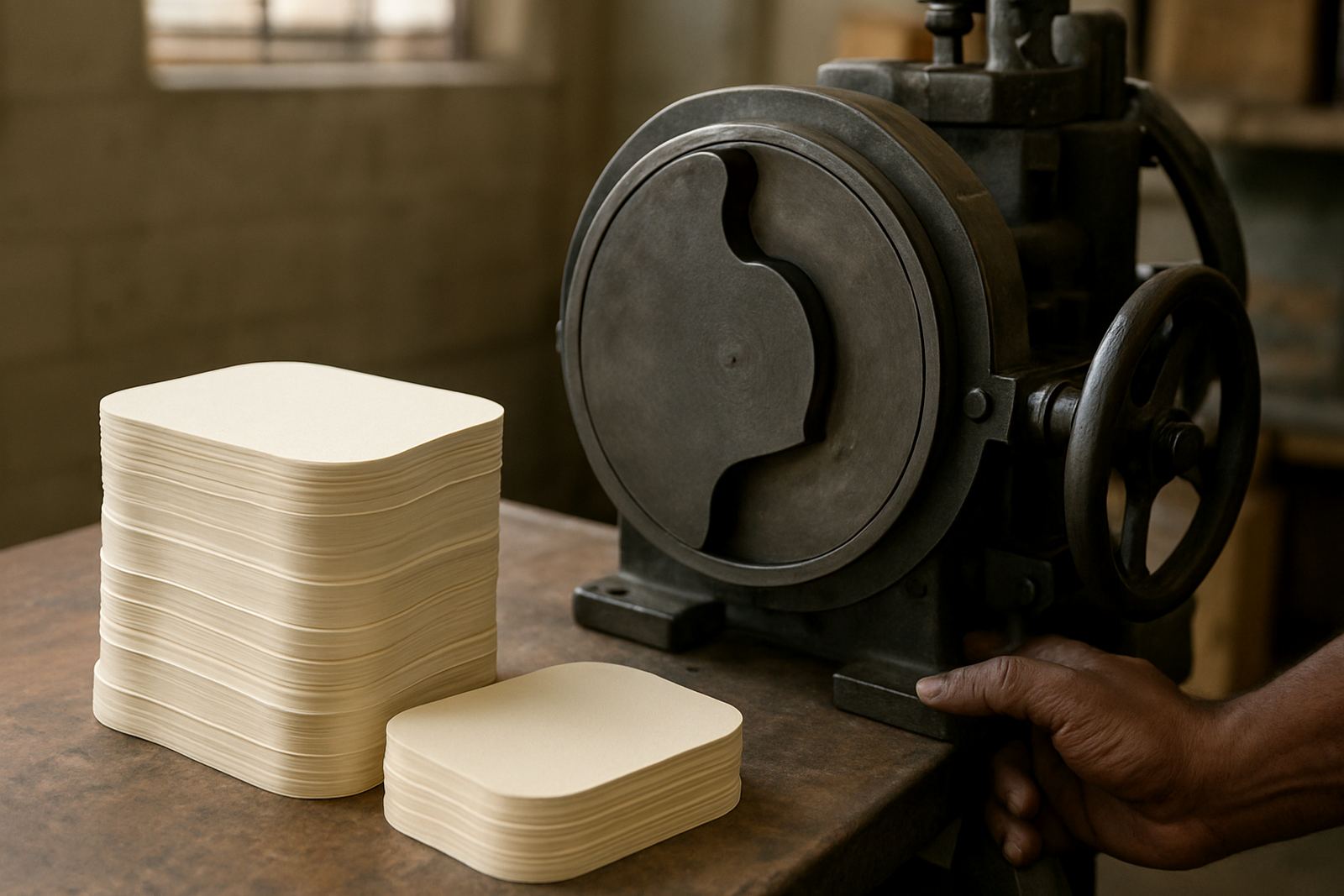
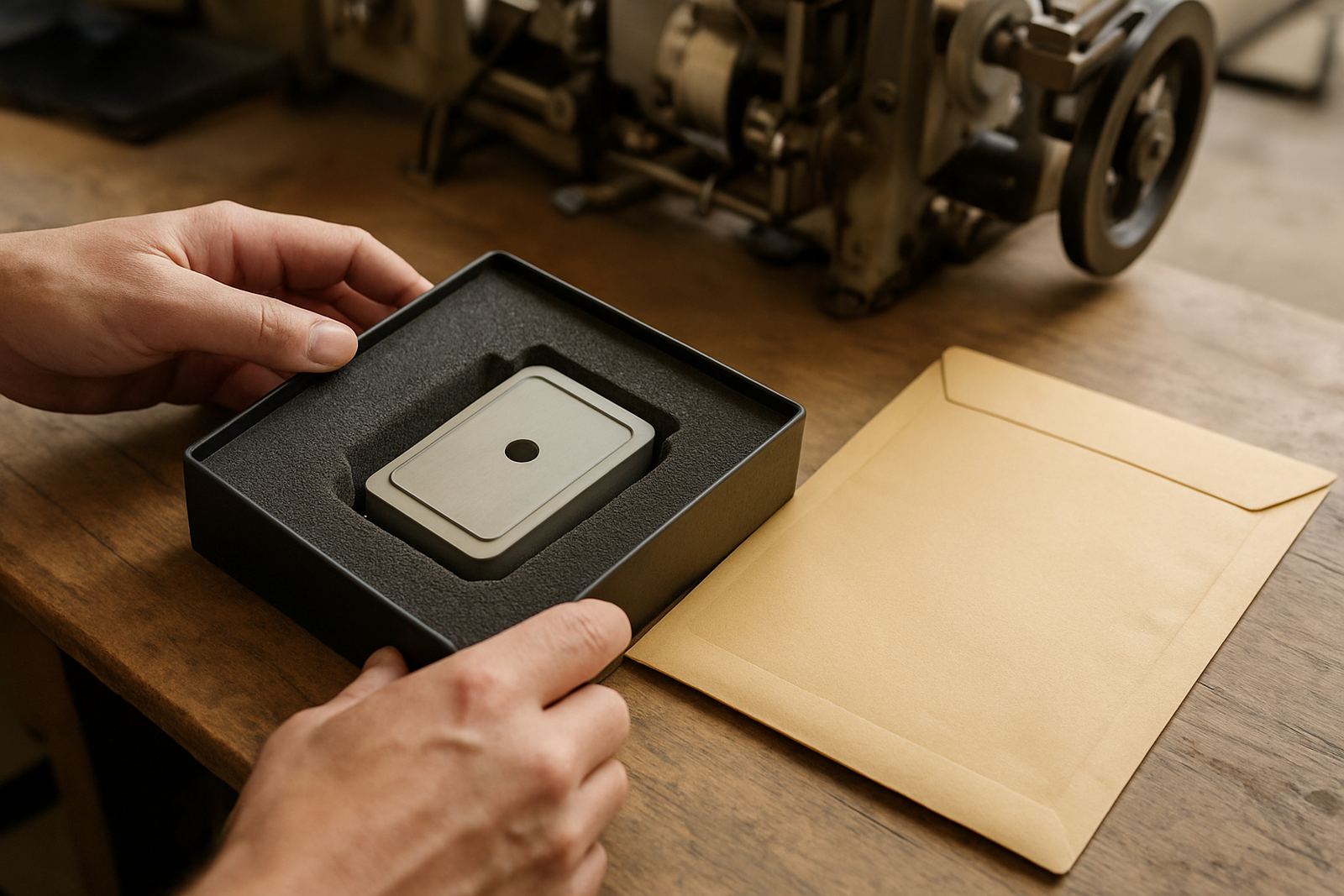
We make tooling to order for label converting, with sizes and tolerances suited to your press, material and finishing method. That includes rotary solid dies for longer life and heavier duty use, flexible magnetic dies for faster changeovers, and magnetic cylinders where the press setup calls for a more fixed arrangement. If your work includes frequent artwork updates or short production windows, the right tooling can save a lot of stop-start time.
In practice, a short run die should be accurate enough to avoid edge tearing, clean enough to reduce matrix problems and ready quickly enough to keep the job profitable. That is the balance we work to, especially on jobs where every hour on press matters.
Available formats, sizes and cut specifications
Short run tooling is not one standard size. It depends on web width, repeat length, blade depth, core size and the press station you are running. We make dies to suit common label press arrangements, with matching to your repeat length and substrate thickness. If the job is for paper, polypropylene, vinyl or another label stock, we can set the tooling to the material and the finish required.
- Rotary solid dies for repeat work and consistent life across multiple runs
- Flexible magnetic dies for quicker mounting and simpler changeovers
- Magnetic cylinders for compatible press setups that need stable registration
- Typical working widths from narrow label webs through to wider industrial label formats
- Cut detail set for kiss cut, through cut, perforation or special shape profiles
- Tolerances controlled for repeatable edge quality and accurate label release
Where needed, we can also match repeat tooling from an existing sample. That is useful if a customer brings back the same label format months later and the cutter still needs to drop straight in without rework. Small differences in repeat or bearer setting can cause problems, so we check those points before manufacture.
Where short run dies work best on local presses
These dies suit label printers and converters handling short production windows, promotional labels, product trials, seasonal items and customer orders that change often. They are also useful where stock must move fast because the customer wants quick delivery into shops or distribution points in Gauteng, KZN, the Western Cape or the Eastern Cape. On that kind of work, you do not want a tooling choice that slows the press down.
They are a good fit for in-house finishing rooms and commercial converting lines that need a reliable cutter but do not want to keep retooling for every small order. If your site works around load-shedding, you also want tooling that is straightforward to mount when power returns and the shift needs to recover quickly. Less adjustment time means less lost production.
- Short promotional label batches
- Seasonal packaging runs
- Product launch labels and artwork trials
- Variable customer orders with repeated changeovers
- Work where fast turnaround matters more than very long tool life
For coastal sites, moisture and humidity can affect storage and handling, so die condition matters. Clean, dry storage and proper packing help prevent corrosion and surface damage before the tooling even reaches the press.
Installation needs, press setup and power considerations
Most short run dies do not need special site power or gas. What they do need is correct press setup, a clean station and a stable working environment. If the press uses air assistance, vacuum support or other auxiliary systems, check that those systems are available and functioning before the job starts. The tooling itself is mechanical, but the press conditions around it affect the result.
Installation is usually straightforward when the press is well maintained. The cutter must sit true, the bearer settings must be right and the cylinder or magnetic base must be clean before mounting. A rushed fit can cause poor cut depth, stripping, edge burrs or premature wear. We advise checking the mounting surfaces and the repeat dimensions before the first run, then running a short trial before full production.
- Confirm repeat length and web width before fitting
- Check press station alignment and mounting surface condition
- Make sure the substrate thickness matches the cut specification
- Test a short length before running the full order
- Keep spare packing, if your process normally uses it
If the job is urgent and the press window is tight, a proper pre-check saves time. A good start-up is often the difference between one clean pass and a day of re-setting.
Care, regrind and repeat matching over the tool life
Short run dies still need proper care. After each job, remove label residue, check for damage and store the tooling dry and protected from knocks. On sites near the coast, or where the workshop is open to humid air, this matters even more. A light surface mark can turn into a bigger problem if the die is left dirty or damp.
We provide servicing support that can include die regrind, cylinder refurb, bearer setting and magnet checks, depending on what the tool needs. If a die starts to pull less cleanly or the cut edge changes, it is worth checking the condition before ordering a replacement. In many cases the issue is wear, not a full failure. Repeat matching is also important when a customer wants the same label run again and the old sample must be brought back into spec.
Routine checks should be simple: inspect the cutting edge, confirm the magnet grip, look for scoring on the cylinder and verify that the tooling still lines up with the artwork. Small maintenance jobs can extend useful life and keep the press moving, even on weeks when power interruptions make the schedule tighter than planned.
What to check when ordering a short run die
To make the right tooling first time, send the clearest production details you have. The more accurate the order information, the less chance of delays when the die reaches the press. If you are unsure on one point, send the sample, the artwork or the previous tool information and we can work from that.
- Artwork or label sample with the exact cut line marked
- Repeat length, web width and label size in millimetres
- Material type, thickness and whether the job is kiss cut or through cut
- Press make-up details, including magnetic or cylinder setup
- Quantity needed and expected repeat order pattern
- Any past issues such as burrs, poor release or premature wear
It also helps to note whether the job is going to Johannesburg, Pretoria, Durban, Pinetown, Cape Town, Bellville or Gqeberha, because packing and dispatch timing can be planned around the delivery point. For urgent remakes, tell us what failed on the last run so we can correct the weak spot rather than duplicating it.
Key facts
| Product types | Rotary solid dies, flexible magnetic dies, magnetic cylinders |
|---|---|
| Typical use | Short label runs, repeat orders, artwork changes and fast changeovers |
| Material compatibility | Paper, polypropylene, vinyl and other common label stocks |
| Cut options | Kiss cut, through cut, perforation and shaped profiles |
| Supply area | Wadeville, Germiston with deliveries nationwide |
| Support services | Die design, CAD proofing, repeat matching, regrind, bearer setting, press trial support |