What through-cut dies do on press
A through-cut die is used when the material must be fully separated, not just kiss-cut or slit. That makes it suitable for finished tags, small cards, inserts, sheet labels, punched parts and other applications where the item needs to come off the press as a complete piece. In label converting, the main goal is a clean cut edge, stable release and repeatable depth across the full width of the web.
We make through-cut tooling in both rotary solid and flexible magnetic formats, depending on the press setup, material build-up and output speed. For converters in Germiston, Johannesburg or Pretoria running mixed jobs, the same press may handle paper, synthetic stock and laminated face materials on different shifts, so the die has to match the job exactly. A good through-cut die reduces fibre pull, edge fuzz and premature wear on stripping points, which helps when you are running longer jobs or reorders with the same spec.
These dies are made to order with practical tolerances for South African production conditions, including humidity changes in Durban and coastal areas that can affect board and film behaviour. If your job needs full cut-through, we look at the face material, liner, adhesive and press type before the tooling is made.
Sizes, profiles and tooling options available
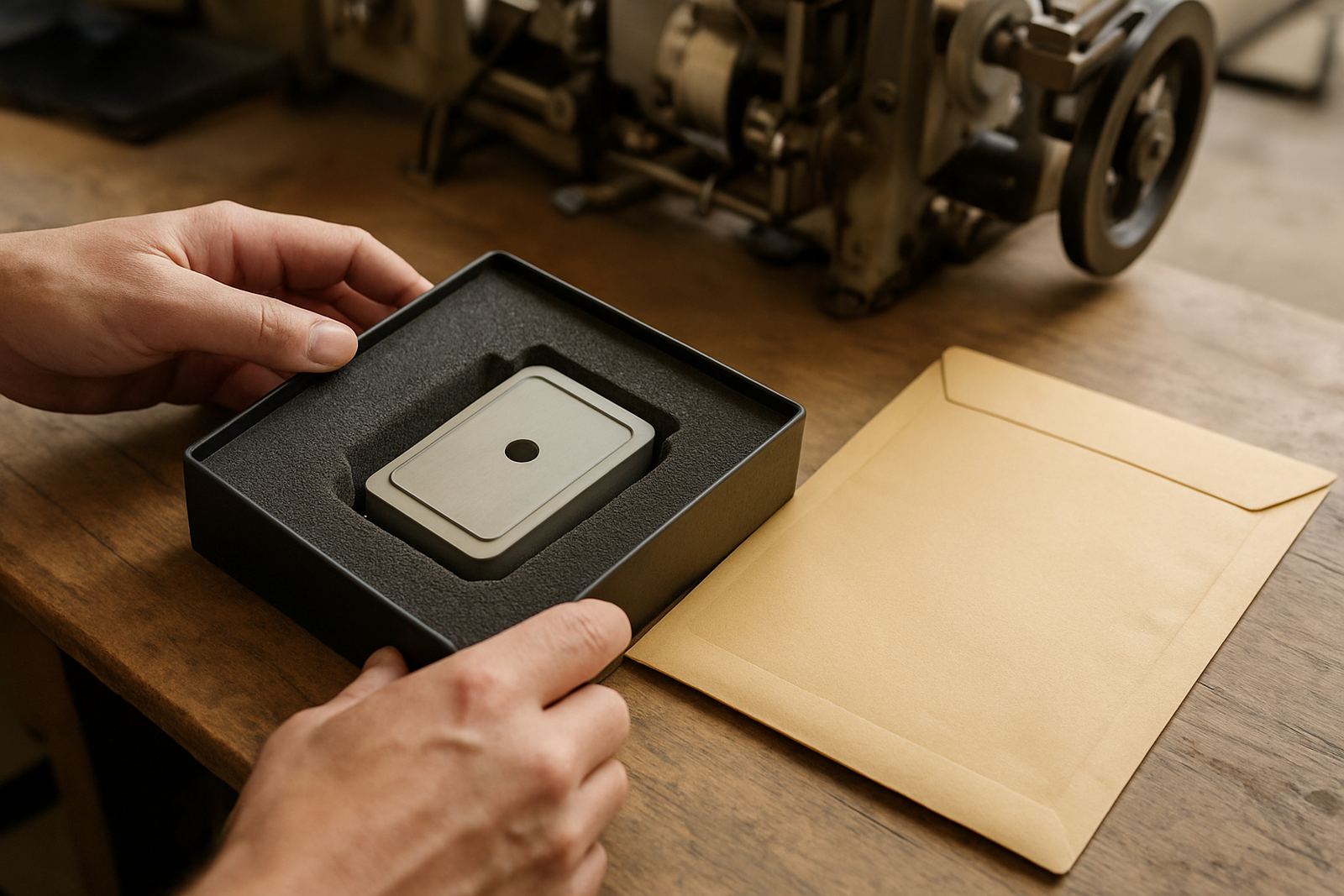
Through-cut dies are made to suit the exact shape and size of your finished product. That can mean simple rectangles for tag blanks, round or oval forms, cut-out windows, corner radii, thumb notches or more detailed profiles with internal cuts. We can work from a repeat sample, a CAD drawing or a dimensional brief if you already have production data on file.
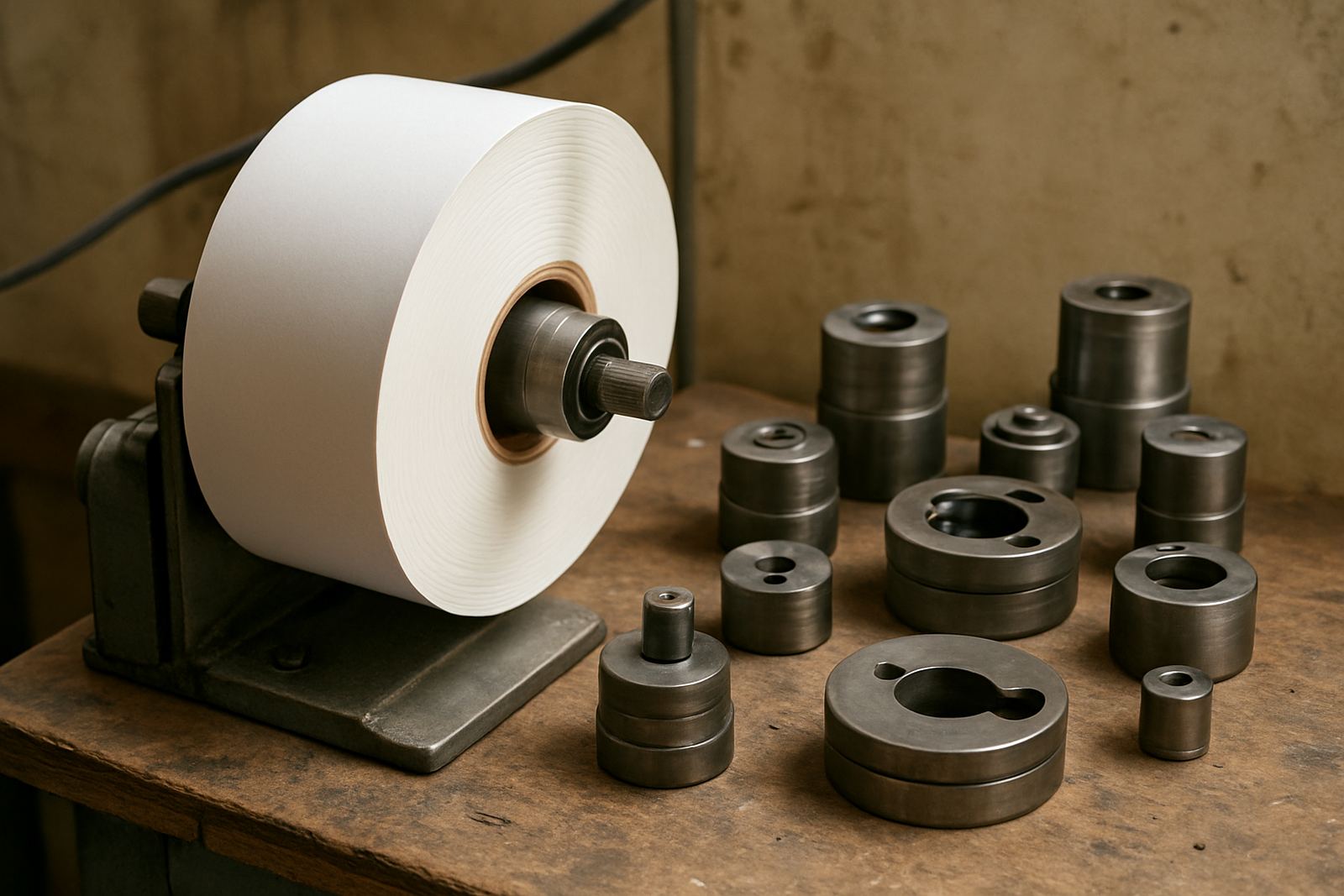
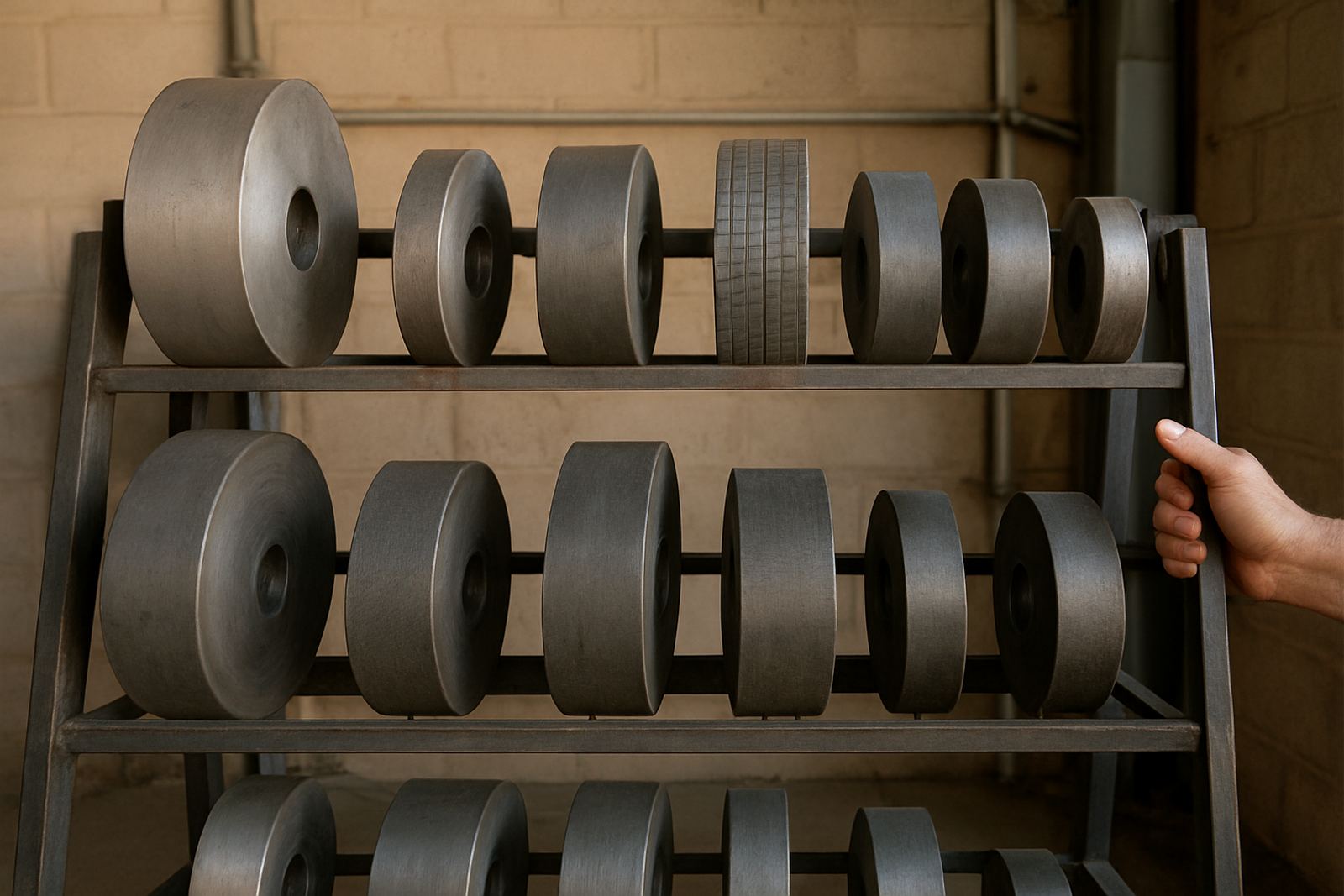
Common options include full rotary solid dies for high-volume work and flexible magnetic dies for shorter or more varied runs. Magnetic cylinders are used where the press configuration needs them, and they are built to match the tooling station and web width. For accurate registration, we also check bearer setting and cylinder condition before manufacture or refurb work is approved.
- Rotary solid through-cut dies for high output and long repeat stability
- Flexible magnetic dies for quicker changeovers and repeat jobs
- Magnetic cylinders for compatible rotary systems
- Internal cut-outs, holes, slots and perforation features where required
- Options for paper, film, laminated and synthetic materials
Typical working widths and repeats depend on the press and the layout, so we confirm the cutting area before production starts. If the job needs tighter edge control, we can also advise on bearer checks, pressure balance and whether the material stack-up is suitable for through cutting without excessive wear.
Where through-cut dies suit production best
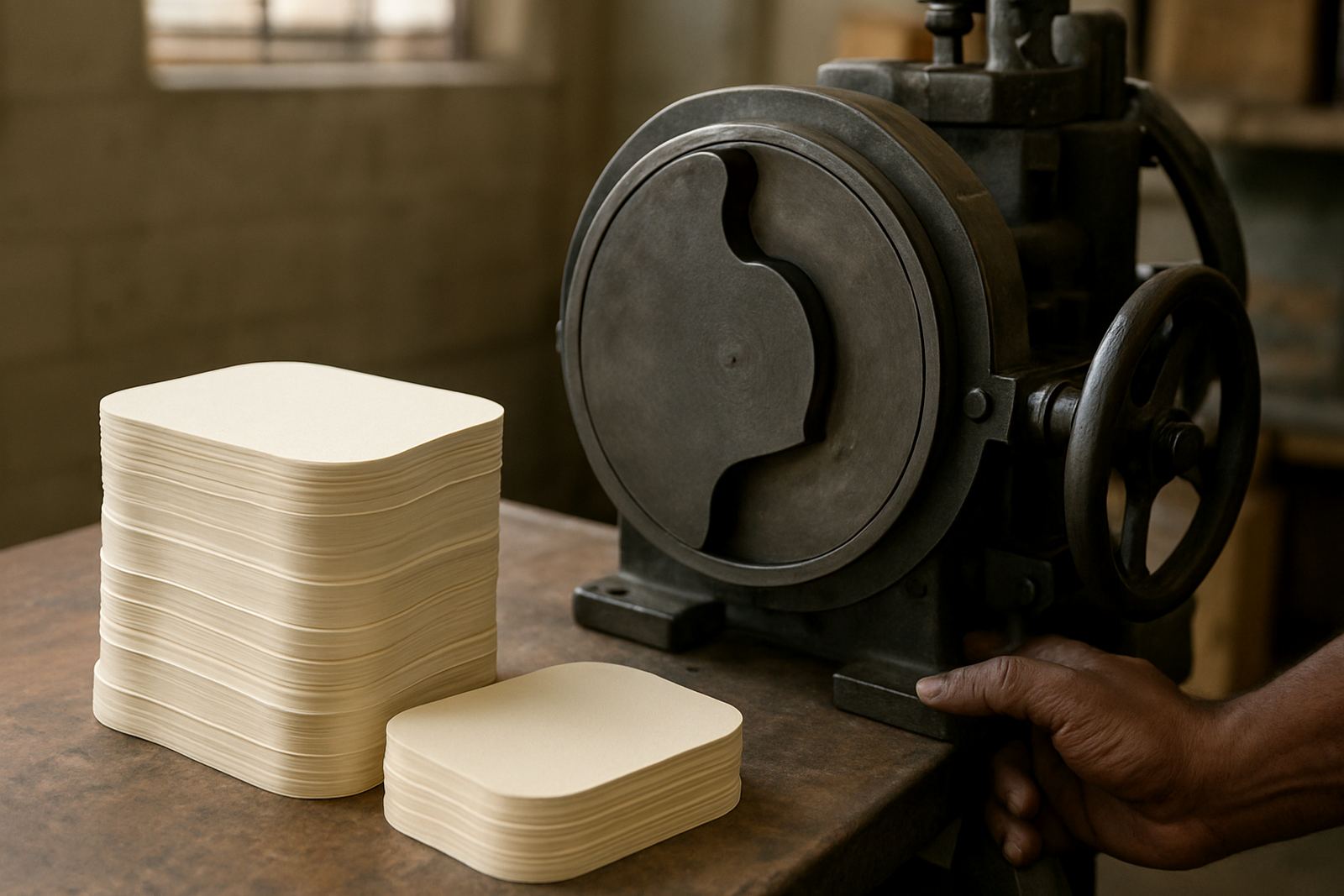
Through-cut tooling is best suited to jobs where the finished item must be removed completely from the web or sheet. That includes hang tags, carton-style labels, instruction inserts, industrial markers, shaped blanks and special promotional pieces. It is also used where a full cut is needed before delivery to a downstream finishing step such as folding, bundling or kitting.
In label plants across Johannesburg, Cape Town, Gqeberha and Durban, through-cut dies are often used on work that needs accurate shape control and a clean edge for manual packing or automatic picking. The tooling must handle the job without overcutting the liner if the process still needs web integrity during production, or it must cut fully through where complete separation is intended. We match the die to the exact requirement so the press operator is not fighting the job all day.
This product is a good fit for converters that handle repeat orders, urgent remakes and mixed substrate work. It is also useful where a customer wants a shaped finished item rather than a standard label format. If you are working to municipal or retail packaging requirements, the cut must be consistent from first sheet to last, and that is where accurate die manufacture matters most.
Installation and press requirements
Through-cut dies can be installed on compatible rotary converting equipment and related press setups, depending on the tooling format ordered. The press needs to be in good mechanical condition, with stable registration, correct pressure settings and enough clearance for the full cut action. If the machine has worn bearings, poor bearer contact or uneven nip pressure, the cut depth can drift across the run.
Power and gas needs depend on the press line, not the die itself. The die does not require gas. Power is only needed for the converting line or support equipment that drives the press, web handling and any associated finishing units. For plants working through load-shedding, it is worth checking that the press can restart cleanly after an interruption without shifting registration or damaging the tooling.
- Confirm the press type and tooling format before ordering
- Check web width, repeat length and cut position on the line
- Make sure the press has stable pressure across the full width
- Allow for restart checks after power interruptions
- Keep guards, nip points and operator access in line with site rules
For busy sites in Wadeville, Pinetown or Bellville, installation planning also needs to cover changeover time and packing sequence. If the die will be used on an urgent remake, we recommend confirming the setup details before dispatch so there are no delays once it arrives.
Care, servicing and repeat performance
Good care keeps through-cut tooling accurate for longer. After use, the die should be cleaned, dried and stored properly so residue, paper dust and adhesive do not build up on the cutting edge. In humid coastal conditions, a dry storage area is important because surface corrosion can affect fine edges and repeat accuracy. On tougher materials, edge wear may show sooner, especially where the job is run at speed or with high pressure.
We provide servicing support that includes die regrind, repeat matching, cylinder refurb and magnet checks where applicable. If a job begins to show ragged cuts, heavier pressure demand or inconsistent release, the tooling may need inspection before the next run. Sometimes the issue is the die, sometimes it is setup, bearer condition or press settings. A proper check saves material and reduces downtime.
For converters handling multiple branches and delivery points, keeping a clear record of each repeat helps a lot. Note the substrate, adhesive type, press used, run speed and any pressure adjustments. That makes the next order easier to match and lowers the risk of a bad first run.
What to send with your order enquiry
To quote and make a through-cut die accurately, we need enough detail to confirm the cut, the press and the finish required. The more complete the brief, the less risk there is of remake or delay. If you are not sure how to describe the job, send the best sample you have and we will work from that.
- Finished size, repeat length and cut shape
- Material type, thickness and liner or sheet build-up
- Whether the job is full through cut or partial cut with release points
- Press type, tooling format and any bearer or cylinder details
- Quantity, urgency and whether this is a new job or repeat matching
- Any special requirements such as tight corners, internal holes or stripping needs
We handle delivery coordination across Germiston, Johannesburg, Pretoria, Durban, Pinetown, Cape Town, Bellville and Gqeberha. If the job is urgent, tell us early so dispatch can be planned properly. For repeat work, keep the old tooling reference and finished sample together, because that helps with fast matching and cleaner production planning.
Key facts
| Product type | Through-cut tooling for tags, sheets and full separation jobs |
|---|---|
| Tooling formats | Rotary solid dies, flexible magnetic dies, magnetic cylinders |
| Use cases | Tags, inserts, shaped blanks, sheeted work and special cut parts |
| Typical materials | Paper, synthetic stock, laminated face material and similar substrates |
| Services available | CAD proofing, repeat matching, die regrind, cylinder refurb, press trial support |
| Base and coverage | Wadeville, Germiston with deliveries across major South African centres |