What synthetic stock dies are made to do
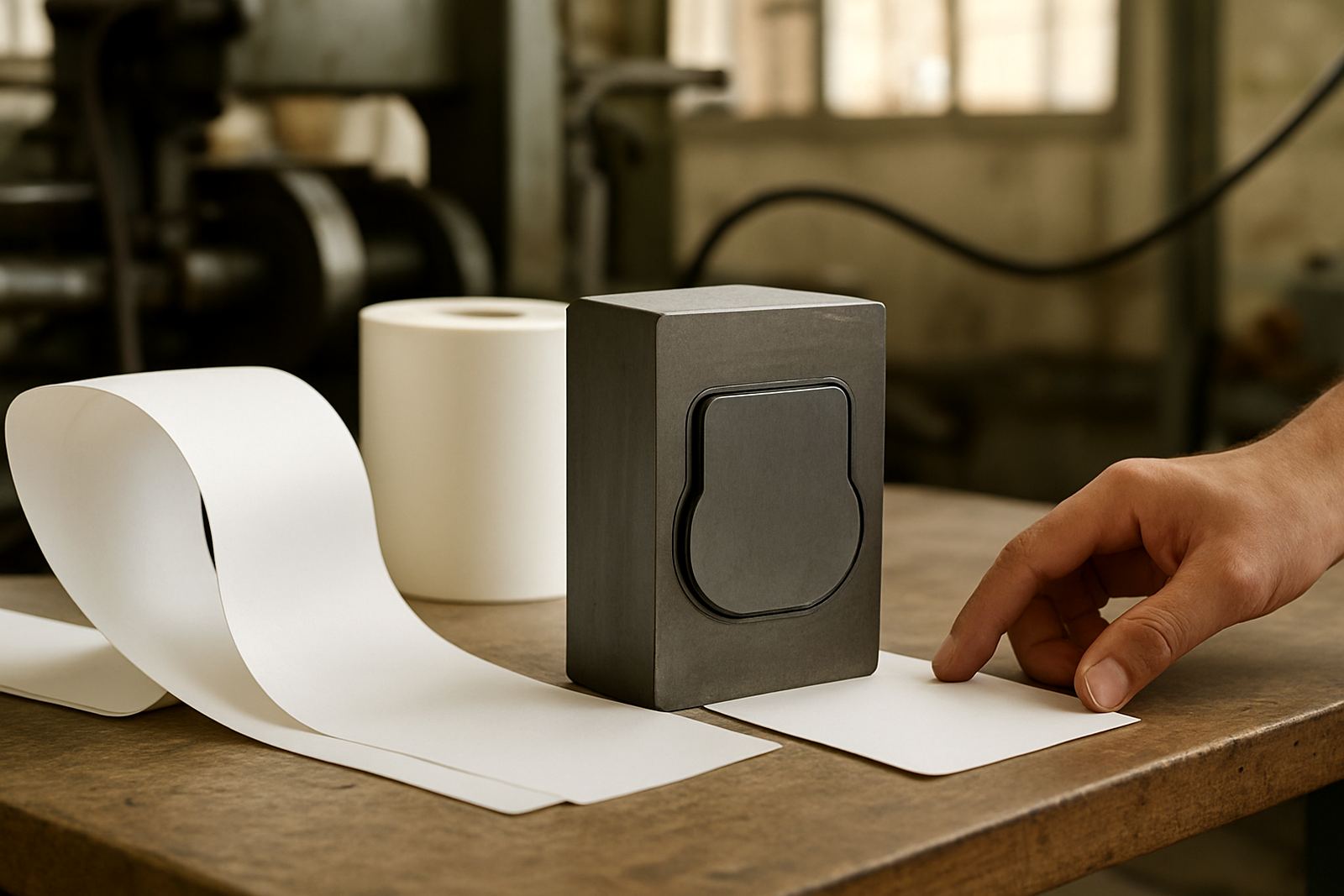
Synthetic label stocks stretch, recover and sometimes resist the cut in a way paper never does. That means the die has to be set up for cleaner shear, accurate depth and a stable cut edge, otherwise you get ragged release, liner damage or labels that do not weed properly. Our synthetic stock dies are made for those conditions, with the cutting profile matched to the material and the press setup.
These dies are used on film labels, waterproof labels, chemical labels, freezer labels and other applications where the substrate must stand up to moisture, handling or abrasion. In practice that means the die is not just a shape tool, it is part of the converting process and must suit both the stock and the machine. A synthetic job that looks simple on paper can be tricky on press, especially when the material is glossy, thin or highly elastic.
- Made for synthetic facestocks, not standard paper labels
- Suitable for short and repeat runs where cut consistency matters
- Prepared for precise tolerances and repeat matching
- Can be specified for rotary solid dies, flexible magnetic dies or magnetic cylinders
Sizes, profiles and build options for different presses
We make dies to order from your artwork, repeat size and machine requirements. Whether you need a narrow web tool for a small converter in Germiston or a wider format for a busy line in Durban, the key is getting the repeat, bearer setup and cutting profile correct before machining starts. If the job is for synthetic stock, we also look at how the material feeds, how much tension it carries and whether the label has small inside corners or fine detail.
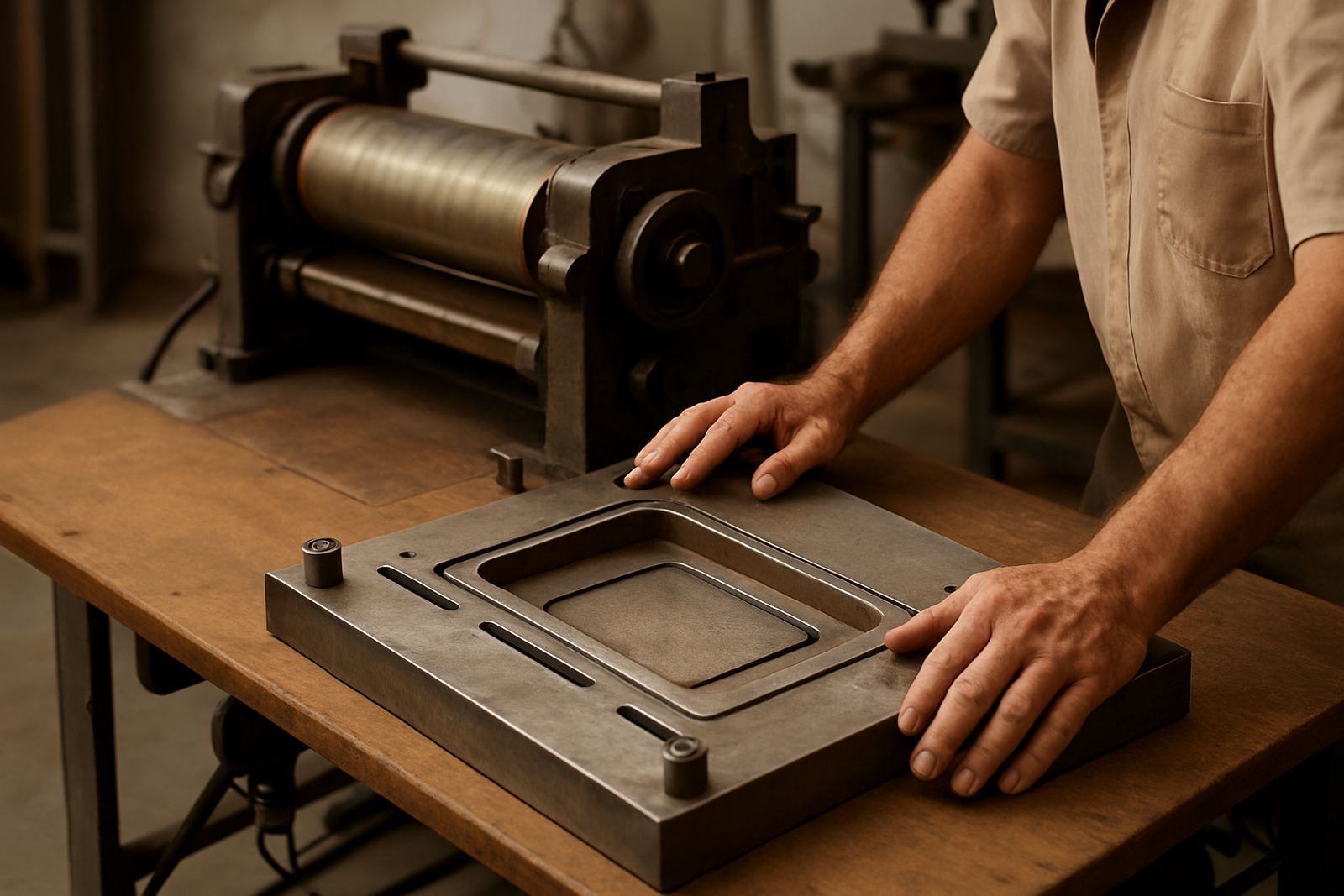
Available options depend on the press and the run size. Rotary solid dies are suited to higher volume converting, while flexible magnetic dies are often used where changeover time matters and repeat work is common. Magnetic cylinders can be supplied or refurbished where the existing cylinder body is still suitable. If a pattern is being repeated from an older tool, we can match the cut dimensions and check the wear pattern before remaking it.
- Common web widths from narrow label lines to wider converting formats
- Cut shapes for simple panels, rounded corners, windows and fine detail
- Suitable for synthetic films, PP, PET and similar label stocks
- Options for new tooling, repeat matching and refurb work
Where synthetic stock dies suit best
These dies are used where labels must keep their shape and finish after exposure to water, oil, cleaning fluids or cold storage. They are common on personal care labels, chemicals, food packs, warehouse labels and industrial product lines. Synthetic stock also shows up where the print face must stay clean and crisp through handling, especially on products moved through Gauteng, coastal humidity in Durban or the cooler inland winter months.
Because synthetic materials cut differently, the die choice often depends on the end use as much as the press. A freezer label may need a different cut and adhesive balance from a cosmetic label, and a wrap label may need more care on the backing release. We work with printers and converters in Johannesburg, Pretoria, Gqeberha, Cape Town and nearby areas who need tooling that behaves properly on press the first time.
- Water resistant and wipe clean label jobs
- Cold room, chilled and freezer applications
- Chemical, oil and handling resistant products
- Short, medium and repeat production runs
What the press needs before installation
Installation is straightforward if the press is correctly set up, but synthetic stock is less forgiving than paper. The machine needs the right pressure, clean bearer contact and stable web tracking. If the stock is too tight on tension or the cut depth is too aggressive, the liner can score or the labels can lift poorly. On older machines, worn bearings or uneven cylinders will show up quickly on synthetic work.
Most of the time there is no special power or gas requirement for the die itself, but the press and associated tooling need to be in good condition. Clean storage, correct mounting and proper bearer setting help a lot. If the line runs through load shedding and restarts often, it is worth checking that the tooling is protected from nicks and that the press comes back up with consistent settings. A quick trial on the machine usually tells us if a small adjustment is needed.
- Check press pressure, web tension and tracking before the run
- Confirm mounting size, bearer setting and cylinder fit
- Keep the press clean, especially after adhesive build up
- Plan a short press trial on the first run of a new synthetic stock
Care, cleaning and service life
Synthetic stock dies last well when they are cleaned and stored properly. Adhesive residue, dust and tiny scrap pieces can build up on the cutting edge and change the cut quality. For that reason we advise regular inspection after runs, especially on jobs with heavy adhesive or fine kiss-cut detail. If a job starts to show rough edges or poor release, the die may need a light regrind, bearer check or magnet inspection rather than a full remake.
We also handle repeat matching, die regrind, cylinder refurb and magnet checks for converters who want to keep tooling in service longer. In many cases the practical answer is maintenance rather than replacement. That can save time and Rand, particularly where the same synthetic label is produced month after month and the press crew needs it back quickly.
- Wipe down the die after use and remove adhesive build up
- Store tools dry and protected from knocks
- Ask for repeat matching when reordering an existing size
- Use refurb or regrind services when wear starts to affect cut quality
Checks to make before you order
Synthetic film type and thickness match the tool to your machine and stock. For synthetic labels we need the artwork or dimensions, the material type, the press model or cylinder details and the finish you expect. If the job has tight internal corners, small text windows or unusual waste removal, say so early because those details affect the cut design. A lot of delays come from missing repeat sizes or unclear stock details, and that is easy to avoid.
It also helps to tell us whether the job is a fresh cut, a repeat of an old tool or a remake after wear. If you have a sample from a previous run, send that with the order notes. Our team in Wadeville, Germiston handles die design, CAD proofing, packing and dispatch, with delivery coordination to Johannesburg, Pretoria, Durban, Pinetown, Cape Town, Bellville and Gqeberha. That keeps the process practical and lets us catch issues before the tool goes into production.
- Material type and thickness of the synthetic stock
- Repeat size, web width and finished label dimensions
- Press or cylinder details, including any existing tooling reference
- Required quantity, urgency and delivery location
Key facts
| Product type | Synthetic stock dies for rotary and flexible magnetic label converting |
|---|---|
| Material suitability | Films, synthetic facestocks, PP, PET and similar label stocks |
| Build options | Rotary solid dies, flexible magnetic dies, magnetic cylinders |
| Typical use | Water resistant, freezer, chemical and industrial labels |
| Service support | Die design, CAD proofing, repeat matching, refurb and press trial support |
| Base | Wadeville, Germiston with deliveries nationwide |