What a multi-up die does on press
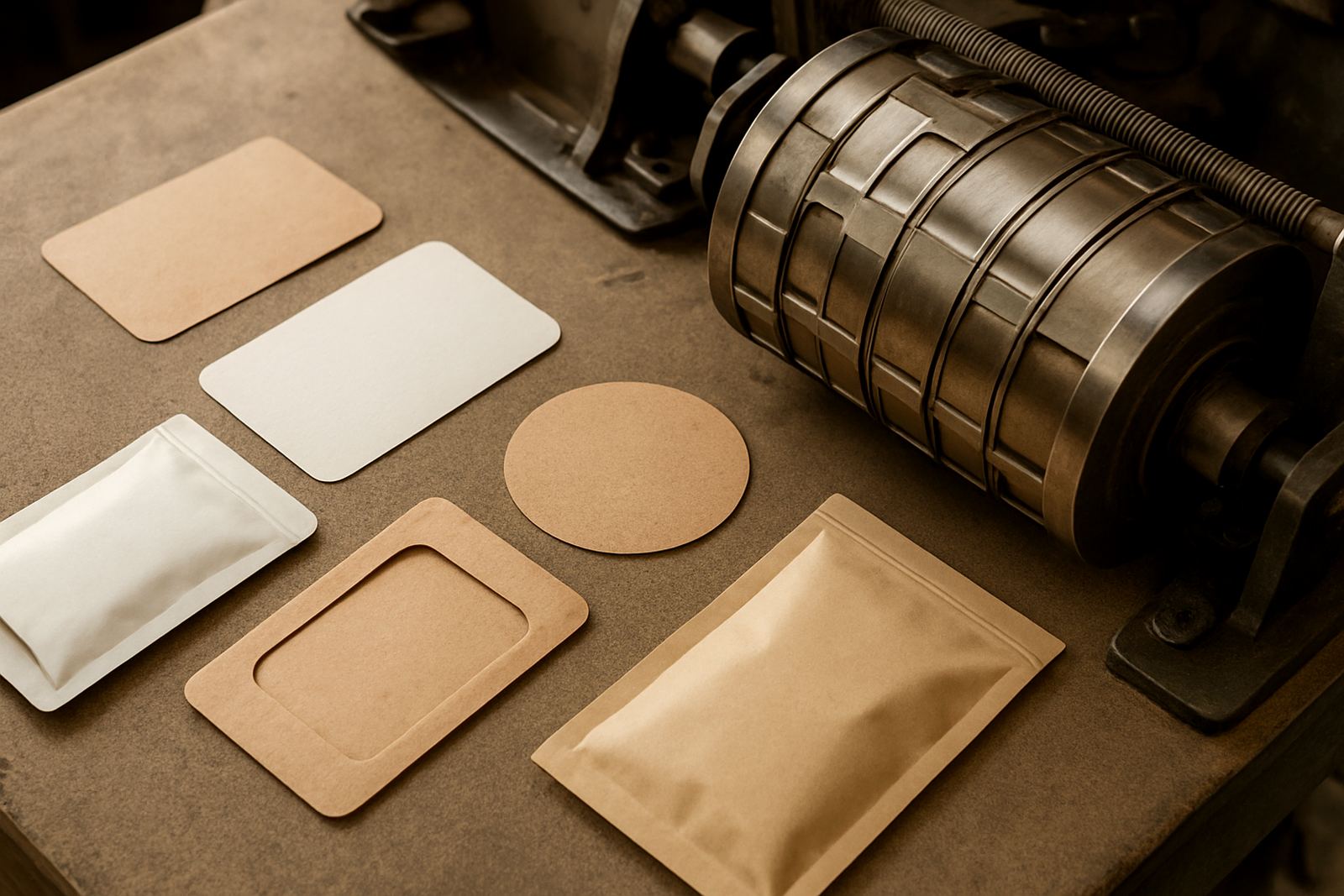
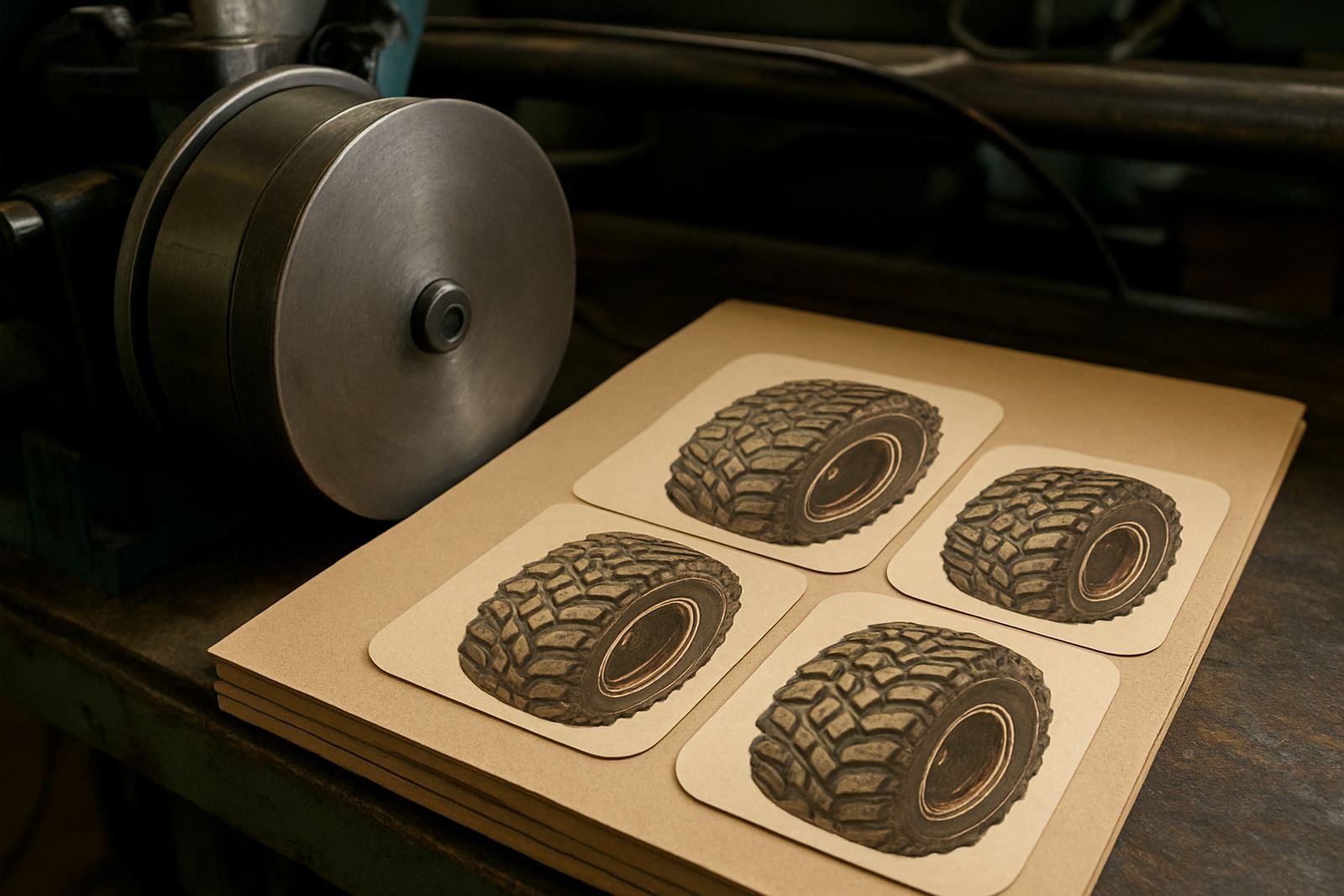
A multi-up die is set up with several cavities across the web width so more than one label is cut in each impression. That makes it a practical choice where the artwork size, press width and customer demand line up well, especially on narrow to mid web label runs. On the floor, it means fewer passes, better material use, and less trimming off the sides. For many Johannesburg and Durban converting lines, that can make a real difference to the job cost.
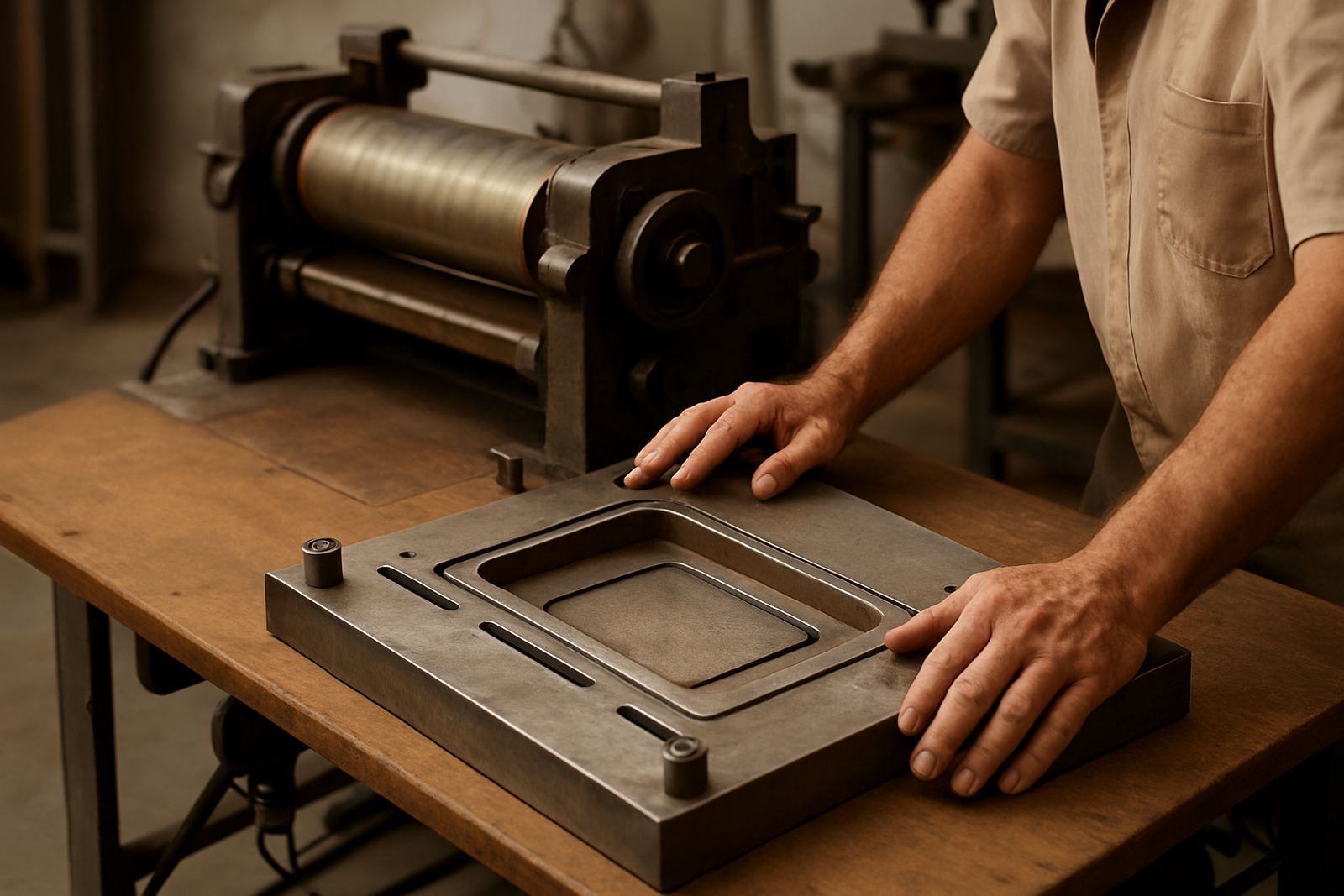
We make multi-up dies as rotary solid dies, flexible magnetic dies and matching magnetic cylinders, depending on the press and the material build-up. The die geometry is set from your finished label size, gap between labels, repeat length, waste lane allowance and the web width available. Marius and the team will normally check the full layout before cutting, so the tool suits the actual press condition, not just the artwork file.
- Suitable for single colour and multi colour label work
- Can be laid out for two, three, four or more ups across the web
- Useful where yield matters on expensive film or coated stock
- Can be matched to customer repeat and press direction
Sizes, cavities and tooling options we make
There is no fixed size for a multi-up die because the layout depends on the label dimensions, the number of rows, the repeat and the press width. Common jobs range from small pharmaceutical labels with tight spacing to larger food, beverage and industrial labels where a wider web allows more cavities. If the web is 330 mm, 430 mm or wider, we can work out a layout that keeps the cut stable and practical for the press operator.
Die thickness, relief and bearer setting are selected to suit the material and the cutting style. For flexible magnetic dies, the magnetic cylinder must be checked against the press specification and the repeat length. If the job changes later, we can do repeat matching, die regrind or cylinder refurb where possible, which helps extend the life of the tooling instead of replacing it too soon.
- Rotary solid dies for higher duty converting
- Flexible magnetic dies for quick changeovers
- Magnetic cylinders supplied to suit the die and press repeat
- Layouts can include waste lanes, slits and kiss cut areas as needed
Where multi-up layouts suit best
Multi-up dies suit converters that run repeated label formats in stable volumes, especially where material cost is under pressure. They are a good fit for pressure sensitive labels, film labels, paper labels and some light board applications, depending on the press setup. In areas like Pretoria, Cape Town and Gqeberha, many printers use multi-up layouts to make the most of imported stock and to reduce offcut on higher value jobs.
This type of die also suits work where the same label is repeated across a wider web for bottling, chemicals, household products, logistics and retail packaging. If a customer wants fast output with consistent edges, the cavity spacing and cut depth have to be right from the start. Too much pressure can bruise the web or wear the tooling faster, while too little pressure leaves poor cut through. It is a balance, and it matters.
- Best for repeat label runs with stable artwork
- Useful on coated papers and many film stocks
- Can improve yield where material prices are high
- Common for converters supplying provincial and national accounts
Installation, power and press requirements
Multi-up dies do not need site power or gas themselves, but they must match the press conditions exactly. The press needs the correct cylinder size, bearer setting, nip pressure and mounting arrangement. We always ask for the press model, repeat length, web width and stock type before final manufacture. If the press is under load-shedding related stop-start conditions, the tooling still needs to hold registration and return cleanly when the press starts up again.
For installation, the operator should confirm that the web is tracking correctly, the tension is steady and the cutting impression is even across the width. On wider layouts, small pressure changes can show up quickly at the side cavities. If the job is being run near the coast, especially in Durban or Cape Town, the pressroom team should also watch for moisture related changes in paper behaviour and storage conditions.
- Need press model, repeat length and web width confirmed before manufacture
- No direct gas supply or electrical connection required for the die itself
- Stable web tension is important for clean multi-cavity cutting
- Humidity control helps with paper based labels and liner handling
Care, servicing and how to keep the die cutting clean
Good care starts with simple handling. Keep the die clean, dry and wrapped properly after use. Make sure adhesive build-up, paper dust and liner fibres are removed before storage. If a die is left dirty, the next run can show poor cut edges or marking on the web. A quick clean after the run often saves a lot of grief later, and it is much cheaper than reworking a worn tool.
We can advise on bearers, magnet checks, regrind intervals and whether a cylinder refurb makes sense. If the customer sees cracking, cut variation, scuffing or poor kiss cut performance, it is worth checking the die before the issue spreads through a full run. Thandiwe and Siyanda usually look first at wear pattern, pressure balance and whether the job has drifted from the original specs.
- Store flat, dry and protected from dust
- Clean after each run to prevent adhesive build-up
- Check for wear if cut quality changes across the web
- Arrange regrind or refurb before damage becomes severe
What to send when ordering a multi-up die
To make the right tool first time, send the finished label size, artwork repeat, web width, number of ups needed and the substrate details. If you know the press type, include that too, along with whether you need rotary solid, flexible magnetic or a magnetic cylinder. For repeat orders, send a sample or old tool if available. That helps us compare the actual cut and not just rely on a drawing.
Also tell us if the job needs urgent remakes, press trial support or stock advice for the material spec. If there are municipal or customer compliance limits on waste, carton size or pack count, mention those as well. Anele coordinates packing and dispatch from Wadeville, Germiston, and we deliver across Johannesburg, Pretoria, Durban, Pinetown, Cape Town and Gqeberha. If something is missing, we will ask before cutting, because a small detail can change the whole layout.
- Finished label size and artwork repeat
- Web width and number of cavities across the web
- Material type, thickness and liner detail
- Press model, delivery area and any deadline pressure
Key facts
| Product type | Multi-up rotary solid dies, flexible magnetic dies and magnetic cylinders |
|---|---|
| Typical layout | 2 up to 8 up, depending on web width and label size |
| Web width range | From narrow web setups to wider converting lines, subject to press match |
| Material suitability | Paper, film and coated label stocks |
| Tolerance | Made to precise converting tolerances for repeatable cutting |
| Service options | Die Design, CAD Proofing, Repeat Matching, Die Regrind, Cylinder Refurb, Press Trial Support |