The brief from an Alberton beverage converter
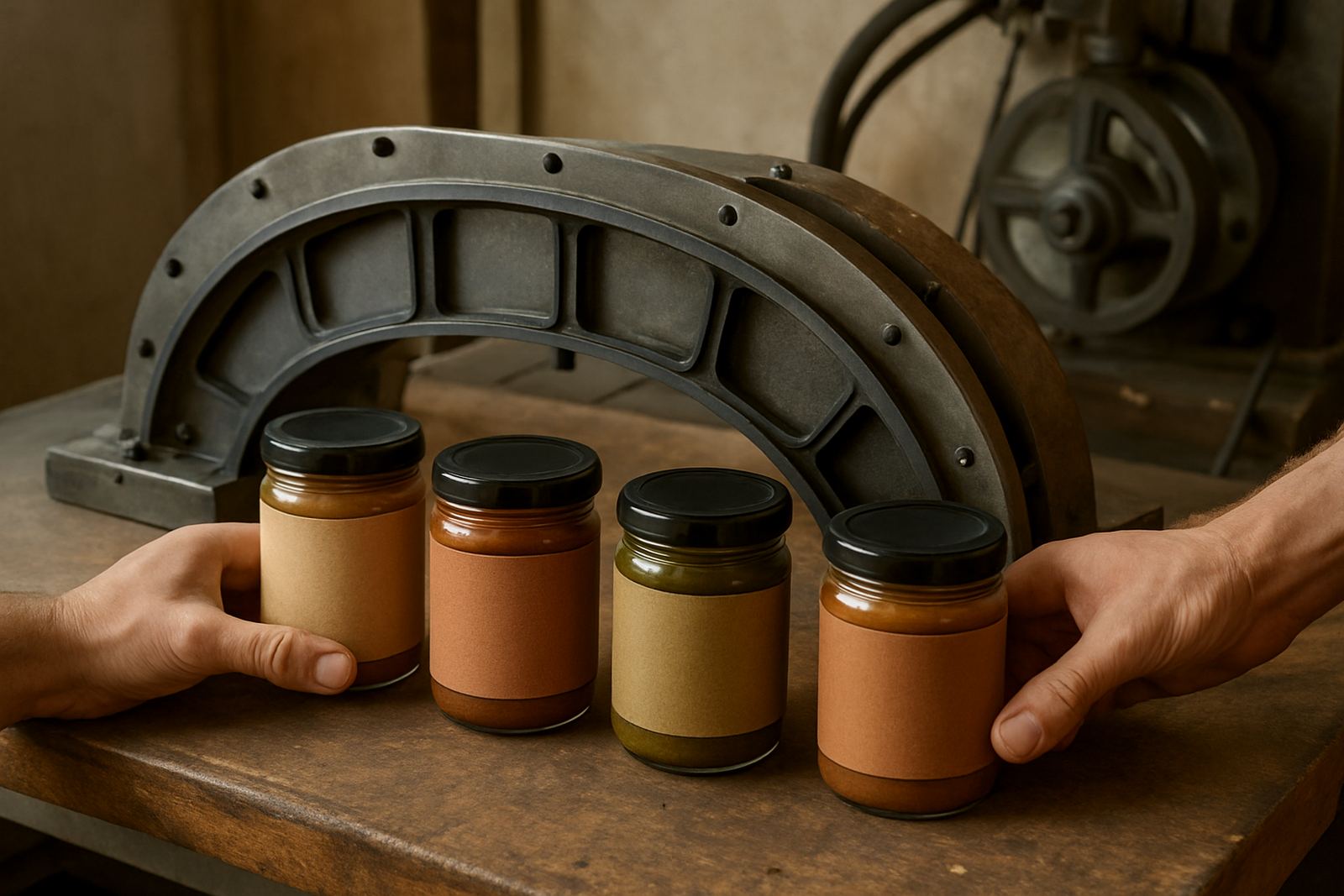
The client was a beverage label converter in Alberton handling short and medium runs for bottled drinks, including changing artwork and seasonal packs. Their existing tooling was still serviceable, but the press team was seeing small register drift on longer runs and uneven matrix lift when the material warmed up during the day. On a beverage line, that sort of movement shows up fast, especially when the job has tight panel spacing and a neat finished edge.
They wanted a repeat supply of rotary tooling made to the same size as the working file, but with cleaner cutting detail and better consistency across the cylinder. The brief was practical: keep the changeover simple, reduce the amount of fine adjustment at the press, and make sure the tooling would hold up on coated label stock used for bottles in cooler rooms and warmer packing areas. In Alberton, where some production spaces still feel the effects of load-shedding and temperature swings, repeatability matters more than big promises.
- Job type: repeat beverage labels for bottle packs
- Location: Alberton, Gauteng
- Tooling supplied: rotary solid die and matching magnetic tooling
- Target: tighter register and smoother matrix release
Why the existing tooling needed a reset
The original die had done its job, but wear had started to show at the edges and on a few high-use areas. That is common on beverage work where the same format comes back again and again, and the press is expected to run fast with minimal waste. Once the blade edges lose their sharpness, the operator starts chasing cut depth, backing off pressure in one zone and adding it in another, which then affects the rest of the sheet or reel. We saw enough of that to know a simple repeat would not be enough, the geometry had to be checked properly.
We also had to account for the material build. The labels were running on a coated stock with a release liner that behaved differently once the press room heated up. In practical terms, that meant the magnetic hold and bearer setting had to be spot on so the die would not wander under load. The client also asked for a finish that would tolerate routine cleaning and storage between runs, because the same tooling could sit for a while before the next beverage changeover.
- Constraint 1: maintain exact repeat dimensions from the existing job file
- Constraint 2: improve cutting consistency on coated stock
- Constraint 3: keep changeover time low for the press team
- Constraint 4: support stable running during power interruptions and warm starts
What we supplied and checked before dispatch
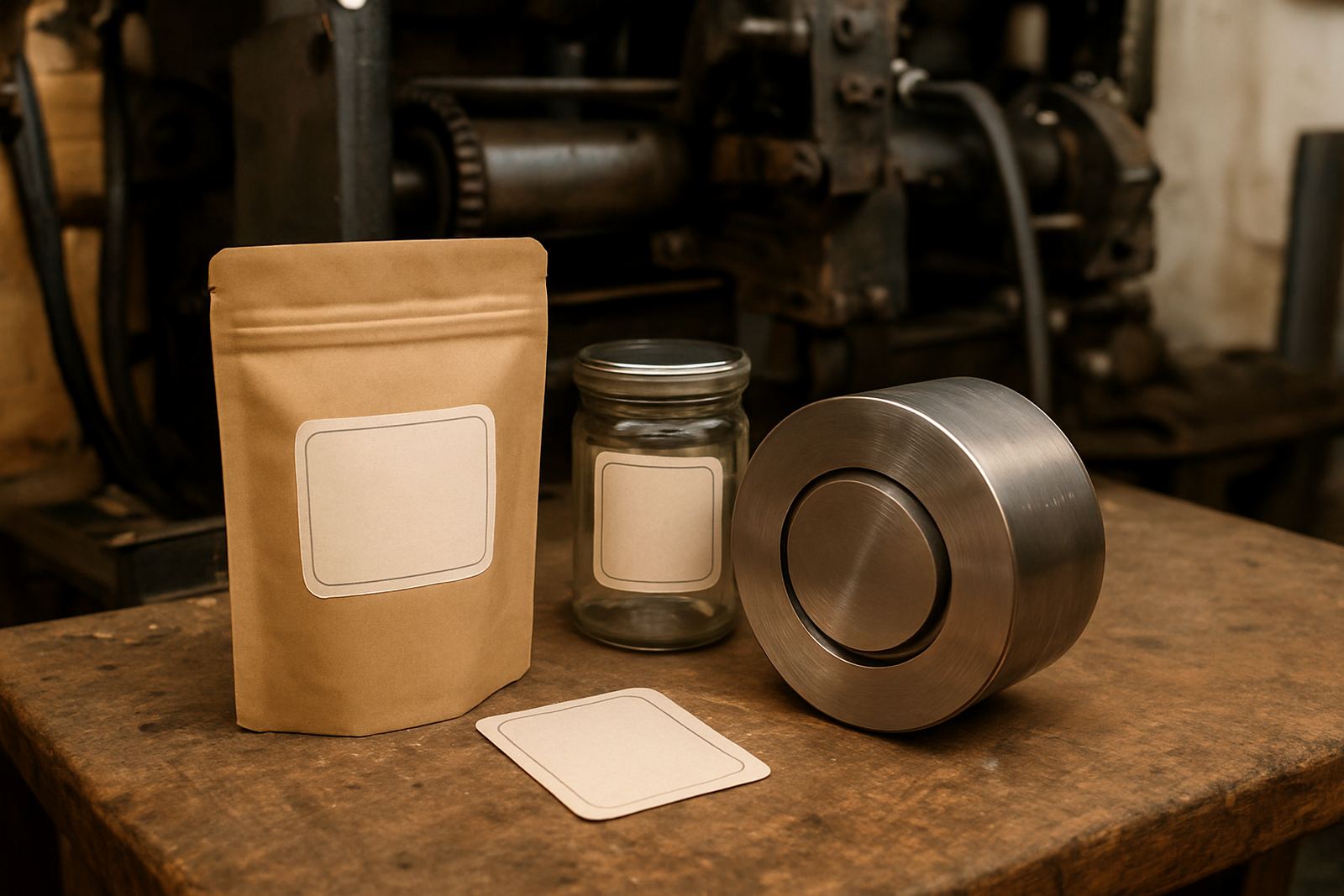
We prepared a fresh rotary solid die for the cutting profile and matched it with magnetic tooling set to the correct working diameter. Where the job called for it, we also checked the cylinder condition so the press could run without hidden runout issues. Our team did the CAD proofing, repeat matching and bearer setting first, then moved through magnet checks and final measurement before anything left Wadeville, Germiston.
The technical work included close tolerance checking on the cutting line, edge continuity around the full circumference, and pressure balance so the blade would not bite too hard in one section. The result was tooling that matched the press setup more cleanly. Nirasha in CAD caught a small detail on the repeat line that would have caused a nuisance at make-ready, and Siyanda set the machine shop side to keep the profile even all round. That kind of discipline saves time later, because the operator gets a cleaner first pull instead of fighting the job for half a shift.
- Rotary solid die made to order
- Flexible magnetic die supply for repeat compatibility
- Magnetic cylinder checked for wear and alignment
- Bearer setting confirmed before packing
Timeline from approval to pressroom delivery
The full turnaround took two weeks from final confirmation to dispatch, which suited the client’s production slot. Week one covered file confirmation, CAD proofing and production planning. Week two covered machining, checking, packing and delivery coordination. Because the job was going into a busy beverage window, we kept the sequence tight and avoided any unnecessary back and forth. Ruhan handled the technical follow-up, while Anele coordinated dispatch so the tooling would reach the press crew in the right order for setup.
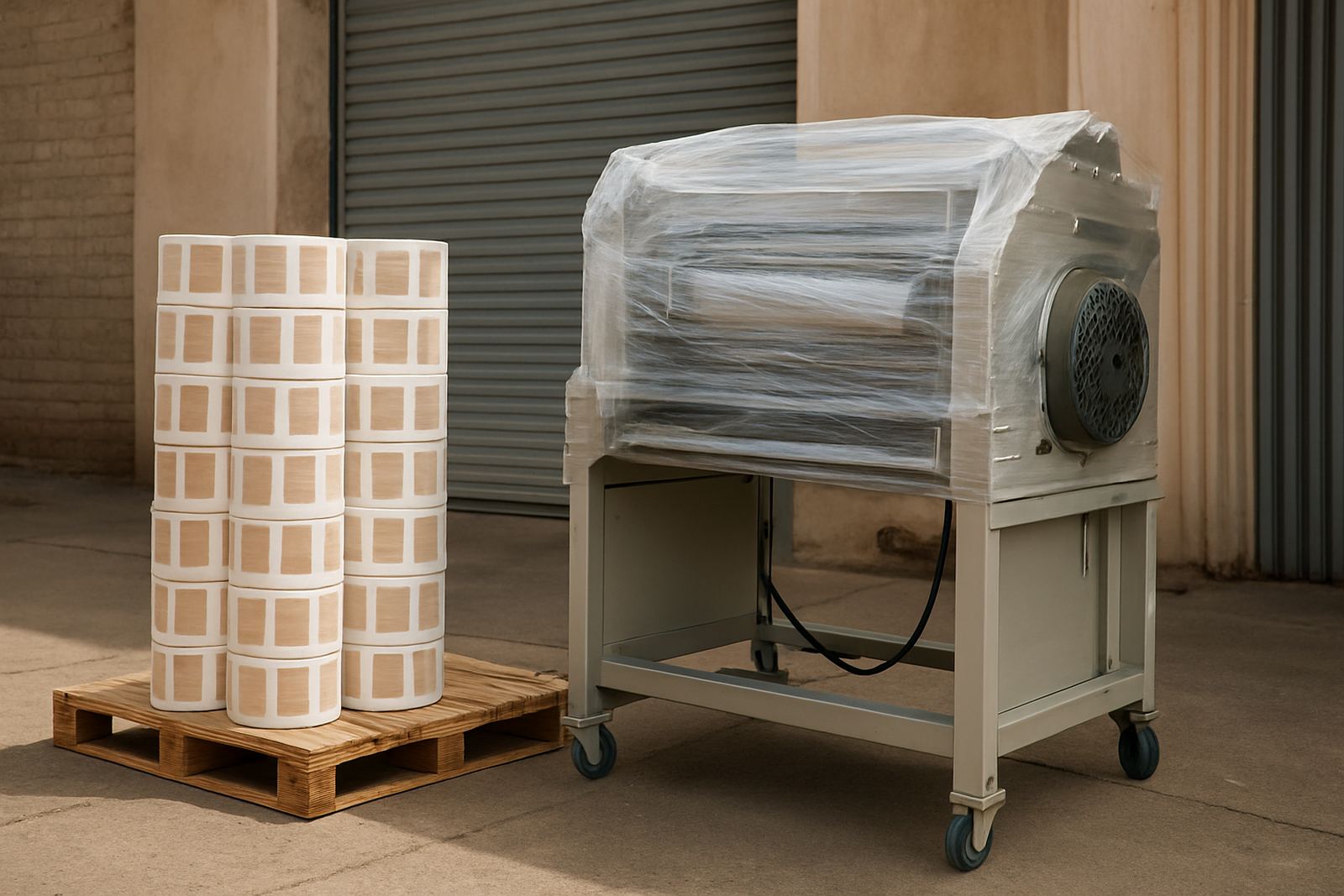
Delivery went through our Johannesburg route, which helped the Alberton team receive the tooling without delay. In jobs like this, timing is as important as the cut quality. If a converter is waiting on fresh tooling while the line is booked, even a half-day slip can push the schedule into overtime. Here, the handover was straightforward and the client had enough time to prep the press before the next run. That meant fewer surprises on shift and less wasted stock during first setup.
- Week 1: file confirmation and CAD proofing
- Week 2: machining, checking and dispatch
- Total turnaround: 2 weeks
- Delivery route: Germiston to Alberton via Johannesburg supply coverage
Results on press and what changed for the operator
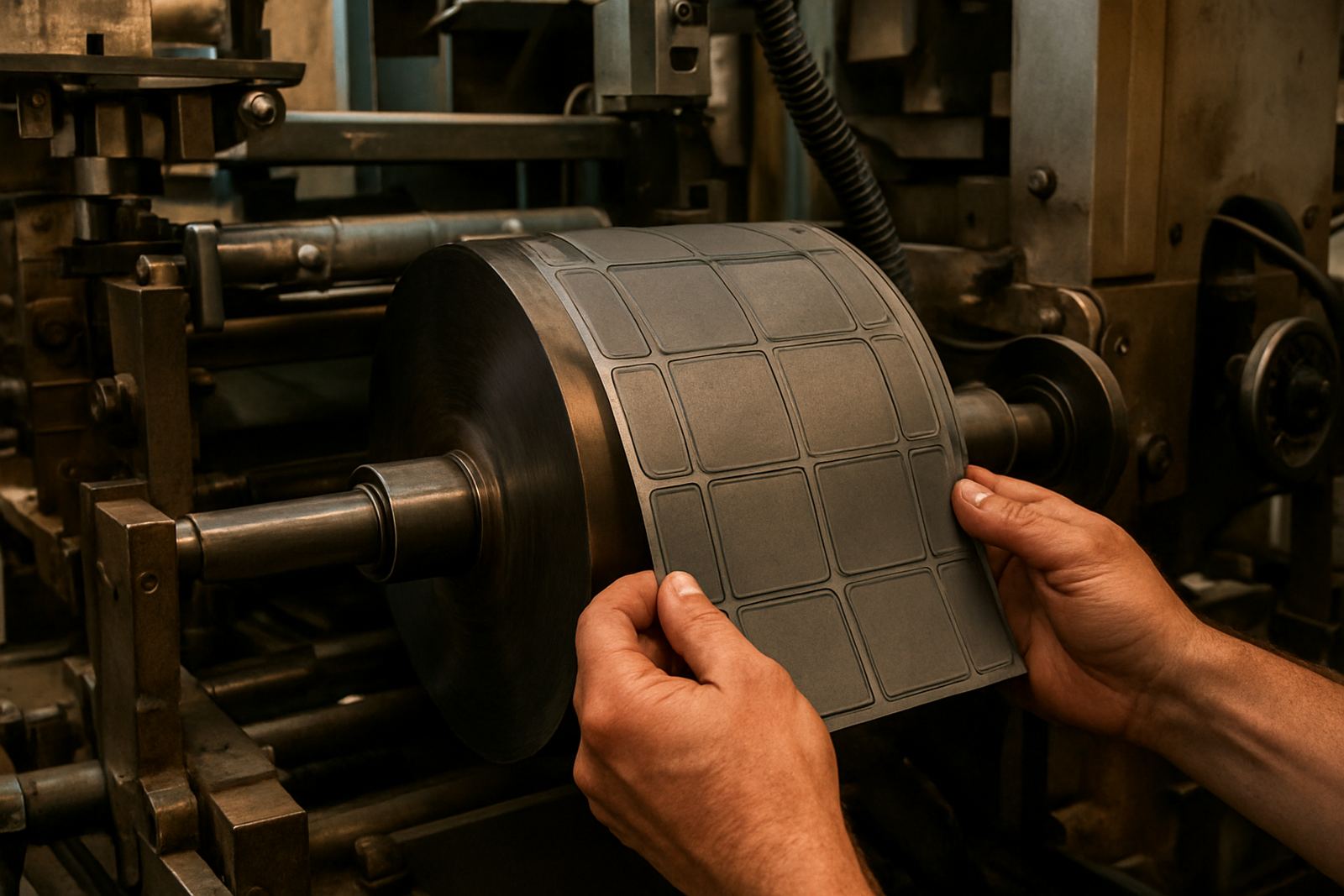
Once the new tooling went on press, the team reported cleaner registration between print and cut, with less need to keep nudging the setup through the run. Matrix lift improved as well, which reduced stoppages where the waste web would tear or cling at the wrong point. That may sound small, but on beverage labels it makes a real difference to output and waste control. The operator could keep the line moving with fewer interruptions, and the finished labels held a neater edge on the reel.
The client also noted that the first setup took less trial and error than the worn tooling had needed. With the bearer setting confirmed and the magnetic hold behaving properly, the press team could settle into normal running sooner. There was less scrap in the start-up phase and less manual sorting later. It is the sort of result that does not need a long report, just a steadier day on the machine and fewer calls to stop the line.
- Improved print-to-cut register
- Better matrix lift and cleaner waste removal
- Less make-ready adjustment at the press
- Lower start-up scrap on repeat beverage runs
What we would repeat on the next beverage order
If we were running this Alberton beverage job again, we would keep the same approach: proof the repeat carefully, check the cylinder and bearer setup early, and build in enough lead time for a clean handover. For beverage work, consistency wins over quick fixes. The more attention given to the repeat file and the cutting geometry at the start, the less time the press team spends chasing a fault once production is underway. It is simple enough, but it saves real Rand when the press is booked solid.
We would also keep the same communication line with the client’s production team. Jobs like this run better when the converter tells us exactly how the previous tooling behaved on press, not just what the drawing says. That helps us prepare for the real conditions, including temperature shifts, stop-start running and the occasional power interruption that affects many Gauteng print rooms. For repeat beverage work, that local knowledge is worth a lot. It keeps the job practical and the results consistent.
- Repeat the same proofing and measurement checks
- Confirm press conditions before machining
- Keep delivery aligned with the production slot
- Use feedback from the press crew to fine tune the next order
Support for converters across South Africa
Although this project was for Alberton, the same service applies to label printers and converters in Johannesburg, Pretoria, Durban, Pinetown, Cape Town, Bellville and Gqeberha. We work with clients who need rotary solid dies, flexible magnetic dies, magnetic cylinders and practical support around repeat matching, die regrind, cylinder refurb and urgent remakes. Whether the job is a beverage label, a cleaning product or a food pack, the aim is the same: predictable tooling that fits the press and holds its line.
Our base in Wadeville, Germiston lets us handle production, packing and dispatch with steady control, and our team stays focused on the real work of label converting. If a client needs stock advice, press trial support or a check on an older cylinder before the next run, we can help through the enquiry form on our contact page. No drama, just careful work and proper follow-through.
- South African supply coverage for major label centres
- Support for repeat jobs and emergency remakes
- Practical checks for press setup and cylinder condition
- Enquiries handled through the contact page form
Key facts
| Project | Alberton Beverage Run |
|---|---|
| Client type | Local beverage label converter |
| Town | Alberton, Gauteng |
| Tooling supplied | Rotary solid die, flexible magnetic die, magnetic cylinder check |
| Turnaround | 2 weeks |
| Key result | Cleaner registration and improved matrix lift on press |