Paarl brief for a premium jar range
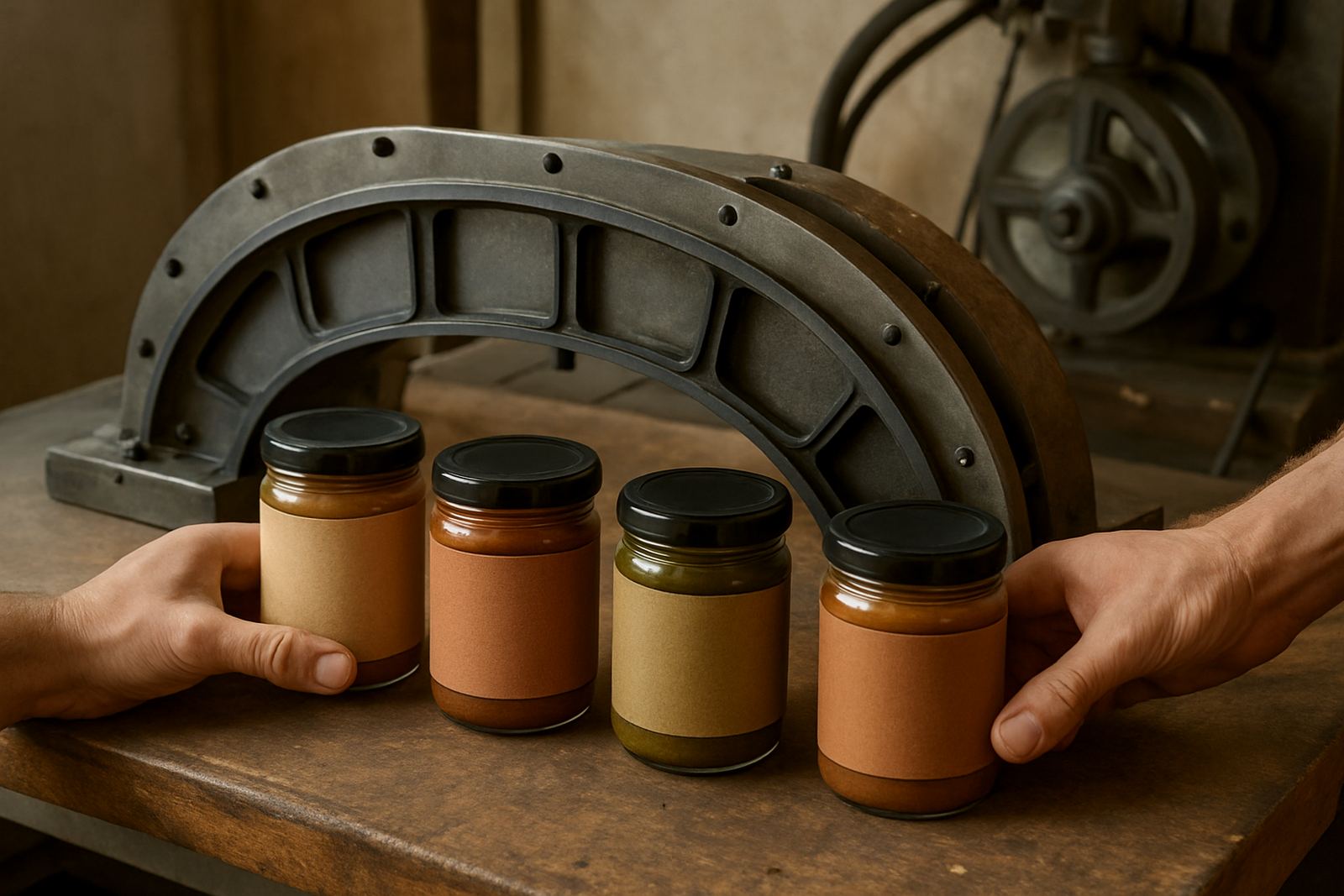
The client was a food producer in Paarl packing olives and related preserve lines for local retail and export orders. The labels had a rounded profile with a neat corner radius, and the print finish needed to sit properly on clear and amber glass jars without lifting at the edges.
The main concern was consistency. The labels had to look the same from the first carton to the last, even when the press was moving between repeat orders and different flavour variants. Because the range sold through multiple channels, the tooling also needed to support quick changeovers and predictable reordering.
- Product type: premium olive and preserve jar labels
- Location: Paarl, Western Cape
- Application: food jars with curved glass surfaces
- Run style: repeat orders and seasonal production windows
Tooling choice and key specs
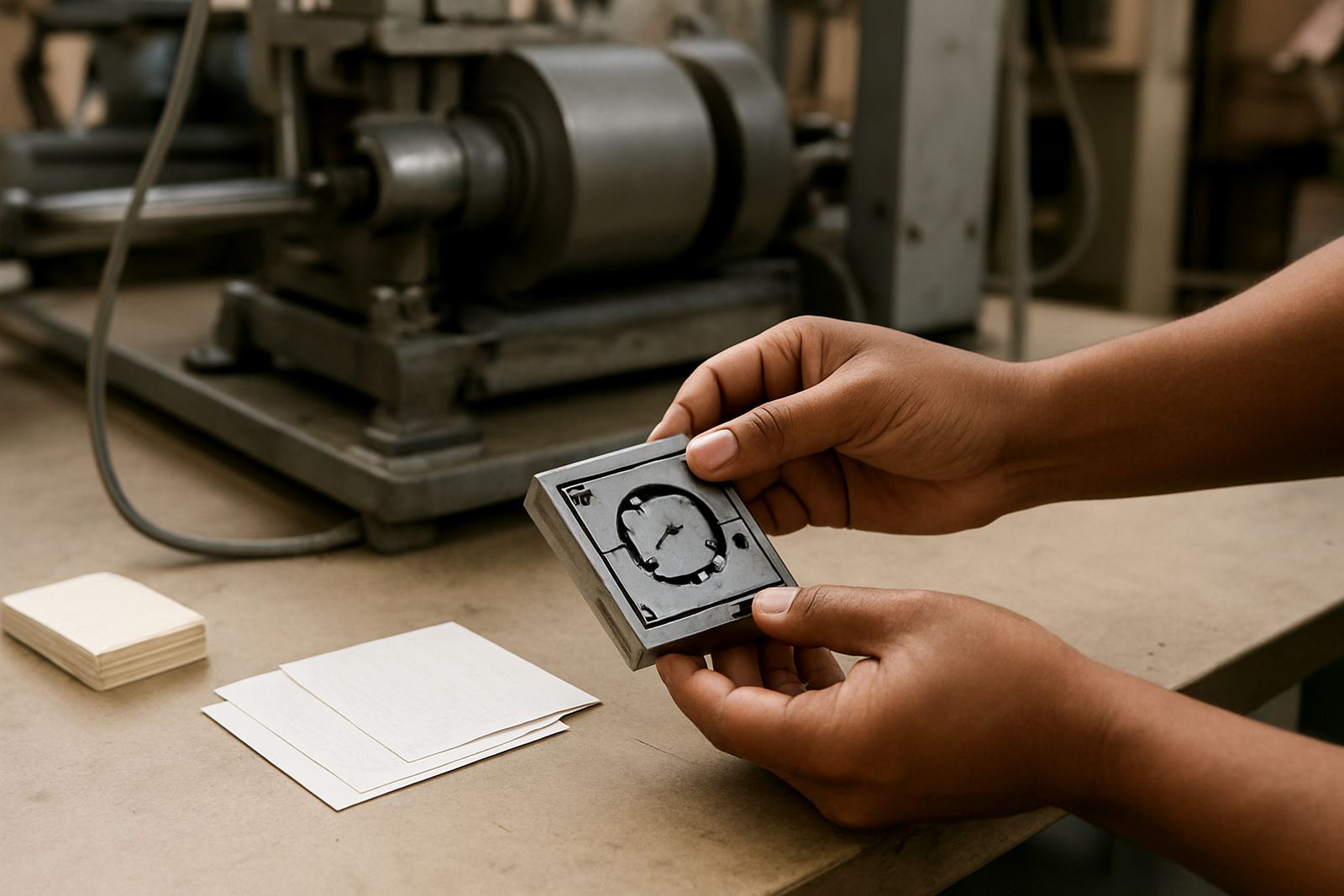
We recommended a made to order rotary solid die for the primary cut shape, with flexible magnetic die options for repeat work where the client wanted faster turnaround and lower tooling cost. The finished profile was set up to suit the printed sheet layout and the press conditions used by local label converters handling food packaging work.
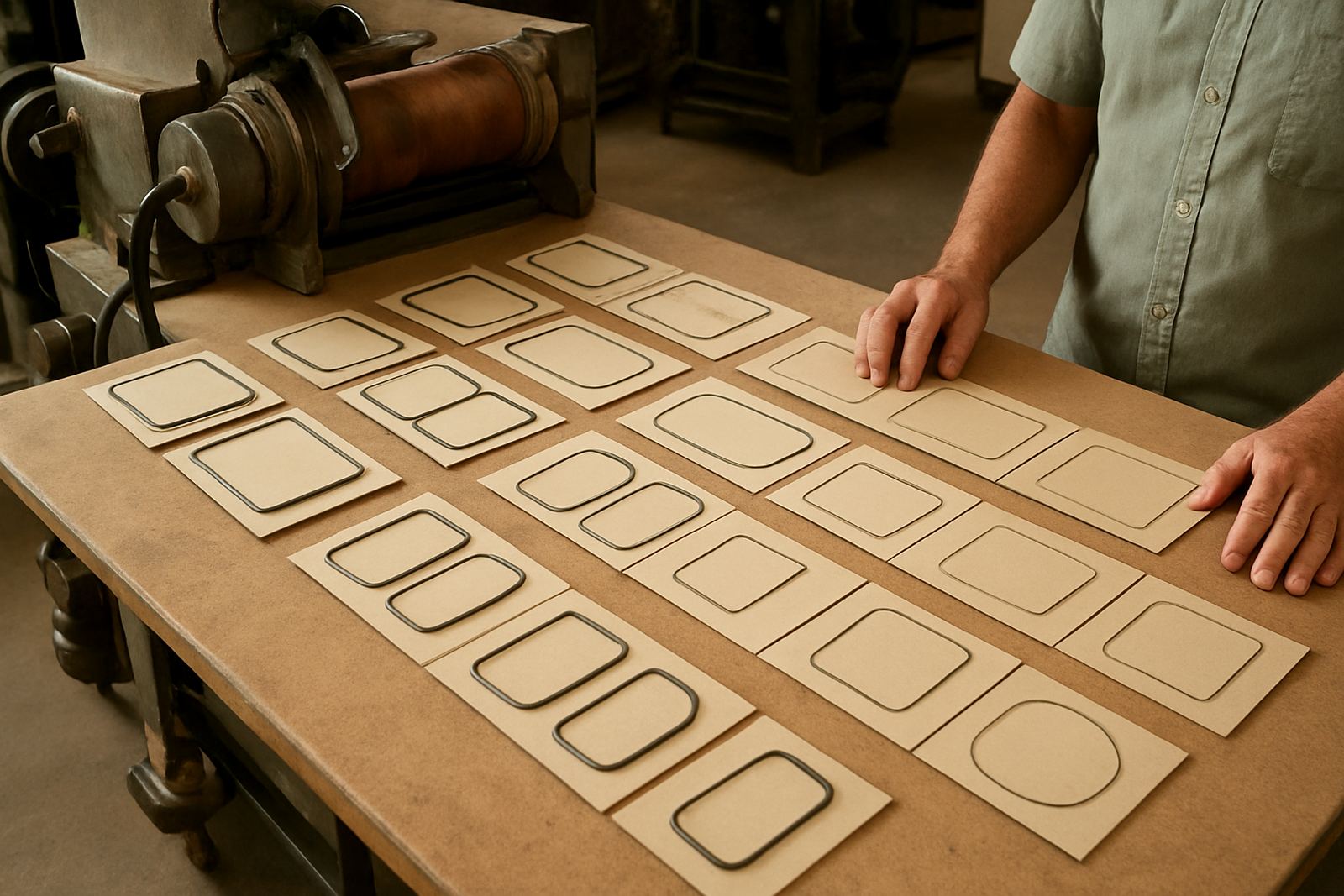
Working to the sample and approved artwork, we held tight tolerances on the cut path so the labels would weed cleanly and stack properly after finishing. Bearer setting and edge condition were checked before release, because on a job like this even a slight variation can show up as poor release or ragged corners.
- Die type supplied: rotary solid die and repeat flexible magnetic die
- Cut accuracy: held to fine production tolerances for repeat consistency
- Shape detail: rounded corners and controlled corner radius
- Use case: label converting for food jars and preservation packs
From CAD proof to press-ready sign off
Nirasha prepared the CAD proof from the supplied artwork and die line, then the drawing was checked against the press dimensions and the final jar label size. Once the proof was confirmed, the production team moved the tooling into machining and final inspection. The client needed confidence before committing to the first run, so we kept the communication practical and direct.
Ruhan handled the technical back and forth on fit, repeat size and delivery timing while Thandiwe oversaw production and Siyanda confirmed the machine shop settings. This mattered because the labels had to come off the press cleanly, without extra trimming at the finishing stage.
- CAD proofing completed before manufacture
- Technical checks done against artwork and repeat size
- Production and inspection carried out in Wadeville, Germiston
- Release only after fit and finish checks were complete
What we supplied for the Paarl run
The job included the tooling itself plus setup support for the first production run. For a food label like this, the details matter: clean knife edges, stable depth, and a cut that respects the print varnish and adhesive system used on the jar label stock. We also advised on stock handling so the converter could keep the sheets flat in the warmer months, which is useful in inland conditions like Paarl where storage rooms can heat up quickly.
Anele coordinated packing and dispatch so the tooling arrived ready for use, and the client could schedule the run without delay. For repeat work, we kept the job reference and dimensional notes on file so future remakes would match the same cut profile.
- Die manufacture completed to the approved drawing
- Packing and dispatch coordinated for safe transit
- Press trial support available if setup assistance was needed
- Repeat matching notes retained for future orders
Timeline, turnaround and delivery to the Western Cape
The full cycle took 2 weeks from artwork confirmation to dispatch, which included proofing, machining, inspection and final packing. That timeline suited the client’s production planning, as the label stock and print window were already booked. When jobs are tied to bottling dates, delays can create knock-on problems for filling, warehousing and delivery slots.
Our delivery coordination covered the route to Cape Town and surrounding areas, with service support for Bellville and the wider Western Cape network where needed. The client received clear updates, and the project stayed on track without last minute changes. It was a straight forward job in the best way, no drama and no rework.
- Project lead time: 2 weeks
- Dispatch handled from Germiston
- Western Cape delivery coordination arranged
- Suitable for scheduled bottling and packing dates
Result on shelf and what we would repeat
The finished labels gave the olive range a neat shelf appearance with clean corners and reliable trim, which helped the packs look consistent across the full range. More importantly, the converter reported stable performance on press and easy repeatability when the next order came through. That matters on food packaging because one bad die can cost time across the whole shift.
For another Paarl preserve label set, we would again settle the artwork before cutting, measure the wrap and panel gaps against the jar layout, and hold each repeat to the same cut standard across the run.: confirm the artwork early, check the jar wrap and panel spacing carefully, then hold the tooling to the same cut standard for every repeat. For premium preserve labels, that mix of detail and discipline is what keeps production moving.
- Cleaner shelf presentation across the range
- Consistent cut quality during repeat production
- Fast future remake path based on stored dimensions
- Best practice: proof early, check fit, then run
Key facts
| Project type | Rounded food jar label tooling for a premium olive range |
|---|---|
| Client location | Paarl, Western Cape |
| Tooling supplied | Rotary solid die and flexible magnetic die |
| Lead time | 2 weeks from proof to dispatch |
| Application | Label converting for glass jars |
| Support services | CAD proofing, press trial support, packing and dispatch |