Bellville brief: one family, many variants
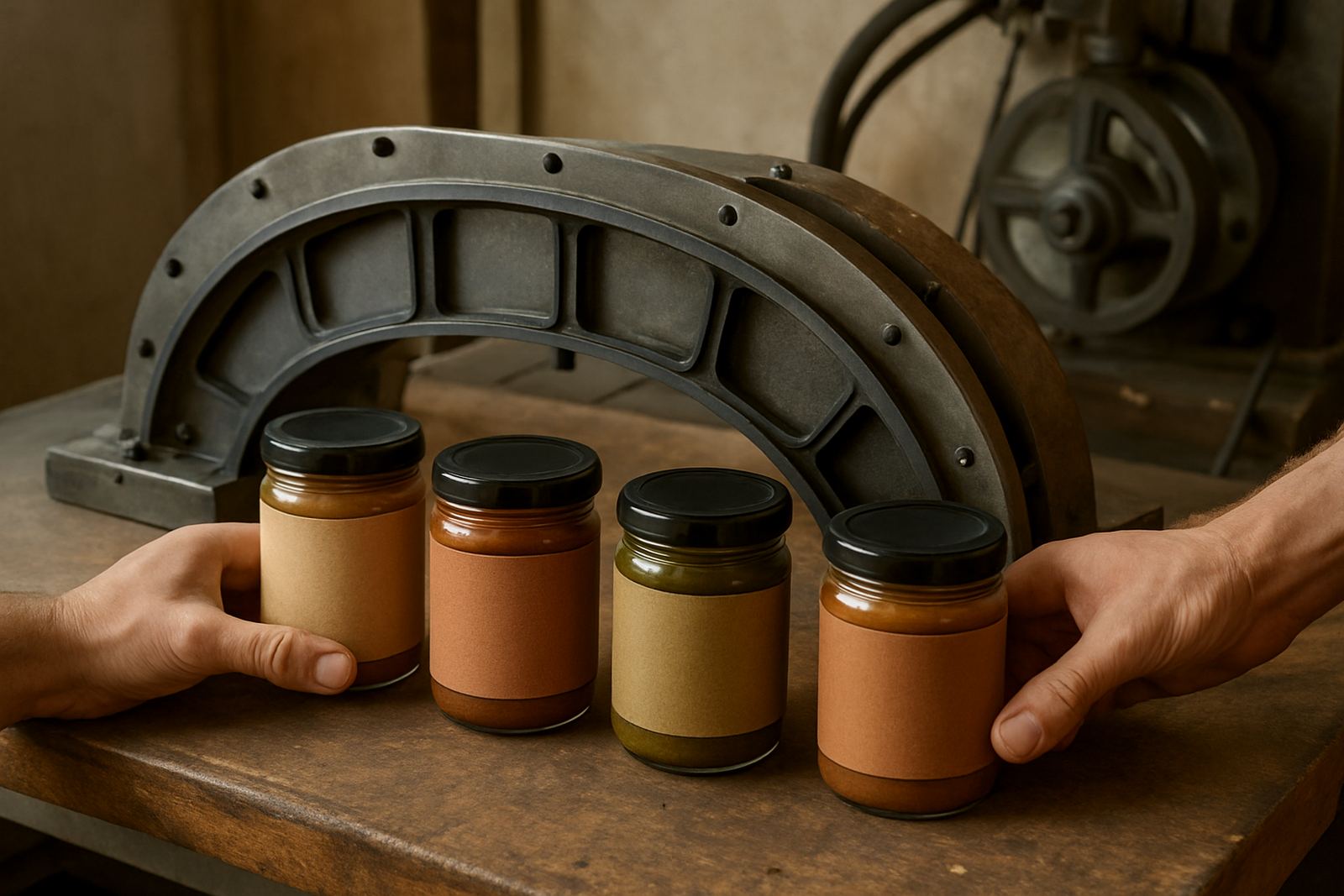
The client was a private-label converter working with a Bellville-based label programme that had to run several SKUs under one visual system. On paper the brief looked tidy, but the tooling tolerances were tight in production: every die had to hold the same outer geometry, repeat length and registration points so the full range would sit neatly on the press and on shelf. The job covered several label sizes, with the same artwork family carried across bottles, cartons and pouches.
They needed a supplier who could handle repeat matching, CAD proofing and urgent remakes without making the production team wait for weeks. The programme also had to suit local print conditions, including short windows for production, pressroom adjustments during load-shedding and the usual changes in humidity that can affect web tension and adhesive performance in the Western Cape.
- Location: Bellville, Cape Town metro
- Programme type: private-label family
- Output: matched sizes across multiple variants
- Supply point: Wadeville, Germiston
What the production constraints asked for
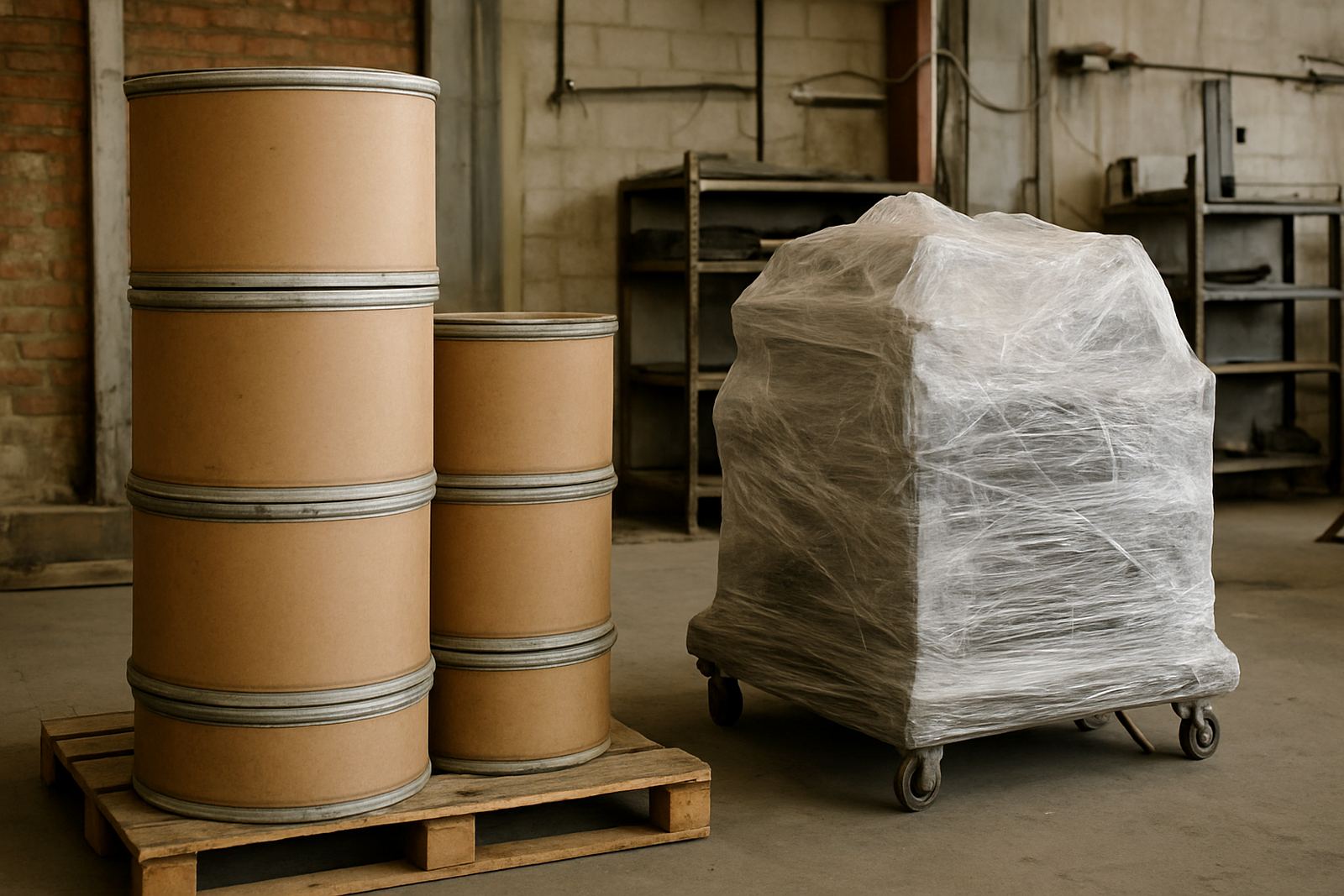
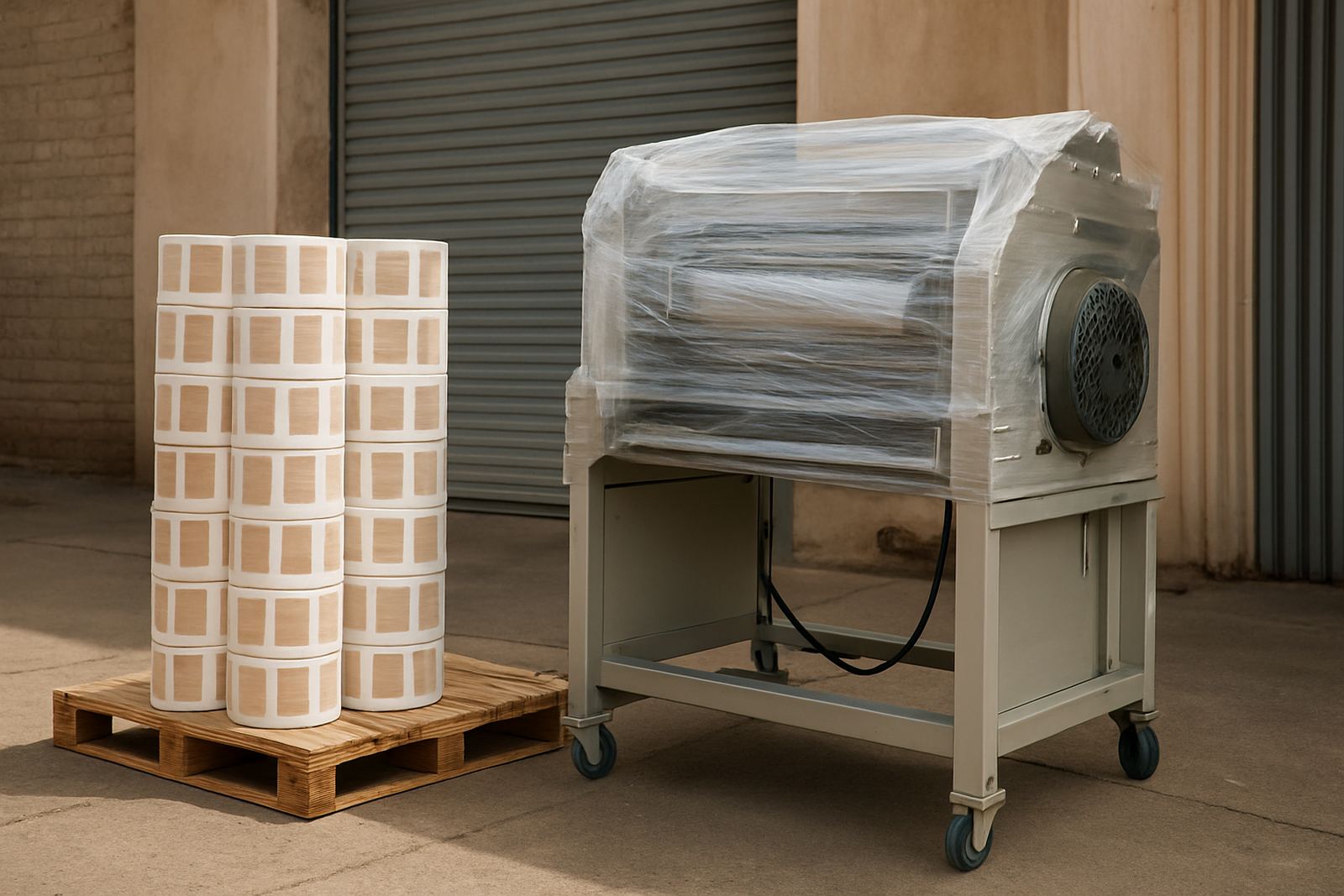
The biggest constraint was consistency. The customer could accept small artwork changes between variants, but not drift in the die geometry. Each tool needed accurate bearer setting, controlled clearance and repeatable cylinder setup so the press team could switch from one size to the next without fighting registration. They also wanted packing that protected the cutting edges during transport to Bellville, with clear labelling for each variant.
Because the programme ran on a fixed launch window, we worked to a short lead time and kept the design process tightly controlled. The team needed a setup that would still perform after repeat runs, not only on the first order. That meant checking the magnet fit, confirming the cylinder condition, and matching the set across all variants before release. A small error at this stage would have multiplied across the whole family, so the tolerances were kept very close.
- Need: repeatable die size and position across variants
- Required: press-ready cylinder and magnetic fit
- Concern: transport damage and handling during dispatch
- Target: fast production without losing consistency
Our supply: rotary dies, flexible dies and cylinder support
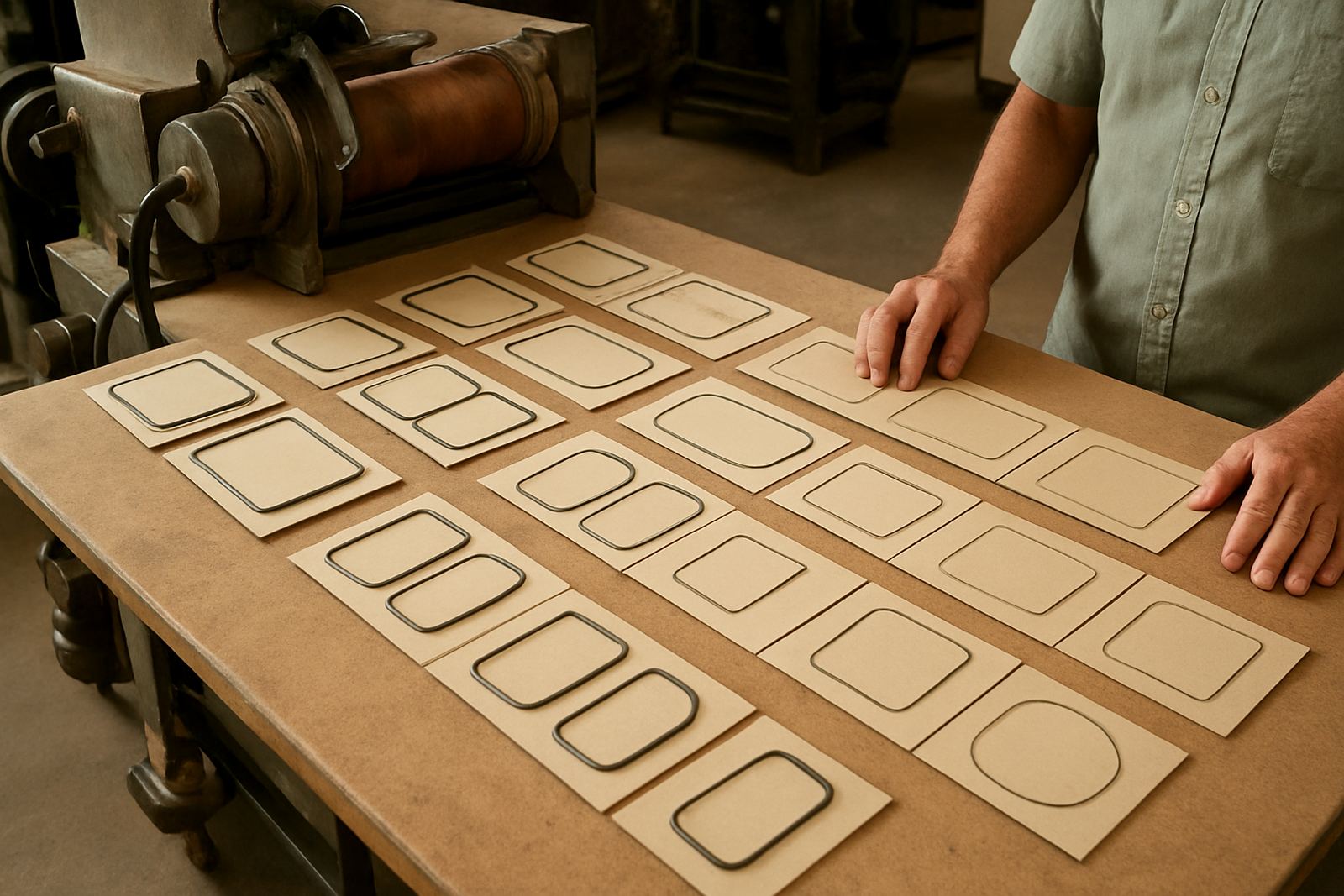
We supplied a mix of rotary solid dies and flexible magnetic dies, depending on the run length and the press setup used by the converter. Where the job needed fixed repeat performance, we built and checked the magnetic cylinders as part of the set. Nirasha handled the CAD proofing, while Marius and Thandiwe reviewed the tool path, cutting profile and release sequence before production was signed off.
For the longer-running variants, the rotary solid dies were chosen for durability and stable cutting over repeated use. The flexible magnetic dies were used where the line needed quicker changeovers and lower handling time. We also completed magnet checks, bearer setting and repeat matching so the sizes stayed aligned from one SKU to the next. Siyanda managed the machine shop work, and Anele coordinated packing and dispatch so the tools left Wadeville in the correct order.
- Rotary solid dies for repeated production runs
- Flexible magnetic dies for quicker changeovers
- Magnetic cylinder checks and refurbishment where needed
- CAD proofing before manufacture and release
Timeline: three weeks from proof to dispatch
The full project ran over three weeks. Week one covered design intake, CAD proofing and size confirmation. Week two was the manufacture stage, including die cutting, cylinder preparation and checks on fit and bearer height. Week three covered final inspection, packing and delivery coordination to the Cape Town side, with Bellville deliveries scheduled to match the customer's receiving times.
This timeline gave the client enough room to review the proofs without delaying their production slot. It also allowed for one small revision to a variant that needed a slightly tighter repeat match. That adjustment was done before dispatch, so the press team did not have to stop and sort it out at their end. The project stayed within the planned window and no extra turnaround was needed after release.
- Week 1: brief, CAD proofing and size confirmation
- Week 2: manufacture, cylinder prep and setup checks
- Week 3: final inspection, packing and delivery
- Revision count: one minor adjustment before dispatch
Results on press and in the packing room
Once the tools were on press, the private-label range held its alignment well across the variants. The converter reported cleaner changeovers between sizes and less time spent on adjustment at startup. Because the dies had been matched as a family rather than built one-by-one, the line kept a consistent look across the full programme and the packing room could separate the SKUs with less confusion.
From a production point of view, the main win was predictability. The cutters performed to the same tolerance across the range, which reduced waste on initial setup and kept the run moving. The client also appreciated having one supplier handle design, machining, checks and dispatch under the same job number. It cut down on back-and-forth and kept the private-label launch on schedule.
- Cleaner setup between variant changes
- Less waste on startup sheets and early runs
- Consistent label family appearance across SKUs
- Lower admin load for the converter's team
What we would repeat for a similar Bellville order
For another Bellville private-label set, we would still start with the approved proof, move into manufacture only after that, and check fit against the full SKU pack before packing.: proof first, then manufacture, then a final fit check before packing. That sequence suits private-label programmes where a small change in one variant can affect the rest of the set. We would also keep the dispatch labels simple and grouped by SKU so the receiving team can unpack and stage the tools quickly on site.
For Bellville and the wider Cape Town region, we would keep an eye on dispatch timing around public holidays, coastal humidity and the client's production calendar. If the programme needs fast turnaround we can prioritise urgent remakes, but it is still better to verify the repeat and magnet condition early. That way the press team gets a set that works first time and keeps working on the next run, not just the first one.
- Keep proofing and repeat matching at the start
- Group dispatch by SKU for easier receiving
- Plan around humidity and holiday lead times
- Check magnet condition before every repeat order
Key facts
| Project type | Private-label family |
|---|---|
| Town | Bellville, Cape Town |
| Tools supplied | Rotary solid dies, flexible magnetic dies, magnetic cylinders |
| Lead time | 3 weeks |
| Core services | Die Design, CAD Proofing, Repeat Matching, Packing And Dispatch |
| Base and supply point | Wadeville, Germiston |
| Tolerances | Set to tight production repeat standards |