Kempton brief for export labels and reruns
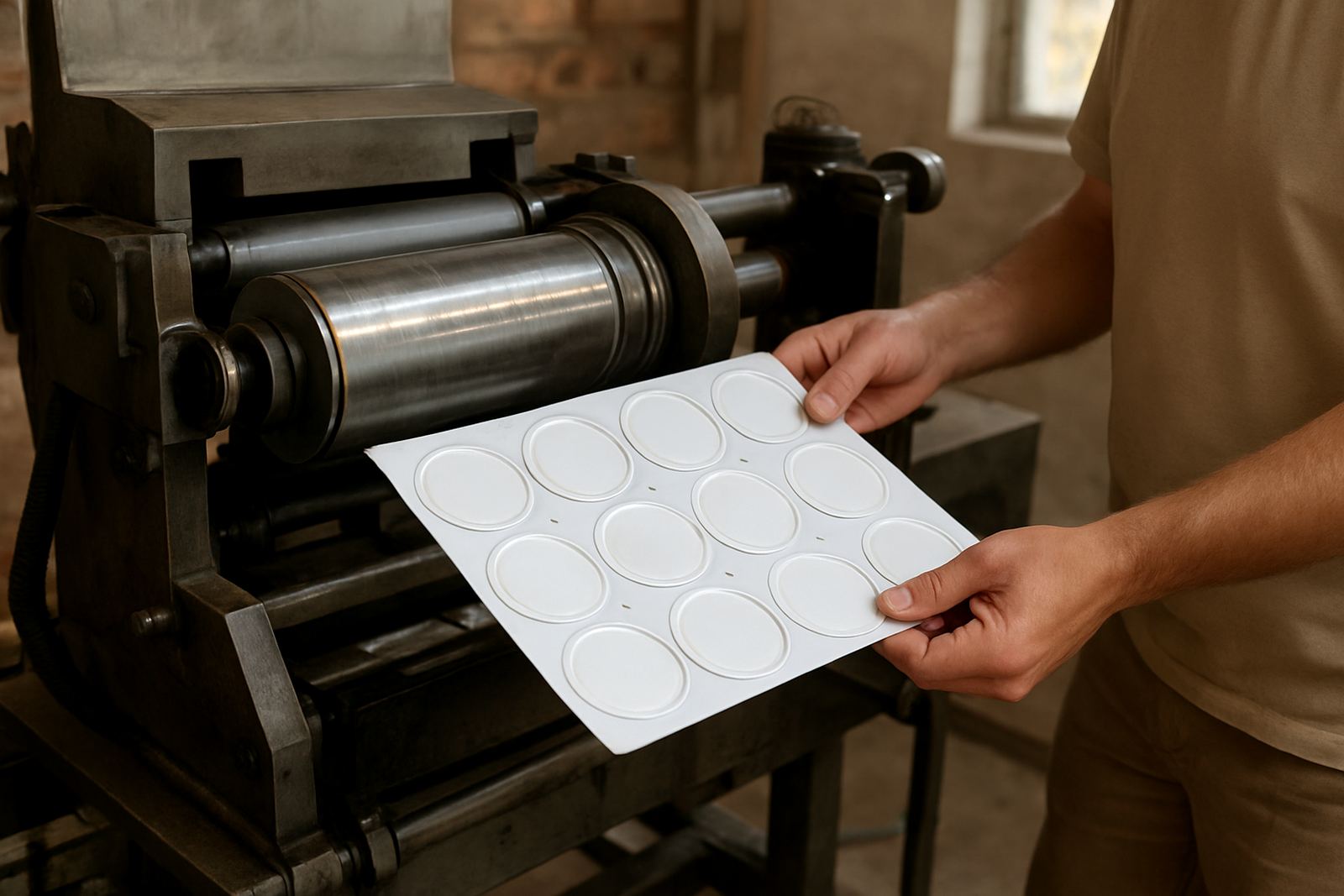
The job came from a label converter in Kempton Park handling export work for packed goods moving through Gauteng and out to harbour and airport channels. The brief was practical: supply tooling for a specific export label format, protect it for transport, and keep enough repeat information on file so the same label could be remade without starting from scratch.
The customer wanted reliable cut quality, good edge definition, and tooling that would hold tolerance over repeat runs. They also needed the pack to survive local courier handling, warehouse stacking, and the usual bumps that come with moving precision parts across town or further afield. The order was time sensitive, because export labels are often tied to dispatch dates and client booking windows, so delays can quickly become costly.
We worked from the label layout and the press details supplied, then checked the conversion method, material build-up, and likely wear points before confirming the tooling spec. The focus was not only on making the die, but on making sure the whole job was ready for the next repeat with as little guesswork as possible.
What was supplied for the tooling pack
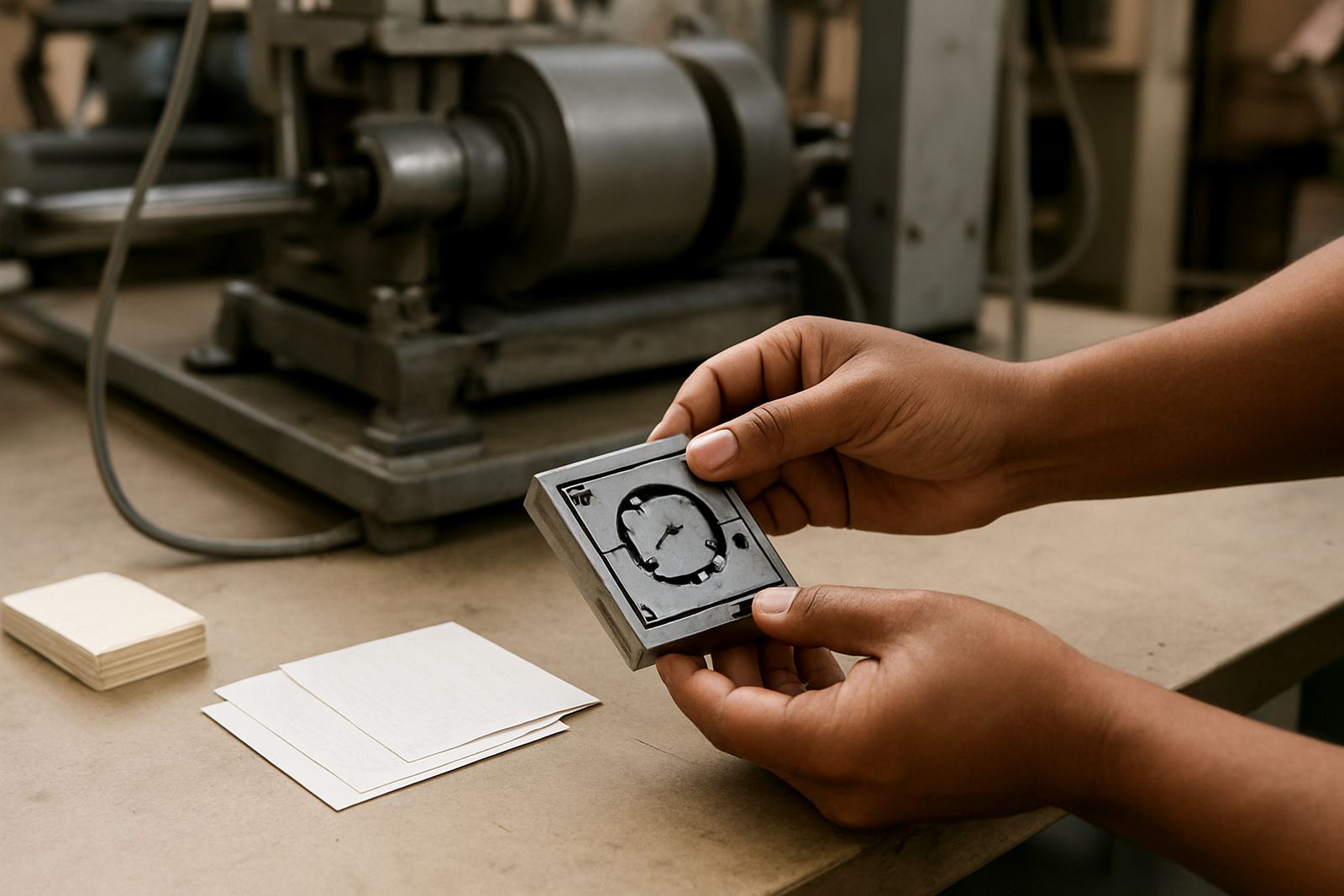
We supplied rotary and flexible magnetic die components suited to the production method in use, together with repeat records and packing notes for future reruns. The aim was to give the client one clean file trail and one clean physical set of tooling, so the same export label could be brought back into production with confidence.
- Rotary solid die tooling made to order for the specified label shape
- Flexible magnetic die support for the production setup
- Repeat record notes covering size, cut depth and setup reference
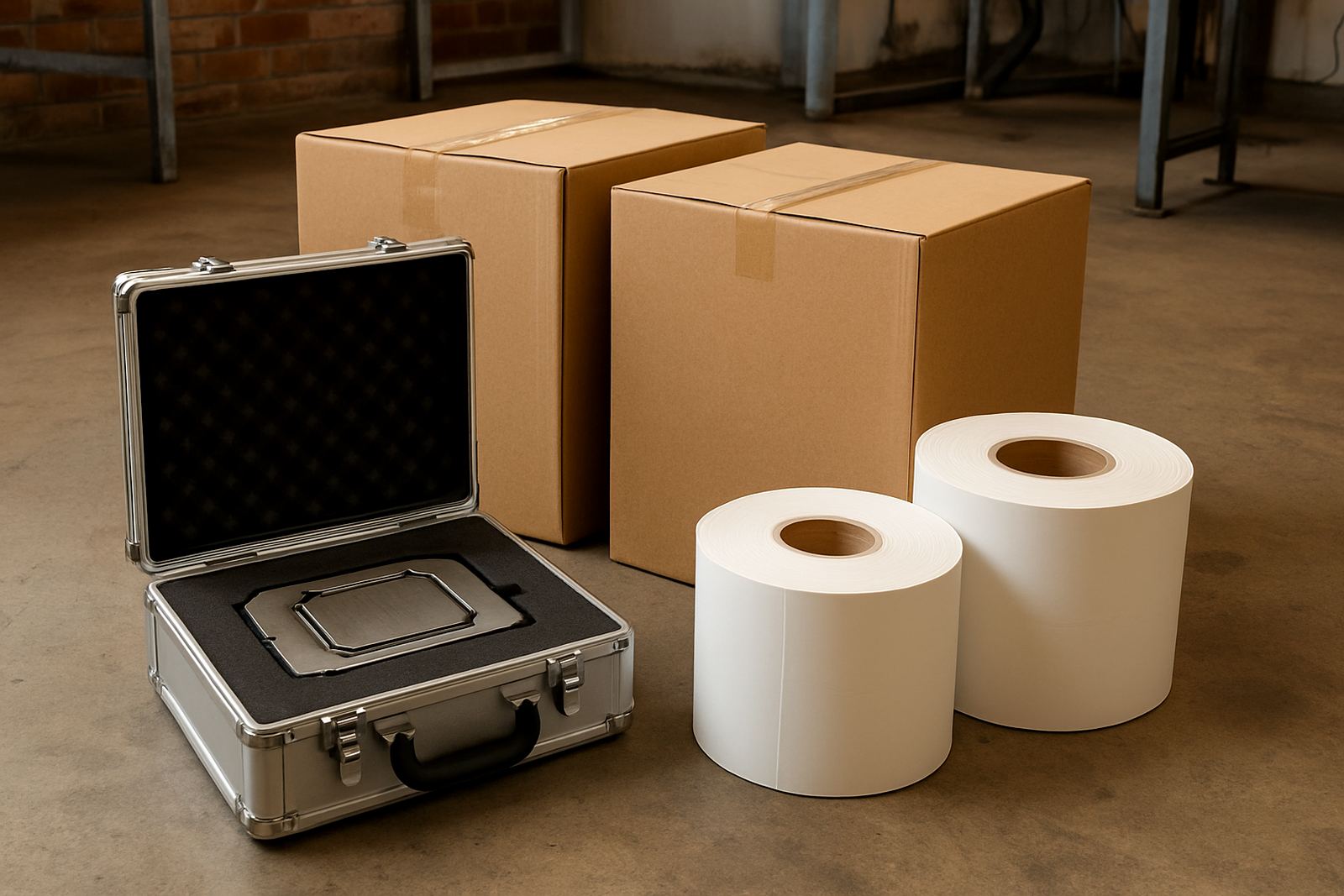
- Packing for safe shipment to protect cutting edges and mounting faces
- Dispatch coordination from Wadeville, Germiston to the client site
Where required, we also included practical advice for handling and storage. Export label work can sit in stores for weeks between runs, and in humid or dusty conditions a little care goes a long way. That means keeping tooling clean, dry and properly wrapped, especially if it will travel between a Kempton print room, a warehouse, and a satellite site in another province.
Measuring, proofing and tolerance control
This type of order lives or dies on detail. Before cutting, we ran the artwork through CAD proofing and checked the repeat against the press format so the label would register correctly on production. We also verified the bearers and setting references where needed, because a small mismatch there can throw off cut depth or cause premature wear.
The key facts we worked to were straightforward: a repeatable cut profile, consistent edge quality, and tooling that matched the stated substrate. In practice, that meant paying close attention to tolerance, alignment and the finishing of the working surfaces. The client needed the tooling to perform on export stock without ragged edges, lifted corners or waste from unnecessary test runs.
We also checked the likely impact of local conditions. In Gauteng, dust and temperature swings can affect storage and handling. On some lines load-shedding still affects planning, so it helps when a press team knows exactly what tooling is going onto the machine and what setup notes go with it. That saves time when the line comes back on, and reduces the risk of errors during a rushed start-up.
Packing for transport and safe handover
Because the job had to travel safely, we treated packing as part of the supply, not an afterthought. The tooling was cleaned, protected and packed in a way that reduced movement in transit. Sharp edges and working faces were secured so the parts could not knock together or pick up damage during courier handling.
- Protective wrapping around cutting surfaces and mounted faces
- Secure inner packing to stop movement during transport
- Clear identification for each tooling item in the set
- Repeat records included with the shipment for future reference
That handover matters as much as the machine work. If tooling arrives nicked, bent or mixed up, the whole schedule slips. We’ve seen how one damaged corner can lead to extra press checks and wasted substrate, so the pack was arranged to arrive ready for installation, not for repair. It is basic discipline, but it makes a proper difference.
Timeline, from instruction to dispatch
The project ran over a short, controlled lead time. Once the brief and artwork were confirmed, we completed the proofing, production and packing within two weeks. That timeline included checking the repeat details, machining the tooling, verifying the finish, and preparing the packed set for delivery coordination.
For a tight export schedule, two weeks is a practical turnaround when the information comes in clearly and the tooling spec does not need major revision. It also gave the client enough time to plan the press slot, arrange stock movement, and line up dispatch without leaving the job to the last minute. We kept the process simple and direct, which is usually the safest route on work like this.
The result was a clean shipment with repeat data on hand for the next production cycle. The client could move ahead with the export order, and when the label comes back for a rerun, the setup record is already there. That cuts repeat admin and reduces the chance of setting errors on a later job.
What we would rerun on the next rotary die order
If we were doing the job again for the same Kempton customer, we would follow the same approach: confirm the layout early, lock in the tolerance requirements, and keep the repeat pack complete from the start. That is the best way to avoid delays when export work is tied to a shipping date or warehouse deadline.
We would also keep the packaging method the same, because it proved suitable for transport from our Wadeville base to a busy industrial area like Kempton Park. For future reruns, the most useful additions would be any press-side notes from the first run, including setup changes, wear observations, or any small adjustments made by the operator. Those notes are often the difference between a quick restart and a morning of trial and error.
In short, the project did what it was meant to do: supply precision label tooling, protect it in transit, and leave a repeat trail that can be used again later. For export labels, that is exactly the kind of practical paperwork and shopfloor discipline that keeps production steady, especially when orders need to move fast and the client cant afford avoidable rework.
Key facts
| Client type | Kempton Park label converter handling export labels |
|---|---|
| Project scope | Rotary solid die, flexible magnetic die and repeat records |
| Lead time | 2 weeks from confirmed brief to dispatch |
| Key need | Safe shipment with setup notes for future reruns |
| Service focus | CAD proofing, die design, packing and dispatch |
| Service area | Kempton Park with supply from Wadeville, Germiston |