What the Midrand brief asked for
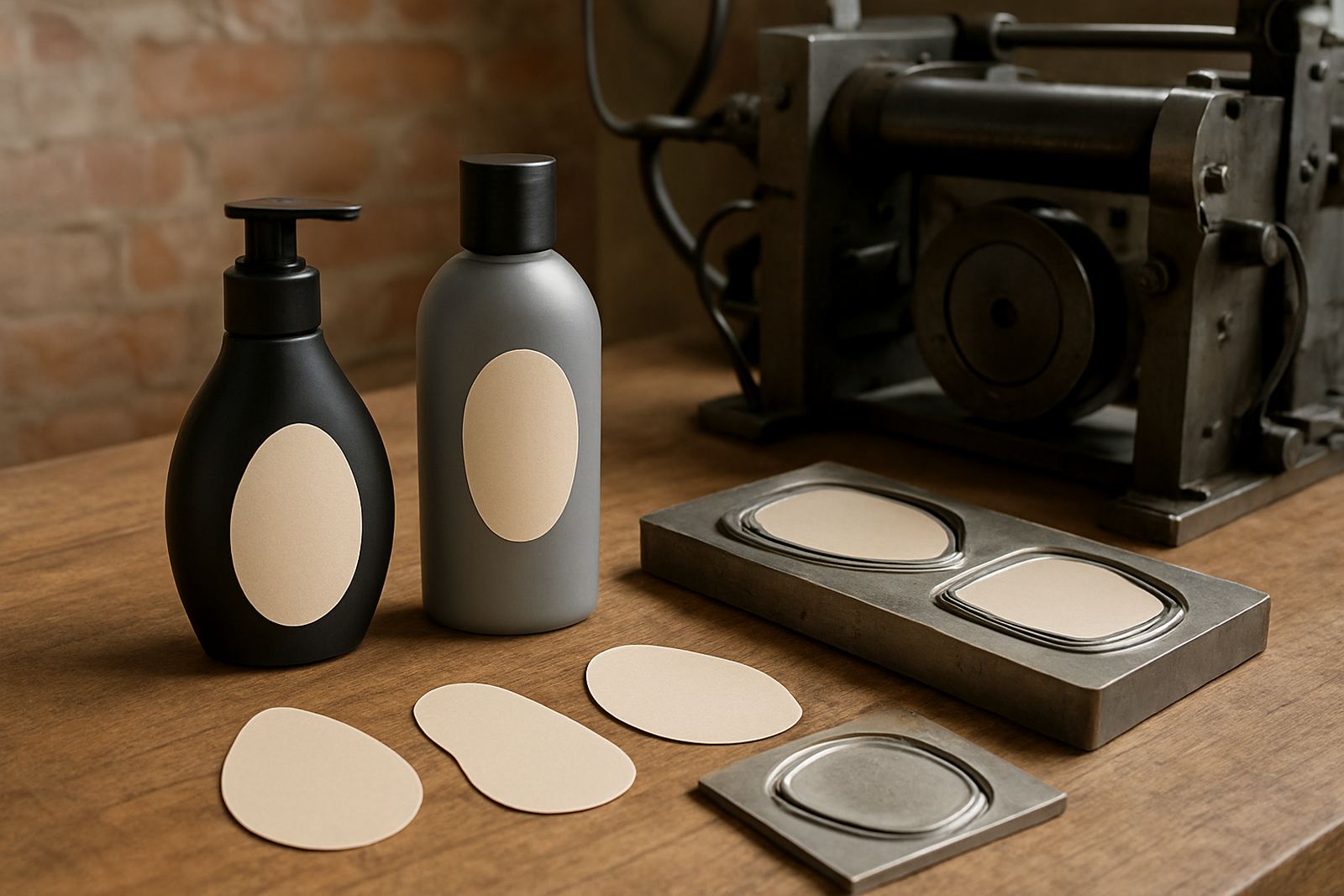
The job came through from a cosmetics converter working for a Midrand brand with a premium product line packed in curved plastic containers. The label shape was not a standard rectangle, and the artwork carried fine text, small decorative elements and a wrap that had to meet at a fixed point without a visible step. The client wanted a tooling package that could hold tolerances tightly and still run cleanly at production speed.
The brief was practical: reduce web waste, keep the cut edge crisp, and protect print detail during converting. The label had to sit square on the pack even where the container wall curved away, which meant the die profile and bearer setting needed careful attention. In cosmetic work, small errors show up straight away and the customer had no room for a wandering cut or poor repeat.
- Client type: cosmetic label converter serving a Midrand brand owner
- Label style: curved wraparound label with fine registration marks
- Finish target: premium shelf presentation and clean edge definition
- Production need: repeatable tooling for ongoing batches
Tooling constraints on a curved pack
Curved containers bring a few familiar problems. The label stock needs a clean release from the die, the cut must stay consistent across the cylinder, and the registration cannot drift when the press is running at speed. Add in local humidity and a long production day and you can see why the tooling detail matters. For this project, the converter also needed dependable repeat matching for later orders, not just a one-off solution.
We checked the artwork against the finished pack size and looked at how the label would behave on the container shoulder. The press conditions in Gauteng can change through the day, especially during load-shedding recovery and when the workshop temperature shifts. So we planned the tooling with enough accuracy to keep a stable cut and a reliable repeat, even if the run was split across shifts.
- Fine registration points checked against the printed repeat
- Cut profile matched to the container curve and label sit
- Allowance made for press speed, stock movement and reorders
- Support planned for future repeat jobs using the same specification
What we supplied and how it ran on press
For the Midrand run, we supplied made-to-order rotary solid die tooling and matching magnetic support where needed for the press setup. The die work was produced from the approved CAD proof, then checked again before dispatch. Nirasha handled the drawing control and proofing, while Siyanda and the machine shop team managed the cutting and setup work in Wadeville, Germiston. Thandiwe oversaw production flow and Ruhan handled the technical questions from the converter.
We paid close attention to the practical job details that keep a converting line moving. Bearer setting was checked to help maintain pressure consistency across the web, and the repeat was matched so the cutter would track cleanly over the print. Where the customer wanted a spare for urgent remake cover, we flagged the option and kept the spec on file for future use.
- CAD proofing completed against the supplied artwork and pack dimensions
- Die profile set for the curved label shape and clean edge release
- Bearer setting checked to support even pressure across the run
- Repeat details stored for quick remakes and future orders
Timeline from approval to delivery
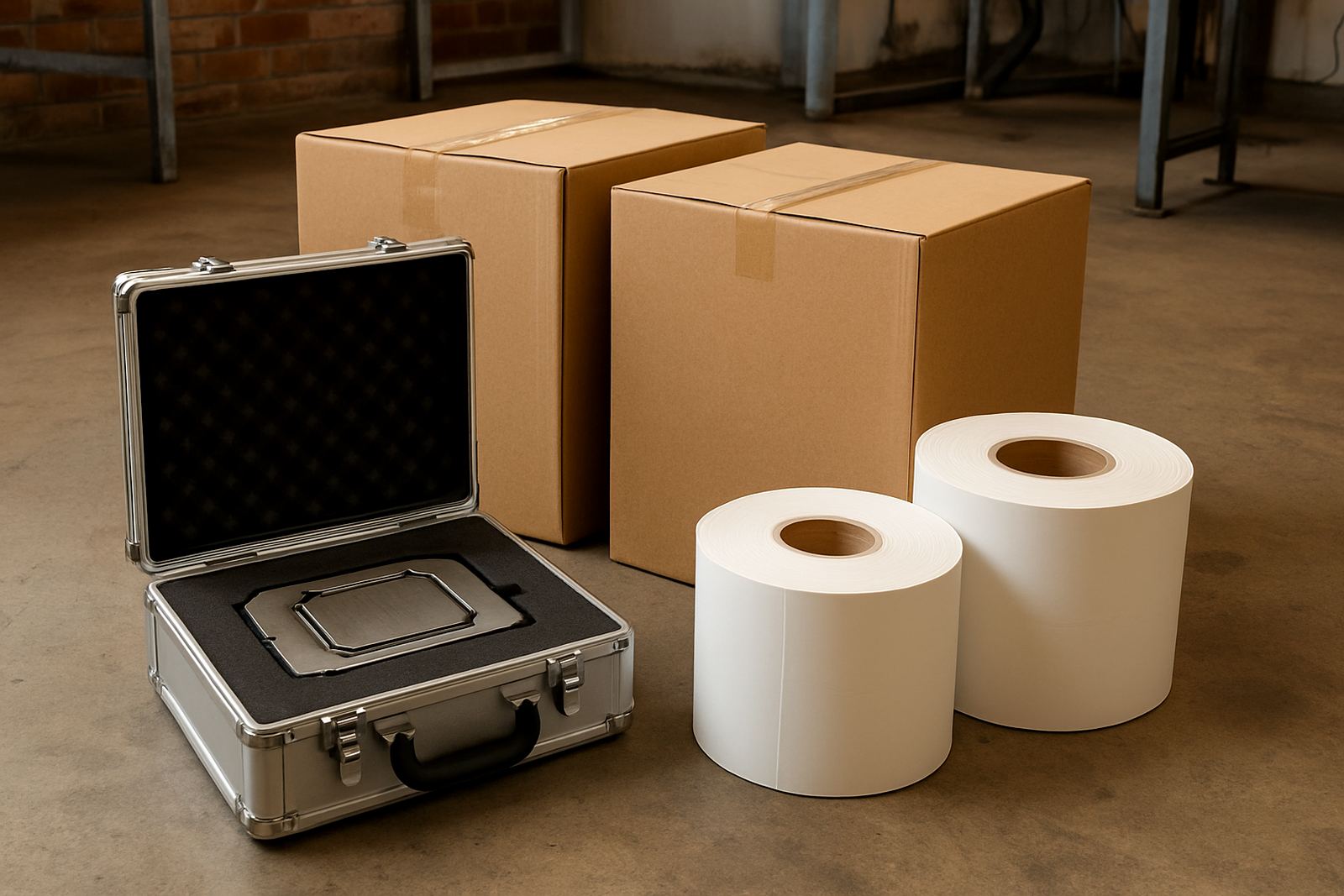
The full turnaround took just under three weeks from final artwork approval to delivery coordination. Week one covered proofing, checks and sign-off. Week two covered manufacture, setting and internal quality checks. Week three covered packing, dispatch and delivery planning to keep the line supplied without unnecessary delay. That timing suited the converter because they had a scheduled production slot and needed to avoid stoppages between pack changeovers.
Our dispatch side kept the job moving, with Anele coordinating packing and delivery so the tooling reached the right place in time for the press booking. For clients in and around Gauteng, this kind of planning matters because a missed slot can mean downtime, and downtime costs money. The same approach works for Johannesburg, Pretoria and the wider central corridor where short notice production is common.
- Week 1: artwork review, CAD proof and approval
- Week 2: manufacture, checking and setup verification
- Week 3: packing, dispatch and delivery coordination
- Outcome: on-time delivery for the booked production window
How the run performed on press
Once the tooling was on press, the converter reported a stable cut and a cleaner registration window than they had been getting on the earlier tooling. The label sit on the curved pack was more consistent, which helped the cosmetics product look sharper on shelf. The operator also had less adjustment during the run, so the line stayed productive and waste was brought down.
The result was not just about appearance. Better cut control meant fewer rejects at inspection, and the repeat stayed reliable across the planned batch. That is important in cosmetic packaging where colour, position and finish all need to line up. The client was able to complete the run without an unscheduled remake, and the tooling held up well through the production slot.
- Cleaner label edge and better shelf appearance
- More stable registration through the run
- Less operator adjustment once the press was set
- Lower reject risk on inspection and packing
What we would repeat on the next cosmetic order
If we were doing this job again, we would follow the same process from proof to press support, with the same focus on pack geometry and repeat matching. For cosmetic work, that discipline saves time later. We would also recommend a fresh press check before each repeat order, especially if the client is running in Durban humidity, Cape Town wind exposure or a mixed shift pattern in Gauteng, because those conditions can affect stock handling and press behaviour.
For the next order, we would keep the approved specification ready for a fast remake if the customer needs one. That includes the cutter profile, repeat data, bearer notes and dispatch details. It also makes future planning easier for converters serving Midrand, Johannesburg, Pretoria and the wider South African market. When the job is a cosmetic pack with a premium finish, consistency is what counts.
- Keep the same approved repeat for future batches
- Check press condition before each re-run
- Hold the specification ready for urgent remakes
- Coordinate delivery early if the production slot is fixed
Key facts
| Project type | Curved cosmetic label tooling for a Midrand production run |
|---|---|
| Tooling supplied | Rotary solid die with matched magnetic support |
| Tolerance focus | Fine registration and clean edge release |
| Turnaround | Just under 3 weeks from approval to delivery |
| Location | Wadeville, Germiston to Midrand with Gauteng delivery coordination |
| Team involved | Nirasha, Siyanda, Thandiwe, Ruhan, Anele and Marius |