A Pretoria Stockroom With Too Many SKU Variations
The client was a distribution and warehousing operation in Pretoria handling multiple product lines, each with its own label size, repeat count and print requirement. Their production team needed a better way to keep track of cutters and cylinders for pallet labels, carton labels and smaller identification labels without mixing up the formats between runs.
The brief was practical from the start: reduce order confusion, keep dimensions consistent from repeat to repeat, and make sure the tooling suited South African label converting conditions where turnaround time and accuracy both matter. The team also wanted a clearer system for matching tooling to each SKU so reorders could be checked quickly by production and dispatch staff.
We treated the job as a repeat-order control project, not only a tooling supply job. That meant checking artwork references, confirming print direction, locking in tolerances and giving the client a set of tooling notes they could use every time the same label came back for print.
What Had To Work Around The Pressroom Reality
The main constraint was variety. The labels were not all the same size and some of the artwork had to fit existing packs, cartons and handling rules already used on the warehouse floor. A second issue was repeatability, because the client wanted the next order to match the first without delays caused by rechecking basic dimensions.
There was also pressure from their production schedule. The Pretoria team needed tooling that could be kept ready for reorders, with enough detail in the records for the press crew to identify each format at a glance. We also had to allow for normal pressroom variables such as bearer setting, magnet condition and the small changes that can happen when jobs are moved between shifts.
- Multi-size label set covering several SKUs
- Repeat matching for future reorders
- Tooling notes for pressroom identification
- Allowances for fast changeovers between runs
- Clear packing and dispatch labelling for each item
The client did not want loose assumptions built into the job. They wanted measured facts, checked before cutting and recorded properly after approval. That approach saved time later, especially when the same formats were requested again.
Rotary Dies, Magnetic Cylinders And Matching Records
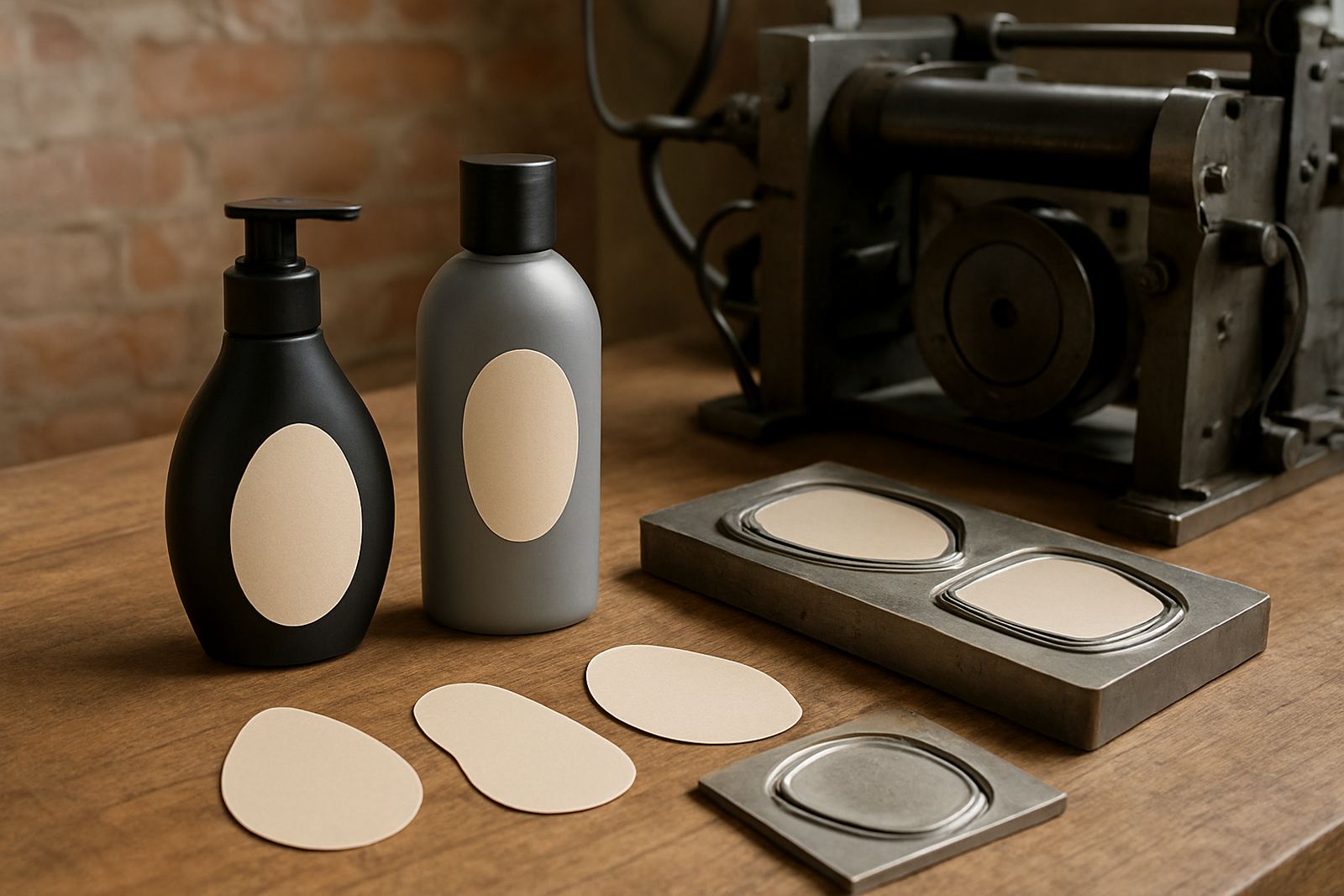
We supplied a mixed tooling package built around rotary solid dies, flexible magnetic dies and magnetic cylinders, depending on the SKU and press setup. Each item was made to order with precise tolerances and checked against the approved sizing before dispatch. Where the existing layout needed a repeat of a previous format, we matched it back to the stored reference and verified the critical dimensions again.
The work included die design, CAD proofing and practical production checks. Our technical team looked at cut depth, bearer setting and magnet condition before the final go-ahead. Because this was a logistics client, we also paid attention to label handling on the warehouse side, making sure the final tooling would support clear print, easy identification and dependable run consistency.
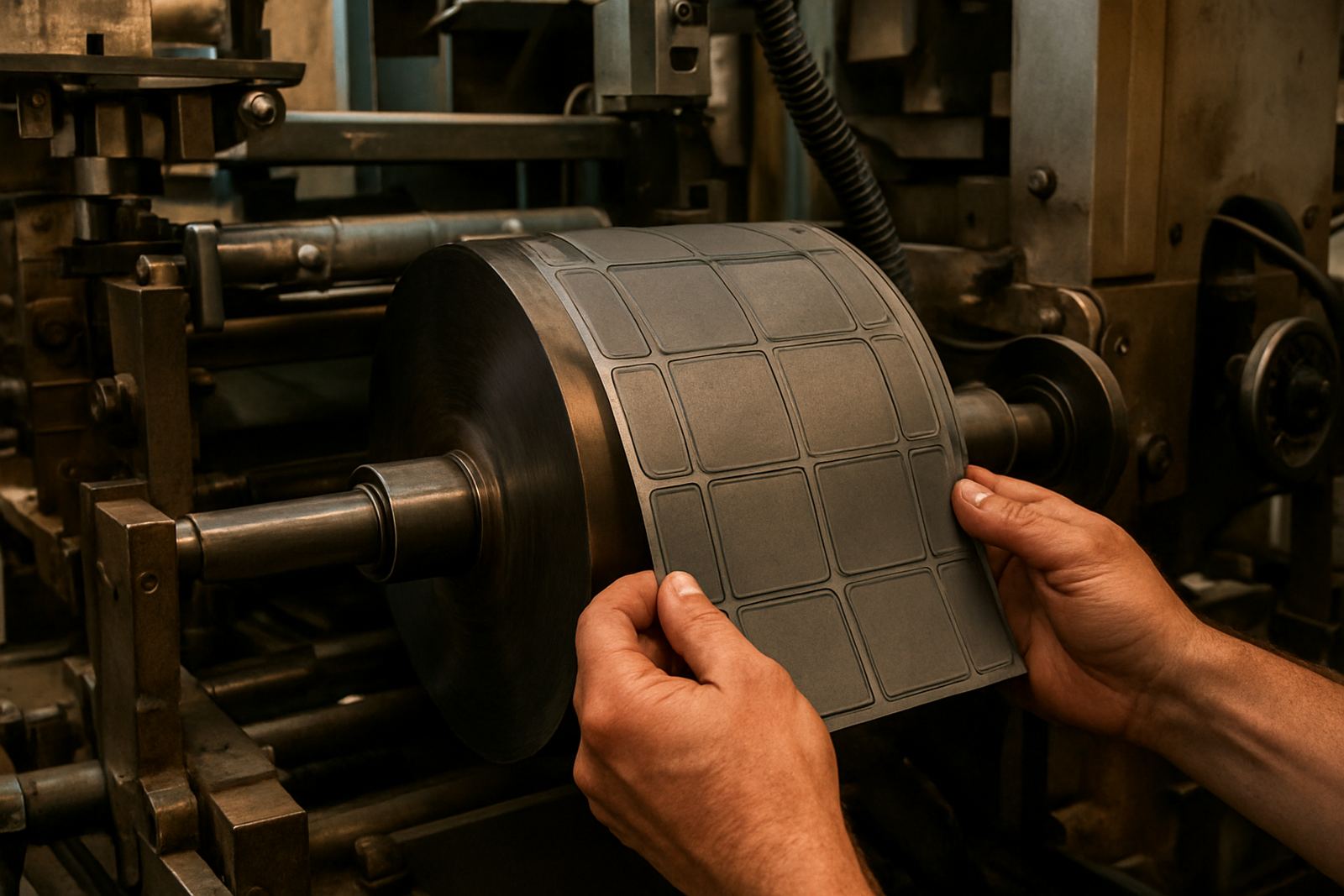
For the larger repeat jobs, the magnetic cylinders were set up to support stable conversion across the production run. For smaller or more frequent changes, the flexible magnetic dies gave the client a quicker route to reset the line without losing accuracy. That balance helped the team keep separate SKUs under control without overcomplicating the pressroom.
- Rotary solid dies for higher volume label sets
- Flexible magnetic dies for selected repeat jobs
- Magnetic cylinders matched to press requirements
- CAD proofing before manufacture
- Repeat matching against the stored job record
Timeline From Brief To Dispatch In Three Weeks
From first brief to final dispatch, the Pretoria logistics job moved through three weeks of sizing, manufacture, checking and packing. Week one was sizing, artwork review and proof preparation. Week two covered manufacture, check measuring and setup verification. Week three was final confirmation, packing and coordination with delivery planning for Pretoria.
That time frame worked because the brief was given in a clear order and the client had one contact point on their side for approval. We kept the process moving by separating the work into measurable steps, so there was no confusion between the drawing stage and the shop-floor stage. It was not rushed, but it was tight enough to suit a live production schedule.
One of the useful parts of the timeline was the early proof check. It allowed the Pretoria team to confirm the important sizes before the tooling was cut, which cut out avoidable back-and-forth later. A small adjustment was made on one format, and it was handled before machining rather than after, which saved a lot of time.
Packing, Dispatch And Delivery Coordination For Pretoria
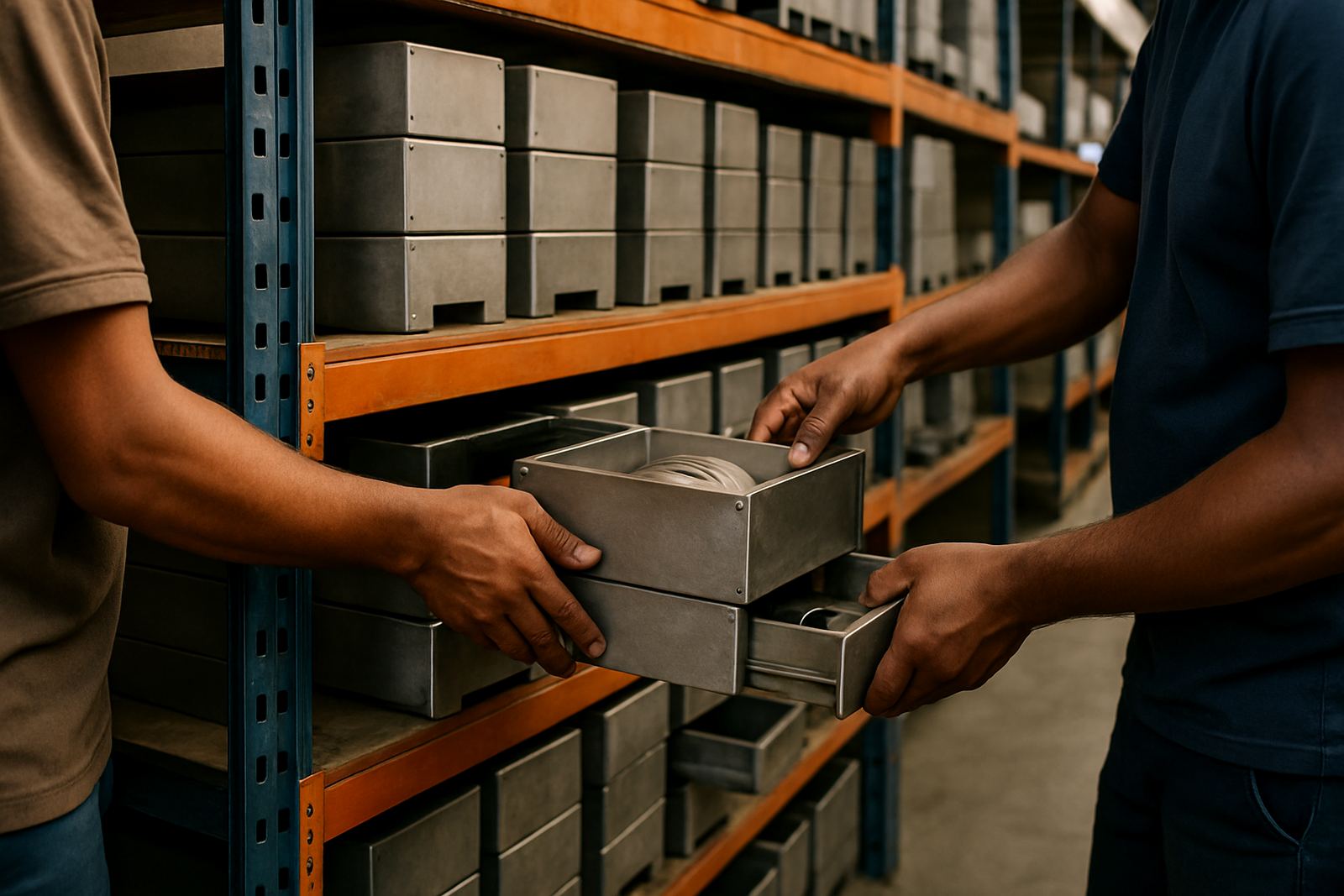
Once the tooling passed final inspection, we prepared each item for safe packing and easy identification. The client received a clearly marked set so the warehouse team could match each die or cylinder to the correct SKU without digging through mixed parts. That matters when several label sizes are in play and the production team needs to keep orders moving.
Our dispatch process also included delivery coordination for Pretoria, with the job planned so the client knew what was arriving and when. For a logistics operation, that kind of timing matters because it keeps incoming tooling from clashing with shift handovers, scheduled print windows or outbound freight loads.
- Protected packing for machine shop output
- Separate marking for each SKU and tooling type
- Delivery coordination for Pretoria receiving
- Clear handover notes for the production team
The client told us the labels were easier to organise after the first run because the tooling record matched the physical set. That made the receiving side simpler too, since the team could store and retrieve the correct item without second-guessing which cutter belonged to which code.
What Changed For The Client After The First Runs
After the first production runs, the main result was control. The Pretoria team could reorder the same labels with less checking, less confusion and fewer delays between approval and production. The tooling matched the brief, the repeat sizes held true, and the pressroom had a cleaner way of managing the different SKUs.
There was also a practical improvement on the floor. Changeovers were quicker because the team knew which cutter or cylinder belonged to each format, and the records were already in place for future repeats. That reduced the chance of a wrong item being issued from stores, which is often where time gets lost.
If we were doing the job again, we would follow the same method: measure carefully, proof early, group the tooling by SKU and pack each item with clear identification. For logistics work, that approach keeps things orderly and it helps avoid the small errors that can ripple through a busy label schedule.
In projects like this, the real win is not only the first delivery. It is the second and third reorder, when the client can say yes to the same size with confidence and keep the line moving without extra admin.
Key facts
| Client type | Logistics and warehousing operation in Pretoria |
|---|---|
| Job scope | Multi-size repeat-order tooling set |
| Tooling supplied | Rotary solid dies, flexible magnetic dies, magnetic cylinders |
| Tolerance focus | Precise sizing and repeat matching |
| Turnaround | 3 weeks from brief to dispatch |
| Service areas | Pretoria deliveries with Gauteng coordination |