What adhesive build-up does to a clean cut
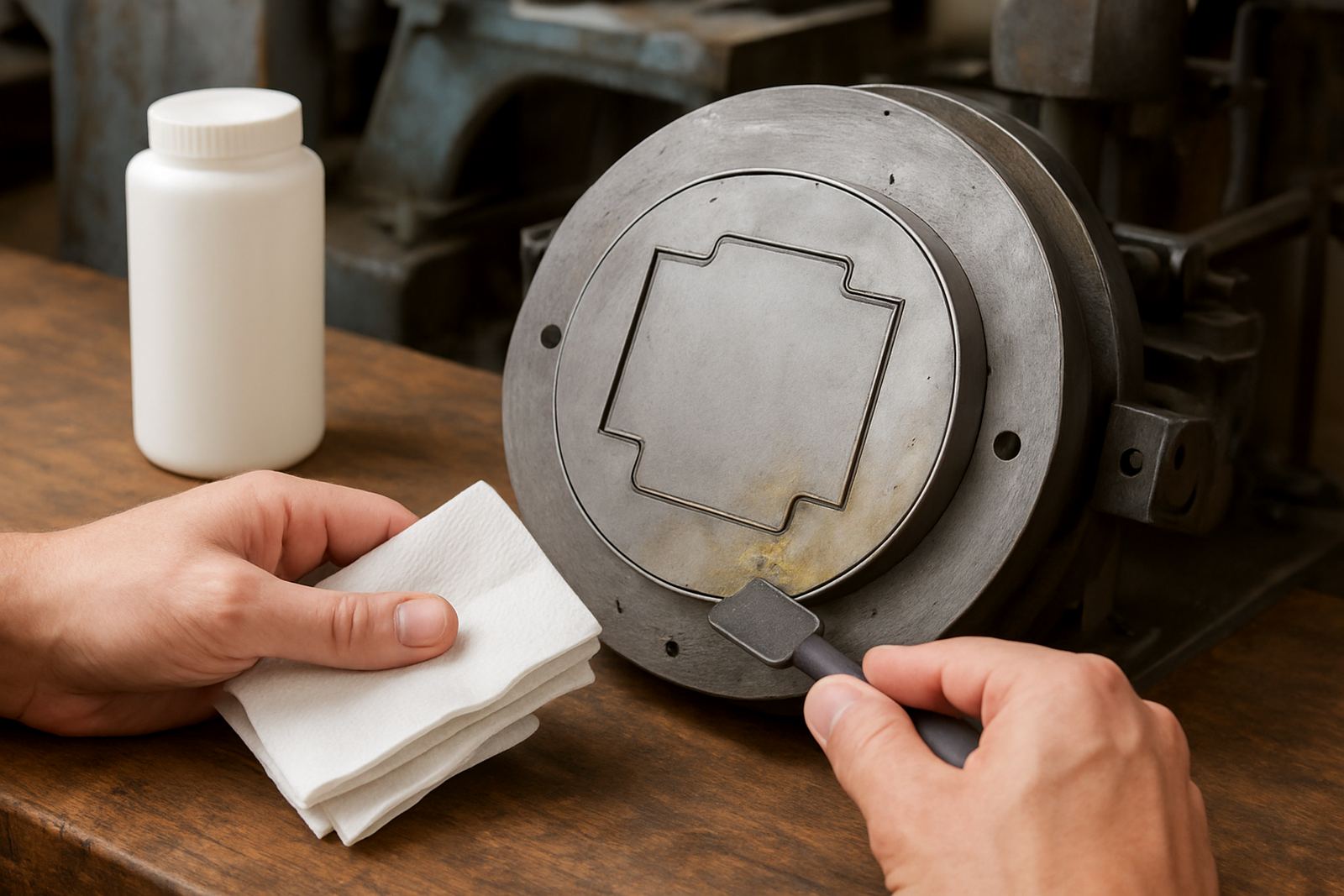
When adhesive transfers onto the cutting edge or the magnetic cylinder, the die stops behaving like a sharp tool and starts acting like a dirty one. The first sign is usually a cut that feels uneven, with labels not separating cleanly or needing extra pressure to release from the matrix.
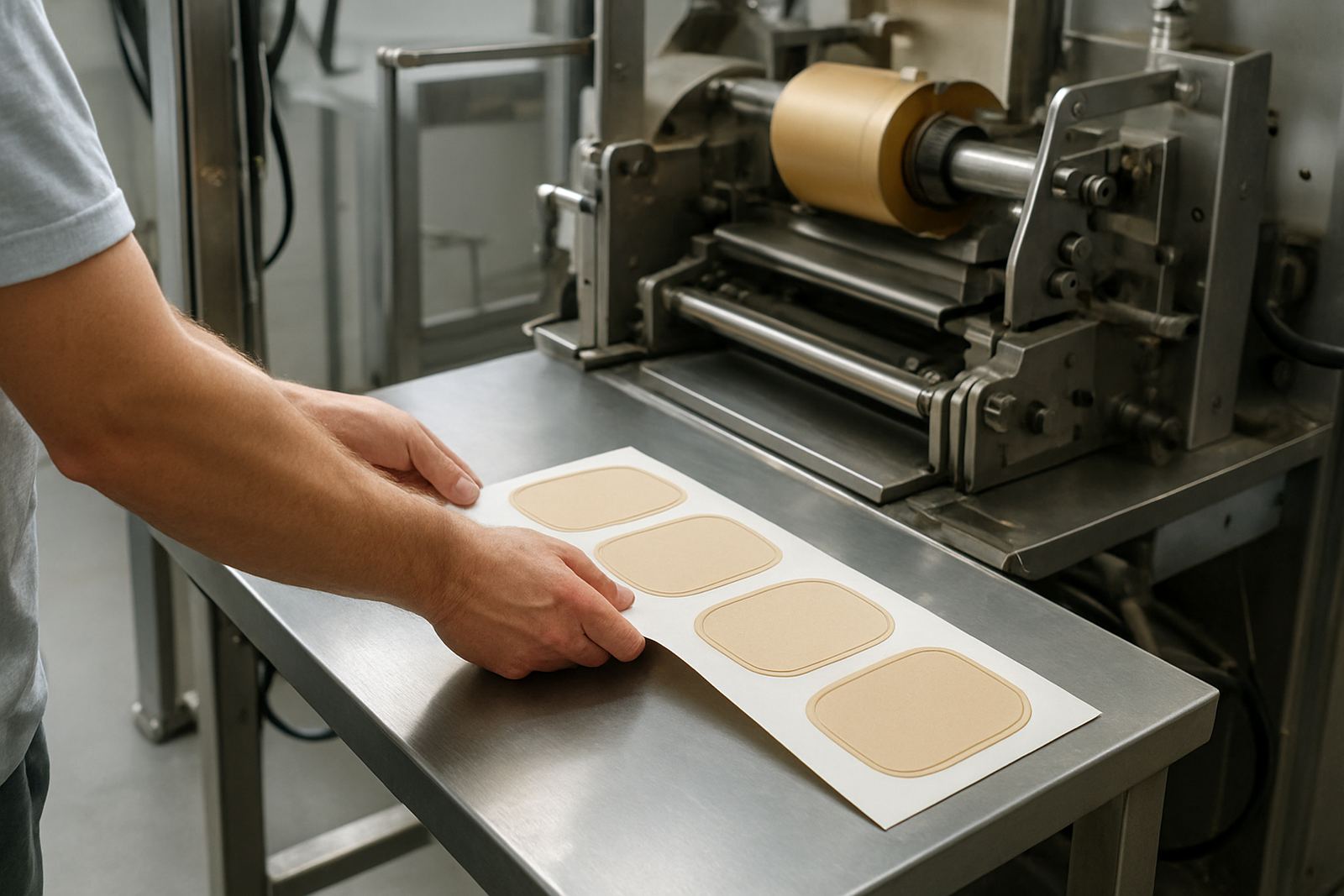
That extra drag can show up in different ways. Some lines start seeing feathered edges, some get ragged corners, and others get labels lifting out of register because the material is sticking where it should not. On pressure-sensitive work, especially thinner face stocks, build-up can also cause tiny bridges of adhesive that stay on the tooling and catch the next impression.
Early signs operators should watch for on the press
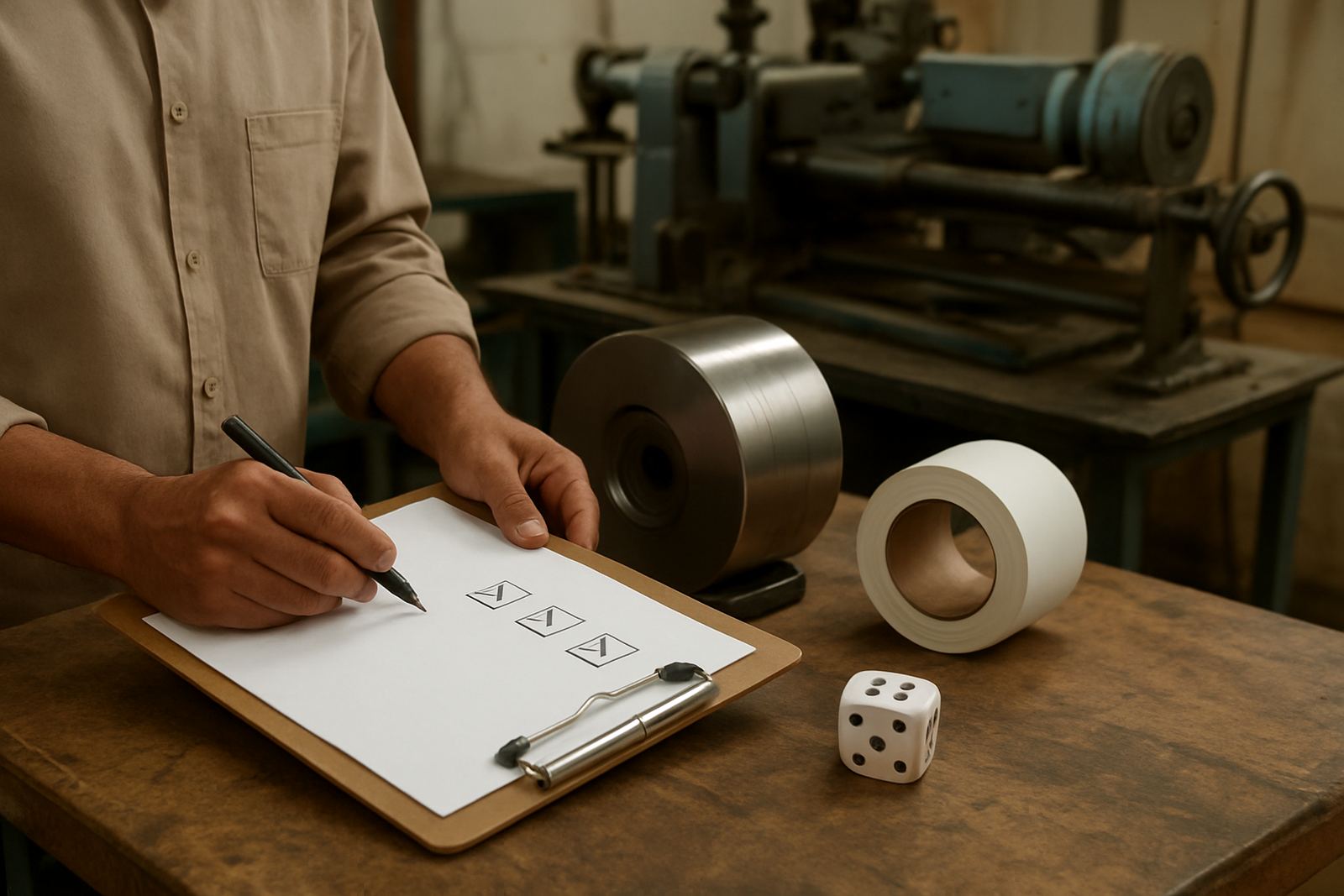
The best time to deal with build-up is before it becomes visible on every label. Experienced operators usually pick it up by feel and sound before the print manager sees the waste pile growing.
- A slight tacky feel when inspecting the die edge or cylinder face
- More frequent stoppages to wipe down tooling
- Labels that need higher pressure to cut through cleanly
- Small bits of adhesive collecting at the same point on every repeat
- Matrix lift becoming uneven on the left or right side
It is worth checking whether the issue appears after a specific roll, a certain adhesive type or a change in room temperature. In winter some Gauteng plants run drier, while coastal sites in Durban or Gqeberha can see moisture and heat change the way a stock behaves, so the same setup may not stay clean for long.
Why build-up happens more often than people expect
There is usually more than one cause. A dull cutting edge is a common one because a blunt edge can heat the adhesive and smear it instead of slicing cleanly. Excess bearer pressure or poor setting can do the same thing by forcing the tool to work harder than it should.
Material choice matters too. Some label facestocks, laminates and glue systems are more prone to transfer, especially on fast runs or where the web tension is not stable. Dust, die debris and old release liner residue can make matters worse. Once contamination starts, it can spread from one station to the next if the line is not cleaned properly.
- Worn or damaged cutting edges
- Incorrect bearer setting or cylinder pressure
- Heat build-up on long runs
- Adhesive formula not suited to the stock
- Poor housekeeping around the machine
How to reduce build-up before it costs a job
Good prevention starts with consistent checks. Operators should inspect the die and cylinder at set intervals rather than waiting for a fault to show up in the product. A quick visual check during roll changes can save a lot of waste later.
Cleaning should be done with methods that suit the tooling and the job. Harsh scraping can damage a fine edge and make the problem return faster. If a rotary solid die or flexible magnetic die is leaving repeat marks, it may need regrind, reset or a proper inspection rather than another temporary wipe-down.
- Keep the cutting edge clean and inspect it under light
- Check pressure settings after every changeover
- Store dies and cylinders in a dry area away from dust
- Use the correct adhesive stock pairing for the application
- Log which jobs show recurring transfer so the pattern is clear
What it looks like on a busy South African line
In a Germiston converting room running a mixed batch for Johannesburg and Pretoria deliveries, adhesive build-up often shows itself on the faster repeat job first. The operator sees the matrix starting to tear at one point, then the same label position begins to hold on a little too long. By the time the run reaches the second pallet, the cut is no longer consistent and the rewind needs attention.
At that stage the problem is no longer just a clean-up issue. It can affect dispatch timing, packing and whether the client gets a full usable run. In a busy week with load shedding interruptions and stop-start production, even a small build-up problem can turn into a bigger one because the tooling sits hot, cools down, then comes back under pressure again. That cycle is hard on the die and the job quality.
When tooling needs support, not just another wipe
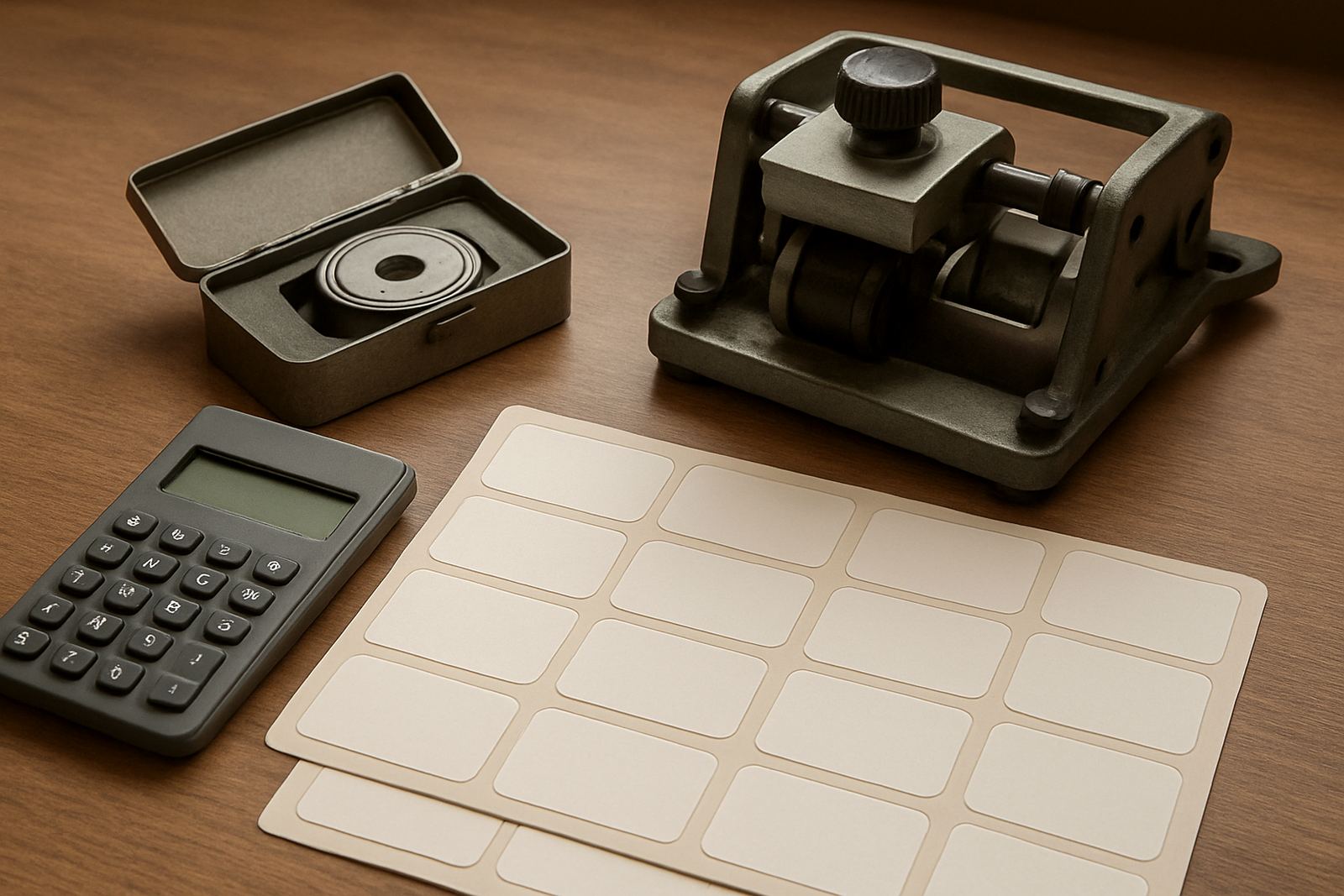
If build-up keeps returning, there is usually a technical reason behind it. That may mean the bearer setting is off, the magnet face needs checking or the die profile is no longer matching the stock properly. A repeat match can also help when a customer has an older job that keeps showing the same sticky points.
For label printers and converters across South Africa, the practical answer is to test the tooling, not just the symptom. A press trial can show whether the issue is the material, the pressure or the die itself. If a magnetic cylinder or flexible die is damaged, a proper refurb or urgent remake is often cheaper than losing another shift to scrap.
Keeping the next run cleaner and easier to control
The aim is simple: fewer stoppages, less waste and a cleaner cut from the first metre to the last. That means combining routine checks with proper technical support when the signs are there. A small amount of adhesive transfer is manageable. Left alone, it will keep growing until it affects output and timing.
For printers in Wadeville, Durban, Cape Town, Pinetown, Bellville and Gqeberha, local delivery timing and rush orders can make it tempting to push through a sticky run. It is usually better to pause, inspect and correct the cause before the next pallet goes out. That habit saves material, keeps the press steadier and protects the life of the tooling.
When the job matters, clean cutting starts with tooling that is set right and kept that way.