1. Start with the substrate, label shape and run volume
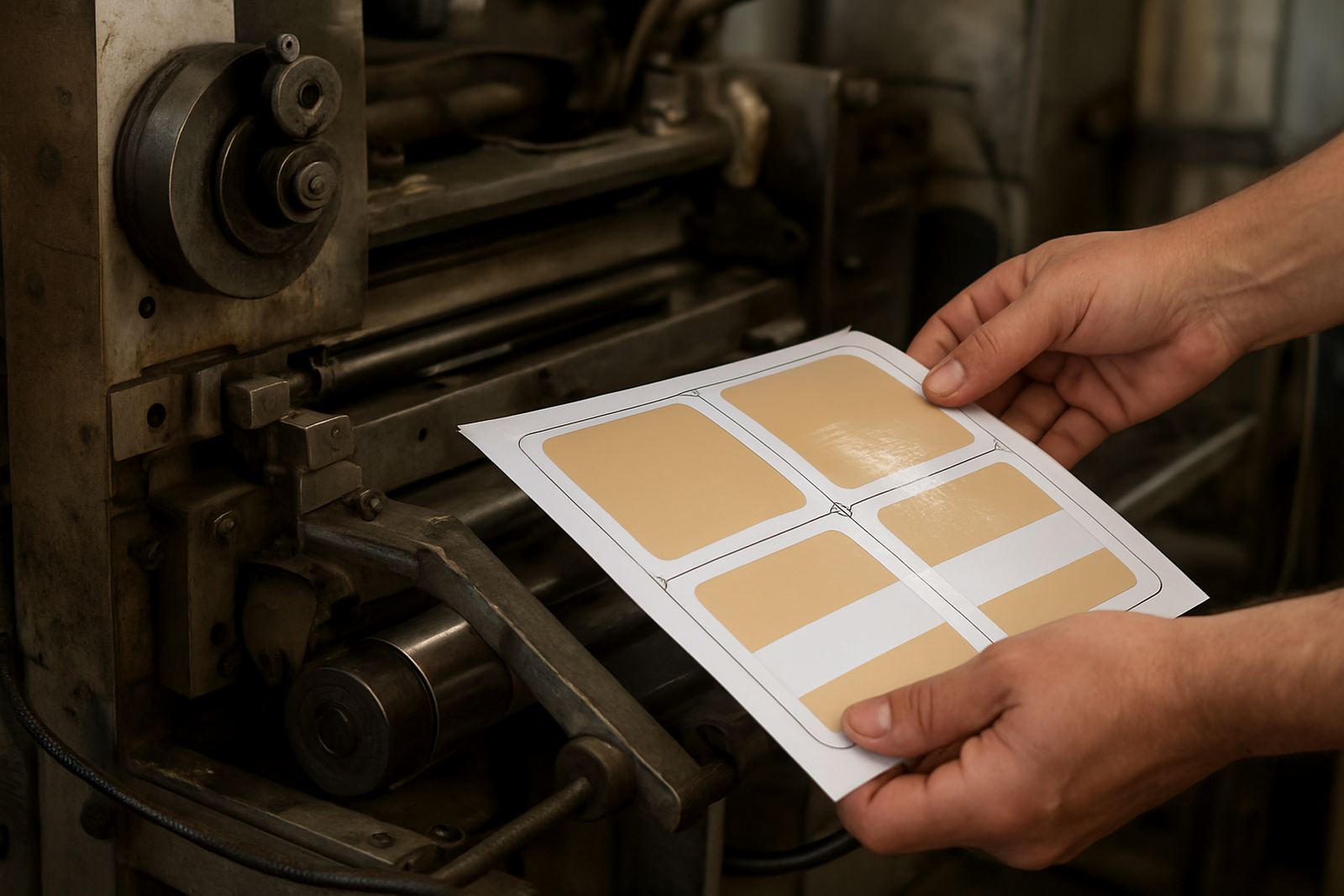
Before you send a job for tooling, lock down the basics. The die choice depends on the label material, the adhesive, the liner, the web width and the final shape. A small change in film thickness or board stiffness can alter cut depth, waste removal and tooling life. If the job runs in humid Durban conditions or across a dry inland winter in Johannesburg, that can also affect how the material behaves on press.
Give your supplier the full pack of job details, not just artwork. That includes the substrate spec, repeat length, quantity per run and whether the work is for short production runs or ongoing repeat work. For converters, this avoids the common trap of ordering a tool that cuts well on the sample sheet but struggles once the press is running at speed.
- Confirm substrate type, thickness and face material
- Share the label shape, corners and any cut outs
- State the expected run volume and repeat order pattern
- Note whether the job is for sheeted, rotary or magnetic production
2. Check artwork, repeat length and tolerances before sign-off
Good tooling starts with accurate artwork and clear repeat data. If the repeat length is off by even a small amount, the die will not track cleanly on press. That can lead to poor registration, waste and stoppages while the crew resets the line. For label printers and converters, this is one of the most expensive mistakes because it usually only shows up once production has already started.
Ask for CAD proofing before manufacture and compare the proof against the approved artwork. Check trim marks, bleed, corner radii and any kiss cut or through cut detail. If the job is a repeat match, make sure the old sample, old tooling reference or previous production notes are included. On repeat orders, the best results come from matching the original specification, not from guessing what worked last time.
- Verify repeat length and register marks
- Check corner radius and small detail areas
- Confirm if the job needs kiss cutting only or a full cut
- Keep a reference sample for repeat matching
3. Match the tooling to the press and line speed
Flexo production is not only about the artwork. The tooling must suit the press, the mounting system and the speed at which the line runs. Rotary solid dies, flexible magnetic dies and magnetic cylinders each have a different role. The right choice depends on the press set-up, the material and how often the job repeats. A tool that suits one machine may not be the best option for another, even if the label looks the same.
Check the bearer settings, cylinder condition and magnetic pull before the job reaches press. If there is wear on the cylinder or if the bearer setting is out, the die can start to cut unevenly. For older machines in busy plants, this is where a quick check can save a full shift. The press crew should also know whether the job will need urgent remake support or a simple repeat from stock. In some cases a practical combination of die design and cylinder refurb saves more money than replacing every part at once.
- Confirm the press type and mounting method
- Check bearer setting and cylinder wear
- Match the tooling to the planned line speed
- Ask whether cylinder refurb or die regrind is needed
4. Build in support for setup, testing and first run approval
A well planned tool order should include support for the first run, not only the manufacture of the tool itself. Press trial support helps identify cutting pressure, waste stripping issues and any marking on the label face. If the job is urgent, a converter needs die support that keeps tolerances tight through the process. That matters when a customer in Pretoria needs a late job cleared before dispatch, or when a coastal plant is dealing with moisture and static changes on the day of production.
Ask what help is available if the tooling needs a tweak after the first pull. A good supplier will check the magnet, review the cut and advise on any fine adjustment. It is better to correct a bearer issue or regrind a tool early than to keep chasing the same fault across multiple rolls. This is where practical stock advice also helps, especially for converters carrying regular repeat lines and wanting to keep spares ready.
- Plan for a first run check, not just tool delivery
- Ask about press trial support on site or by review
- Keep a spare or repeat reference for busy lines
- Flag urgent remake needs before the run date
5. Pack, store and move tooling properly between runs
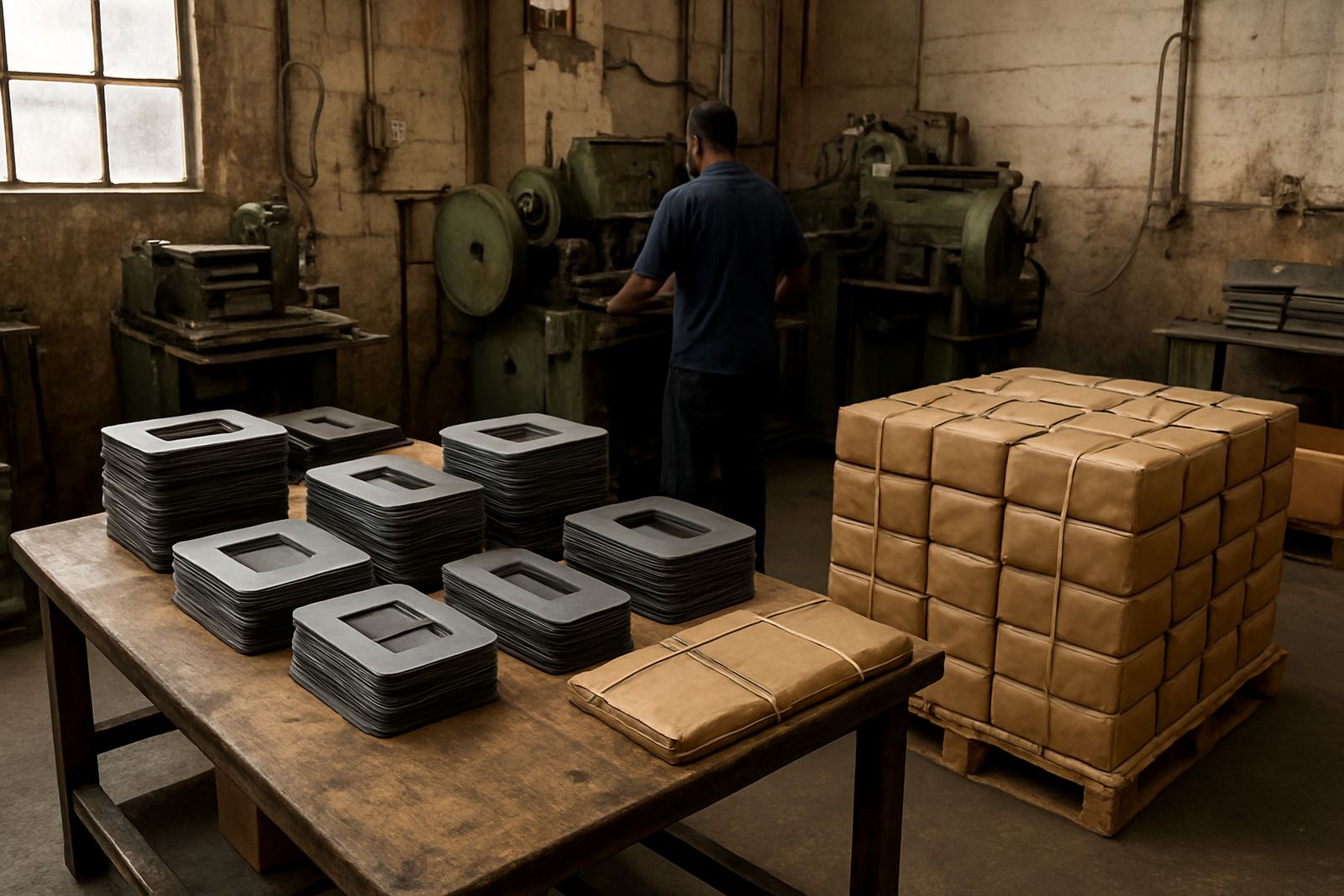
Tooling can be damaged by poor handling long before it reaches the press. Magnetic dies and cylinders should be packed so they do not knock together in transport or during storage. Coastal humidity, dust and general workshop traffic can all shorten tool life if storage is messy. In South Africa, where deliveries may move from Germiston to Cape Town or Gqeberha, secure packing is not optional.
Check that each item is clearly labelled, protected and linked to the right job reference. This makes repeat work easier and reduces mix ups in dispatch. It also helps with loading and offloading at busy plants where several jobs may be moving at once. If a tool is coming back for die regrind or magnet checks, it should be marked so the technical team knows exactly what was used on the previous production run.
- Store dies and cylinders in clean, dry conditions
- Use clear job labels and repeat references
- Protect cutting edges during transport
- Separate current jobs from refurbished items
6. Use a local example to spot the common mistakes
Take a Durban converter running self adhesive labels for a mid sized FMCG order. The artwork is approved, but the material is slightly softer than the previous batch and the production team wants a fast turnaround. If the supplier only receives the artwork and not the substrate spec, the die may arrive set for the wrong cutting depth. The result is poor release, extra waste and a hold up on the press.
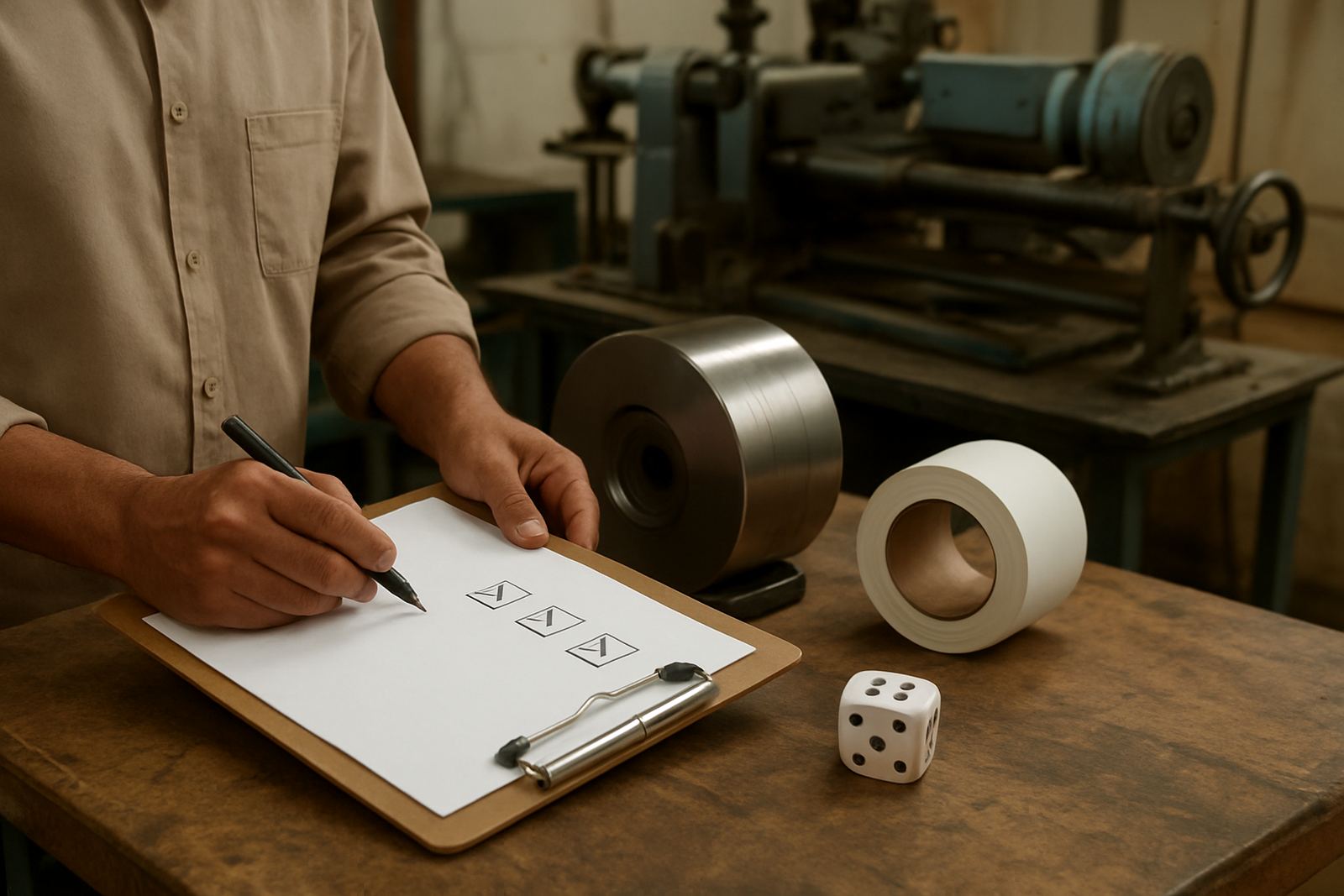
Now compare that with a full checklist. The converter sends the substrate detail, repeat length, press type, previous sample and target run date. The supplier checks the design, confirms the tooling type, prepares the magnetic setup and arranges dispatch. The job then lands with fewer surprises and the crew can focus on output instead of troubleshooting. That is the difference between a rushed order and a controlled production run.
For converters working across Johannesburg, Pretoria, Durban, Pinetown, Cape Town, Bellville and Gqeberha, the same rule applies every time. Clear data at the start saves time later, and it keeps the press moving when delivery windows are tight and the schedule is already full.