Why food lines need tighter tooling control
On a food line, a label does not only need to look right. It must release cleanly, register properly and stay consistent through long shifts, whether the pack is going out of Wadeville, Durban or a cold store in Cape Town. A small burr on a die edge, a poor bearer setting or a worn magnetic cylinder can create edge lift, waste and stoppages that slow down an entire packing run.
Food packers also work with stricter housekeeping than many other sectors. Moisture, flour dust, oils and frequent washdowns can all affect die life and the way a job tracks on press. If the tooling is not matched to the label substrate and the application method, even a simple round label can give trouble. In practice, the best result comes from good die design, careful proofing and clear handling rules from the start.
Match the die to the label material and the pack line
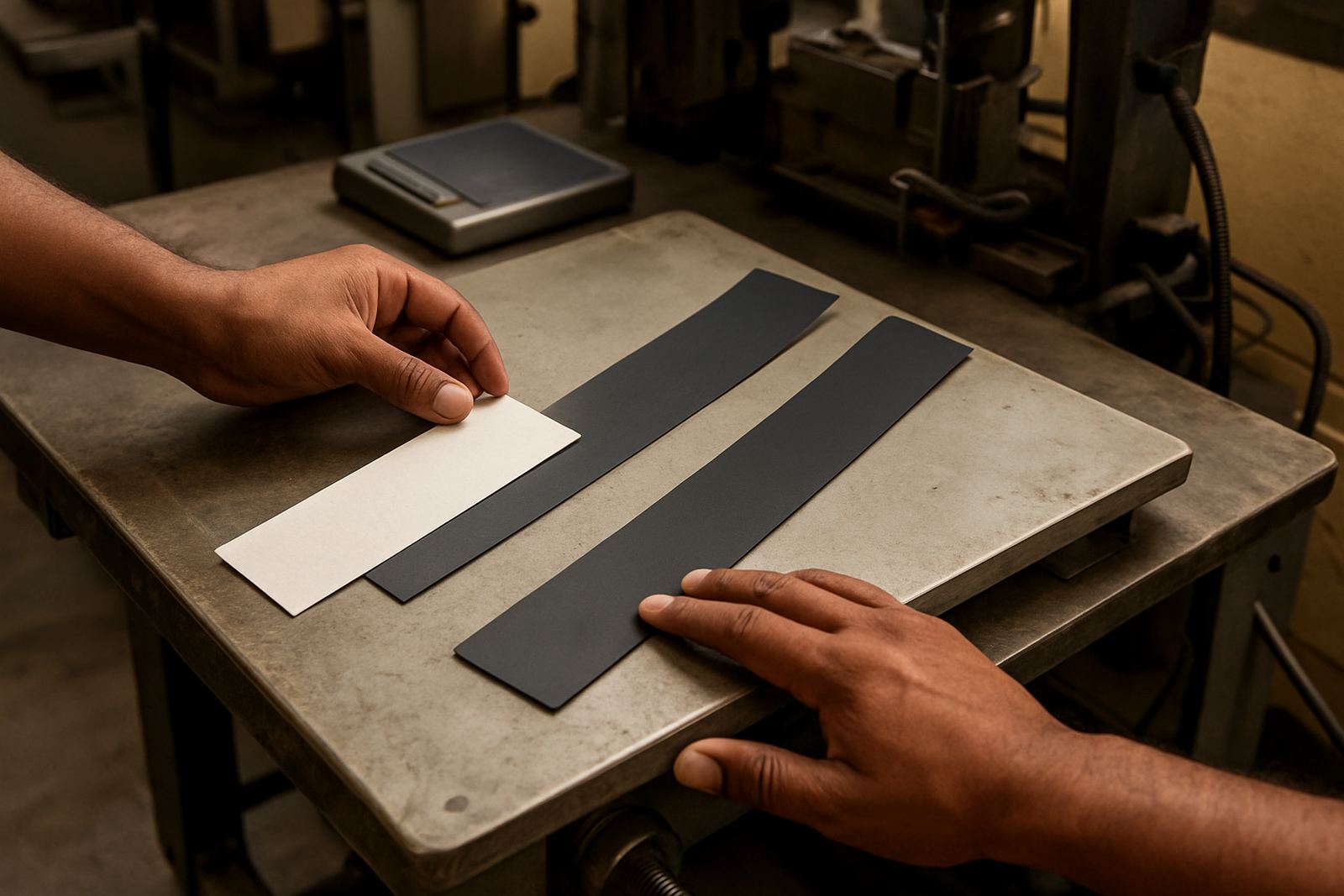
Different food applications place different demands on the tooling. Cold room labels, freezer packs and chilled dairy packs behave differently from dry goods or shelf-ready cartons. Film-faced labels, paper labels and high-tack adhesives all cut and strip in different ways, so the die spec must suit the material and the speed of the line.
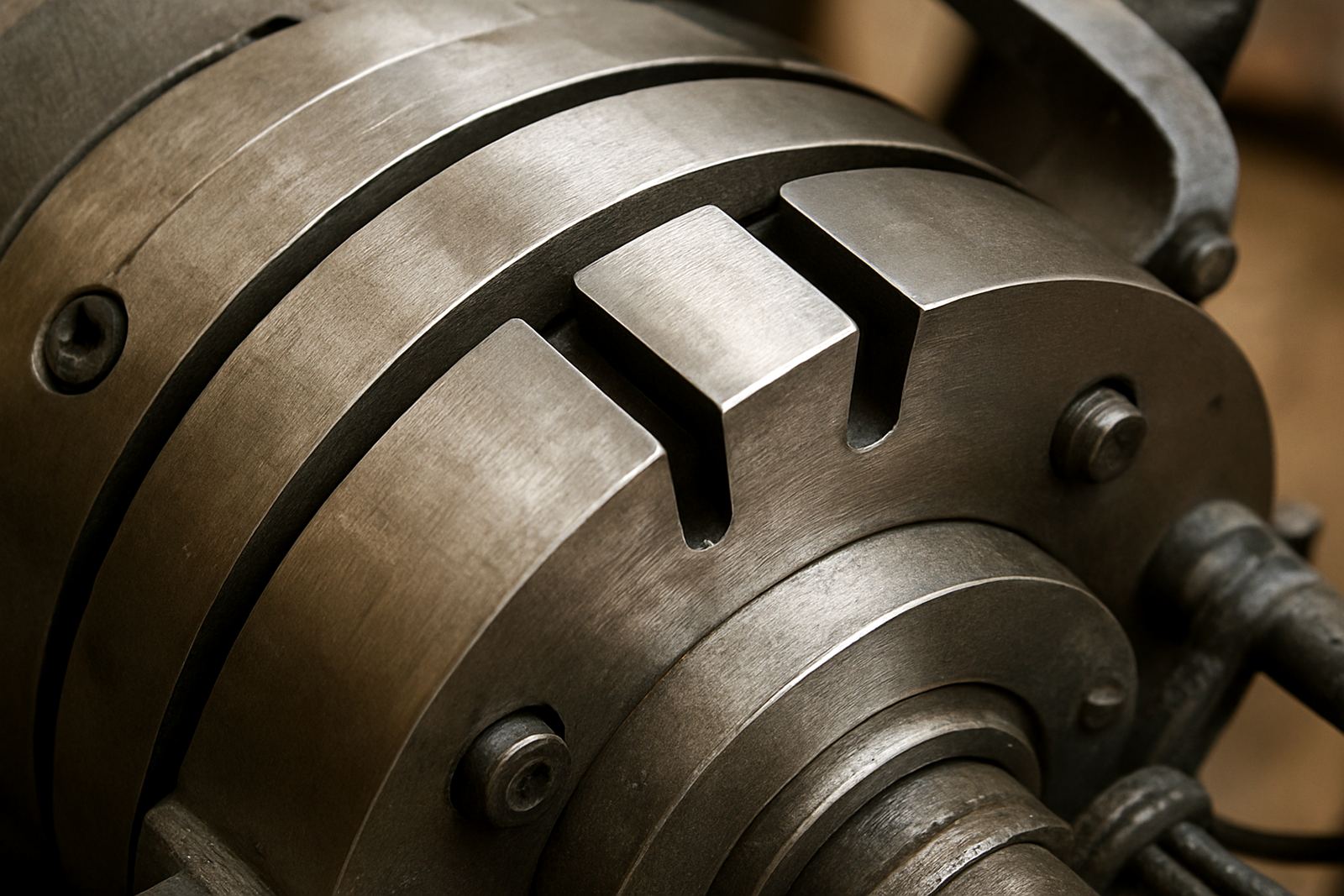
When we prepare rotary solid dies, flexible magnetic dies or magnetic cylinders for food label work, we look at the following points:
- label stock thickness and coating
- adhesive type and release behaviour
- liner strength for high-speed stripping
- press speed and repeat length
- whether the label will face moisture, condensation or refrigeration
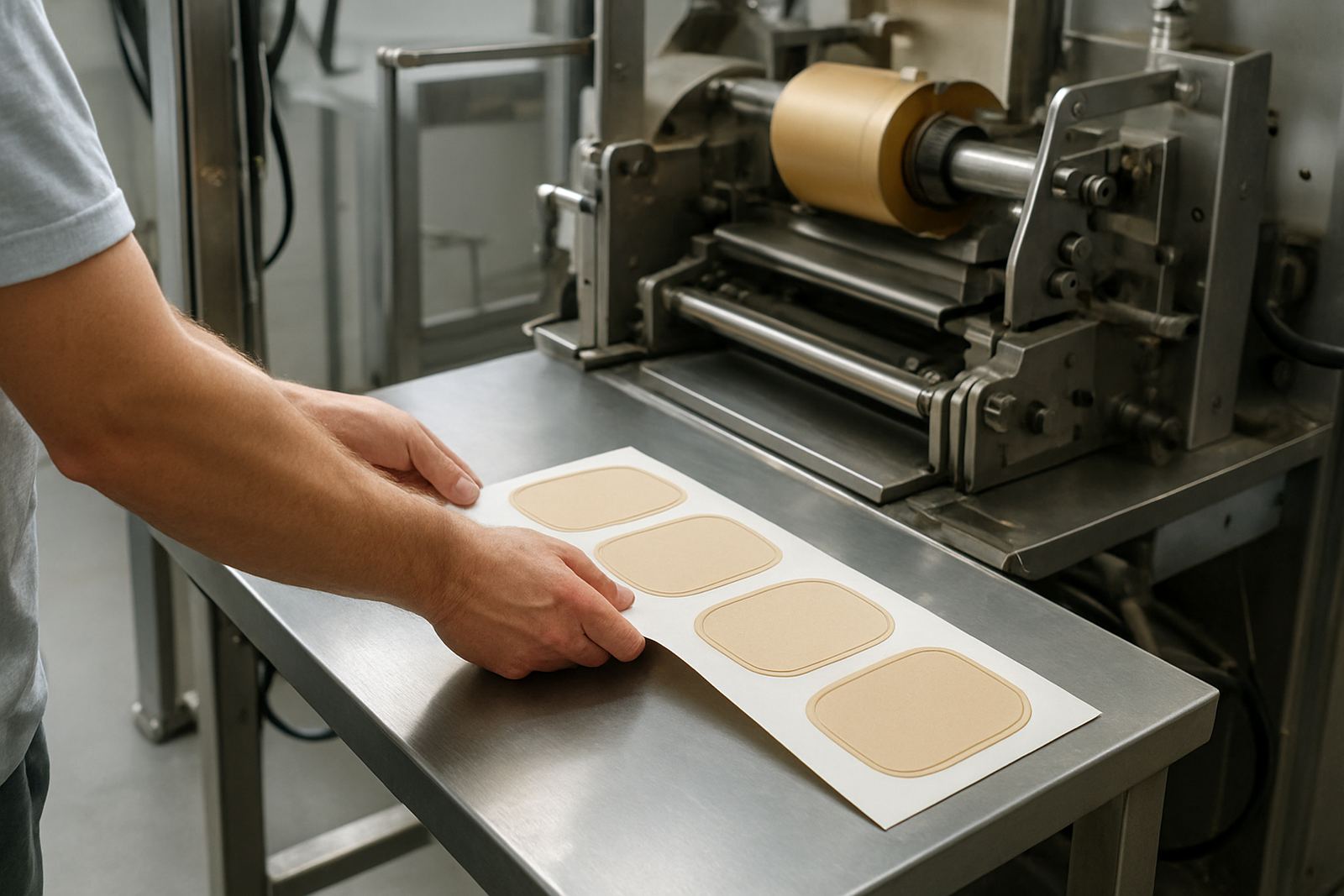
For printers in Germiston supplying supermarkets in Johannesburg, a carton label for dry goods may run well on one setup, while a chilled tray label needs a different cut depth and bearer setting. If the tooling is too aggressive, it can score the liner and create web breaks. If it is too light, you get incomplete cuts and messy stripping, which is bad news on a busy shift.
Clean handling matters as much as cutting accuracy
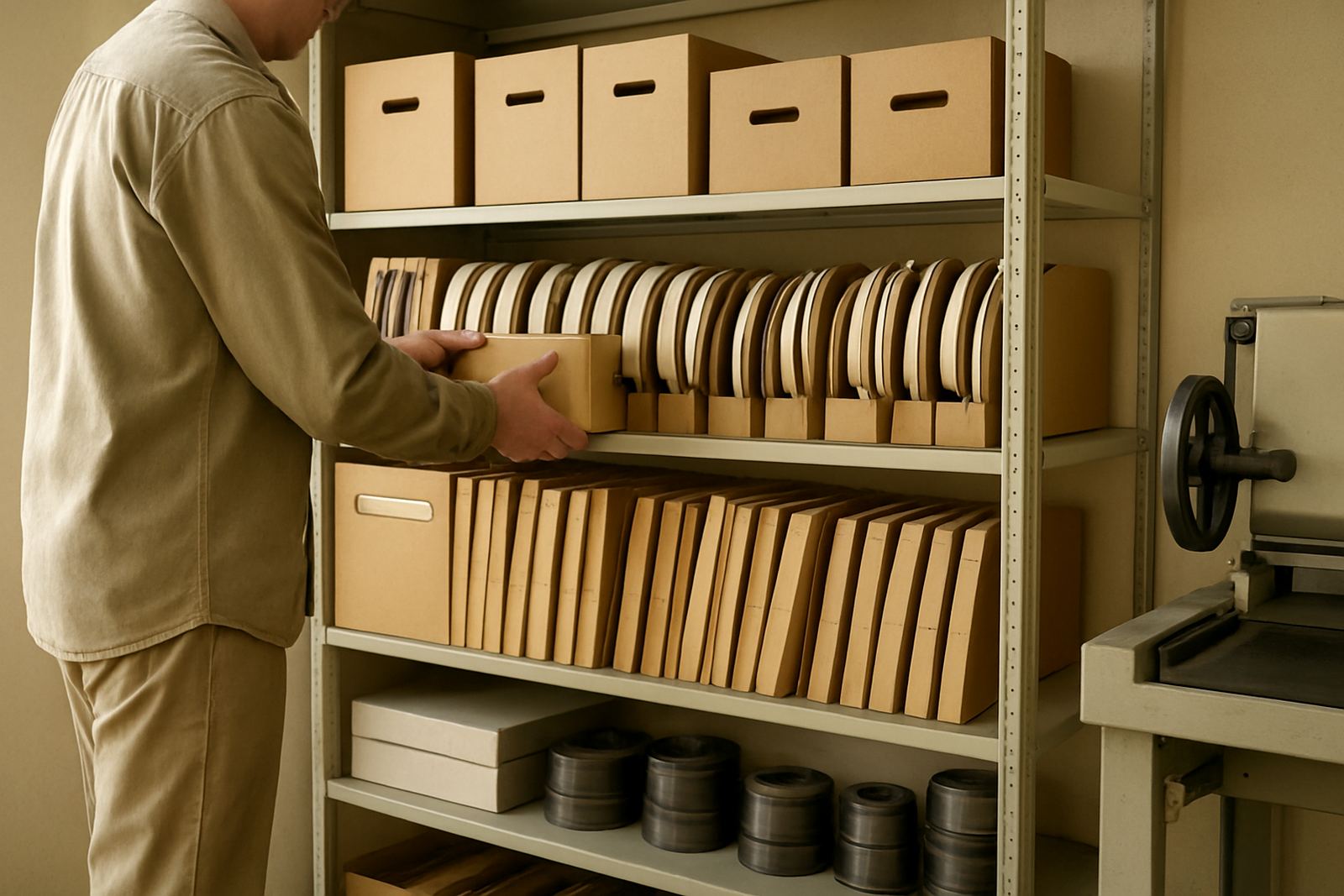
Food packaging lines usually have better cleaning discipline than general print environments, but the tooling still needs proper handling between jobs. Dies should be stored dry, wrapped, and kept clear of dust and adhesive build-up. On coastal routes, especially into Durban and Gqeberha, humidity can work its way into storage areas and cause surface corrosion if parts are left exposed.
Good handling routines reduce risk and keep repeat jobs consistent. A set of practical habits goes a long way:
- label and store each die by job number and repeat length
- check for adhesive residue before packing away
- keep magnetic dies off damp floors and wet benches
- use clean packing material so edges do not nick in transit
- inspect cylinders and bearer surfaces before the next press trial
When a food packer in Pretoria calls for a repeat run after several weeks, the biggest time saver is often the condition of the tooling. If the die was cleaned properly and checked after the last run, the next setup is quicker and the line can get moving without unnecessary trial and error.
Hygiene, washdowns and metal care on site
Many food sites now run strict hygiene routines, and that affects how tooling is used and returned. Labels can be applied near washdown areas, chilled rooms and pallet staging points, so every item that enters the production floor should be treated carefully. Even if the die is not part of the product stream, it still needs to stay free of contamination that could move onto the line.
For this reason, we advise packers and converters to avoid oil-heavy storage, open shelving near wet processes, and unnecessary handling with bare hands. If a line uses frequent sanitation cycles, the tooling should be checked for seal wear, corrosion spots and magnet loss before the next job. A little prevention saves a lot of rework later on, and it keeps the press team from chasing faults that are really caused by storage conditions rather than the artwork.
Repeat matching keeps food labels consistent across sites
Food businesses often run the same label across more than one location. A dairy in Pinetown may want the same pack design used in Germiston and Cape Town, while keeping the same cut quality and stripping behaviour on every line. That is where repeat matching becomes important. The tooling has to match the approved sample closely, not just visually but in actual performance on press.
Our team supports repeat matching, CAD proofing and press trial support so that the label stays consistent when a job returns. That matters when packaging dates, allergen panels or barcode positions must stay aligned from one batch to the next. If the cut drifts by even a small amount, the pack can look untidy or trigger a reject at dispatch. In food work, small errors become expensive very quickly.
Urgent remakes are safer when the spec is already right
Food production rarely waits for a quiet day. If a die is damaged, a magnet check fails, or a cylinder needs attention, the replacement must be made fast and it must fit properly first time. Urgent remakes only help if the original spec is clear and the tooling history is well recorded.
That is why we keep practical records for die design, regrind work, cylinder refurb and bearer setting. When an urgent remake is needed for a run going into Durban or Bellville, the production team needs confidence that the replacement will hold tolerance and run cleanly. A quick fix that causes web damage or poor strip quality is not a fix at all.
- keep the last approved sample with the tooling notes
- record press speed, substrate and adhesive type
- note any stripping issues, burrs or wear points
- confirm the delivery route and dispatch timing early
A practical local example from a busy packing line
Consider a chilled food packer in Johannesburg supplying retail groups across Gauteng. The line runs early morning, there is condensation around the area, and labels must land neatly on trays without edge lift. The first issue may look like an adhesive problem, but the cause is often tooling. A worn magnetic cylinder or a die with slight damage can create enough variation to upset the whole run.
In that kind of situation, the fastest remedy is a proper check of the tooling set, followed by repeat matching if needed and a clean dispatch plan. With the right die spec, correct packing and prompt delivery coordination, the next run can start with less waste and fewer stops. That is the difference between guesswork and a controlled label line, especially when the packhouse is already juggling load-shedding, cold storage times and delivery slots.
Food contact considerations are really about control. Control the tooling, control the handling, and control the repeat. That approach saves time, protects product presentation and helps the line keep moving when the pressure is on.