Why short runs cost more than the carton says
When a customer asks for 2 000 labels instead of 20 000, the die cost does not disappear. It gets spread over fewer impressions, so every minute on press matters more. A short run can become expensive if the tooling needs extra setting up, if the cutter drifts, or if the labels start lifting because the adhesive and stock were not matched properly.
In practice, the math comes down to three things: make-ready time, material waste, and repeat risk. If the press has to stop twice to correct bearer setting or chase a poor cut, the saving from the smaller order is gone fast. That is why many converters in Germiston, Johannesburg and Pretoria now look at the full job cost, not just the die line item.
Rotary or flexible magnetic dies for short production windows
Rotary solid dies and flexible magnetic dies each have a place in short run work. A solid rotary die is often the better fit when the job must hold tight tolerances across a longer repeat or when the printer wants stronger repeat stability. Flexible magnetic dies can be useful when changeovers need to stay quick and the pressroom is handling several SKUs in one shift.
The choice is not only about speed. It is also about stock type, adhesive strength, liner thickness and whether the job will be repeated next month or next quarter. A Durban converter running moisture sensitive stock in humid conditions may want a different setup than a Cape Town printer handling a dry, high-slip film on the same press. The tool must suit the job and the room conditions.
- Use a rotary solid die where repeat accuracy matters and the run is likely to come back often.
- Use a flexible magnetic die where fast swapovers and lower setup time matter more than heavy-duty repeat life.
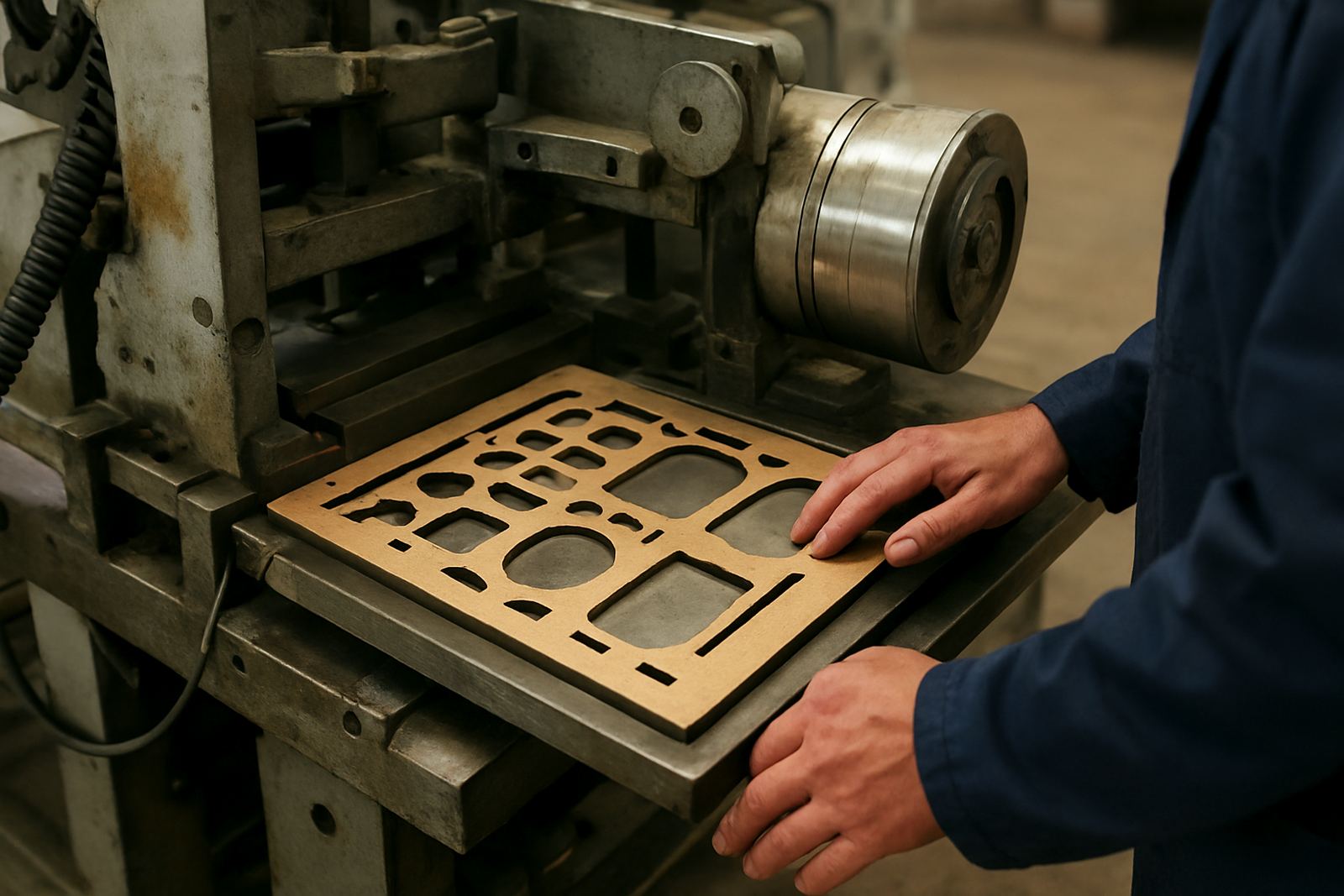
- Confirm artwork, repeat length and web width before cutting so the first trial is as close as possible.
The hidden cost of changeover time
Short run maths gets clearer once you price the changeover properly. A 20 minute setup is not just 20 minutes. It is press time, operator time, waste stock, and the risk that the next job waits in the queue. For a busy label shop in Wadeville or Pinetown, that delay can push delivery into the next day and affect three other orders too.
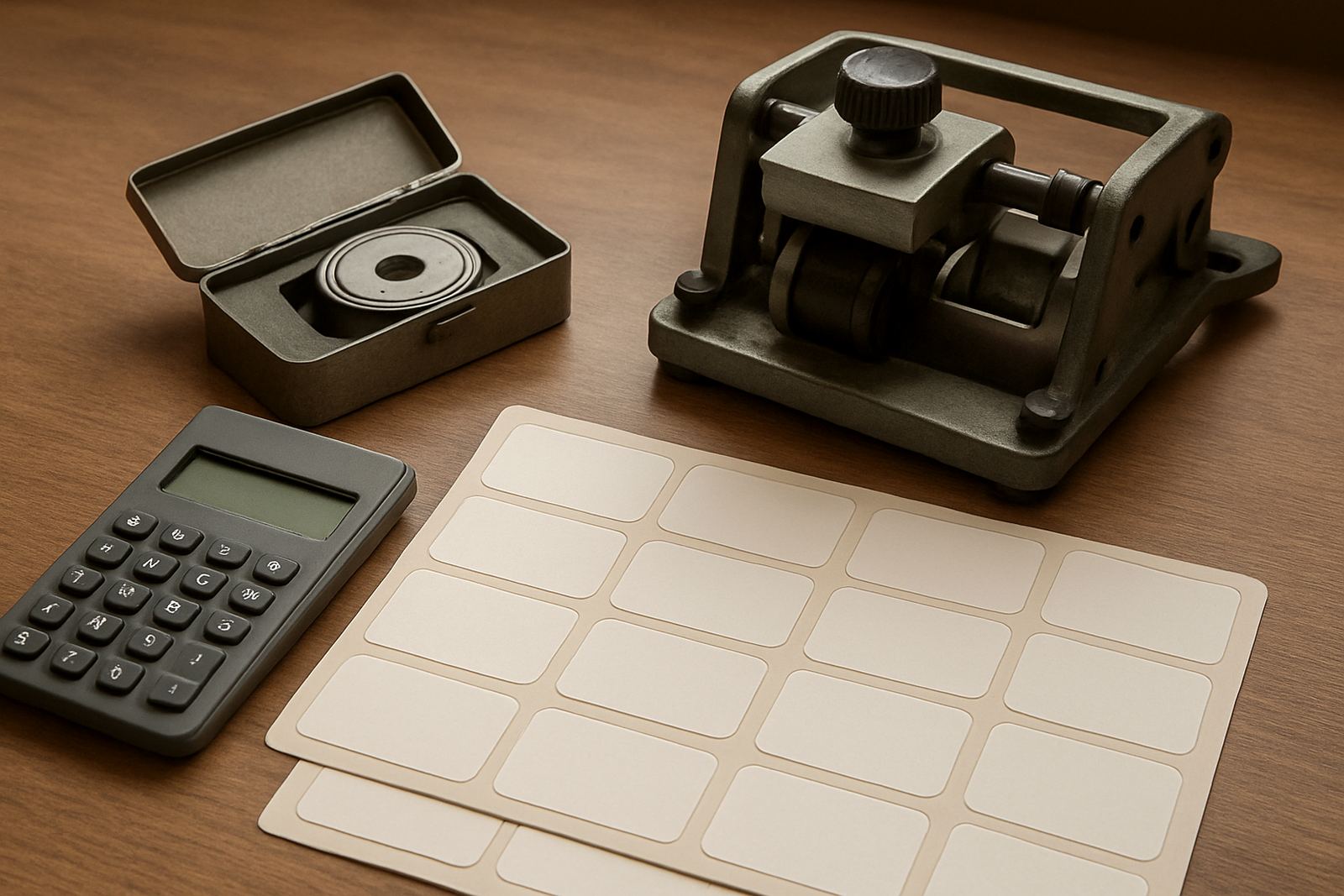
It helps to measure the cost of one changeover in Rand. Add the labour, the machine hour, the scrap and the opportunity cost of the press standing still. Then compare that figure with the difference between a cheaper tool and a more accurate one. In many cases, a slightly better made die pays for itself on the first or second repeat.
- Track setup minutes per job, not just total hours per shift.
- Record where the waste starts: first web thread, first cut, or final trim.
- If a job repeats often, keep the approved settings with the tooling file.
- When a job has tight margins, a small setup improvement can make the whole order viable.
Repeat risk is where short runs can bite
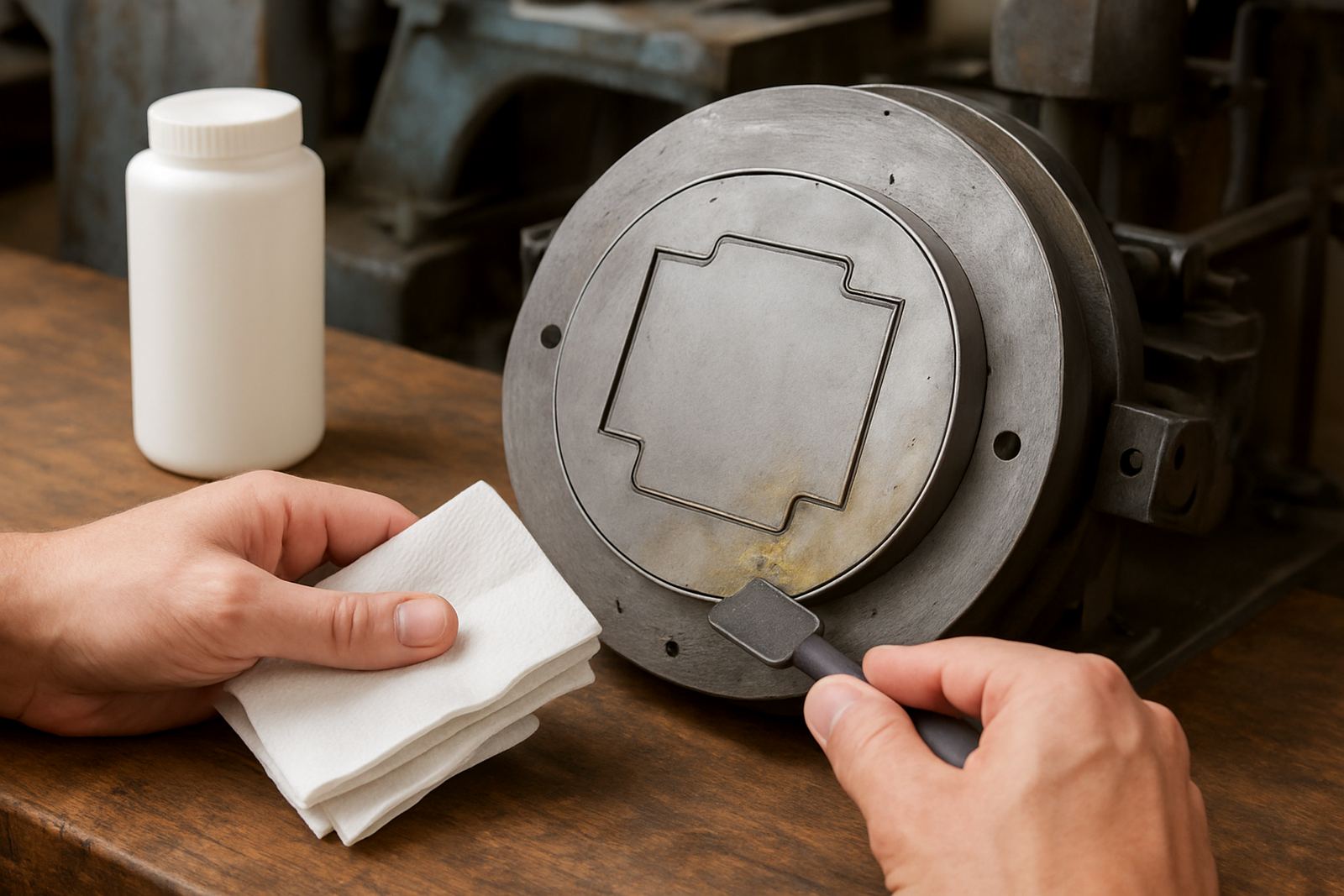
A short run often returns later as an urgent repeat. If the original die was not matched properly, the second run can lose time before the first sheet even leaves the machine. That is why repeat matching matters as much as first production. The cutter must match the original artwork, the press conditions and the finishing method, not just the shape on screen.
We see this often with label printers serving food, beverage and chemical clients. The artwork changes only slightly, but the substrate, adhesive or varnish has shifted. A flexible magnetic die that worked in winter may need review in summer, especially in coastal humidity. If the repeat is wrong, the reprint can become a rush job and a costly one.
Good repeat control reduces the risk of re-order waste, rejected stock and customer complaints. It also makes stock planning easier because the printer knows what can be pulled from the shelf and what needs a fresh make.
A Germiston example: how the job changes by the thousand
Take a Durban client needing 1 500 adhesive labels for a seasonal promotion, then another 1 500 two weeks later. On the first order, the printer may choose a flexible magnetic die because the art is simple and the run is short. But if the second order adds foil, a different liner and a tighter cut window, that same tool may start to show its limits. The smarter choice may be a rotary solid die with a checked bearer setting and a press trial before the main run.
From our Wadeville base in Germiston, we often see the same pattern across Johannesburg, Pretoria and Cape Town: the first job is priced as a one-off, then the repeat arrives with a tighter deadline and less tolerance for error. A quick CAD proof, a clear dispatch note and the right tool choice can save a full day of grief. That is not theory, it is the normal maths of busy label work.
If the pressroom is already dealing with load-shedding, keeping changeovers short matters even more. Less time on the machine means less exposure to stoppages and fewer chances for scrap when power comes back and the line restarts.
What to check before you commit to a tool
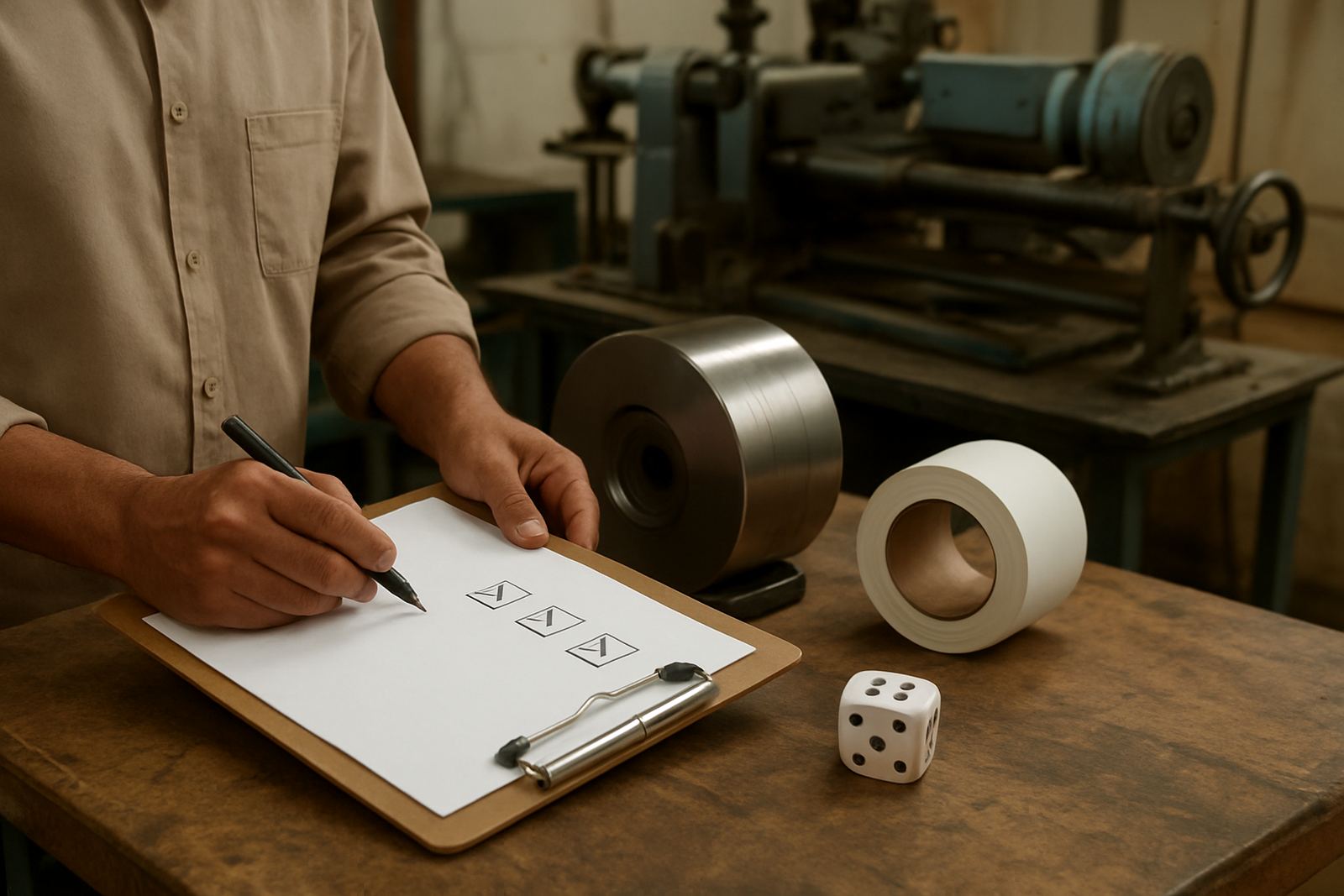
Before you approve a die for a short run, check the job like a converter, not like a sales quote. A few small details can swing the whole cost. The finish, the adhesive, the sheet or web width, the target quantity and the expected repeat all matter. So does whether the stock will be stored in a hot warehouse in Gauteng or near the coast in Gqeberha.
For practical planning, ask these questions:
- Will this run repeat in the next 30 to 90 days?
- Is the stock stable enough for a flexible magnetic die, or does it need a more rigid setup?
- Can the first trial be run on the same press and substrate as the main order?
- Do we need urgent remakes or stock advice to keep the next order moving?
- Is delivery timing important enough to justify a faster dispatch plan?
When those answers are clear, the short run becomes easier to price and easier to produce. That is the real value of proper tooling support. It turns a guess into a controlled job, and it gives the printer a better chance of keeping the margin on the work.