What a liner strike actually is on press
A liner strike happens when the cutting edge goes too deep and scores the release liner instead of stopping cleanly at the face stock. In practical terms, the job may still look acceptable for a while, but the kiss cut is no longer consistent and the liner starts taking the load.
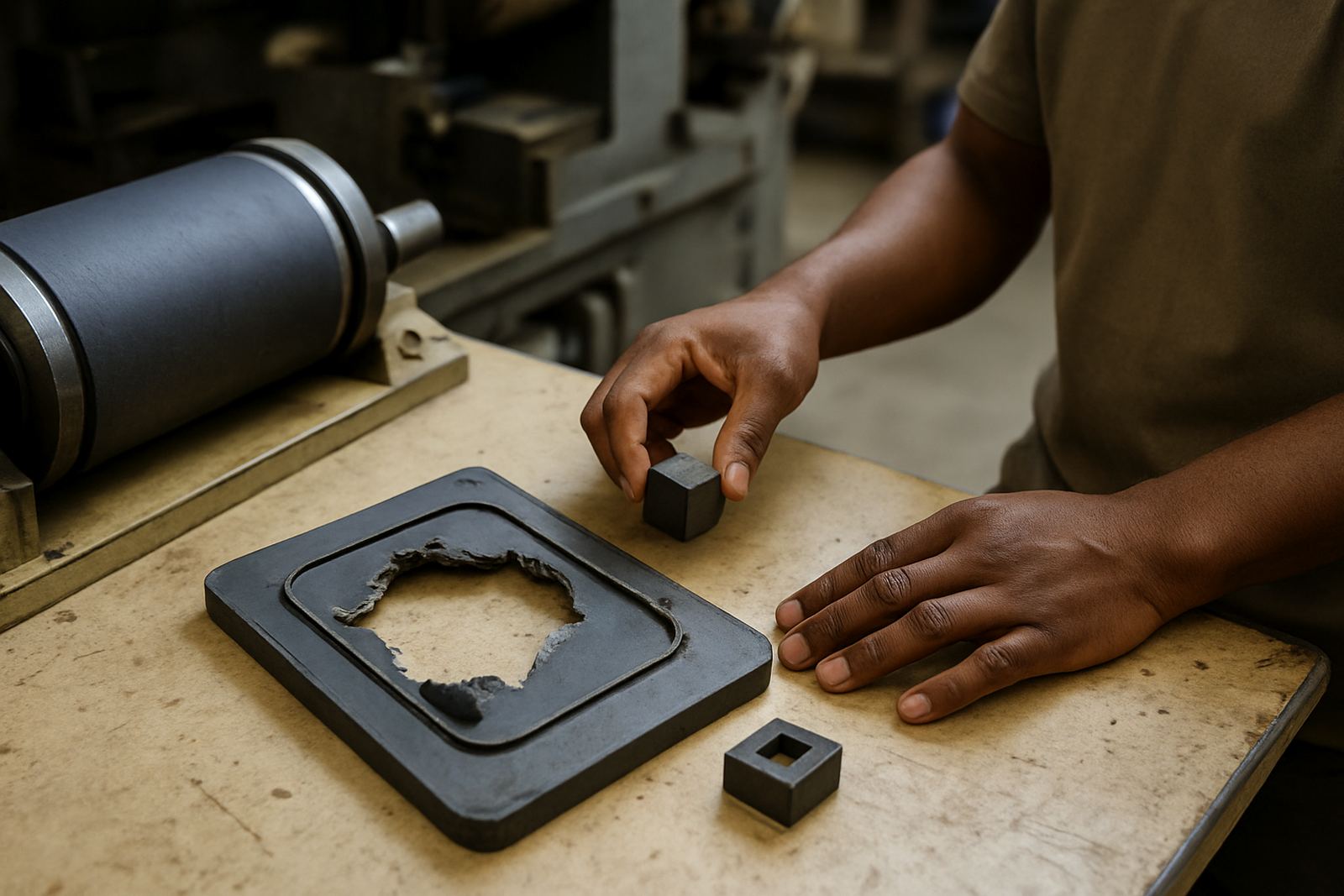
On a label press, that extra pressure can show up as burrs, premature blade wear, liner fibres, or a weak cut that tears at rewind. In some cases the issue is easy to spot straight away. In others it only appears after a few thousand metres, when the roll begins to track poorly or the converted labels lift unevenly.
The main point is simple: a liner strike is not just a tooling problem. It often reflects a mix of die condition, press setup, material variation and operator habits. That is why the fix needs to start at the source, not only at the symptom.
The most common causes we see in South African production
Across Johannesburg, Durban, Cape Town and Pretoria, the same few causes come up again and again. Some are mechanical, some are material related, and some come from rushing a repeat job back onto press without checking the basics.
- Incorrect bearer setting or uneven impression pressure across the web
- Worn or damaged cutting edges that have lost their original tolerance
- Liner stock that is thinner, harder or more brittle than the previous batch
- Incorrect make-ready after a press changeover or die replacement
- Warped magnetic cylinders or poor seating on the cylinder body
- Dust, adhesive build-up or slippage that changes cut depth during the run
Coastal humidity can also play a part, especially in Durban and Gqeberha. Paper and film stocks can move slightly with the weather, and that small change is enough to push a marginal setup over the line. During load-shedding periods, repeated restarts can make it worse because the press does not always return to the same tension and impression state after a stop.
Why repeat jobs still need a fresh check
One of the biggest mistakes is assuming a repeat will run exactly like the last batch. Even when the artwork is unchanged, the press condition, stock lot and tooling wear may all be different. A job that ran cleanly three weeks ago can strike the liner today if the die has lost edge quality or the bearer setting has drifted.
Repeat matching should therefore include a proper check of the die profile, cylinder condition and the last known setup notes. If the job is being remade urgently, it is better to spend ten minutes confirming the cut depth than to lose an hour correcting a liner strike halfway through the run. That is a hard lesson many converters learn the long way.
At our Wadeville, Germiston base, we often see returned tooling that was assumed to be fine because it had only done one short run. In practice, a short run can still leave a burr or a slight flat on the edge, and that tiny fault is enough to change the cut path.
Tooling choices that reduce strike risk
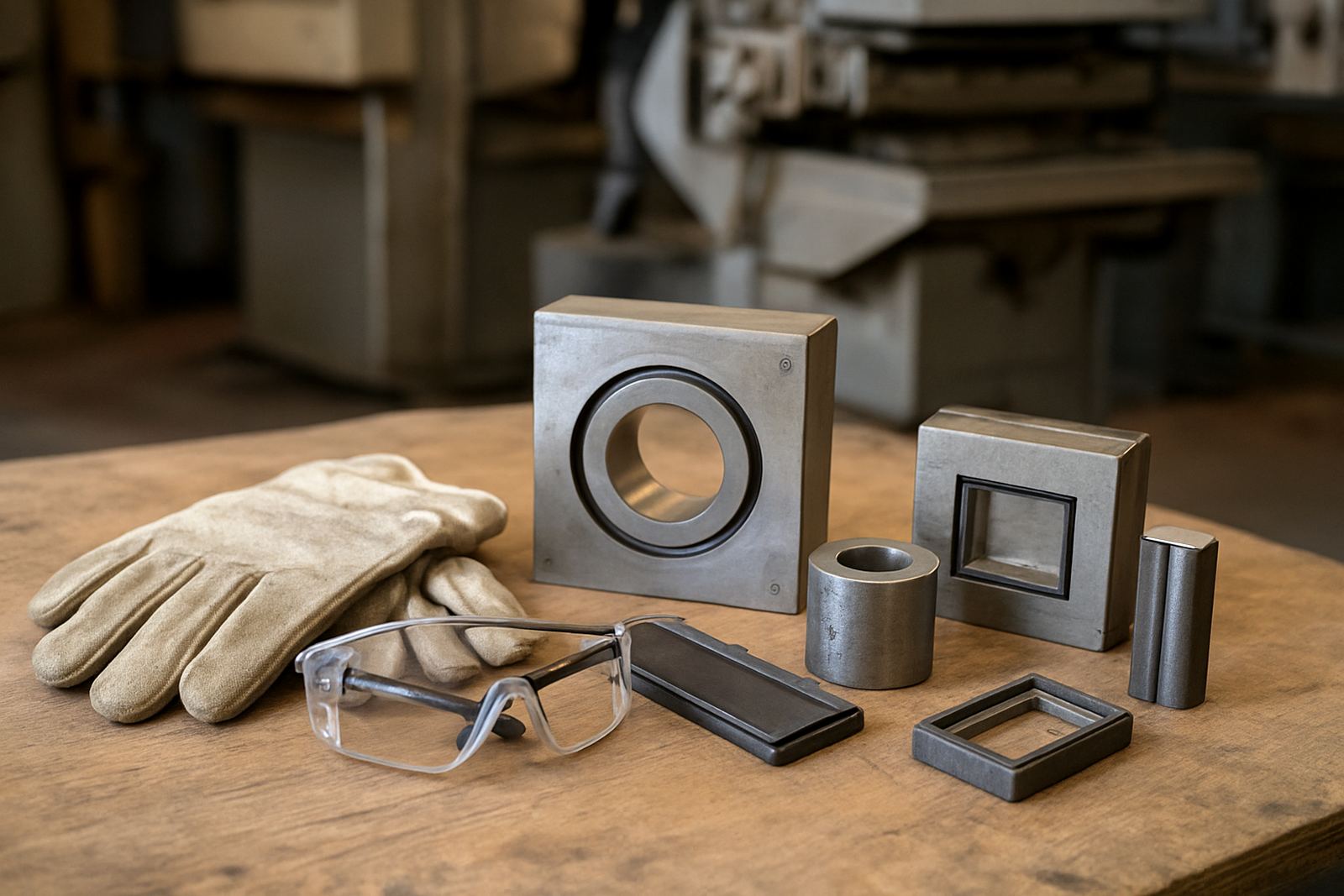
Better tooling does not remove the need for good setup, but it gives the press a wider operating window. For rotary work, the condition of the solid die, flexible magnetic die or magnetic cylinder matters just as much as the press itself. If the cutting profile is inconsistent, operators will often compensate by increasing pressure, which is where liner strikes begin.
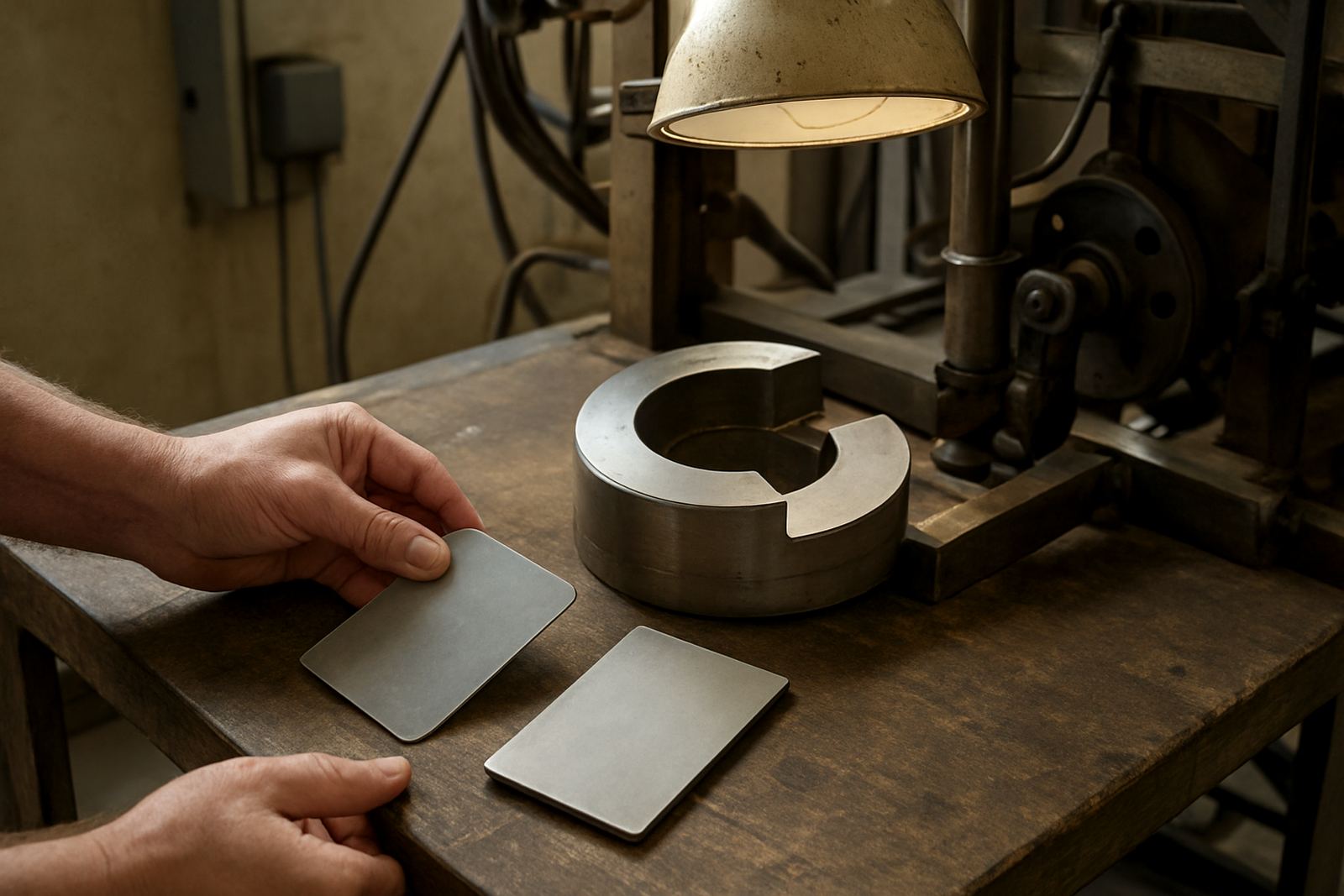
Die regrind, bearer setting and magnet checks should be part of the normal maintenance cycle rather than emergency actions. A die that has been reground back to spec will usually hold a cleaner kiss cut than one that is being forced to do too much work at the press. That also helps with cleaner stripping and fewer stoppages at rewind.
- Check edge height and wear before every repeat run
- Confirm bearer pressure across the full web width
- Inspect magnet seating and cylinder roundness after any impact
- Keep a record of which liner grade ran best on the last batch
- Separate emergency remakes from standard production so the setup gets proper attention
How press discipline cuts waste and keeps output steady
Even good tooling will struggle if the press team is working from guesswork. Press trial support should focus on the basics: web tension, impression, strip path and rewind behaviour. If any one of those is off, the operator may keep tightening pressure to hold registration, and the liner becomes the weakest point in the system.
Clear handover notes help a lot. If the previous run showed a slight strike on the web edge, that note should follow the job to the next shift. If a liner grade was changed because the original stock was unavailable, that change must be recorded too. Small notes save real money later, even if people sometimes roll their eyes at them.
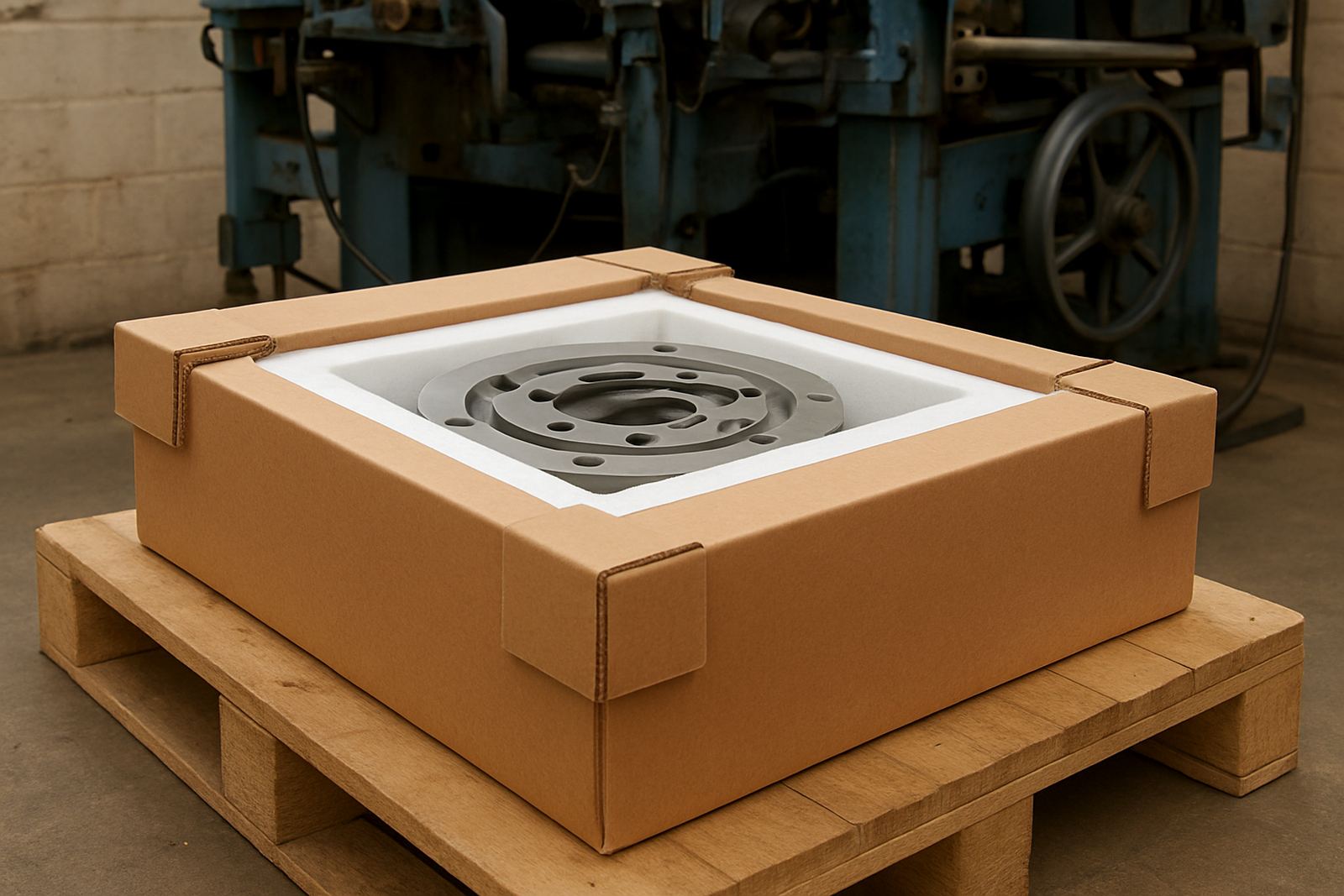
For converters handling urgent remakes in Gauteng or the coast, packing and dispatch timing matters as well. If tooling is damaged in transport, or arrives without proper protection, the next shift starts at a disadvantage. Good packing and dispatch reduces that risk before the die even reaches the press.
A Germiston example from a busy label line
A recent local example involved a converter in the wider Johannesburg area running a short repeat on a pressure sensitive label job. The first hundred metres looked acceptable, then the liner started scuffing and the web began to sound tighter through the nip. The operator had increased impression slightly to correct a minor cut issue, but the die had already lost consistency on one section.
After checking the bearer setting, the magnetic cylinder and the die edge, the fault was traced to wear on one part of the tooling and a small pressure imbalance across the web. The job was recovered by resetting the setup, confirming the cut depth with a fresh proof, and matching the replacement tooling to the original spec. The run finished cleanly and the waste dropped sharply.
That type of problem is common enough to be routine, yet it is still expensive. A few metres of wasted stock may not sound like much, but on a live production schedule it can hold up finishing, packing and delivery, especially when the next customer is already waiting.
A practical checklist before the next run
If you want to reduce liner strikes, the safest approach is to make the checks part of the normal handover rather than an extra step when things go wrong. The best runs are usually the ones where the team has already answered the obvious questions before the press starts.
- Is the die sharp, true and correctly matched to the stock?
- Has bearer pressure been checked across the full width?
- Is the liner grade the same as the approved sample?
- Have magnets, cylinders and mounting surfaces been cleaned?
- Has the team noted any previous strike marks or setup changes?
When those points are covered, liner strikes become far less likely. It also makes troubleshooting faster if a problem does appear, because the team is not starting from zero. For South African printers and converters working under time pressure, that is usually the difference between a controlled run and a costly stop-start day.