
Why courier packing matters for label tooling
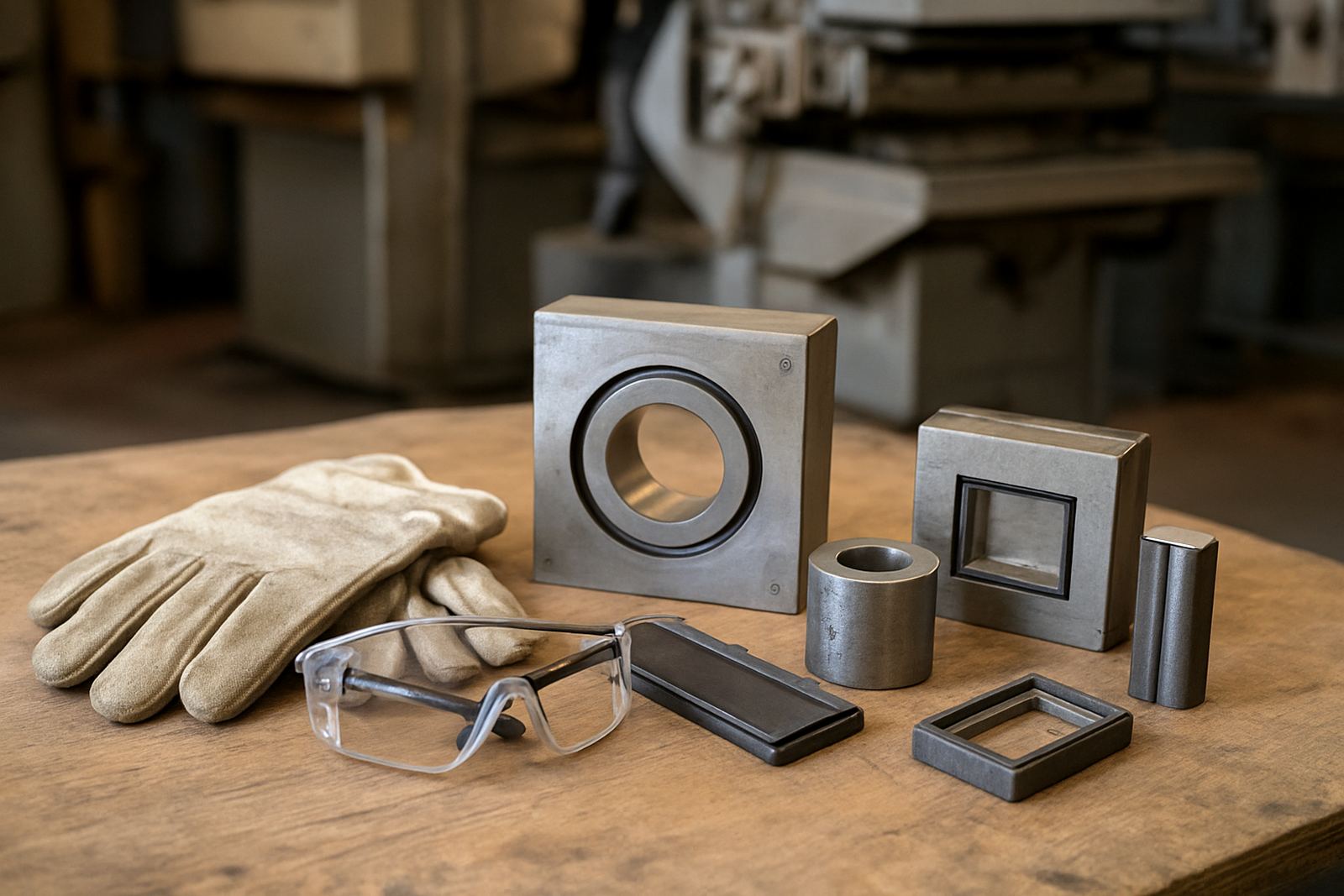
Rotary solid dies, flexible magnetic dies and magnetic cylinders are not ordinary parcels. They have sharp edges, machined faces and tight tolerances, so a small knock can cause a burr, a dent or a set-up problem on press. When a courier sorts parcels through multiple depots, the box may be stacked, dropped, turned on its side or left in the rain for a few minutes, and that is often enough to spoil a carefully made tool.
For South African printers and converters, the aim is simple: keep the tool stable, dry and clearly identified from our Wadeville, Germiston base through to Johannesburg, Pretoria, Durban, Pinetown, Cape Town, Bellville and Gqeberha. Good packing also helps with repeat orders, because the die or cylinder can come back in the same condition each time, which saves time on the next production run.
Start with the right inner protection
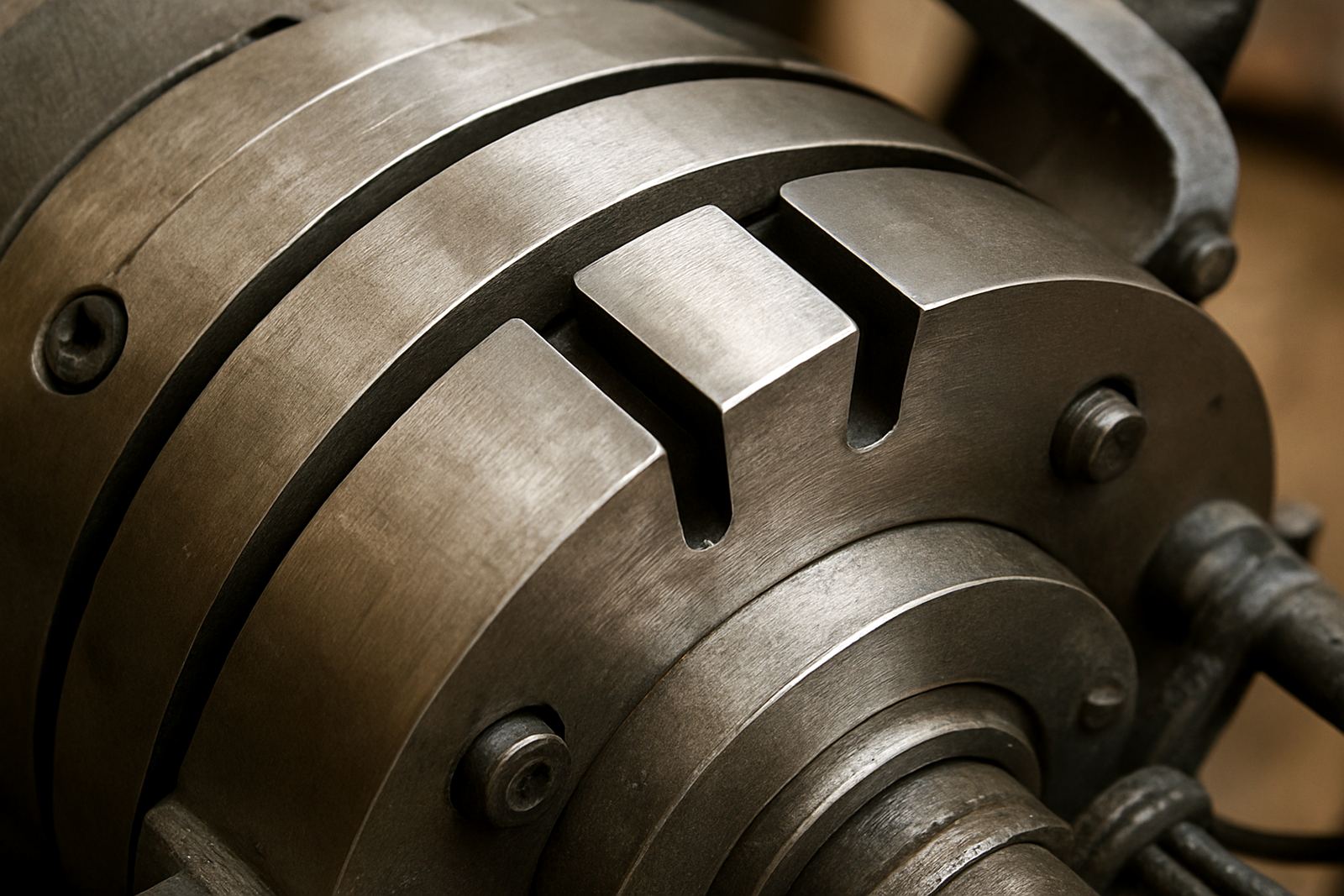
The best courier pack starts before the outer box. Each tool should be wrapped to stop metal parts touching each other, with enough support to prevent movement but not so much pressure that the cutting edge is stressed. For flexible magnetic dies, a flat rigid board or sleeve helps prevent bending. For rotary solid dies and cylinders, end support is important so the weight is carried evenly and the machined face is not rubbing against the carton.
- Use a clean wrap that does not shed lint or grit onto the cutting edge.
- Separate steel parts from magnetic faces and finished surfaces.
- Keep fasteners, shims and set-up items in a marked pouch, not loose in the box.
- Do not allow the tool to slide inside the wrap if the parcel is shaken.
Moisture protection matters too. Coastal humidity in Durban, Pinetown and Gqeberha can rust unprotected steel surprisingly fast, especially on a parcel that sits overnight. A light corrosion barrier and sealed inner packing can prevent that problem before it starts.
Boxing for long road trips and depot handling
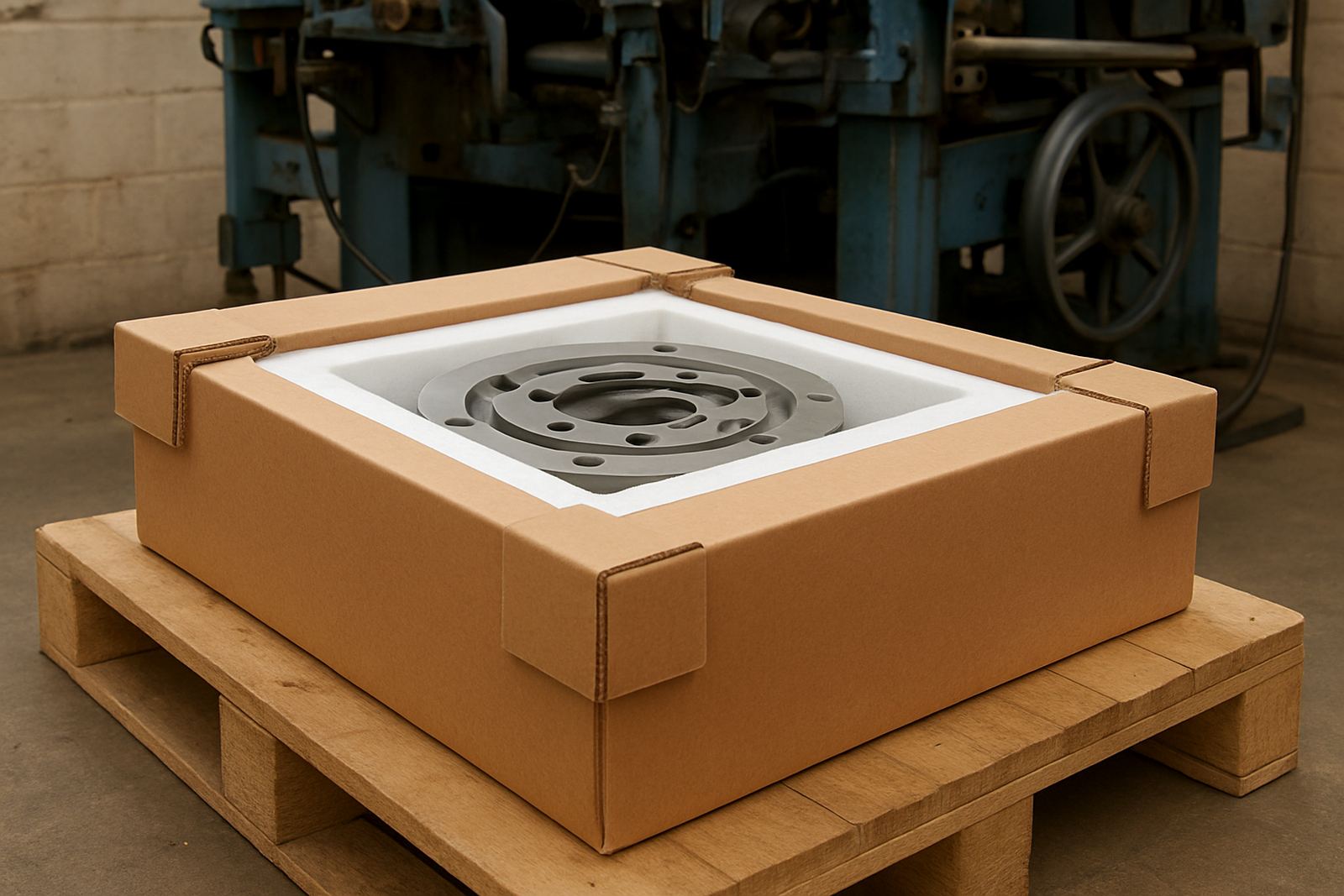
A strong outer carton is only useful if the contents cannot move. The carton should be sized so there is enough room for cushioning, but not so much space that the tool can gather speed inside it. Double wall board is a safer choice for heavier dies and cylinders. If a parcel is going from Germiston to Cape Town or from Pretoria to Durban, the box needs to handle vibration, stacking and long road distance without the corners crushing.
Corner protection is often overlooked. A rigid frame, foam blocks or timber spacers can keep weight off the cutting edges and prevent the load from sitting directly on the most delicate part of the tool. For heavier items, it is worth adding an inner cradle so the weight is spread across the box base instead of hanging from the seal tape.
- Choose a carton that matches the tool size closely.
- Reinforce seams and corners before dispatch.
- Mark heavy parcels clearly so handlers know what they are moving.
- Seal the box so dust, rain and loose packing material cannot get inside.
Label the parcel so the right people handle it properly
Clear labelling does not stop rough handling, but it does help the parcel move through the system with fewer mistakes. A parcel for a label printer in Johannesburg may pass through more than one depot, and if the shipping label is scuffed or folded the delay can cost a shift. Internal labels are just as important as the courier label, because the receiver must be able to identify the die, the job number and the machine it is meant for as soon as the box is opened.
We also recommend adding a brief packing note inside the parcel. This can include the job reference, contents and any handling notes such as which side must stay up or whether the tool is ready for a press trial. That small step helps during receiving, stock checks and urgent remakes, especially when a plant is juggling multiple jobs and load-shedding interruptions.
- Write the job reference on the box and inside the parcel.
- Indicate top side, fragile handling and whether the contents are magnetic.
- Include a packing slip that matches the order exactly.
- Keep the courier label flat and easy to scan.
Packing for repeat orders and urgent remakes
Repeat matching is easier when the packing method is consistent. If a die comes back for a regrind, bearer setting or magnet check, the same style of packing makes it simpler to inspect and dispatch again. Keep the original inner supports where possible, and record what worked well so the next parcel is packed the same way. That is particularly useful for converters running regular labels for food, personal care and industrial products where turnaround times are tight.
Urgent remakes call for a practical dispatch plan. The parcel must be ready to leave without last minute changes, because a missed lift can push the job out by a full day. In the summer heat, and during power cuts when workshop schedules become tighter, a clean and efficient pack prevents confusion at the loading bay. Anele in dispatch and the production team can coordinate the handover so the parcel leaves with the correct paperwork and no loose parts left behind.
Here is a simple way to think about repeat packing:
- Keep a record of the best carton size and internal supports.
- Reuse only clean, undamaged packing materials.
- Check that all fasteners, spacers and accessories are present before sealing.
- Photograph the packed job if the order is urgent or complex.
A local example from Wadeville to a Durban press room
A converter in Durban once needed a flexible magnetic die turned around quickly for a short run. The first challenge was not the manufacture, it was getting the tool to arrive in the same condition it left Wadeville. The die was packed flat on a rigid board, protected from moisture, then boxed with corner support so it could not flex during transport. The outside carton was marked clearly, and the inner note listed the job number and handling instructions.
The result was straightforward. The parcel arrived clean, the cutting edge stayed intact and the printer could mount it without extra sorting at the press. That is the point of careful courier packing: it protects the work already done in the machine shop, and it gives the production team a better chance of getting straight into print. For clients in Johannesburg, Pretoria, Cape Town, Bellville and Gqeberha, the same method keeps the tooling ready for action when it lands.
What to check before the courier collects
Before a parcel leaves Germiston, it should be checked like any other precision item. The outer box must be sealed, the contents fixed in place, and the labels easy to read. If the job includes a cylinder, there must be no exposed surface that can pick up a knock. If the order is a remake or a refurbished tool, the return note should show exactly what was done, so the receiving team knows what to expect.
At LabelCutter Dies, the packing process is part of the dispatch process, not an afterthought. When the tool leaves our Wadeville base, it should be protected for the road, the depot and the final handover at the pressroom. That way the client gets a clean delivery and the machine shop gets fewer avoidable claims, which is better for everyone involved.
Practical packing checklist for label converters
Use this checklist when preparing dies and cylinders for courier collection:
- Clean the tool and remove loose debris before packing.
- Wrap sharp or machined surfaces separately.
- Use rigid support so the tool cannot bend or slide.
- Protect against moisture, especially for coastal deliveries.
- Choose a strong carton with enough internal bracing.
- Mark the parcel clearly with job details and handling notes.
- Confirm that fasteners, spacers and accessories are packed with the right job.
Good courier packing is not about using more material, it is about using the right material in the right places. That saves time at receiving, reduces damage in transit and helps the die or cylinder arrive ready for the next run, which is what every printer and converter wants.