Why die room safety starts before the press runs
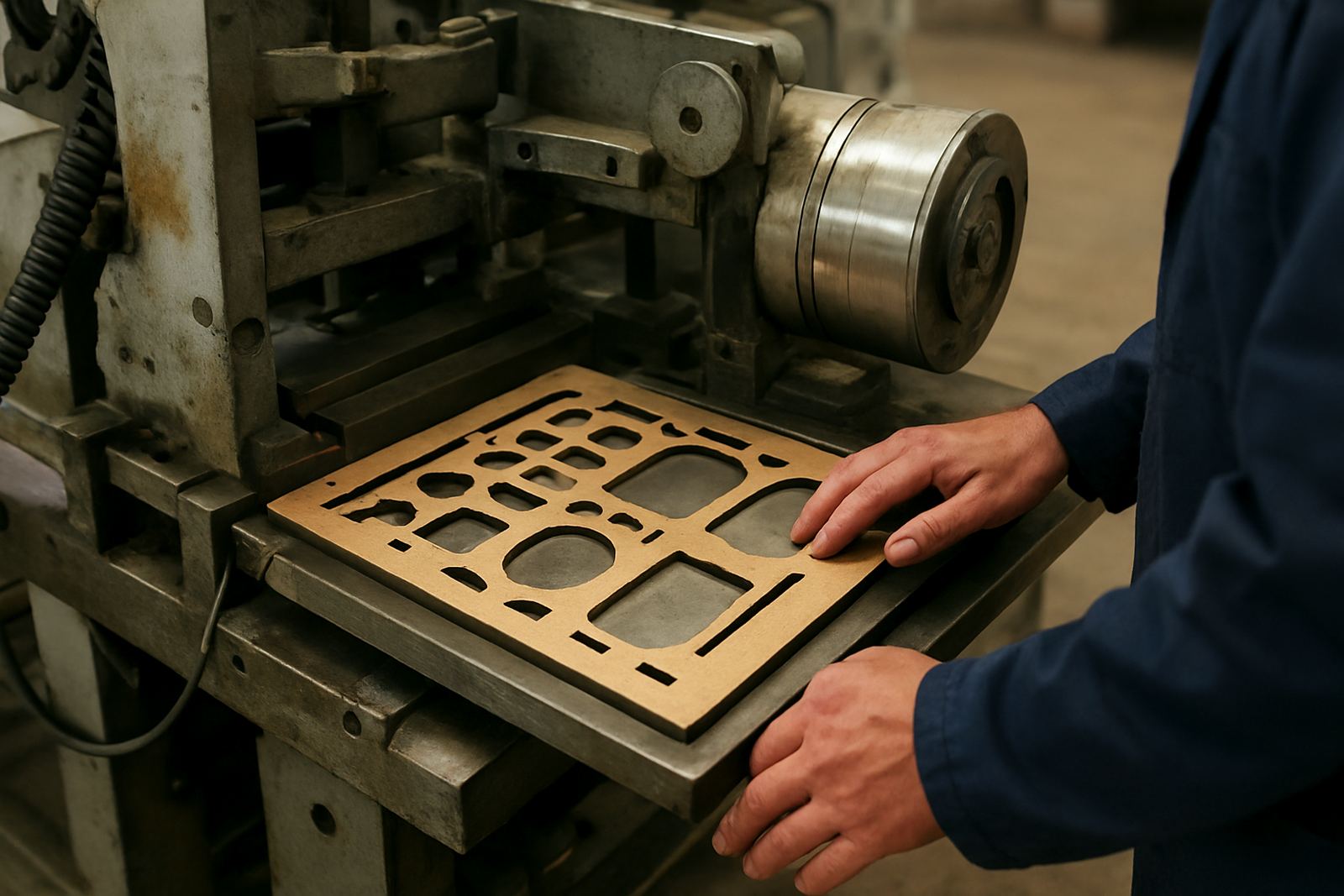
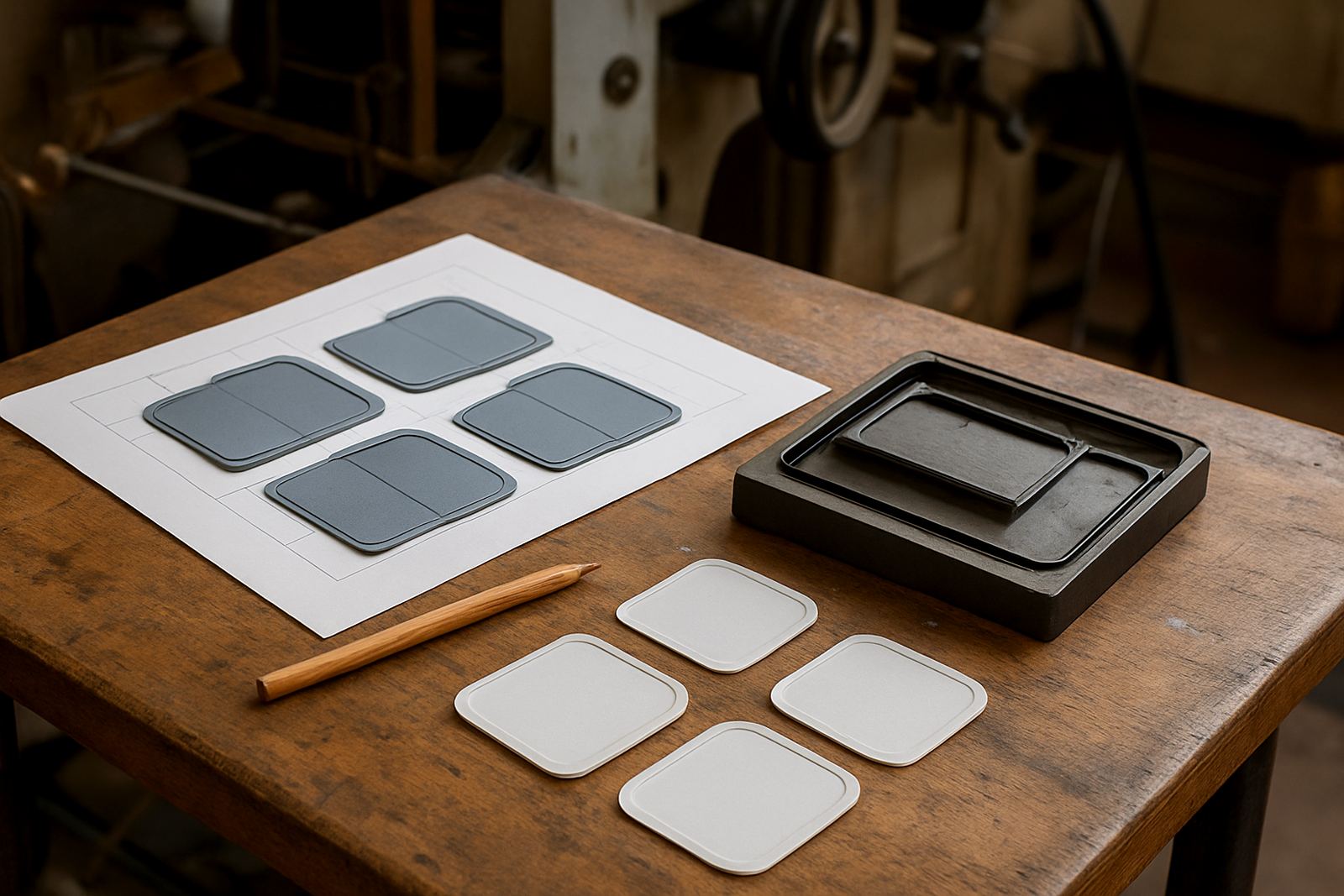
In label converting, most handling injuries do not happen at the machine itself, they happen during the small jobs in between, like lifting a die from a crate, checking a cylinder on a bench, or carrying tooling across a crowded floor. A rotary solid die, flexible magnetic die, or magnetic cylinder may look manageable, but the cutting edges, locator faces and sharp corners can still cause cuts, pinches and dropped loads if people rush the job.
Good safety practice starts with planning. Before a shift begins, the die room should have a clear path from dispatch to storage and from storage to the press line. Floors must be dry, benches clear, and the correct lifting aid ready. In summer humidity near the coast, packaging can soften and straps can slip, so the unpacking step needs extra care, not less.
For smaller Gauteng plants and busy coastal sites, the main risk is usually haste. One operator is waiting on the press, another is looking for a repeat job, and a third is still opening the crate. That is when gloves get missed and a die is carried in the wrong grip. A calm routine saves time in the end, even if it feels slower at first. It also reduces damage to bearer surfaces and cutting edges, which matters when tolerances are tight.
Safe unpacking and inspection at the loading bay
Every delivery should be checked before the tooling enters production. On arrival, inspect the outer packaging for crush marks, broken straps, moisture or signs that the pallet shifted in transit. If there is visible damage, set the unit down in a safe area and photograph it before opening. That record helps with traceability and keeps the team honest about what happened between dispatch and receipt.
When opening crates or wrapped packs, use the right cutting tool and keep the blade away from hands and the tooling surface. Never pull plastic tight around a die with bare fingers. If the packaging binds, cut away from the body and open in small sections. The goal is to expose the tooling without exposing anyone to a sudden edge or dropped piece.
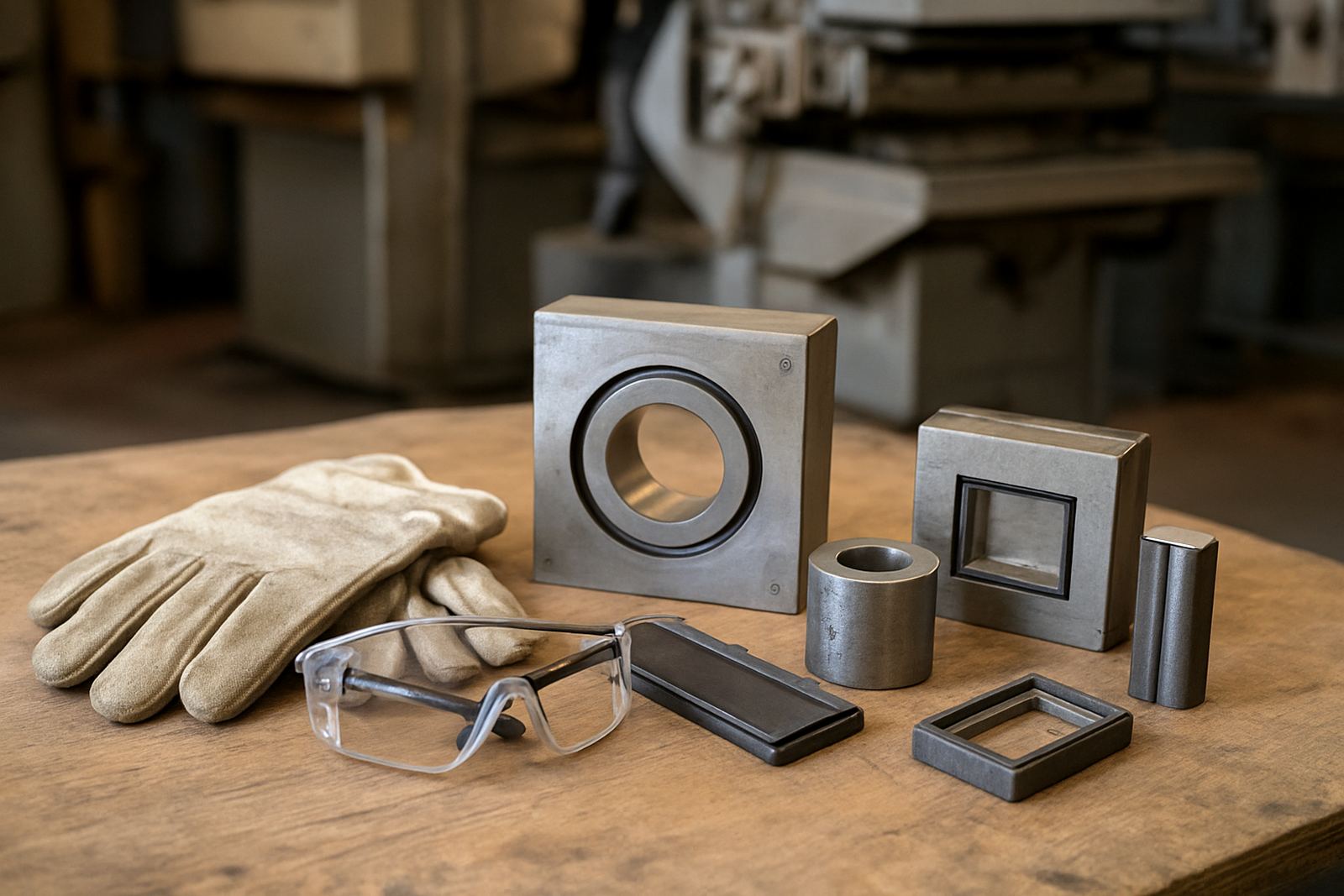
- Wear cut-resistant gloves when unpacking, lifting or wiping down sharp tooling.
- Use two people or a lifting aid for heavier cylinders and larger dies.
- Check for burrs, loose fasteners, damaged magnet faces and bent locator points.
- Keep the inspection bench clean so small defects are not missed.
- Log the job number, press name and condition on receipt for later reference.
A quick inspection also helps catch packing faults before the die reaches the machine. If a bearer face is nicked or a magnetic section is not seated properly, the press team can stop and report it before a running issue turns into waste. That kind of habit is worth more than any fancy sign on the wall.
Storage habits that protect people and tooling
Safe storage is not just about space, it is about control. Sharp tooling should never be left leaning against a wall, stacked loosely on a trolley, or stored where staff have to reach over one another to retrieve it. A proper storage system keeps each item labelled, separated and easy to lift without twisting the back or catching a hand on a corner.
Rotary dies and magnetic cylinders should be stored in a way that protects the cutting edge and preserves the reference faces. Flexible magnetic dies need flat support so they do not curl or pick up dust, while solid dies need stable racks that stop metal-on-metal knocks. In coastal areas like Durban, Bellville and Gqeberha, keeping the storage area dry matters too, because corrosion can creep in faster than people expect.
Good storage rules are often simple, but they must be followed every time. That means no loose offcuts on the floor, no open crates left in walkways and no tooling placed directly on concrete. Even a short delay in clearing the area can turn a tidy room into a trip hazard.
- Store by job number and press size so the correct tooling is found quickly.
- Keep dies off the floor and away from wash-down areas.
- Use protective sleeves or separators where edges could rub.
- Mark damaged or awaiting-repair items clearly so they are not reused by mistake.
Handling sharp tooling between the rack and the press
The move from storage to press is the point where most near misses happen. The operator is focused on the next job, the fork truck may be reversing nearby, and the die itself is awkward to grip. This is where clear roles matter. One person should lead the move, another should clear the route, and nobody should guess who is carrying which side.
When lifting a die, keep the load close to the body and avoid sudden turns. If a trolley is used, the surface must be level and the load secured so it cannot slide when the floor has a dip or a doorway lip. In older buildings around Germiston and Johannesburg, uneven floors are common, so slow movement is safer than trying to push through a bump at speed. A dropped die can damage the tool and injure a foot in the same moment.
Before the tooling is fitted, check that the press area is clear of excess stock, scrap and packaging. A clean installation zone makes it easier to set bearer pressure, check alignment and keep fingers away from pinch points. If the press is being changed over after load-shedding, confirm that all equipment is reset properly before anyone reaches into the machine. A restart after an outage deserves the same respect as a first setup.
Why labels, paperwork and repeat matching reduce risk
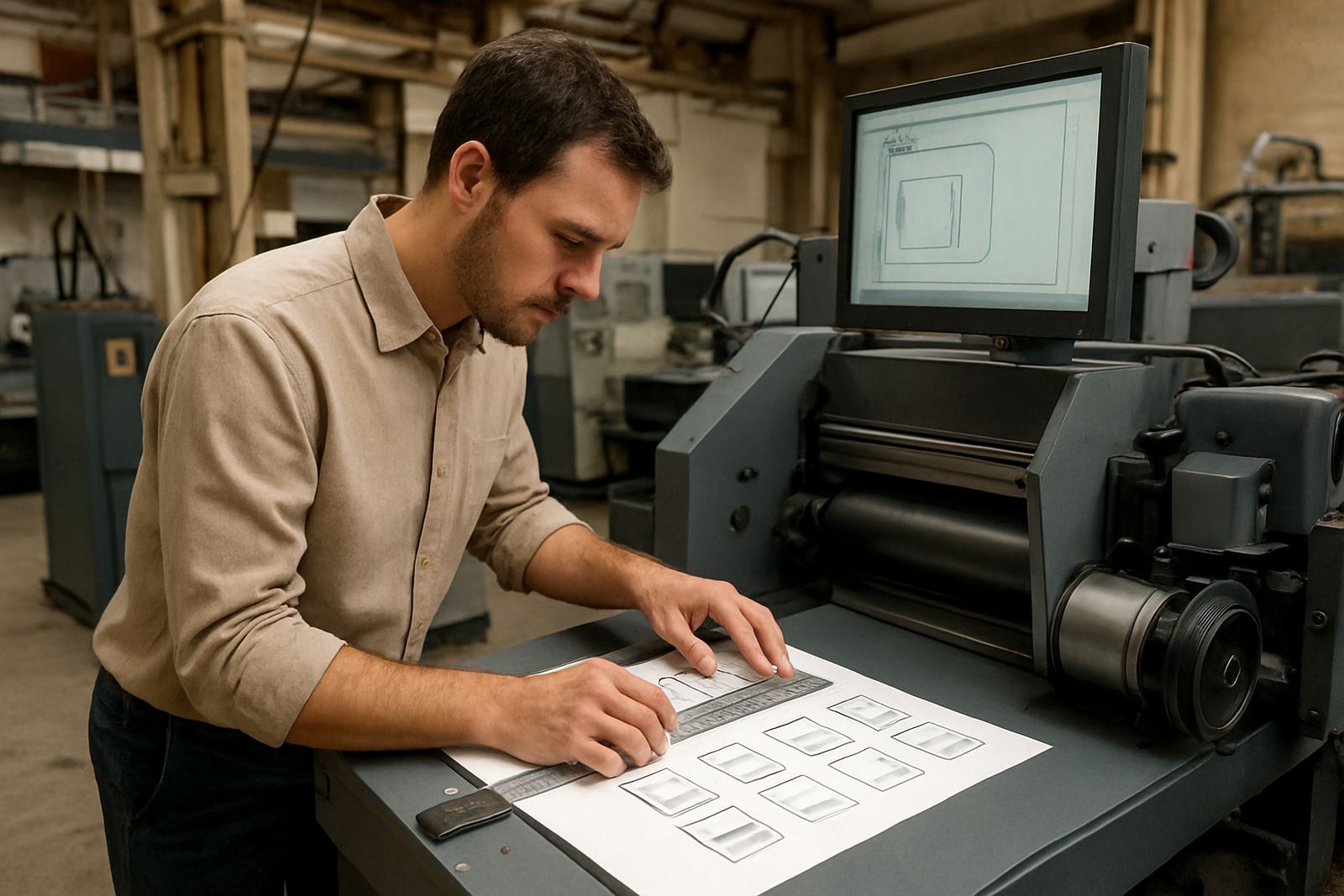
Safety improves when the paperwork is as clear as the hardware. A die that is marked correctly is less likely to be misused, and a job sheet that shows the right press, repeat and revision can save the team from lifting the wrong piece twice. That may sound basic, but it is one of the easiest ways to avoid rushed handling and expensive confusion.
For repeat matching jobs, always compare the incoming tooling against the current production record before it reaches the press. If a cylinder has been refurbished or a die has been regrind adjusted, the change should be visible on the instruction sheet. People should not have to remember every detail from memory when they are under pressure. Small errors in identification often become physical risks because someone stops checking and starts guessing.
Clear labels also help during dispatch and return. A clean return route means less clutter around the floor, fewer dead stacks near the press and less chance of someone moving the wrong item during a busy shift. In a plant serving Johannesburg, Pretoria or Cape Town, where delivery windows are tight and the next job is always waiting, that clarity keeps the day moving. It also helps reduce the kind of small shortcut that leads to cut hands or damaged edges.
A practical routine for South African production floors
Every site should have a short safety routine that is known by operators, setters, stores staff and dispatch. It does not need to be complicated. The important thing is that the same sequence happens every time, from unpacking to storage to return. Consistency is what keeps sharp tooling under control in a real production environment, especially when the day is already full.
A useful routine can look like this: receive and inspect, label and log, move with the right aid, fit carefully, clear the area, then return and store without delay. If any step is skipped, the next person inherits the risk. That is why safety is not only the responsibility of the machine operator, it belongs to the whole die room and the people who coordinate deliveries and dispatch.
- Start with a clear route and enough lighting for the whole move.
- Use gloves, closed shoes and the correct lifting aid every time.
- Keep the packing area and the press area separate.
- Report edge damage, corrosion or loose parts before the next run.
- Return tooling to its marked place as soon as the job is complete.
A disciplined die room reduces injury, protects tooling life and supports better press performance. It also makes busy shifts easier to manage, because everyone knows what to expect and where the next tool belongs.
Local pressure points: humidity, power cuts and fast turnarounds
South African converters deal with a few realities that make safety even more important. Coastal humidity can affect packaging and storage. Load-shedding can interrupt a changeover and leave tooling exposed on the floor longer than planned. Fast turnaround work can tempt teams to rush the unpacking step or skip a final check before the press starts again.
Those pressures are normal, but they should not change the standard. If anything, they make the standard more important. A plant in Pinetown, Bellville or Gqeberha may need a quicker turnaround than a quieter site inland, yet the team still has to keep hands away from sharp edges and keep the floor clear. Good habits travel well across regions because they are based on control, not convenience. That is the difference between a busy day and a risky one.
When the process is done properly, the result is not only safer handling. It is fewer delays, less damage and better confidence every time a die or cylinder arrives. That is what a practical safety culture looks like on the floor: steady, ordinary and reliable.