Why a die finish changes what happens at the adhesive line
When a rotary or flexible magnetic die cuts pressure-sensitive label stock, the blade edge is only part of the story. The coating or surface finish on the die can change how the face of the cut behaves, how easily adhesive releases, and how quickly the tool starts to pick up residue. On coated paper, uncoated paper, PP, PET and textured stocks, the same artwork can cut very differently once the adhesive and liner are in the mix.
In practice, a clean finish helps the knife separate the facestock without dragging adhesive across the edge. A rough or poorly matched surface can hold residue, which then transfers to the next repeat. That leads to ragged stripping, more stoppages and extra cleaning between runs. On long jobs, especially for Durban and Gqeberha printers dealing with humidity, the difference becomes obvious after only a few thousand metres.
- Lower friction at the cut point can reduce glue smearing.
- Better edge release helps with weeding and matrix removal.
- A suitable finish can improve repeat consistency across the full run.
- Less residue means fewer press stops for manual cleaning.
Matching coating choice to stock, adhesive and press speed
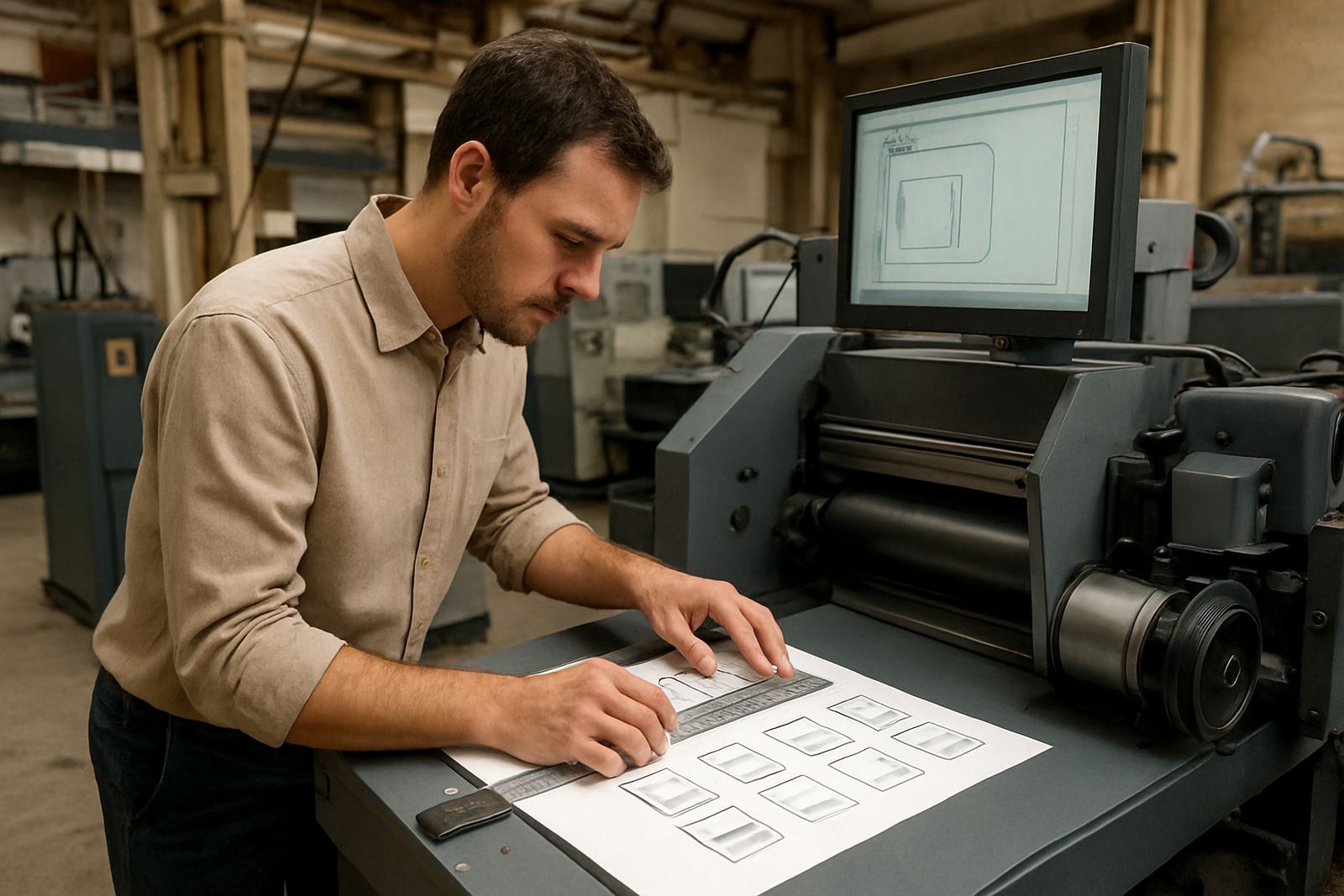
There is no single coating that suits every label line. The right choice depends on the stock thickness, the adhesive type, the press speed and whether the job is running on a narrow web converter or a wider label press. A die that performs well on coated wine labels may not behave the same way on industrial PP with aggressive adhesive. That is why CAD proofing and a proper sample check matter before production starts.
For converters running mixed work in Johannesburg or Pretoria, the most common issue is over-specifying a surface finish because the job looks difficult on paper. In reality, a careful match between cutting angle, bearer setting and coating can produce a cleaner cut with less wear. Where a job involves high-tack adhesive, the finish needs to help shed buildup, but it must still hold edge stability across the full repeat.
We normally look at four points before recommending a finish:
- The facestock, including paper, film, foil or laminated material
- The adhesive behaviour, especially whether it is permanent or high-tack
- The press conditions, such as speed, heat and drying time
- The cleaning routine used by the operator between runs
Wear patterns that tell you the surface is no longer doing its job
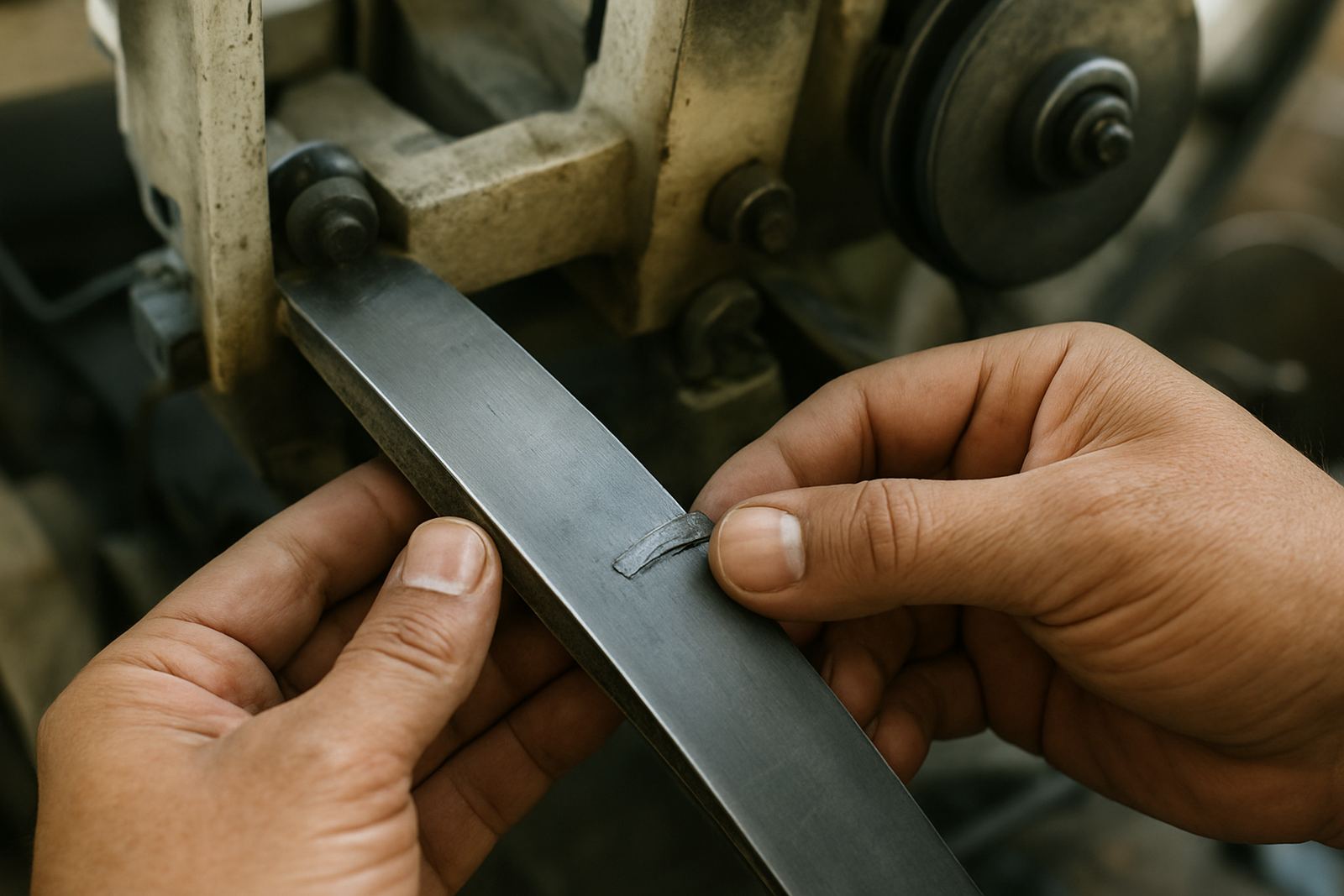
Wear does not always show up as a blunt blade first. Often the warning sign is adhesive transfer. You may see fine residue on the leading edge, then a slight increase in cutting force, followed by incomplete matrix removal or feathered edges. Once that starts, the die works harder, the press needs more adjustment and the cut quality can drift from one reel to the next.
In coastal areas, humidity can make the problem worse because adhesive softens more easily and dust sticks to any slightly tacky surface. Inland, heat and longer press runs can do the same thing. A die that is not cleaned correctly after a job may also hold microscopic buildup that affects the next run, even if the artwork and stock are different. That is why repeat matching and magnet checks are useful, not only when a die is old but also when a customer changes material.
Signs to watch for include:
- More frequent adhesive marks on the die face
- Rising pressure needed to keep the cut clean
- Edge burrs or rough corners on small text and fine detail
- Matrix lifting problems during stripping
- Uneven wear between repeats on the same cylinder
How cutting finish affects clean stripping and press uptime
Many label faults blamed on adhesive are actually cutting faults. If the die finish is too aggressive, the cut can disturb the adhesive layer and create a sticky edge that pulls dust and fibre. If it is too smooth for the stock, the blade may skate, leaving a partial cut that breaks down during stripping. Both outcomes cost time, and in a South African production schedule every hour matters when the next dispatch is already booked for the same afternoon.
Good surface finish management supports cleaner stripping because the cut is more consistent from lead edge to tail. That matters for long production runs to retail and industrial customers, and also for urgent remakes where there is no room for trial and error. In Germiston, we often see converters wanting a faster turnaround on the same job after a season change, but the material supplier has adjusted the adhesive batch. A small change in finish or regrind can save the run.
- Cleaner stripping reduces web breaks and operator intervention.
- More stable cutting helps maintain register on faster presses.
- Better wear control can extend the usable life of the die or cylinder.
- Less residue keeps the next job from inheriting the previous one’s problems.
Local example from a busy Gauteng label run
A converter in Wadeville was running a medium-tack bottle label on a paper facestock with a varnished face. The first batch was fine, but once the ambient temperature climbed and the press speed increased, adhesive transfer started to show on the cutting edge. The result was slower stripping and more stops for cleaning. The issue was not the artwork, it was the finish interacting with the adhesive under warmer conditions.
After reviewing the stock details, bearer setting and press conditions, the die was adjusted and the cutting surface renewed to suit the job better. The next run held its edge more consistently, and the operator reported cleaner matrix removal over the full reel. The same customer later repeated the job for a Durban order with a different liner and asked for a note on the finish, because the coastal humidity had changed how the adhesive behaved. That kind of simple record keeping saves money.
The lesson is straightforward. If the coating or surface finish is treated as part of the cutting spec, not an afterthought, the whole line becomes easier to run. It also makes repeat work more predictable when customers in Johannesburg, Cape Town or Pinetown want the same label again months later.
What to ask for before you approve a repeat or remake
If a job is coming back for repeat production, ask for the previous cutting notes, any cleaning issues and a check on the stock or adhesive batch. A repeat die should not be copied blindly when the material has changed. Small differences in coating, glue strength or liner release can alter the outcome enough to justify a fresh proof or a die regrind.
Practical checks before approval should cover both the tool and the job setup. That includes whether the die still holds tolerance, whether the magnet checks are acceptable, and whether the surface finish is still suitable for the current stock. When there is urgency, especially on delivery routes to Pretoria, Bellville or Gqeberha, it helps to capture the exact symptoms early so the remake is correct the first time.
- Confirm the stock type and adhesive specification
- Check whether the original job had adhesive transfer or edge wear
- Ask if the press speed, temperature or web tension changed
- Review whether a press trial support run is needed before full production
- Note any change in courier or dispatch timing that affects the turnaround
A practical approach that keeps cutters working longer
The best coating and cutting decisions are usually the simple ones. Match the finish to the stock, keep the cutting edge clean, watch for early wear and do not assume that last month’s setup will suit this month’s material. That approach gives better life from rotary solid dies, flexible magnetic dies and magnetic cylinders, and it helps the operator avoid unnecessary stoppages.
For printers and converters working across South Africa, from Germiston to Cape Town and Durban, the real value is consistency. A die that cuts cleanly, releases adhesive properly and wears at a controlled rate protects output and keeps dispatch moving. When a finish is chosen properly, the press team spends less time fighting residue and more time getting good labels off the machine.
If you need advice on die design, coating selection, repeat matching or urgent remakes, use the enquiry form on our contact page and send through the stock details and job notes. The more precise the information, the easier it is to match the finish to the cut.