What bearer wear changes on the press
Bearers do one simple but important job: they help control how the die meets the anvil or counter surface. When those bearing surfaces start to wear unevenly, the pressure is no longer shared the way it should be. That is when a clean, repeatable cut can start turning into a problem that looks like a setting issue, but keeps coming back even after the machine is checked.
In practice, bearer wear can affect the whole job. You may see one side cutting harder than the other, light spots across the web, or a die that seems to need more and more pressure to do the same work. On narrow labels this can show up as slight fuzzing on the edge. On wider formats it can create a band of inconsistency across the roll, which is often missed until the press operator starts chasing it through the run.
At our Wadeville, Germiston base we see this often on repeat label work where the same tool has been running for years. The wear is gradual, so it is easy to live with for a while, but once the pressure pattern changes enough the job starts costing extra material and time.
Visible signs your bearer surfaces need attention
The most useful clue is not a dramatic failure but a pattern. If the same material, the same setup and the same operator suddenly give different results, bearer wear should be checked. A good press can hide a small issue for a short time, but it cannot fully compensate for uneven support. In humid coastal areas like Durban and Gqeberha, people sometimes blame the climate first, but the wear can be mechanical and the weather only makes the problem more noticeable.
- Cut depth changes from one side of the web to the other.
- One area of the die starts marking harder than the rest.
- The press needs extra pressure just to keep the cut complete.
- Small label shapes start pulling, nicking or lifting at the corners.
- Repeat jobs no longer match the original set-up notes.
- You can hear a slight knock, chatter or uneven contact during the run.
If any of these signs keep returning after basic adjustments, the bearer surfaces need a proper inspection. Sometimes the issue is wear on both sides, sometimes it is localised damage from a mis-set run, and sometimes the bearer was never fully aligned in the first place.
How worn bearers affect cut consistency and pressure
When bearer wear starts to deepen, operators often compensate by raising pressure. That can get the job through the shift, but it may also flatten the cut window and make the die less forgiving. The result is a tool that cuts too hard in one area and too lightly in another. In label converting, that usually means more waste and a press that becomes harder to keep stable over a full production run.
Over time, worn bearers can also lead to uneven stress on the cutting edge. That is not just a quality issue, it can shorten the life of the die itself. If the bearer is no longer carrying the load properly, the cutting edges do more of the work than they should. The job then becomes more likely to need a regrind, a refit or an urgent remake.
- Higher pressure can speed up wear on both the die and the mating surface.
- Uneven loading can make repeat jobs harder to match.
- Heat build-up may increase on longer runs, especially where the press is already busy.
- Packaging waste rises because operators trim away more offcut and reject more labels.
For converters working under tight delivery windows, the cost is not only the tool. It is also the lost hours on press, the extra material, and the calls from customers asking why a repeat order is not matching the previous batch.
What to check before blaming the whole die
Not every cut problem comes from bearer wear, so it is worth checking the basics before taking the tool out of service. A press can drift out of set-up after a blade change, a material change or a long run. Still, if the same adjustments keep failing, the bearer should move up the list fast.
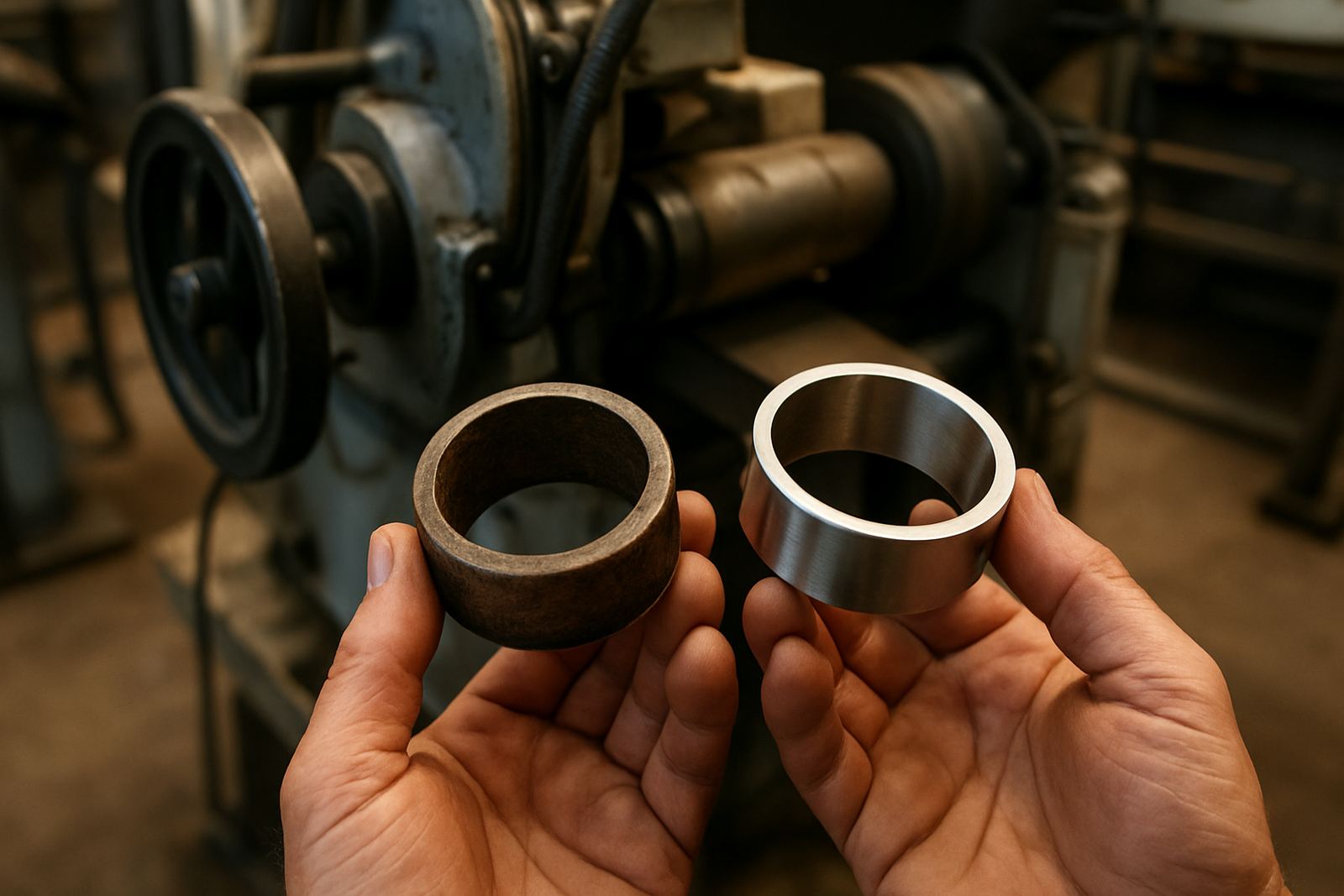
Start with the simple things. Confirm the stock thickness, check whether the web tension has changed and make sure the press is clean around the contact areas. Then inspect the bearer surfaces for flat spots, polishing, scoring or uneven contact marks. If the marks are stronger on one side, that usually tells a clearer story than the operator notes do.
- Check whether the problem appears on one repeat only or on all repeats.
- Inspect the cut edge for crush, not just incomplete cutting.
- Look for matching wear on the die and the mating surface.
- Compare the current setup with the original CAD proof or repeat record.
- Confirm whether the issue follows the tool or stays with the press.
In Johannesburg and Pretoria we often get calls after a run has already been pushed too far. That makes the final diagnosis harder, because the die has been forced to work under poor conditions. A quick bearer check early in the shift is usually cheaper than running the job through and sorting it later.
Why local repeat jobs show bearer wear sooner
Repeat work is where bearer wear tends to become obvious. If a tool has already done many runs, even a small change in bearer height or surface finish can affect the cut. The press crew may remember the last setting, but the tool has still aged in service. On higher-volume label work, especially in Gauteng where presses often run many short jobs in a day, that gradual wear shows up sooner than people expect.
A simple local example: a converter in Germiston running a food label repeat on a narrow web starts seeing one side of the cut go light after several hundred metres. The first reaction is to increase pressure. That helps for a while, then the opposite edge begins to show crush marks. In the end the issue is traced to bearer wear, not the material. The job was never badly designed, it just needed the tool checked before the wear pattern grew into a bigger fault.
That is why repeat matching matters. If a job returns after months of storage or after a different press has run it, the bearer condition should be part of the review. Small changes can make a big difference when the tolerances are tight.
When to ask for bearer setting, regrind or replacement
Once bearer wear is confirmed, the right fix depends on how far the wear has gone. In some cases a careful bearer setting can restore proper contact. In others, the die needs a regrind, a cylinder refurb or a more substantial remake. The aim is not to keep forcing a tired tool to behave, but to get the pressure pattern back where it should be.
Bearer work is worth reviewing if you notice any of the following:
- The same job keeps needing more pressure every time it comes back.
- Cut consistency has dropped across multiple runs, not just one shift.
- The die shows visible wear bands or uneven contact marks.
- Press trials keep failing on the same side or at the same repeat.
- Operators are spending too much time compensating for the same fault.
For label printers and converters in Durban, Cape Town, Bellville and Pinetown, transport delays can make the timing tight, so it helps to flag the issue early and keep the next run from being affected. Proper bearer checks, practical press trial support and good delivery coordination can save a lot of unnecessary back and forth.
A practical way to stay ahead of bearer wear
The best approach is to treat bearer wear as part of normal maintenance, not as an emergency. Keep notes on pressure changes, repeat dates and any side-to-side differences in cut quality. If a tool starts showing early warning signs, take it out for inspection before it burns through more stock. That kind of discipline is boring, but it saves money and keeps production steadier.
For South African label printers, the pressure is often not just mechanical. Load-shedding, schedule changes and urgent customer calls all make it tempting to push a job through with a tired tool. But when bearer wear is the real cause, that shortcut usually becomes the expensive option.
At LabelCutter Dies, we work with rotary solid dies, flexible magnetic dies and magnetic cylinders for label converters across South Africa. If a repeat job is starting to show the signs above, it is better to check the bearers early than to chase the fault through the whole run.