What really sets the clock on tooling jobs
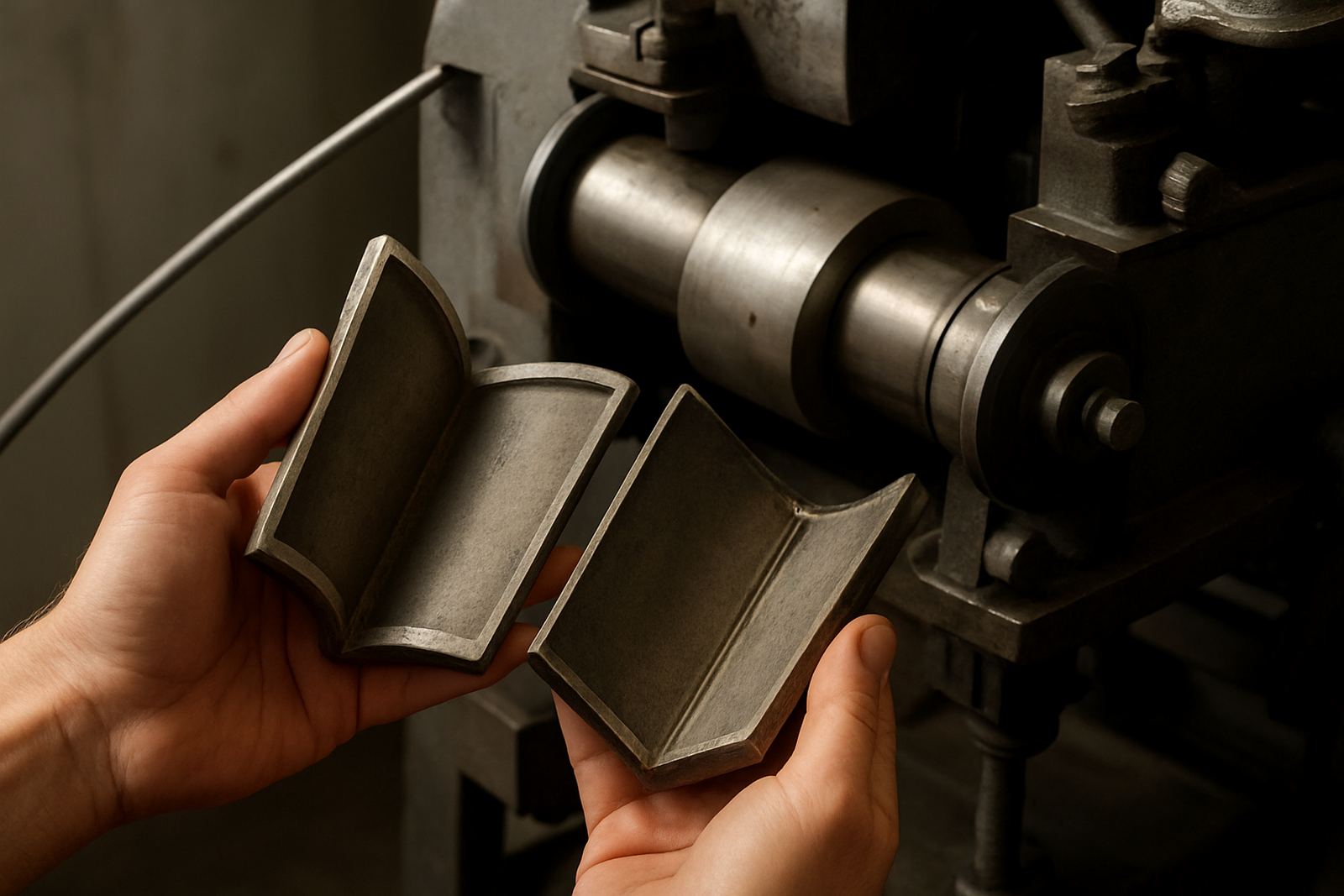
In label converting, a quoted lead time is only as good as the information behind it. A rotary solid die, flexible magnetic die or magnetic cylinder must be matched to the press, the repeat length, the artwork and the stock being run. If one of those details is missing, production stops to check, measure or remake.
For South African printers and converters, local conditions matter too. Load-shedding can interrupt machine time, transport between Germiston, Johannesburg, Pretoria or Durban can stretch a day if dispatch misses the collection window, and coastal humidity in places like Durban or Gqeberha can affect handling if tooling is left packed too long before use.
The biggest time drivers are usually simple: clarity of the spec, whether the tooling is a new order or a repeat, how much checking is needed before machining, and whether the press setup needs an adjustment on arrival.
The details that speed a job up or slow it down
When a converter sends a clean instruction pack, the job moves faster through design, machine shop work and dispatch. When the pack is incomplete, every missing detail adds another round of phone calls and measurement checks. That is where avoidable delay starts.
- Repeat jobs move faster when the previous dimensions, bearer settings and approval notes are still valid.
- New tooling takes longer if artwork scale, label count, repeat length or substrate thickness is unclear.
- Press trials add time when the press setup has changed since the last run.
- Urgent remakes can still be completed quickly, but only if the old tooling is returned or the fault is clearly described.
- Transport and packing matter when tooling must travel between Gauteng, KZN or the Western Cape without damage.
A small typo in a repeat length or a missing thickness measurement can cost a full day. On a tight schedule that is often the difference between same week delivery and a missed production slot.
Why repeat work should still be checked
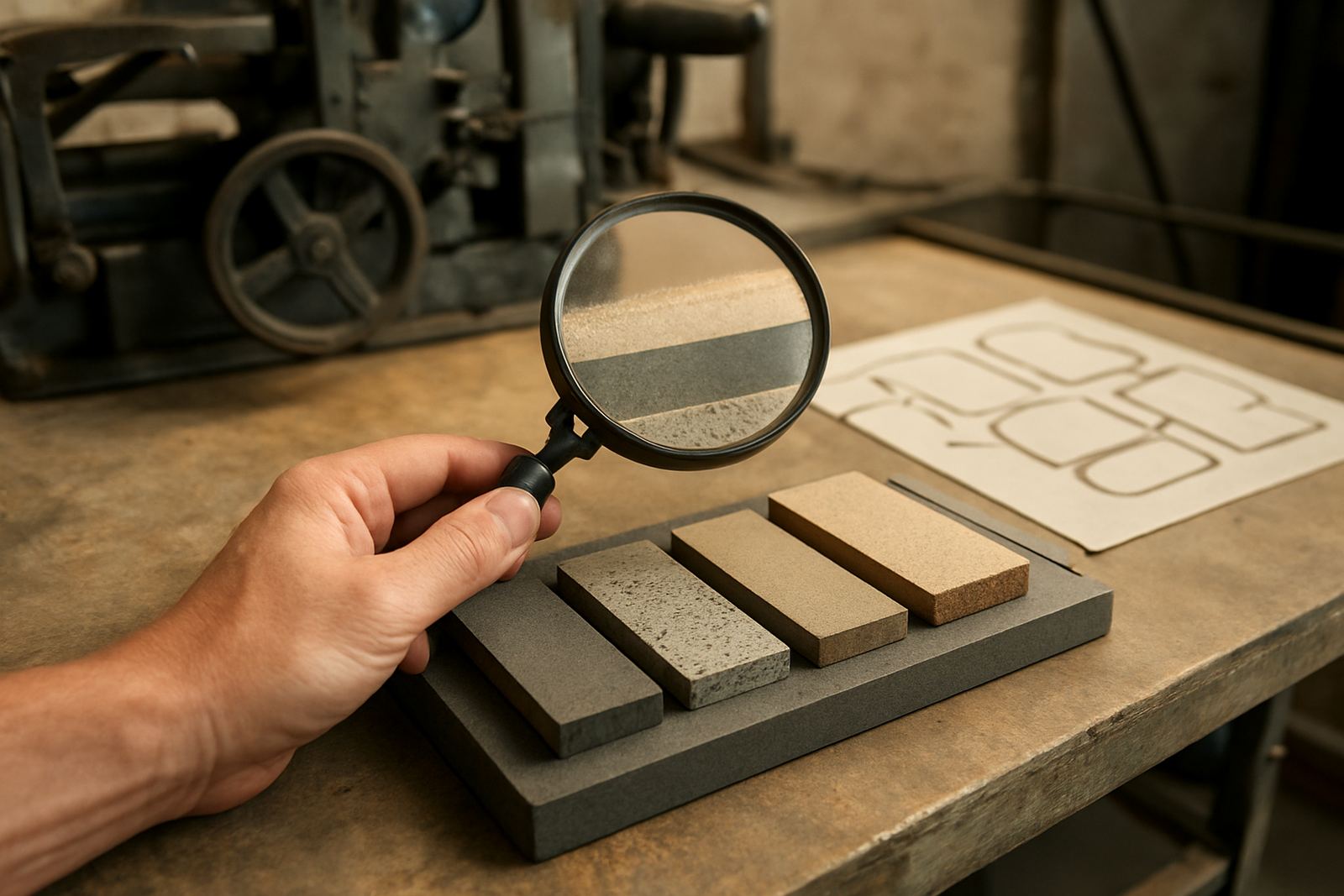
Repeat matching sounds straightforward, but a job that ran six months ago may not drop straight back into press without a check. Wear, regrind history and bearer condition can all shift the cutting profile. Even a good die can drift if it has seen high volumes or if the press operator has changed the setup method.
That is why repeat jobs are best treated as confirmed repeats, not automatic copies. A proper check on the old sample, the current artwork and the press condition reduces rework later. If a cylinder has been in service for a long time, a refurb or magnet check can be worth doing before the next run starts.
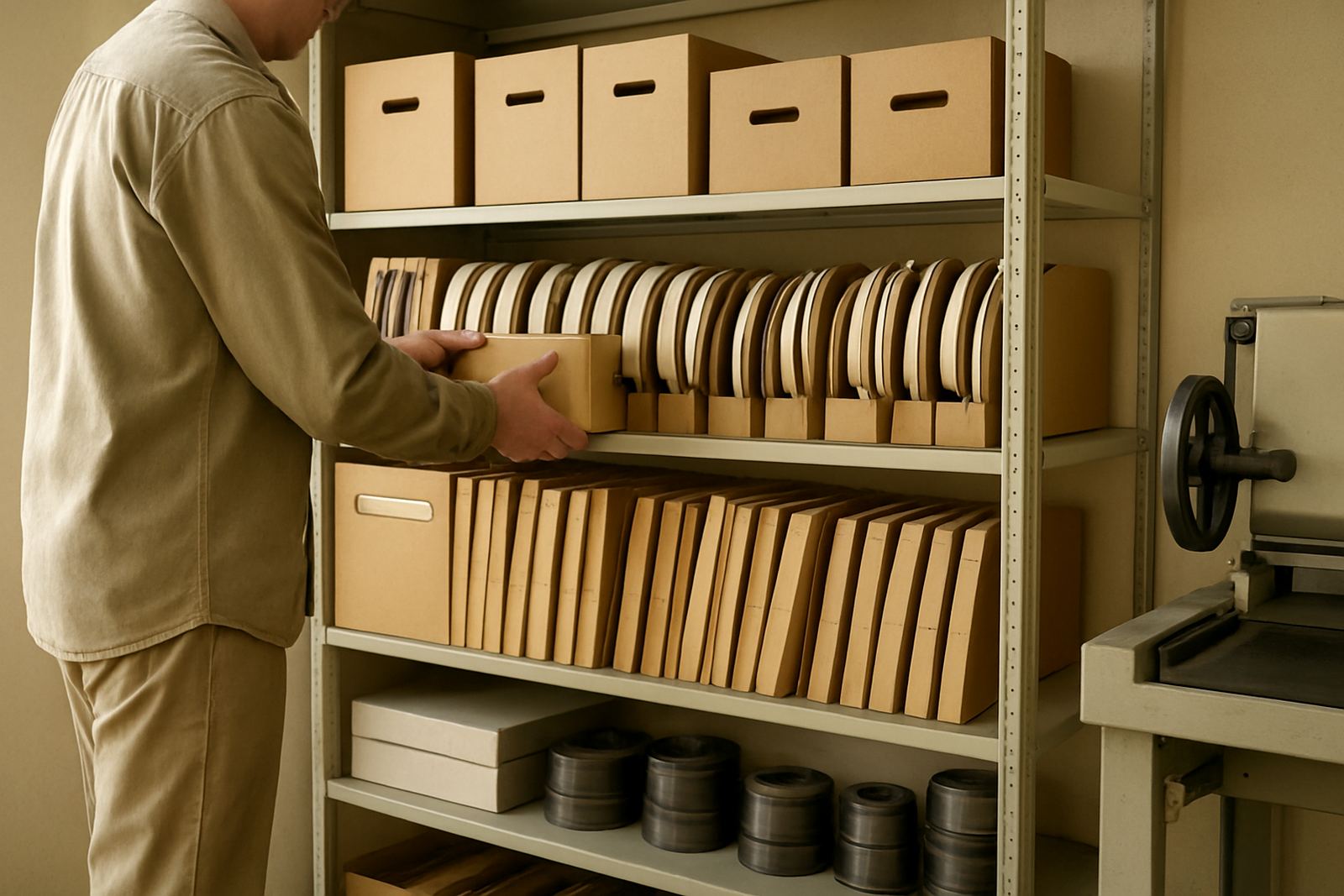
In practice, repeat work is fastest when the converter keeps one clean sample, one approved drawing and one clear note of the press used. That simple habit can save a lot of back and forth.
How local packing and dispatch affect delivery dates
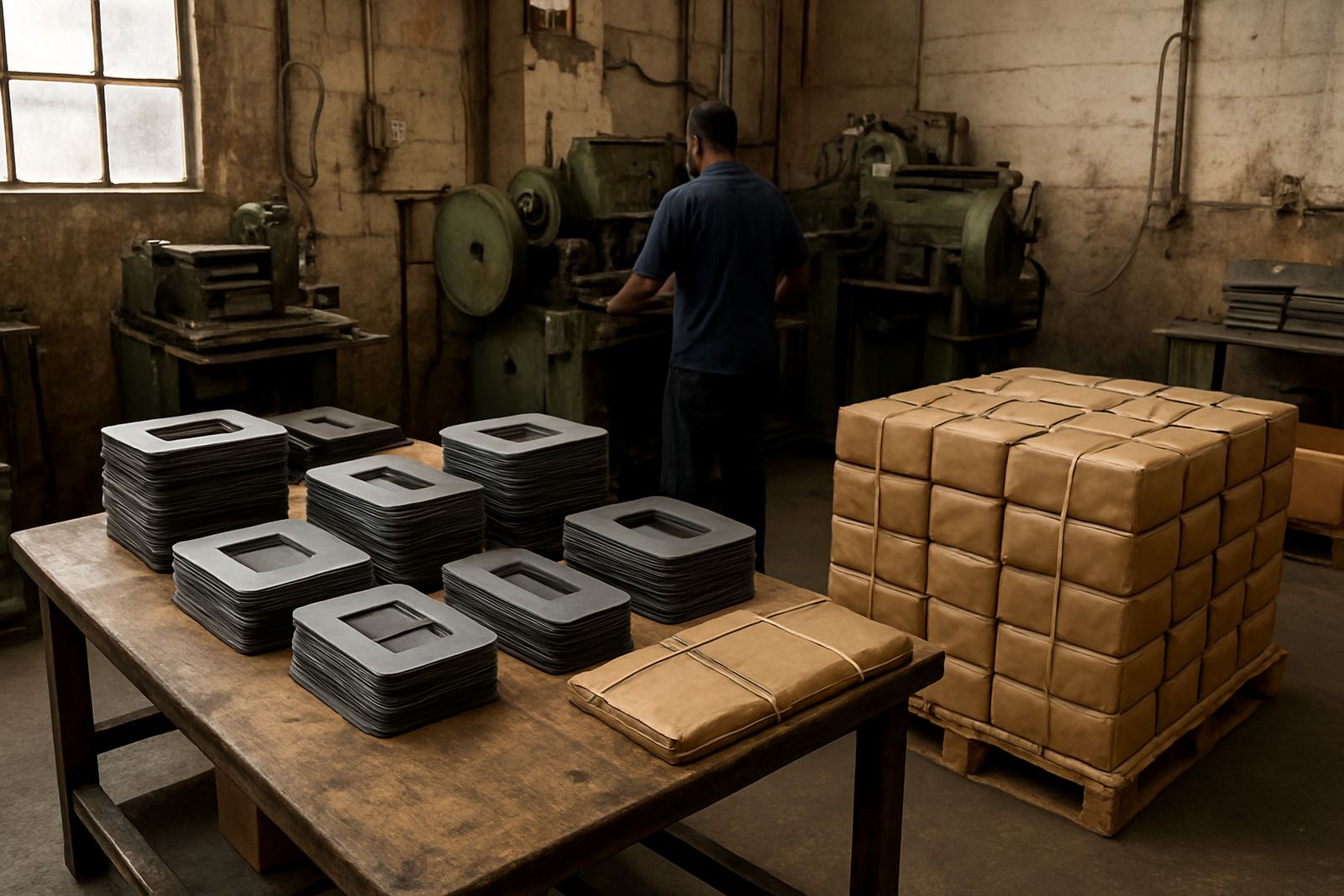
Tooling does not just need to be made, it has to arrive in a condition that can go straight to press. In South Africa, delivery timing is often shaped by the route, the branch area and whether the tooling is packed for road vibration and moisture exposure. A die leaving Wadeville for Cape Town is not the same as a hand delivery in Germiston or Johannesburg.
Proper packing also matters for coastal work. Durban, Pinetown, Bellville and Gqeberha all see enough humidity and air movement to make careless packing a bad idea. If tooling is sealed badly, or left open in storage, corrosion marks and surface issues can slow the next job before it starts.
- Ask for dispatch timing early if the press booking is fixed.
- Make sure the delivery address and site contact are correct.
- Confirm whether the tooling is going to one plant or several branches.
- Allow for municipal traffic patterns and site receiving hours in metro areas.
Good dispatch coordination saves more time than most people expect. A completed die sitting in a vehicle queue is not finished work, it is just waiting.
How converters can reduce avoidable delays
The quickest way to shorten lead times is to give a complete brief the first time. That means clean artwork, exact repeat length, substrate details, press make and model where relevant, and any notes about past problems such as poor cut, dirty magnet faces or uneven bearer pressure.
It also helps to separate the urgent from the routine. If a line is due to run tomorrow, say so upfront. If the order is a stock replenishment for next month, that should be booked differently. Clear priority makes it easier to plan machine time, proofing and delivery without pushing other work off the schedule.
Conveying the real deadline is not a nice-to-have. It allows the production team to decide whether the job can go through normal routing, needs urgent remake handling, or should be collected and installed with trial support.
A Germiston example from a tight production week
A converter in Johannesburg needs a flexible magnetic die for a label run on Monday morning. The artwork is approved, but the previous sample was stored without a drawing note and the press had a bearer adjustment after the last job. If the team sends only the artwork, the order will likely slow down while dimensions are confirmed.
Now compare that with a complete brief: old sample, repeat length, substrate thickness, press details and a clear collection window. The job can move from CAD proofing to machine work, then into packing and dispatch without unnecessary stops. If there is an issue on press, the support team can check the setup and advise before the whole batch is affected.
That is the practical difference between a fast lead time and a frustrating one. In a city like Johannesburg, where production windows are often tight and transport can be unpredictable, the best time saver is information that is complete on day one.