Start With the Problem, Not Just the Urgency
When you submit an urgent remake request, the first thing we need is a plain description of what went wrong. Was the die cutting too deep, missing corners, leaving burrs, or refusing to register after a change in artwork? That single note helps us decide whether the issue points to wear, bearer setting, magnet damage, or a design change. If you can tell us whether the job is on a rotary solid die, flexible magnetic die, or magnetic cylinder, we can narrow down the fix.
The best urgent requests include the job name, substrate type and the press speed at which the fault appeared. If the line is running in Wadeville, Germiston or out at a Durban converter in humid conditions, those details matter because board swell, adhesive behaviour and temperature can shift the cut. A short note like “fails after 4,000 sheets, fine on short run, breaks on heavier stock” often saves a full round of questions.
Send the Right File, Sample and Size Details
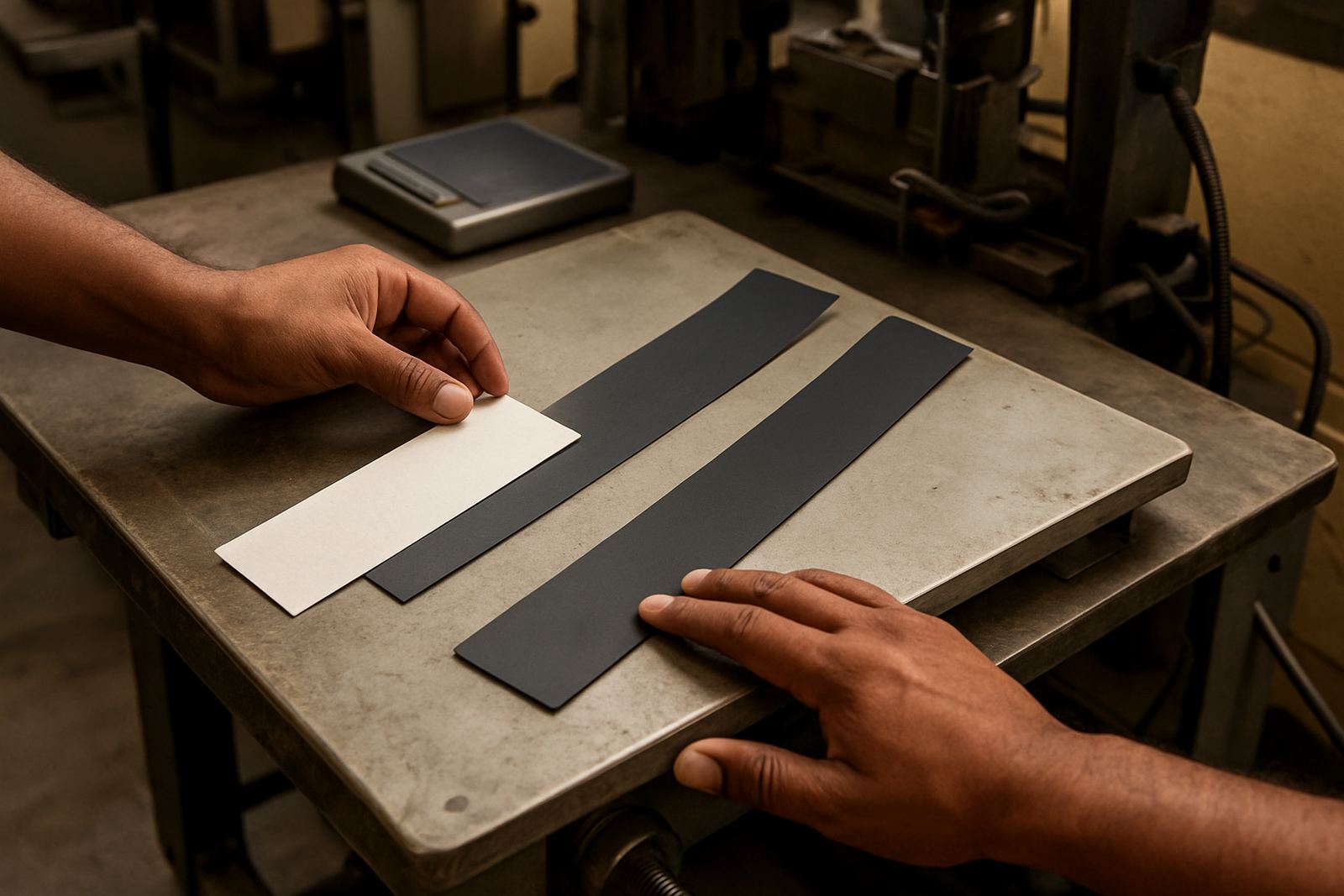
For a remake, we need the dimensions as they are on the press as well as the artwork file. A clean PDF or CAD file is useful, but the critical points are repeat length, cut depth, pitch, diameter and any relevant bearer measurements. If the die is matching an existing tool, send the previous sample, even if it is worn. A used sample tells us more than a fresh drawing when timing is tight.
Include the face material, liner thickness and whether the job is kiss cut, through cut or perforated. If the current tool has a cracked section or an area that has gone dull, mark it clearly on the sample or in a note. For urgent repeats, a photo of the damaged edge and the stripped waste can help us spot a bearing issue or a magnet problem before the tool even reaches the shop floor.
- Job name and order reference
- Press type and sheet or reel format
- Material build-up and thickness
- Old sample or a marked-up specimen
- Clear note on what failed and when
What Helps Assessment at Wadeville
At our Wadeville, Germiston base, urgent remakes are assessed in a fixed sequence so there is less back-and-forth. First we check whether the issue is a direct repeat, a modified repeat, or a full remake. Then we compare the supplied sample against the latest file and inspect the cutting face, magnet condition and any cylinder wear. If the tool can be salvaged with die regrind or cylinder refurb, we will say so early rather than sending a replacement too soon.
Clean information also helps us decide whether bearer setting or magnet checks are needed before a remake is released. A small error in setup can look like a bad die, especially on long runs where pressure drifts through the shift. It is common to find that the tool is acceptable but the press setting has changed, so press notes and samples help us separate tool faults from machine faults.
Tell Us About the Deadline and Delivery Point
An urgent remake is not only about the tool, it is also about getting it to the right place in time. Tell us whether the delivery is needed in Germiston, Johannesburg, Pretoria, Durban, Pinetown, Cape Town, Bellville or Gqeberha. If the job must arrive before a night shift or before load-shedding starts, that changes the packing and dispatch plan. A confirmed delivery suburb or industrial area helps us choose the right route and avoid wasted time on handovers.
If your print line is waiting on a single tool, say so clearly. For example, a converter in Pretoria may need the remake for a Thursday afternoon changeover, while a label printer in Cape Town may only have a narrow window before the next municipal outage window or booked press slot. When we know the real deadline, we can plan delivery coordination and press trial support with less risk of a missed run.
- Exact delivery area or branch requirement
- Preferred handover time
- Whether the press can stop for fitting
- Any after-hours or same-day constraint
- Contact person for receiving and checking the tool
What We Check Before a Remake Leaves the Shop
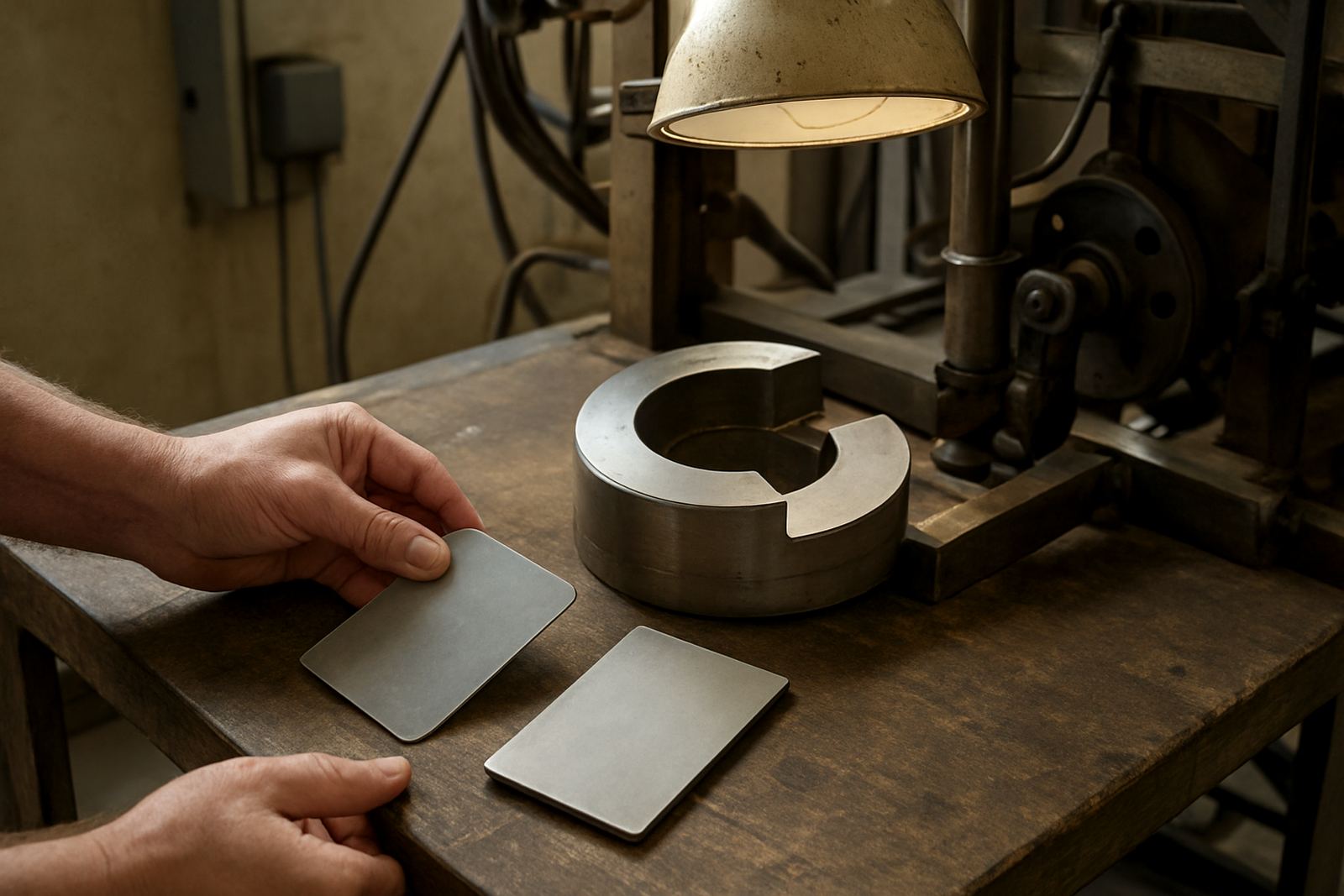
Before dispatch, the remake is checked against the request, the sample and the approved dimensions. That includes the cutting profile, surface condition, magnet fit where relevant, and any repeat points that must line up on press. If we are making a rotary solid die, the bearer area and alignment are checked with care. For flexible magnetic dies, we also confirm that the fit is correct across the full length so the cut stays even from start to finish.
Where a cylinder is involved, we check whether a cylinder refurb or surface correction can solve the issue instead of a full replacement. It saves time and it reduces cost, which matters when a run is already behind. We also keep an eye on packing so the edge stays protected in transit. A good remake can still arrive damaged if it is moved loosely, so the wrap and box size are part of the process too.
A Local Example From a Tight Durban Run
Say a Durban label printer is running a short coastal order for a food client and the existing magnetic die starts dragging on one side after a humid night. The team phones through an urgent remake request and sends the old sample, the press details and a marked photo showing where the cut is failing. Because the request includes substrate thickness and the exact delivery point, we can assess whether the fault is wear, a magnet issue or a repeat change. In that kind of case, the difference between a fast remake and a slow one is usually the quality of the first message.
If the same job were running in Pretoria on a dry winter morning, the symptoms might look different but the process stays the same. Good information lets us support the press crew, advise on stock if the repeat has changed, and get the replacement moving without unnecessary delay. That is why urgent remake work is most efficient when it starts with facts, not just pressure.
A Simple Request Checklist Before You Submit
If you want the quickest possible turnaround, use a short internal checklist before you send the enquiry form. It helps your team gather the right details once, instead of chasing them after the press has already stopped. Even when the matter is urgent, a few extra minutes at the start can save hours later.
- Confirm the exact tool type
- Attach a sample or marked photo
- State the fault clearly
- Share the repeat and size details
- Give the delivery area and deadline
- Note whether press trial support is needed
For repeat work, also mention if the last approved tool was adjusted, regrindd or refurbished. That small detail can tell us whether the new remake should follow the older spec or the more recent press-approved version. Once the request is complete, we can move from assessment to production and keep the job on track.