Why Multi Up Balance Matters On The Press
When a label job is imposed multi up, the press is not only cutting one repeat, it is managing several lanes at once. If those lanes are not balanced, one side can pull harder than the other, and you start seeing uneven cut depth, register drift, or labels that lift at the corners. On a busy converting floor in Wadeville or Jet Park, that kind of inconsistency costs time very quickly.
Good balance is not just about neat layout on paper. It is about how the material behaves once it is under tension, through the rotary unit, and into rewind. The die has to share load in a sensible way so the web stays predictable. That matters whether you are running a short pack label order for a local brewery or a longer pharmaceutical run for export cartons.
- More even cut pressure across all lanes
- Less chance of one lane wandering off register
- Cleaner stripping and rewind performance
- Fewer emergency stops during long shifts
What Makes A Multi Up Layout Stable
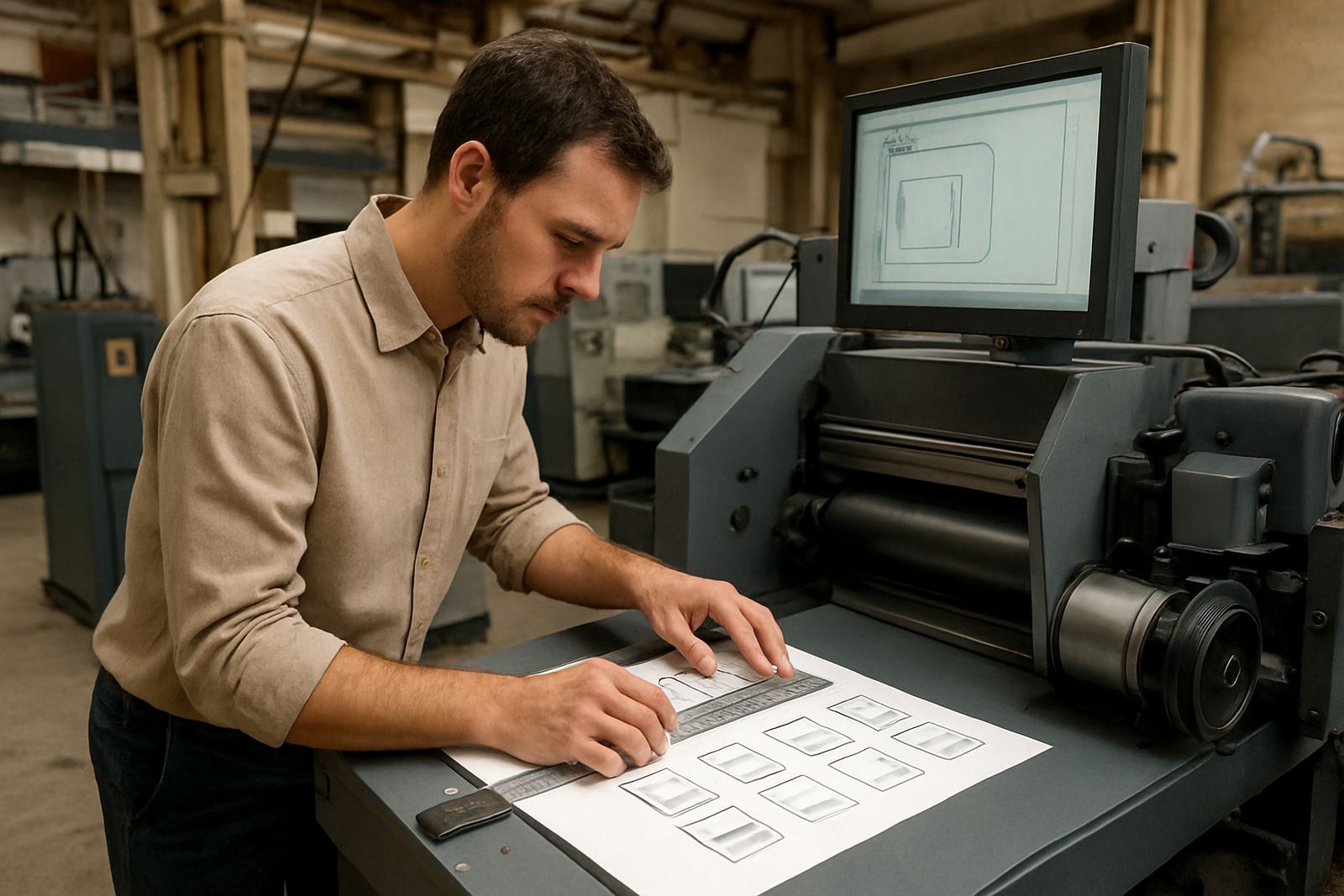
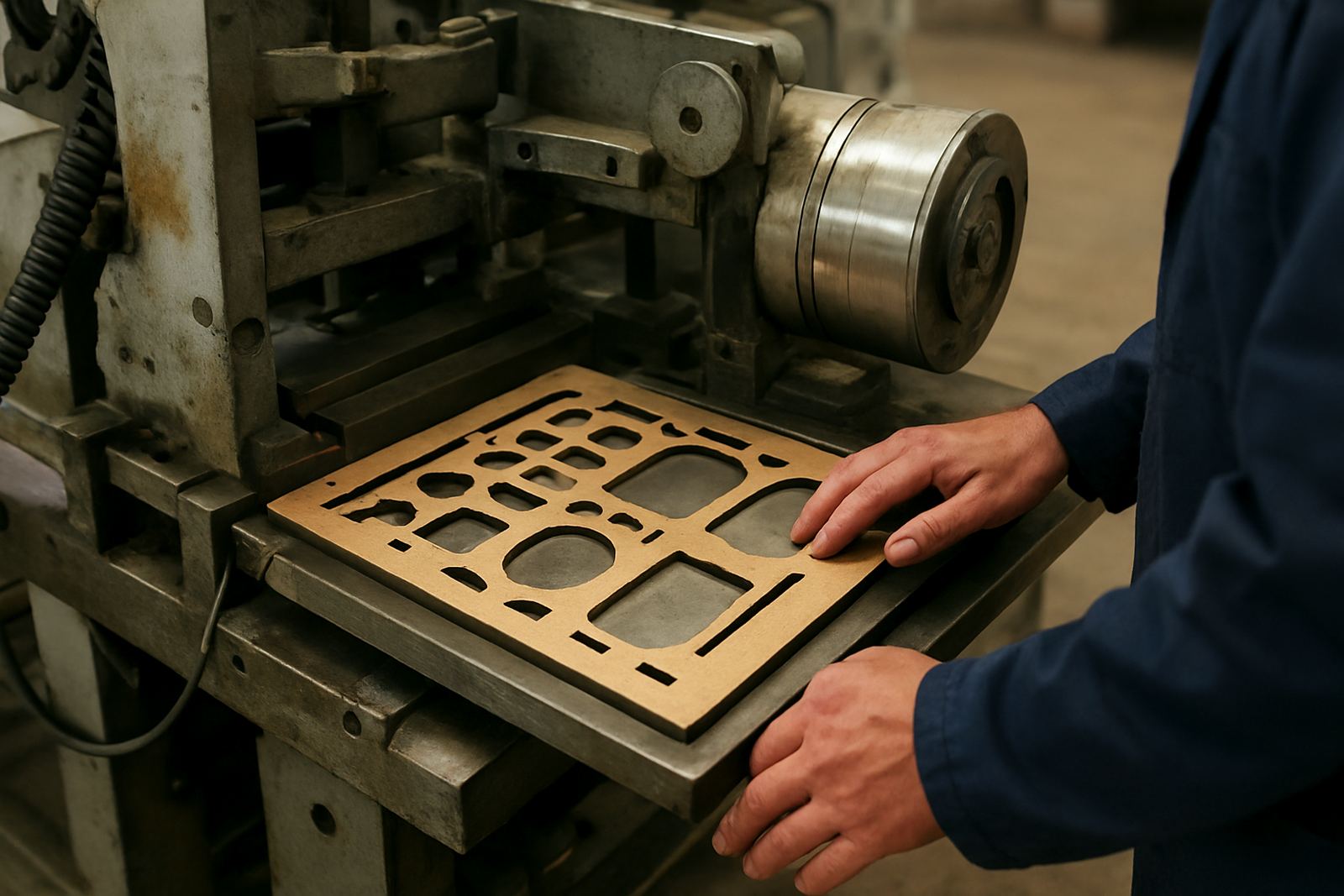
Stable multi up work starts with the relationship between the cavities, the bridge areas, and the amount of open space left around each label. If one lane has many small cavities and the next lane has larger solid areas, the die can load unevenly. The same applies when the repeat is wide on one side and tight on the other, which is why CAD proofing needs to be done with care.
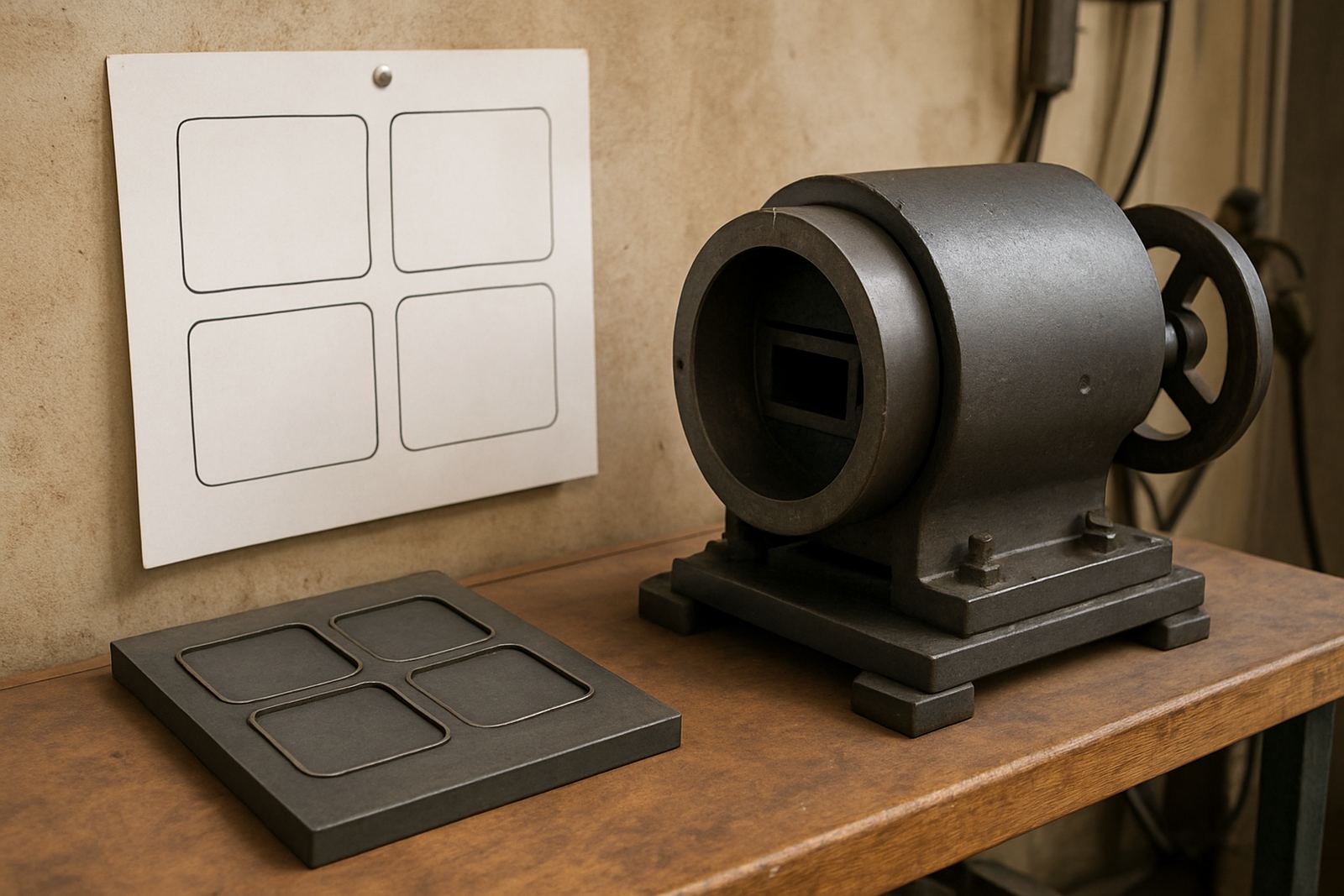
In practical terms, we look at the whole lane pattern, not only the individual shape. A well set rotary solid die or flexible magnetic die should cut cleanly without making the press operator chase the job. For multi up balance, small adjustments in spacing can make a big difference, especially on coated stocks or thinner self adhesive materials that react quickly to pressure changes.
- Equalise cavity distribution across all lanes
- Keep bridge widths consistent where possible
- Match repeat count to material strength
- Check how the design strips between lanes
How We Set Up Dies For Different South African Runs
South African label printers work under real constraints, from load-shedding interruptions to humid conditions on the coast and tighter turnaround expectations in Gauteng. That means a multi up die has to be practical as well as accurate. A job that is balanced in theory but fussy in the machine shop or on the press is not much help.
At our Wadeville base, the process usually starts with die design and CAD proofing. We check lane spacing, repeat length, bearer setting and the way the die will behave on the specific press setup. If the job is a repeat match, we compare against the previous tool so the new die follows the same cutting feel. For urgent remakes, we focus on keeping the balance close to the original while correcting any wear or drift.
That approach helps across Johannesburg, Pretoria, Durban, Pinetown, Cape Town, Bellville and Gqeberha, where converters may be running different stocks and machine types in the same week. One job may need a solid rotary tool, while another needs a flexible magnetic die with a carefully set cylinder. The point is to keep the press working in a way that the operator can trust.
Signs Your Multi Up Job Is Out Of Balance
Operators usually spot imbalance before it becomes a major fault. The clues can be subtle at first, then they build up as the run continues. If the waste starts pulling unevenly or one lane needs more tension correction than the others, the die or layout should be checked before the issue spreads through the batch.
Common warning signs include:
- One lane cutting deeper than the others
- Uneven stripping or broken matrix on one side
- Labels drifting out of register on the rewind
- Scuffing, dusting or lifting at the corners
- Extra press fine tuning needed every few hundred metres
If a converter sees the same issue across a repeat order, it is often a sign that the balance has shifted with wear, bearer condition or a change in substrate. A die regrind or cylinder refurb can restore the feel, but only if the underlying lane distribution is reviewed first.
Practical Checks Before You Release The Job
Before a multi up job goes to press, a quick check saves a lot of grief later. The team should confirm the cavity spacing, the material width, the bearer contact and whether the die face is suited to the stock. On some jobs, a small adjustment to the layout will prevent a long run of trial waste. It is boring work, but it keeps the job moving.
We often recommend a press trial support review for new combinations of stock and repeat. If the converter is changing material supplier or moving the job to a different machine, the balance can shift even when the artwork stays the same. That is especially true on narrower webs where a few millimetres make a real difference.
- Confirm lane count against the final web width
- Check the repeat against the press cylinder setting
- Inspect bearer setting and contact pressure
- Review strip points before the full run starts
- Keep spare packing and dispatch notes clear for repeat work
A Local Example From A Durban Multi Up Run
A converter in Durban called for help on a multi up wine label job running on a coastal shift, where humidity had already changed the stock behaviour by mid morning. The first lane was clean, but the outer lanes were picking up light scuffing and the matrix was turning brittle at the edge. The problem was not the artwork. It was the way the cavities were sharing load across the width of the web.
After checking the design, we adjusted the cavity distribution and rechecked the magnetic cylinder setup. The result was a steadier cut and less waste at the rewind. The operator did not need to keep baby sitting the job every few hundred metres, which meant the order finished on time instead of slipping into the next shift. Small fix, real saving.
That is the point of multi up balance. It does not need drama, just a proper look at how the die and press are working together. Once the job is stable, the rest of the line usually follows.
When To Ask For A New Tool Versus A Refurb
Not every imbalance means a brand new die. If the tool has only mild wear, a die regrind or cylinder refurb may restore the cut quality enough for another production cycle. If the lane pattern itself is flawed, though, refurb work will only carry the problem forward. The decision comes down to whether the issue is wear, setup, or design.
Our technical sales and machine shop teams look at the full picture before recommending the next step. That can include stock advice, magnet checks, and packing and dispatch planning if the order needs to move quickly between branches or delivery areas. For printers in Johannesburg, Pretoria, Cape Town or Gqeberha, the aim is simple: get the right tool to the press, balanced properly, and ready to run without fuss.
Multi up balance is not a nice to have. It is one of the main reasons a label job runs predictably, especially where speed, material variation and delivery timing all matter at once.