Why a clean cut starts breaking down
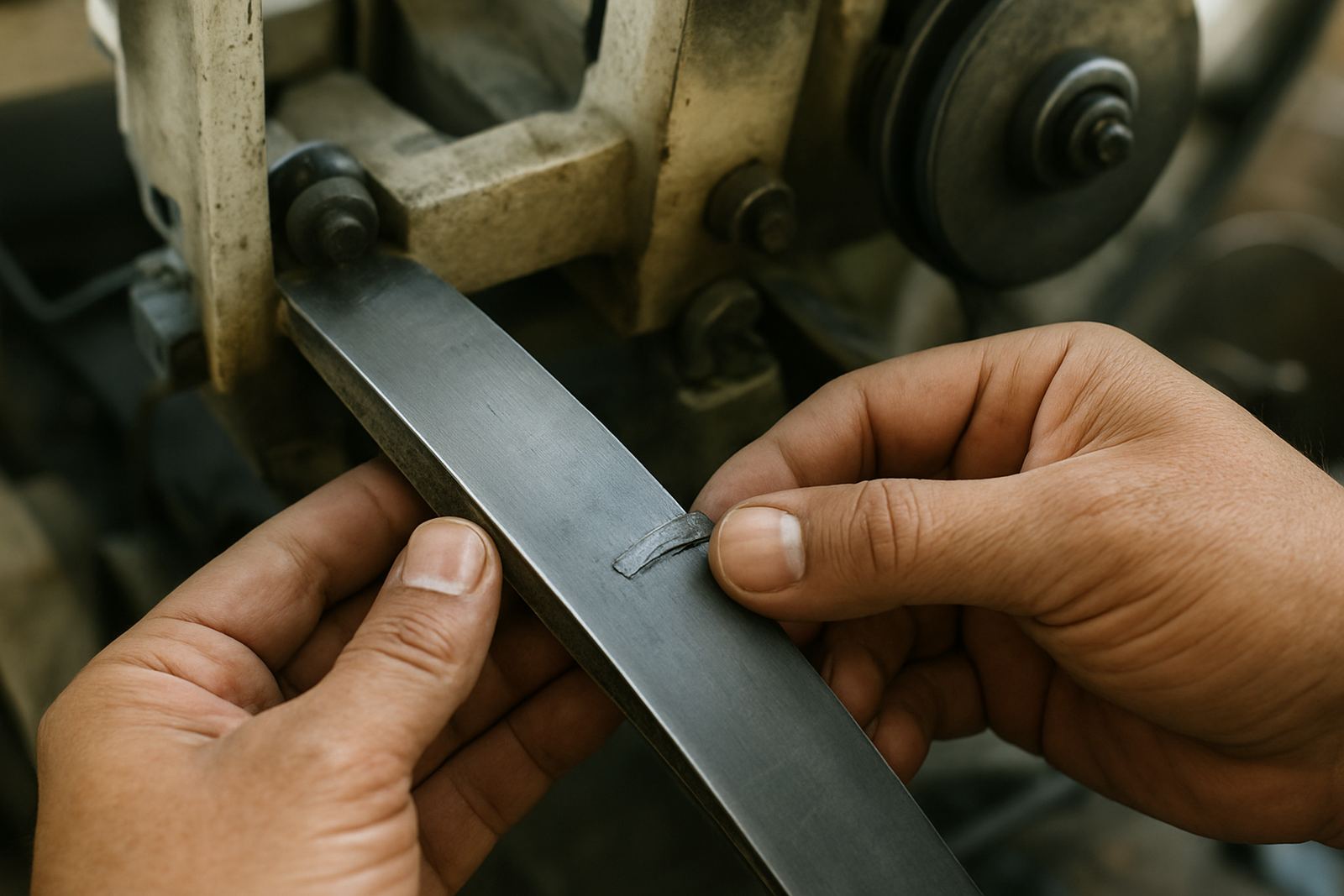
A die edge usually chips for one of a few practical reasons. The most common is pressure that is set too high for the material and the tooling, so the edge takes a hammering every time it meets the web. Another cause is mismatch between the job spec and the die type, especially when a converter is moving between paper, film and laminated stocks without adjusting bearer setting or cut depth.
Metal fatigue can also show up after repeated use, particularly on older tooling that has already had a few regrinds. In humid coastal conditions, such as Durban or Gqeberha, poor storage can add to the problem if the die is left exposed, and surface corrosion starts at the weakest point. On shorter runs, rough handling during mounting and removal can chip an edge just as quickly as a long production shift can.
The signs the die is telling you
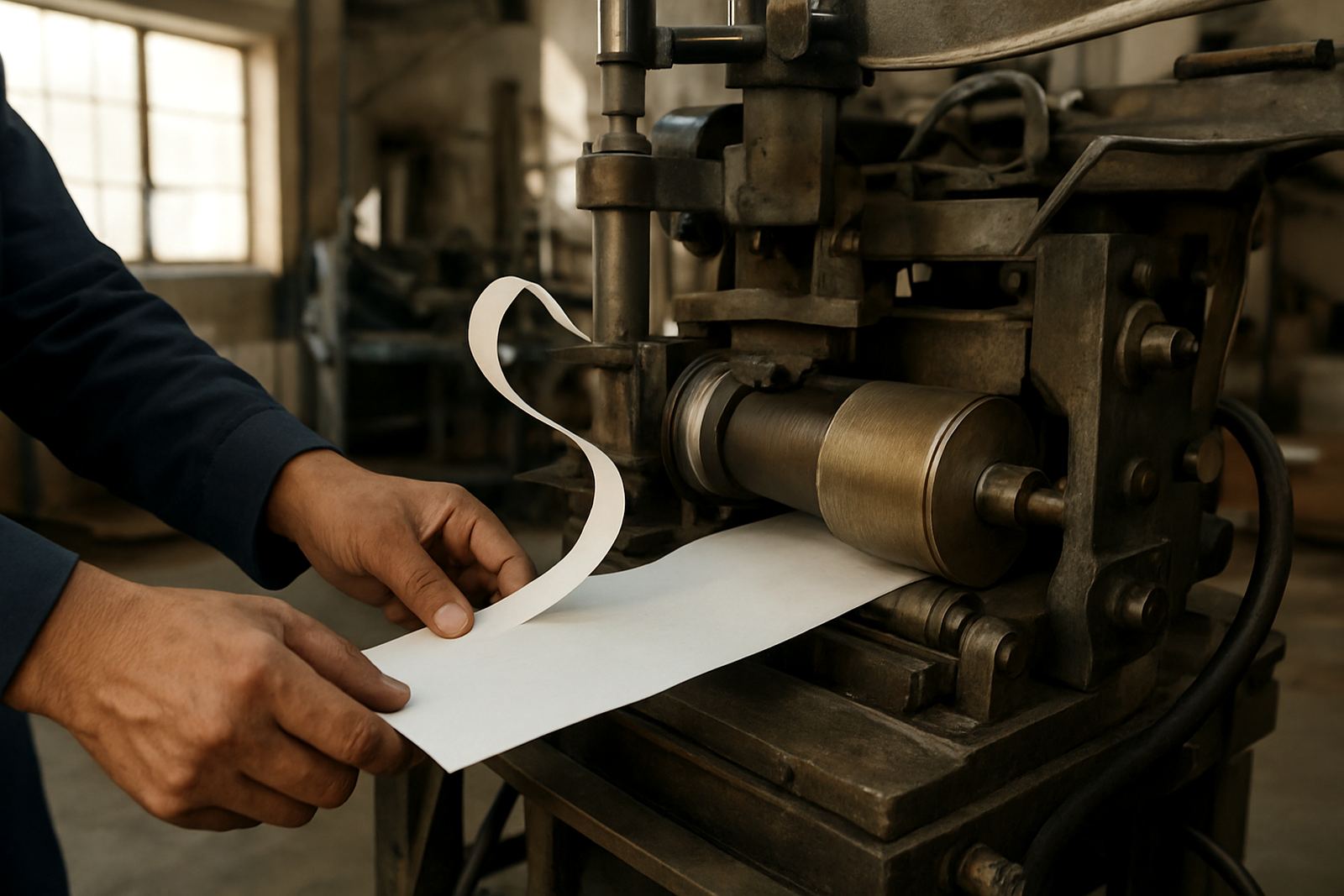
When a cutting edge chips, the press usually gives a few warnings before the damage becomes obvious. You may see labels with tiny tears on one side, incomplete kiss cuts, or a jagged edge where the waste matrix should release cleanly. On some jobs the fault only shows up after a few hundred impressions, which is why operators sometimes blame the substrate first when the real issue sits in the tooling.
- One corner of the label starts to lift or snag
- Cut depth becomes uneven across the web
- Waste stripping needs more pull than usual
- Fine details look crushed instead of cleanly cut
- The press needs more stops for cleaning or adjustment
If the same fault repeats after the press setup has been checked, that is often a sign the edge has taken damage, not just that the job was out of spec.
Handling mistakes that turn into costly repairs
Some chips happen in the shop long before the die reaches the press. Dropping a die onto concrete, stacking it without protection, or letting it rub against another tool can damage the cutting line. This is a common problem during rush work, especially when teams are trying to get a Johannesburg or Pretoria delivery out before the afternoon load-shedding window closes in.
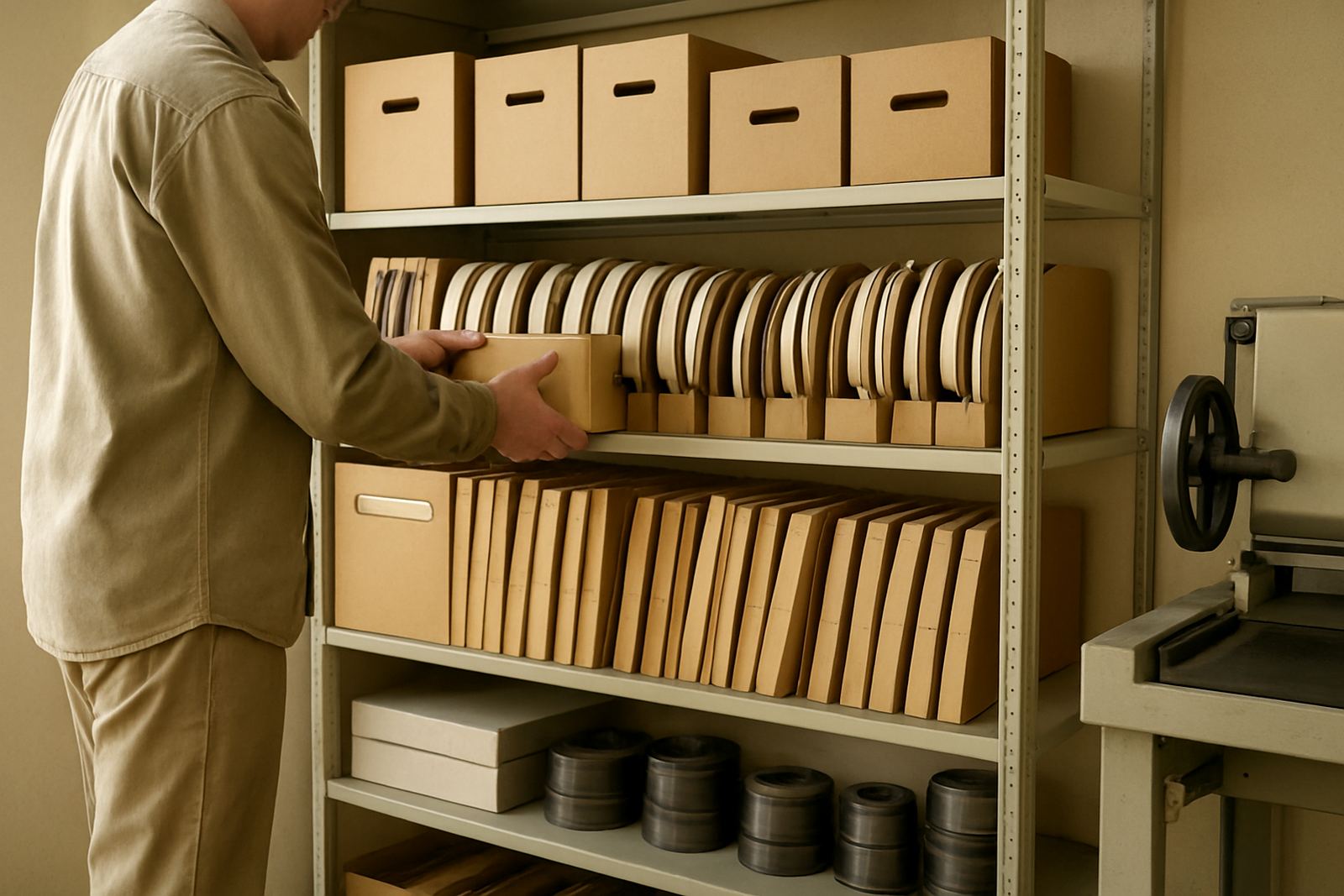
Storage matters too. A die left on a damp floor or in an open rack near a wash area can pick up moisture and contamination. Over time that weakens the edge, and a small nick becomes a bigger failure under pressure. A simple check before dispatch or before the next press trial can save a full remake later on.
- Keep dies in protected racks or sleeves
- Do not stack heavy tools on top of cutting faces
- Wipe down after use to remove adhesive dust and residue
- Check for movement in the mounting points before each run
When a regrind is enough and when it is not
Not every chipped edge means the tool is finished. If the damage is light and localised, a controlled regrind may bring the edge back into working order. That is often the best route when the base body is still true, the cutting profile remains accurate and the job can tolerate a small amount of material removal. For repeat work, this can keep costs down and get the die back on press sooner.
But a remake becomes the wiser choice when the chip is deep, the edge has multiple weak spots, or the die has already been reground several times. If the profile has drifted out of tolerance, a repair may only buy a short run before the next failure. The same applies when a customer is running high-value labels with tight register and cannot afford another spoilage cycle. In those cases, starting fresh is often the cleaner decision.
We usually look at the condition of the edge, the job history and the likely repeat frequency before advising on repair or remake. A die that works for a short local run in Germiston may not be the right answer for a long production batch heading into Cape Town or Durban where the schedule is tighter and the cost of delay is higher.
What to check before you call for a remake
Before you order a new tool, it helps to rule out setup faults that can mimic edge damage. A press that is out of alignment, a magnetic cylinder with wear marks, or a bearer setting that is too aggressive can all make a good die look faulty. Even the wrong packing method can make the cutting line appear chipped when the real issue is pressure distribution.
Here is a practical checklist that helps narrow it down:
- Confirm the substrate is the same as the approved sample
- Check for pressure marks across the full web width
- Inspect the magnetic cylinder and mounting points for wear
- Compare the fault against the previous run, if there was one
- Look for adhesive build-up or debris on the cut line
If the problem follows the die across machines and across operators, then the tool is usually the source. If it changes with setup, it is worth fixing the press conditions first.
Why repeat matching and CAD proofing help prevent a bad rerun
Chipped edges are frustrating because they often happen on jobs that were already proven. That is where repeat matching and CAD proofing make a real difference. When the original specification, artwork and tooling records are checked carefully, the remake follows the right tolerances instead of copying a worn-out fault from the old die.
For converters in Johannesburg, Pinetown, Bellville and the wider Gauteng area, this can save a lot of back-and-forth. If a remake is needed, the aim should be to correct the cause, not just reproduce the shape. That means checking the cut line, the material thickness and the press conditions together before the next run starts.
At our Wadeville, Germiston base, the practical approach is simple: inspect, measure, advise, then make the right call. Sometimes the answer is a regrind or cylinder refurb. Sometimes the correct answer is a new die made to tolerance so the next batch runs cleaner and lasts longer.
A local example from a Durban repeat run
A converter in Durban recently came in with a repeat label job that had run well for months, then started showing small chips on one side of the cut. The first assumption was that the substrate had changed, but the stock was identical. After checking the die and press setup, the issue came down to wear on an older edge combined with slightly high pressure on one section of the web.
Because the fault was small, we advised against an immediate full remake. The tool was assessed, the pressure settings were corrected and the job was trialled again. That worked for the short term, but the die had already had enough wear that a remake was scheduled for the next production cycle. That saved the client from an emergency failure halfway through a larger order.
This is the point where a good decision matters most. If the edge is only lightly damaged, there may be room to recover it. If the chip is part of a wider wear pattern, carrying on is often false economy.