Why an island cut needs more than a sharp edge
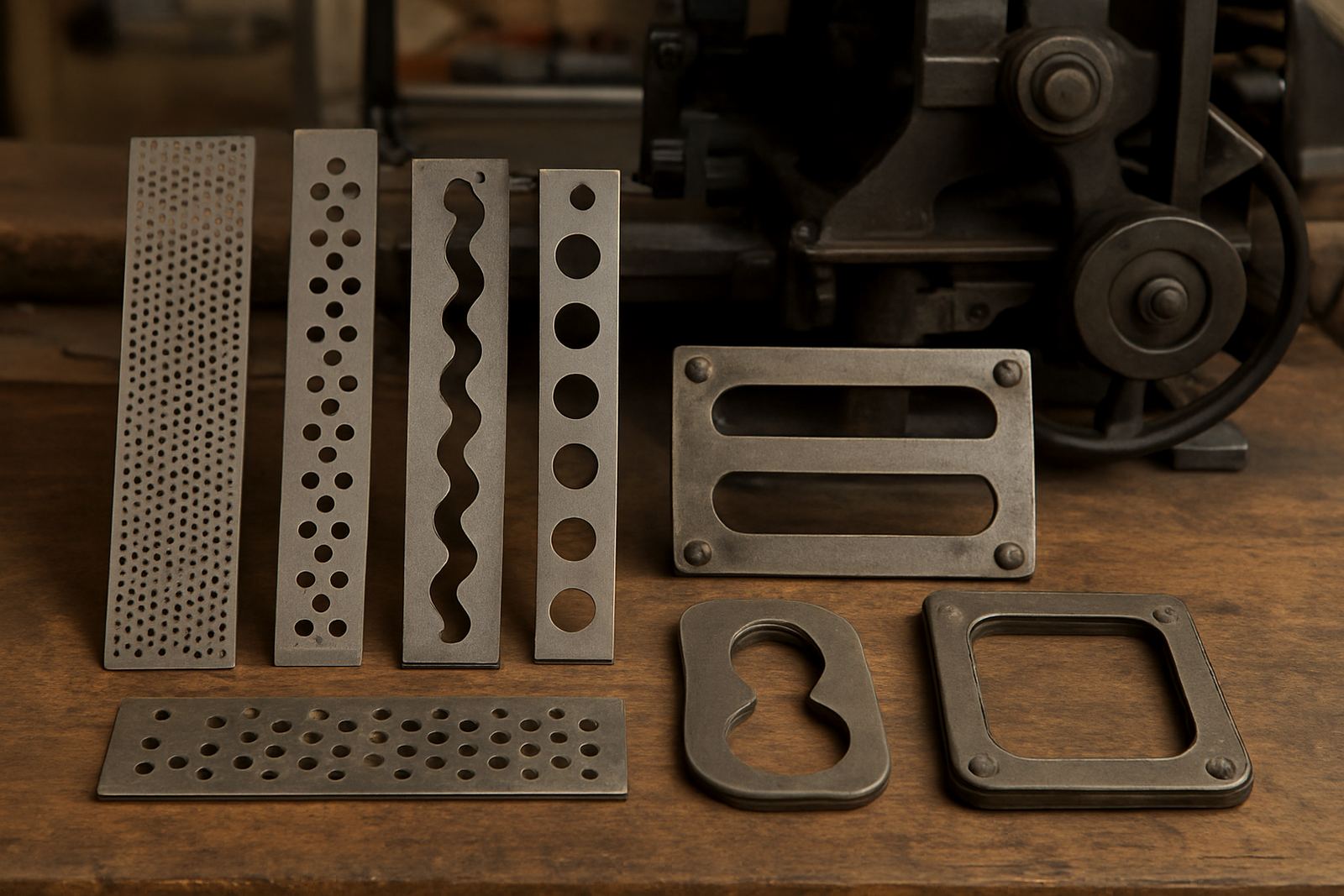
An island cut is any part of the label that sits inside the main shape, such as a hole, cut-out window or small internal form. Those areas may be tiny, but they change how the die, adhesive, liner and waste all behave once the press is running. If the cut is too tight, the island may not release properly. If it is too open, the shape can wander and the label stack starts giving trouble down line.
For South African label printers, this matters on short runs and long production jobs alike. In Wadeville, Germiston, we often see requests where the artwork was fine but the strip-out plan was not complete. That is where repeat matching, die design and CAD proofing save time. A good island cut is not only about the line on the die, it is also about how the waste will move when the machine is running at speed, especially when loadshedding changes the pace and operators are trying to recover time.
Stripping layout decides whether the job runs cleanly
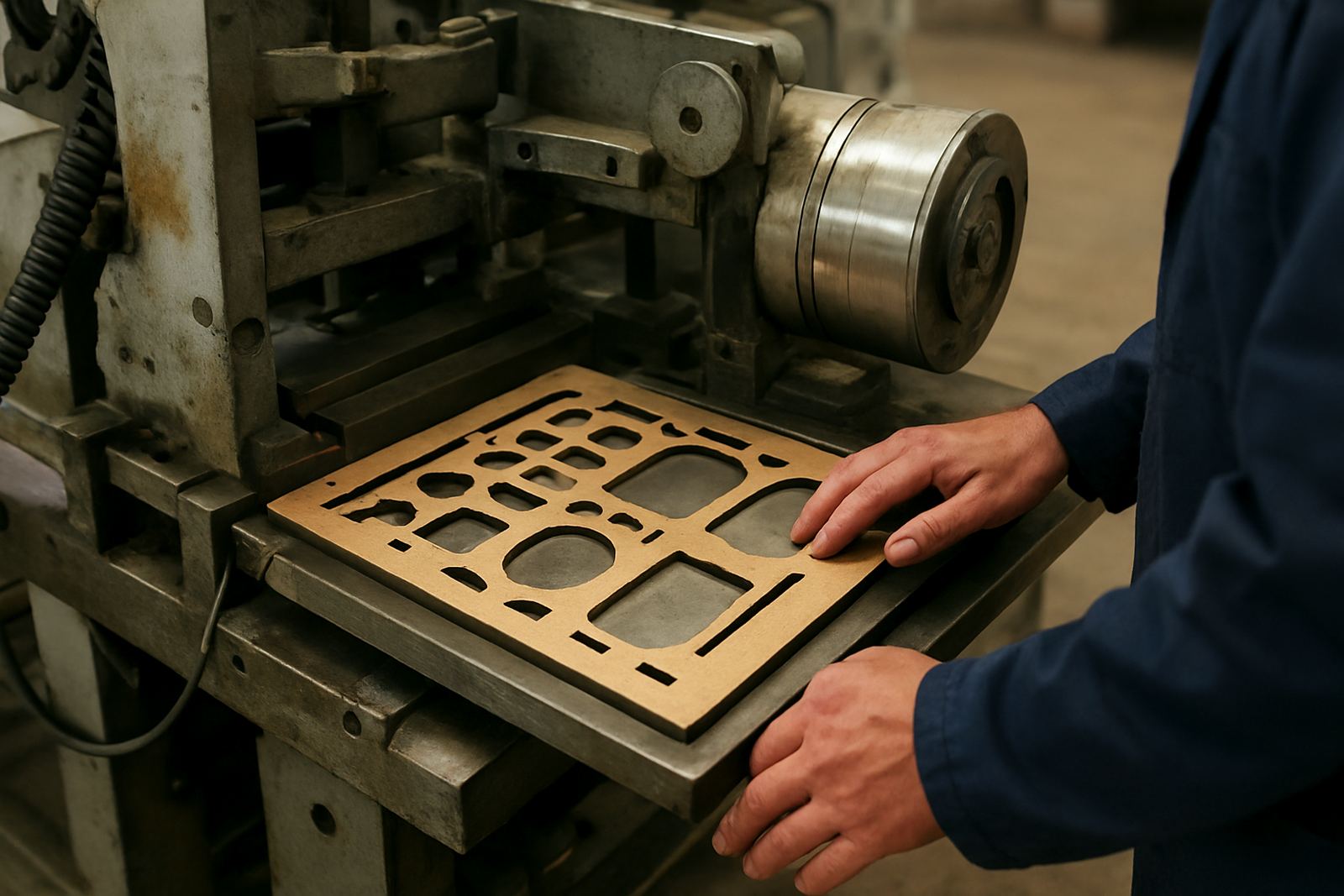
Internal islands often fail at the stripping stage, not at the cutting stage. The die may cut accurately, but if the matrix cannot lift away cleanly, the liner, adhesive and label face start dragging the waste back into the web. That is when you get torn edges, lifted islands, and extra hand work at the rewind table.
Good stripping layout starts with the shape of the island itself. Round shapes are easier to release than sharp internal corners. Long narrow islands need more care because they can twist. Small perforated islands can also leave sticky residue if the clearance is too tight. On coastal jobs, especially in Durban or Cape Town where humidity can affect paper and adhesive behaviour, the same artwork may strip differently from a dry inland run.
- Use internal corners only where the artwork truly needs them.
- Allow enough clearance for waste bridges, but not so much that the cut loses position.
- Test the stripping path with the actual substrate, not a substitute sheet.
- Keep an eye on liner stretch when the job is running fast.
How tolerance affects small cut-outs on press
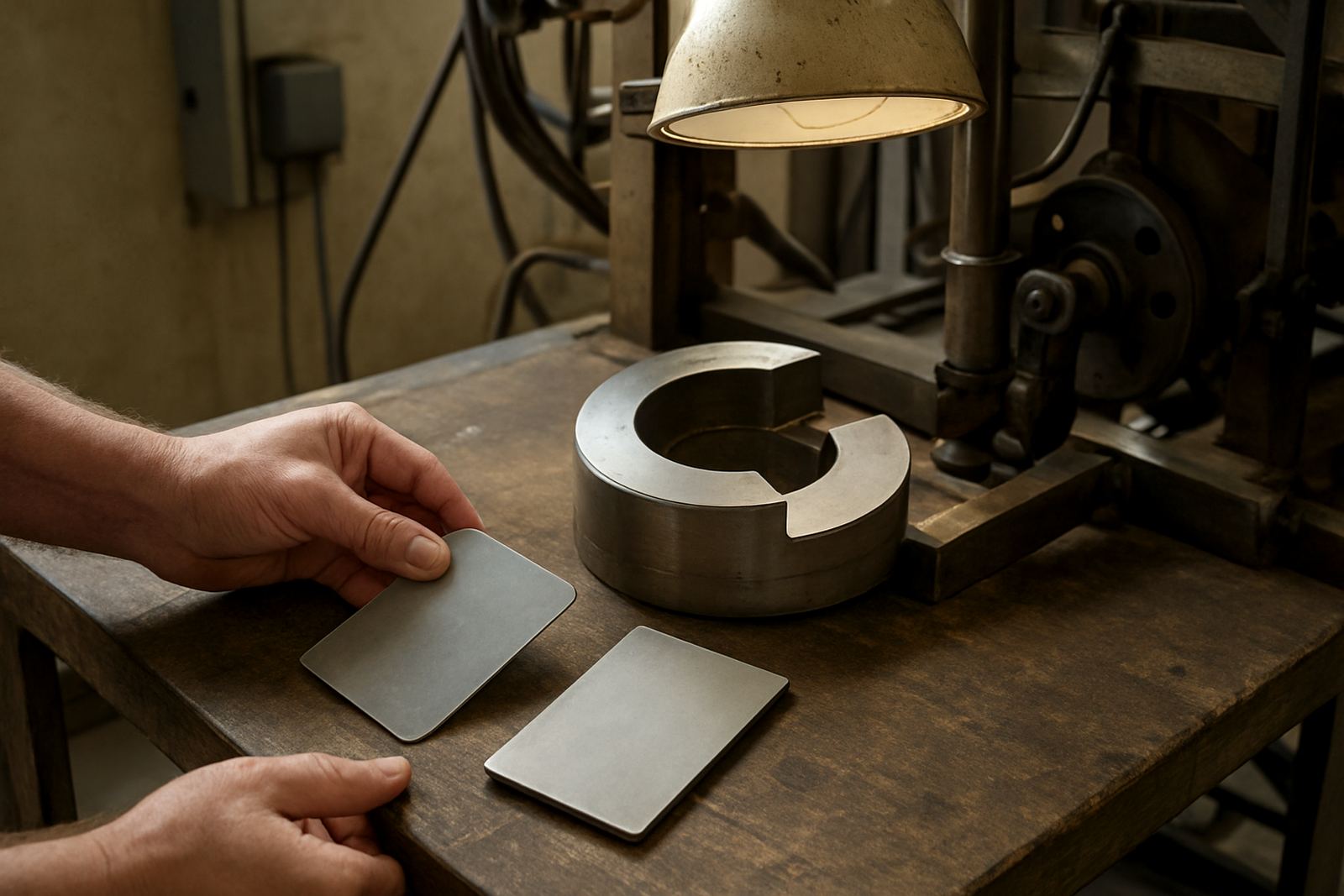
When the island is small, even a slight variation in die tolerance can change the result. A label printer may see the island lifting, clinging to the waste, or dropping out before the operator wants it to. That is why precise tolerances matter in rotary solid dies, flexible magnetic dies and magnetic cylinders. The tooling has to stay true across the full repeat, not just at the first few labels.
Repeat matching is especially important when a customer returns with the same job months later. If the press setup has changed, or the substrate supplier has changed, the island behaviour can shift too. We often advise printers in Johannesburg, Pretoria and Gqeberha to keep a sample of the approved run, plus notes on bearer setting, pressure and stripping method. It makes the next run faster and avoids guesswork.
For urgent remakes, the most useful information is practical: label size, island size, substrate type, press width and whether the waste is intended to carry the island or leave it behind. That detail saves time and avoids a die that is technically correct but awkward on machine.
Material choice changes the way the island behaves
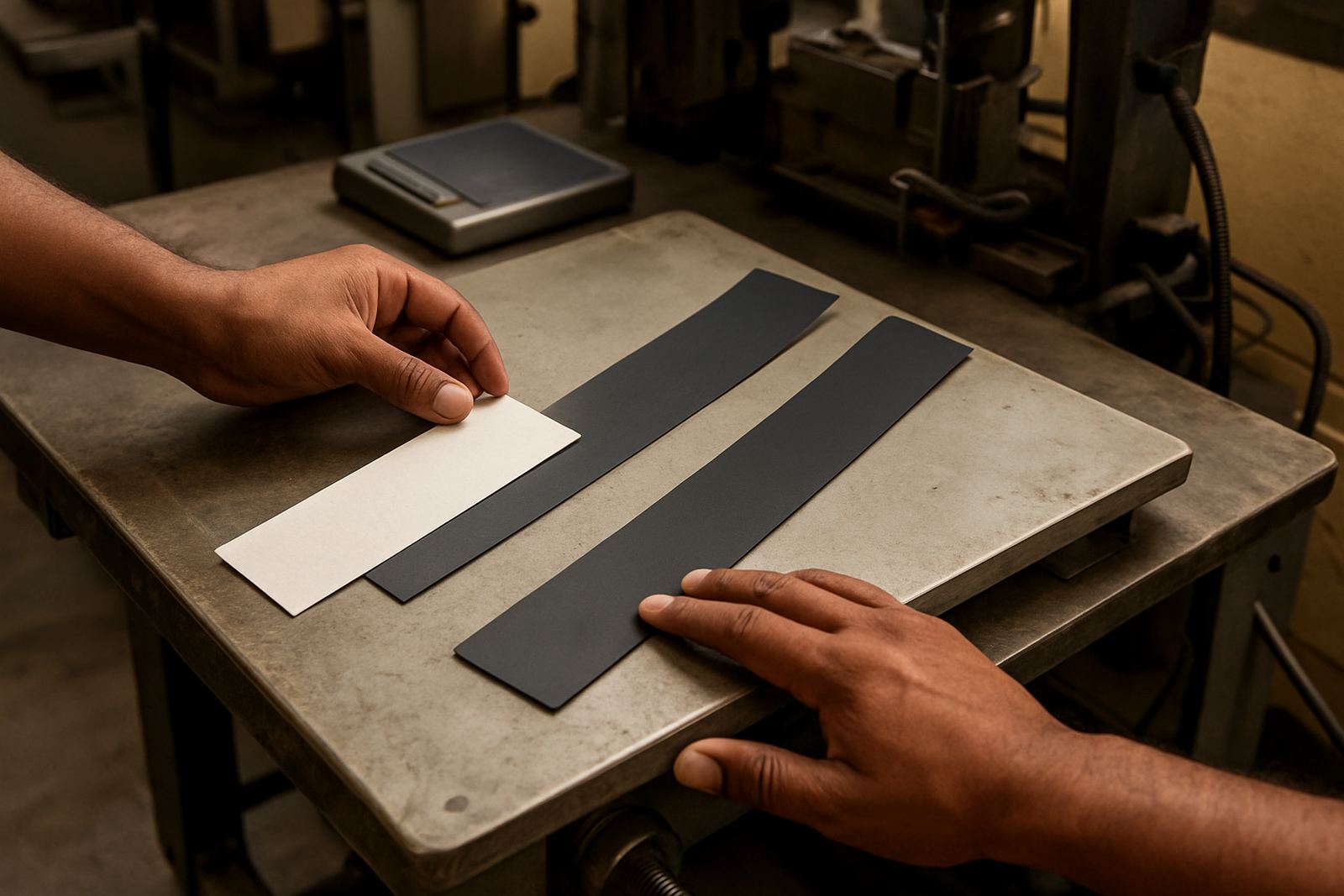
Not every label face or liner handles island cuts the same way. Paper, gloss film and clear film all react differently under pressure. A stiff liner can help control the web, while a softer liner may allow more movement. Adhesive strength also matters because a high tack adhesive can hold the island down longer than expected, especially after a hot day in a factory or in a delivery truck between Germiston and Pinetown.
That is why stock advice is part of the job, not an afterthought. Before a die is made, it helps to know whether the converter wants a clean peel, a retained island, or a cut-out that must stay stable through application. The more detailed the brief, the less trial and error on press.
- Film stocks may need different cut pressure from paper stocks.
- Humidity can soften certain papers and affect stripping consistency.
- Heavy adhesive coverage near the island may require extra care at release points.
- Long label runs may need more regular magnet checks and die inspection.
Local production realities shape the tooling choice
A printer in Pretoria may run a different mix of jobs from one in Cape Town or Durban. Some are producing short promotional batches, others are converting repeated industrial labels all week. Island cut challenges show up differently in each case. A busy converter in Johannesburg may need a flexible magnetic die for speed and repeat use, while another shop may prefer a rotary solid die for tighter control on a demanding label shape.
The base in Wadeville, Germiston gives us a practical view of how South African shops work. There are jobs that need packing and dispatch on the same day, and there are jobs where delivery coordination to Bellville, Gqeberha or Pretoria has to line up with press availability. When the job is urgent, the real question is not only how the die is made, but whether the layout will let the operator keep the line moving without constant stoppages.
That is where press trial support can help. A small adjustment to bearer setting, strip path or waste tension may be enough to stop islands from hanging up. It is usually simpler to fix the setup at the start than to fight the same issue through the whole run.
Planning for the next repeat is part of the first cut
The best island cut jobs are planned with the next repeat in mind. That means keeping CAD proofs, approved samples and notes on any die regrind or cylinder refurb work. It also means checking whether the island is likely to wear, tear or lose definition after several runs. If the cut-out is important to the brand or product fit, the tooling should be monitored before it drifts out of spec.
In practice, a clean island cut is the result of several linked choices: the design, the stripping layout, the die type, the press setup and the way the job is packed and dispatched. Leave one of those out, and the job may still run, but it will not run well. For South African converters working under time pressure and load-shedding schedules, that extra planning is worth it.
When island cut work is done properly, the operator gets a cleaner strip, the printer gets fewer stops, and the customer gets a label that looks right from the first sheet to the last. That is the standard most shops are aiming for, and it starts long before the press comes up to speed.