
Why the cut line matters on beauty packaging
On cosmetic labels, the finish is only half the story. A metallic film can look premium on press, but if the die is not set to the right tolerance the edge may lift, the corners may feather, or the liner may tear during stripping. That is a problem for applicators and for the printer who has to rerun work.
Beauty packs often use thin face stocks, clear films, soft touch coatings and high gloss laminates. These materials behave differently to standard paper labels. A clean cut depends on die sharpness, bearer setting and correct pressure across the full width of the cylinder. When those details are right, the label comes off the web neatly and applies well on bottles, jars and tubes.
In Wadeville, Germiston, we see this every week with labels for skincare, body wash, hand cream and fragrance. The finish may be premium, but the converting still has to hold up on a busy shift, including when load-shedding affects press timing and changeovers get squeezed.
Metallic labels need a sharp edge and steady pressure
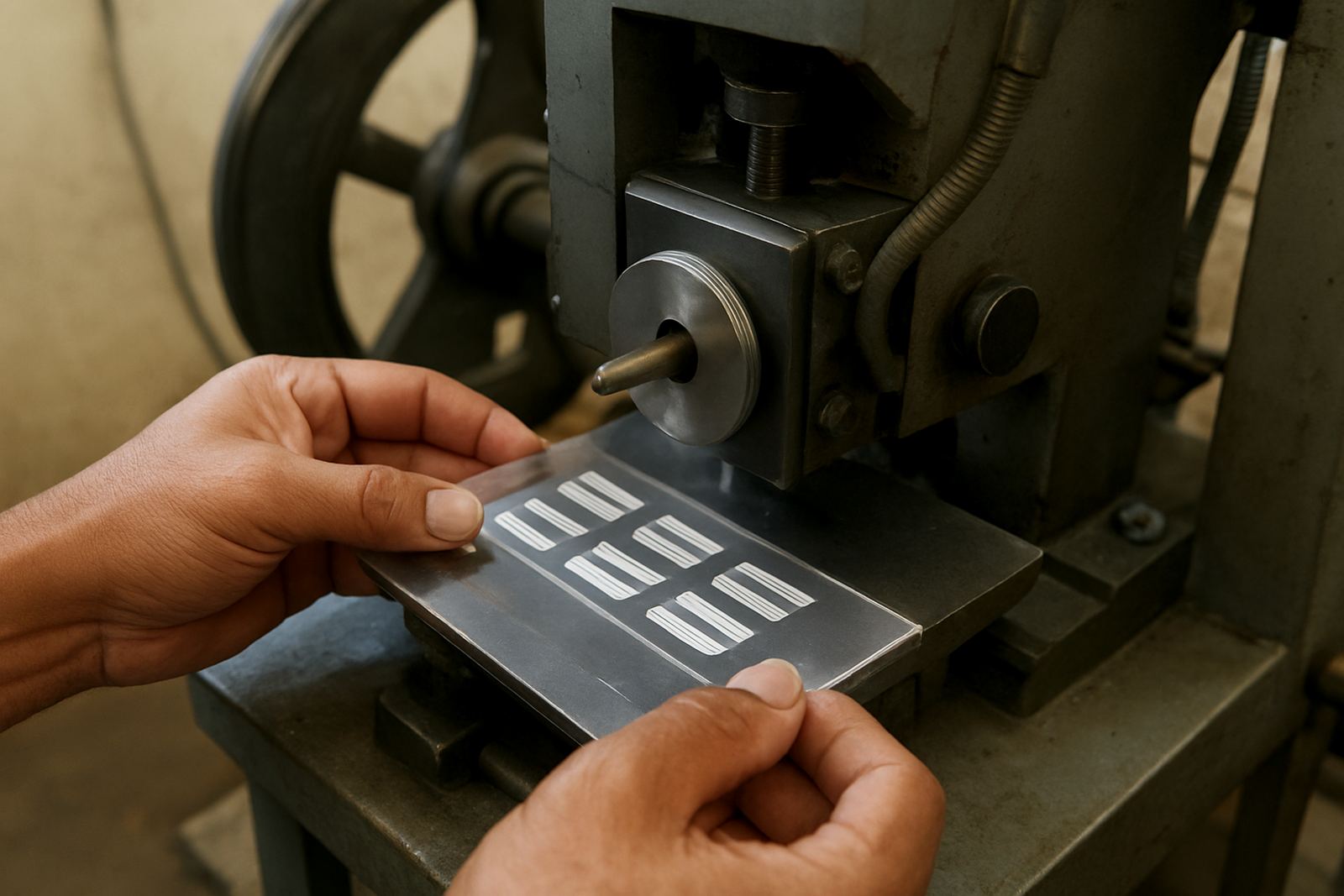
Metallic labels are unforgiving. If the die is dull or slightly out, the cut can leave a ragged edge that shows immediately under light. On silver, gold or holographic stock even a small flaw is visible from across the shelf. That is why rotary solid dies and magnetic dies must be made to the right spec for the press speed and material thickness.
A good die helps keep the face stock intact while still separating cleanly from the waste matrix. For label converters, this reduces stoppages and helps keep the rewind tidy. It also improves repeat consistency on reprints, which matters when a cosmetic customer wants the same finish month after month.
- Use the correct relief for the face material and liner.
- Check bearer settings before the run starts.
- Match the die to the press width and repeat length.
- Inspect for nicking before a premium job goes live.
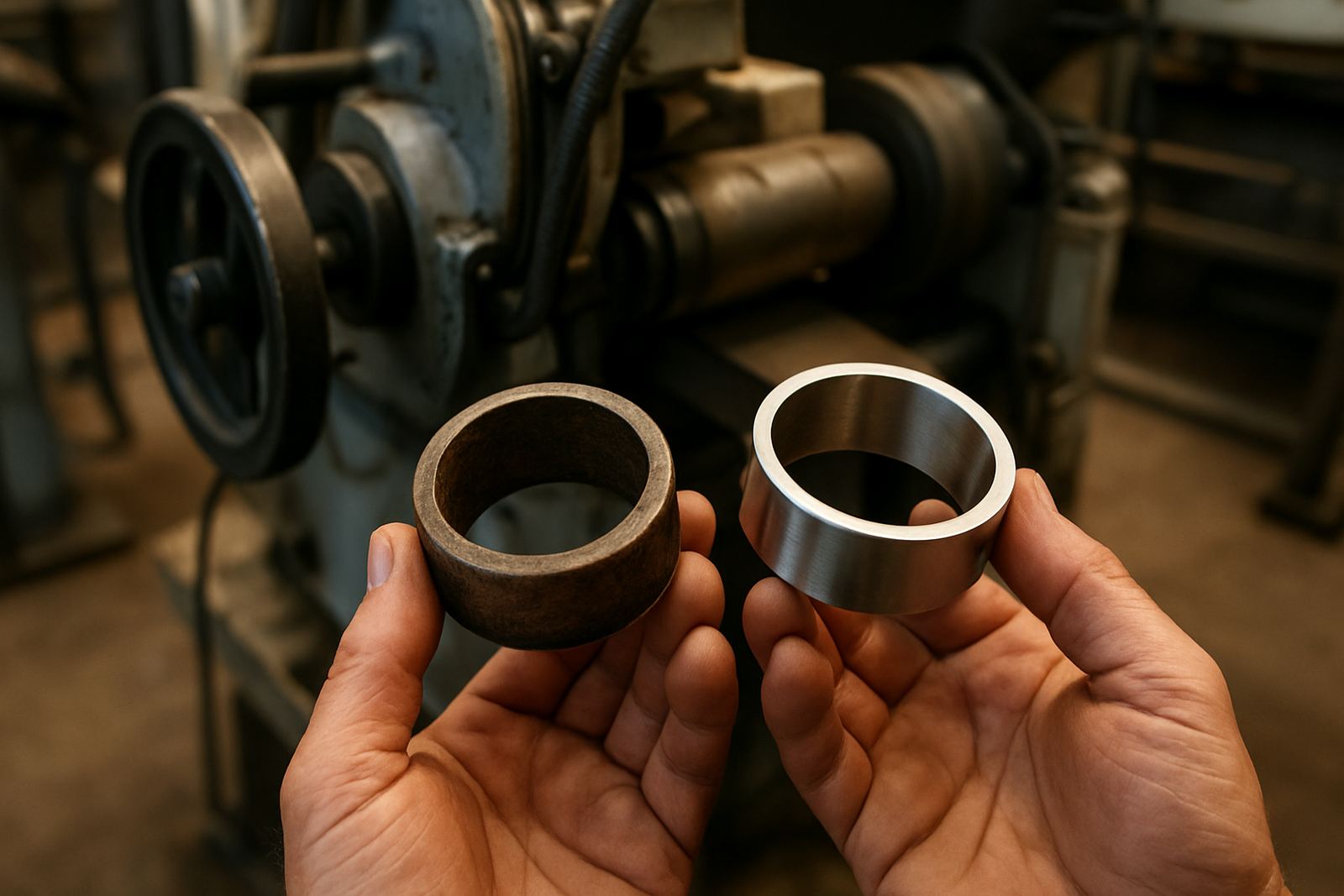
For metallic work, small tolerances matter more than people think. A die that is acceptable on a paper label can still fail on foil stock if the cutting edge is not even across the cylinder.
Matte finishes show every fault in the outline
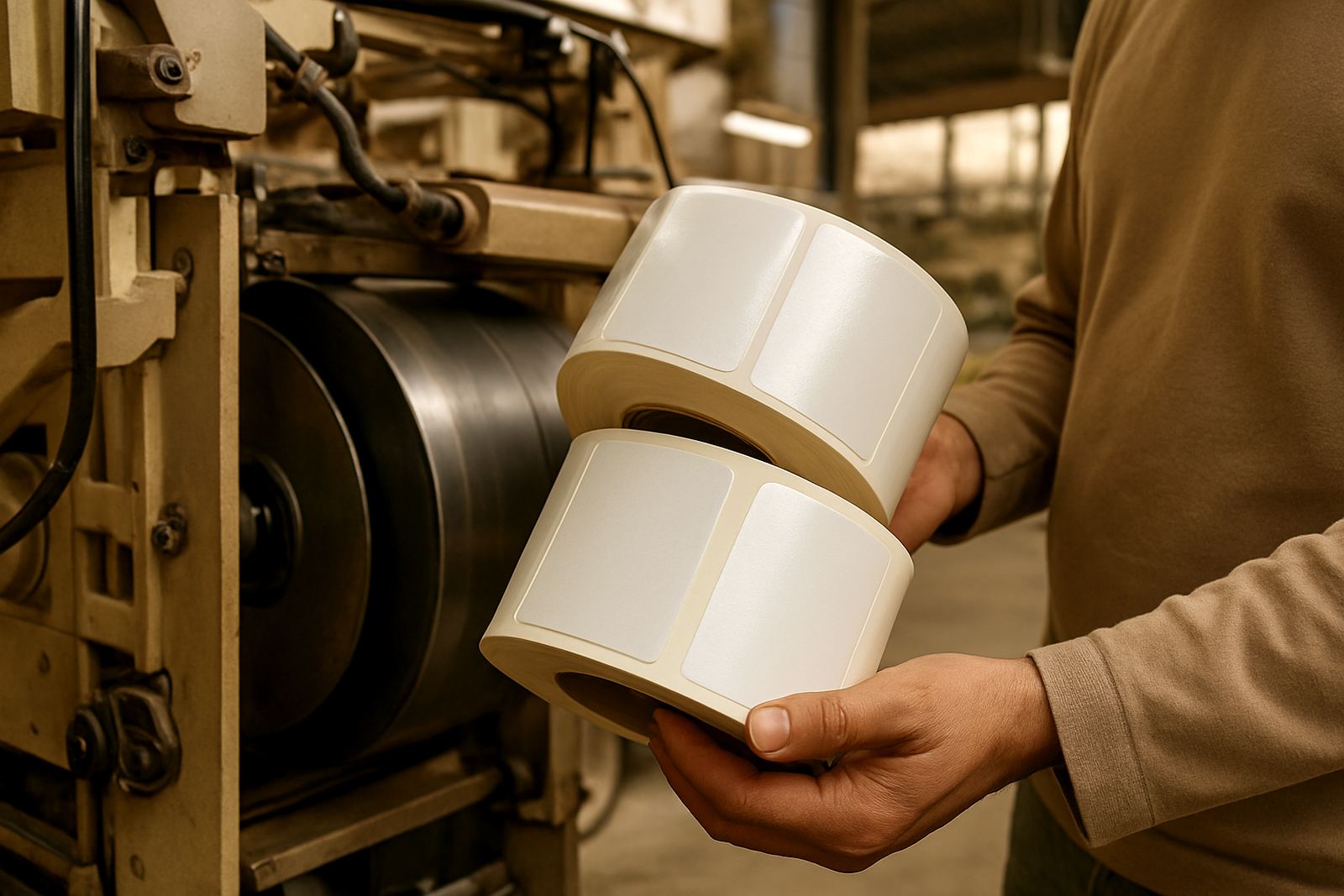
Matte cosmetic labels often look simple, but they can be the hardest to finish well. A matte laminate or coated paper does not hide cutting defects the way a gloss surface might. If the edge is crushed, the shape is off by even half a millimetre, or the waste is not stripping cleanly, the label can look cheap before it reaches the filling line.
This is where CAD proofing and repeat matching help. If a client is running a family of moisturiser jars in different sizes, the die sets need to hold the same line quality across the range. A reliable repeat also helps when the printer is setting up a second shift and needs to get back into production quickly after a changeover.
We often advise printers to keep a record of which die was used, which press settings worked and how the material behaved on the day. That note can save time on the next run, especially when stock changes or humidity in Durban affects the web more than expected.
Tactile effects demand clean stripping and neat corners
Tactile finishes include raised varnish, embossed panels and textured coatings that invite touch on shelf. These effects add value, but they also need a die that can cut around them without damaging the finish. If the edge drags, the label may scuff, and if the corner closes too tight the applicator can misfeed.
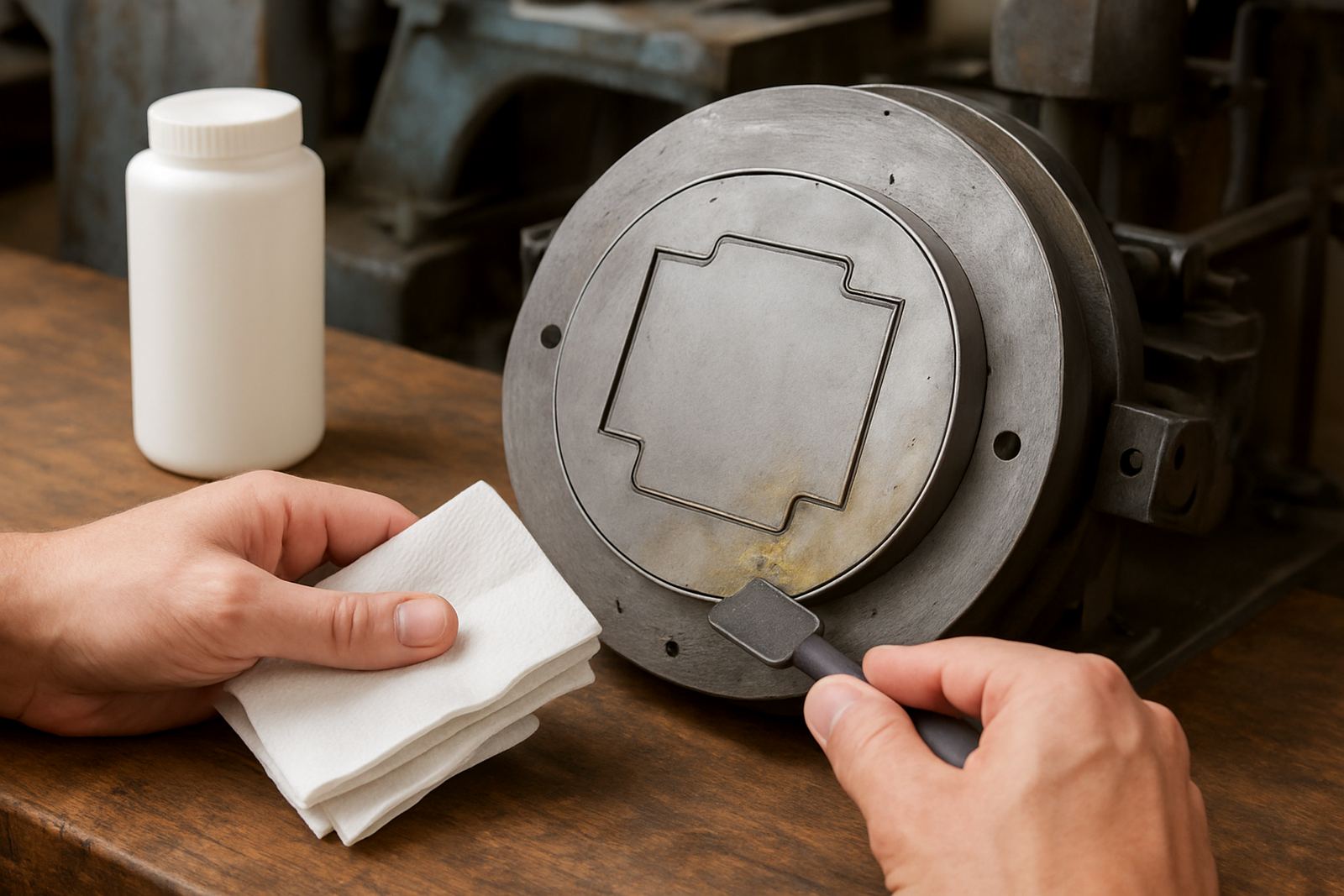
For this type of work, press trial support is useful. A trial can show whether the die is cutting too deep, whether the matrix is breaking, or whether the cylinder needs a small adjustment before the full production run starts. That is cheaper than discovering the issue after thousands of labels have already been boxed.
- Keep corners slightly open on awkward shapes where application speed is high.
- Confirm that the liner releases cleanly after embossing or varnish passes.
- Test the label on the actual pack surface, not only on flat paper.
- Use magnet checks before running long cosmetic jobs on magnetic cylinders.
With tactile labels, the finish must survive handling from the printer to the filling plant and then to the retail shelf. A weak die cuts into the visual effect, and the client sees that straight away.
What South African converters should check before a premium run
For printers in Johannesburg, Pretoria, Cape Town, Gqeberha and Durban, the practical checks are usually the same: material thickness, repeat length, web tension and the final pack size. The die should suit the label shape and the press, but the real test is whether the waste strips cleanly at production speed.
If a cosmetic customer needs a fast turnaround, urgent remakes are sometimes unavoidable. In those cases, repeat matching and stock advice can help reduce delays. A converter may already have a previous spec on file, but the finish could have changed slightly, so the new die still needs a proper check before it goes into line.
For coastal deliveries, packing matters too. High humidity in places like Durban and Cape Town can affect cartons and wrapped stock if they are left exposed too long, so careful packing and dispatch helps protect the job before it reaches the pressroom.
A Germiston cosmetics label job sent to the coast
A beauty label printer in the East Rand recently needed a short run of matte lotion labels with a metallic accent and a soft touch top coat. The design looked simple on the artwork, but the combination of finishes meant the cut had to be exact. The first concern was the corner shape, then the matrix removal, then whether the label would apply cleanly on the bottle line.
We worked through the die design, checked the bearer setting and ran a press trial before the full job was approved. The result was a cleaner strip, better register at the edges and less waste on the rewind. That kind of outcome is what matters when a cosmetic brand is trying to launch on time and keep the shelf presentation consistent.
From Wadeville, Germiston, we supply solid rotary dies, flexible magnetic dies and magnetic cylinders to label printers and converters across South Africa. Whether the job is going to Johannesburg, Durban, Cape Town, Bellville, Pinetown, Pretoria or Gqeberha, the aim is the same: a die that supports the finish instead of fighting it.
Keeping premium labels consistent from run to run
Cosmetic label finishes only work when the finishing process and the die are matched properly. That means good technical advice at the start, careful manufacture, and follow-up support if the client changes stock or press conditions later. A label that looks perfect on the sample table still needs to survive the converting stage, the filling line and the customer’s hand.
At LabelCutter Dies, our team handles die design, CAD proofing, cylinder refurb, die regrind, bearer setting, magnet checks, stock advice and delivery coordination. The practical goal is simple: keep the label clean, the waste manageable and the finish looking as intended. That is what helps a metallic label shine, a matte label stay crisp, and a tactile label feel premium without extra waste or rework.